

Some home upgrades whisper. Others walk into the room wearing sunglasses, toss the old throw pillow into retirement, and announce, “Yes, this place has its life together now.” The best part? You do not need a contractor, a second mortgage, or a mysterious uncle with a tile saw to make your home feel fresher, safer, smarter, and more comfortable.
In fact, many of the most satisfying home improvement projects cost less than $100. These are the upgrades people brag about because they deliver instant gratification: better lighting, quieter doors, cleaner entryways, organized cabinets, safer sleeping areas, lower utility waste, and rooms that finally look intentional instead of “we just moved in” even if you moved in seven years ago.
Below are 30 favorite $100-or-less home upgrades that combine real-world practicality with design payoff. Some save money. Some save space. Some save your sanity when you open the junk drawer and it does not immediately attack. All are approachable for renters, homeowners, beginners, and weekend warriors with a healthy respect for YouTube tutorials.
Why Small Home Upgrades Make Such a Big Difference
Small home upgrades work because they target the parts of daily life you touch, see, hear, and trip over constantly. A new showerhead improves every morning. Better cabinet hardware changes the whole mood of a kitchen. Weatherstripping makes a drafty room feel less like a haunted lighthouse. A motion-sensor light in a closet can make you feel like you live in the future, even if your laundry pile says otherwise.
Unlike major renovations, budget home improvements are low-risk. If you paint a front door, swap a faucet aerator, install peel-and-stick hooks, or add under-cabinet lighting, you can usually finish in an afternoon. That makes these projects perfect for people who want a noticeable upgrade without turning the house into a construction zone.
30 Favorite $100-Or-Less Home Upgrade Ideas
1. Swap Old Bulbs for LED Bulbs
Replacing outdated incandescent bulbs with LED bulbs is one of the easiest home upgrades under $100. LEDs use significantly less energy, last longer, and come in warm, soft, daylight, dimmable, and smart options. Use warm white bulbs in bedrooms and living rooms, brighter daylight bulbs in garages or workspaces, and dimmable bulbs anywhere you want mood lighting that says “cozy dinner” instead of “hospital hallway.”
2. Add Under-Cabinet Kitchen Lighting
Battery-powered or plug-in under-cabinet lights can transform a kitchen from shadowy cave to meal-prep command center. They make countertops easier to use, brighten backsplashes, and create a high-end look without hardwiring. Peel-and-stick LED strips are especially friendly for renters and commitment-phobic decorators.
3. Replace Cabinet Knobs and Drawer Pulls
Cabinet hardware is jewelry for your kitchen or bathroom. New knobs, cup pulls, or sleek bar handles can refresh cabinets without repainting or replacing them. Measure hole spacing before buying, keep finishes consistent, and use a hardware template to avoid crooked pulls. Crooked cabinet pulls are tiny, shiny heartbreaks.
4. Install a WaterSense Showerhead
A water-efficient showerhead can reduce water use while still delivering a satisfying shower. Look for models designed for good pressure and spray coverage. This upgrade is especially smart in older bathrooms where the existing showerhead is either weak, wasteful, or somehow both.
5. Add Faucet Aerators
Faucet aerators are small, inexpensive pieces that screw onto the end of a faucet to control water flow. They can reduce splashing, improve stream quality, and help cut water waste in bathrooms and kitchens. Installation usually takes minutes, unless the old aerator is stuck and chooses violence.
6. Weatherstrip Doors and Windows
Drafty doors and windows can make rooms uncomfortable and raise heating or cooling costs. Weatherstripping is inexpensive, beginner-friendly, and ideal for sealing movable parts like doors and operable windows. Start with exterior doors, attic hatches, and windows where you feel obvious air leaks.
7. Caulk Gaps Around Trim, Windows, and Fixtures
Fresh caulk makes a room look cleaner and helps seal small cracks and gaps. Use paintable caulk for trim and silicone caulk for wet areas like tubs and sinks. A neat caulk line around baseboards or bathroom fixtures is a tiny detail that makes the whole space feel maintained.
8. Replace Yellowed Outlet Covers and Switch Plates
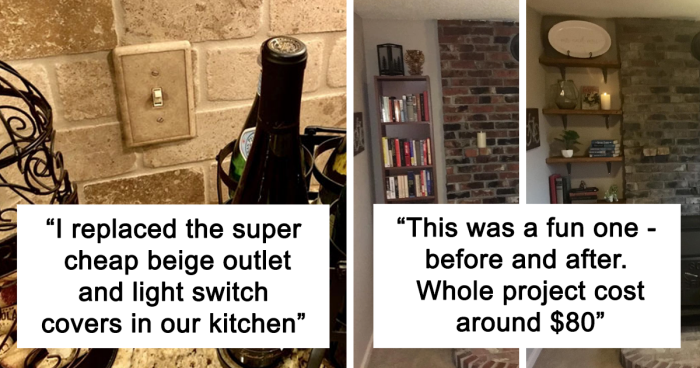
Old outlet covers can make a freshly painted room look tired. Replacing them costs very little and instantly sharpens walls. Choose simple white covers for a clean look, screwless plates for a modern finish, or decorative metal plates for rooms with vintage character.
9. Add Smart Plugs
Smart plugs let you control lamps, fans, coffee makers, and seasonal lights from your phone or voice assistant. They are especially useful for hard-to-reach outlets and for setting schedules. Nothing says “responsible adult” like turning off the living room lamp without leaving the couch.
10. Install Motion-Sensor Night Lights
Motion-sensor night lights are perfect for hallways, bathrooms, closets, stairways, and laundry areas. They improve safety at night and eliminate the midnight game of “find the wall with your shin.” Many plug-in and rechargeable options cost far less than $100.
11. Upgrade Smoke and Carbon Monoxide Alarms
Safety upgrades may not be glamorous, but they are among the most important. Make sure smoke alarms and carbon monoxide alarms are installed in the right places, tested regularly, and replaced when they reach the end of their service life. A safer home is the kind of upgrade you hope never becomes exciting.
12. Buy a Radon Test Kit
Radon is invisible and odorless, so testing is the only way to know whether your home has elevated levels. DIY radon test kits are usually affordable and available online, at hardware stores, or through some state programs. This is a quiet upgrade with serious peace-of-mind value.
13. Paint the Front Door
A quart of exterior paint can turn a tired front door into the star of your curb appeal. Deep navy, classic black, brick red, forest green, and cheerful yellow all work depending on your home’s style. Clean, sand, prime if needed, and choose paint made for exterior doors.
14. Replace House Numbers
Modern house numbers make your home easier to find and more polished from the street. Choose numbers that contrast with the background and are large enough to read from the road. Bonus: delivery drivers may stop treating your porch like a treasure hunt.
15. Add Solar Path Lights
Solar path lights improve curb appeal and help guests navigate walkways after dark. They require no wiring, which is excellent news for anyone who believes electricity should remain inside walls where it belongs. Place them evenly along paths, garden edges, or driveway borders.
16. Create a Drop Zone by the Door
A small entryway shelf, wall hooks, tray, or bench can stop keys, bags, shoes, and mail from colonizing every flat surface. Even a narrow wall-mounted organizer can turn chaos into routine. A good drop zone is basically a bouncer for clutter.
17. Install Peel-and-Stick Backsplash Tile
Peel-and-stick backsplash panels can refresh a kitchen, laundry room, or bathroom without grout, tile saws, or dramatic renovation energy. Choose designs that mimic subway tile, marble, zellige, or metal. Prep the wall carefully because peel-and-stick products only look good when the surface is clean and smooth.
18. Use Peel-and-Stick Wallpaper in a Small Area
Wallpaper does not need to cover a whole room. Try it inside a bookcase, behind open shelves, in a powder room, or on one accent wall. Removable wallpaper is renter-friendly and ideal for adding personality without a lifelong commitment to flamingo print.
19. Add Floating Shelves
Floating shelves add storage and style in kitchens, bathrooms, offices, and bedrooms. Use them for plants, framed art, baskets, spices, or folded towels. Install into studs or use appropriate anchors so your shelf does not become a dramatic floor exhibit.
20. Upgrade Closet Lighting
Stick-on rechargeable lights can make a dark closet dramatically more usable. Motion-sensor options are especially satisfying because they turn on automatically when the door opens. Suddenly, finding matching socks feels less like a wilderness survival exercise.
21. Add Drawer Dividers
Drawer dividers are cheap, boring, and life-changing. Use them in kitchen utensil drawers, bathroom drawers, office desks, and dressers. The goal is simple: stop small items from forming a mysterious plastic-and-metal swamp.
22. Install Pull-Out Cabinet Organizers
A pull-out basket, sliding shelf, or under-sink organizer can make deep cabinets easier to use. These are especially helpful for cleaning supplies, pots, food storage containers, and pantry items. When you can see what you own, you stop buying the third bottle of dish soap “just in case.”
23. Replace a Basic Shower Curtain and Liner
A crisp fabric shower curtain, fresh liner, and new rings can make a bathroom feel cleaner overnight. Hang the curtain higher if possible to make the room feel taller. This is one of the fastest budget bathroom upgrades with the least mess.
24. Add a New Bathroom Mirror
A builder-basic mirror can often be replaced with a framed mirror for under $100, especially in small bathrooms. Choose a rounded mirror for softness, black metal for modern style, or wood for warmth. Just check weight and mounting requirements before you fall in love.
25. Refresh Grout With a Grout Pen
If tile grout looks stained but is still structurally sound, a grout pen can brighten lines quickly. It works best after thorough cleaning and drying. This little tool can make old tile look dramatically fresher, especially in bathrooms and kitchens.
26. Add a Programmable or Affordable Smart Thermostat
Some programmable and entry-level smart thermostats can be found near the $100 mark, depending on rebates and sales. They help automate temperature settings and may reduce energy waste when used correctly. Always confirm compatibility with your HVAC system before buying.
27. Upgrade Door Hardware
Replacing a dated doorknob, deadbolt, or interior handle can make a door feel newer and sturdier. Matte black, satin nickel, brass, and bronze finishes can shift the style of a room or entryway quickly. Start with the front door or the most visible interior doors.
28. Add Blackout Curtains or Thermal Curtains
Blackout curtains improve sleep, privacy, and light control. Thermal curtains can also make rooms feel more comfortable during hot or cold seasons. Hang curtain rods higher and wider than the window frame to make windows look larger and rooms feel more finished.
29. Create a Mini Mudroom With Hooks and Baskets
No mudroom? Build a tiny version. Add a row of sturdy hooks, a washable rug, and labeled baskets for shoes, pet leashes, umbrellas, or sports gear. This works in hallways, laundry rooms, garages, and entry corners.
30. Add Plants and Better Planters
Plants bring color, texture, and life to a home. If you are not plant-confident, start with pothos, snake plant, ZZ plant, or faux greenery that does not judge your watering schedule. A matching planter can make even a grocery-store plant look designer-approved.
How to Choose the Right $100 Home Upgrade
The best upgrade depends on what bothers you most. If your home feels dark, start with lighting. If it feels messy, choose storage. If it feels dated, replace hardware, switch plates, curtains, or mirrors. If it feels uncomfortable, look at weatherstripping, caulk, curtains, and thermostat settings. If safety has been ignored, begin with alarms, radon testing, and better night lighting.
Before shopping, walk through your home with a notepad and write down the small annoyances you experience daily. Does the bathroom drawer jam? Does the porch look forgotten? Does the kitchen lighting make vegetables look suspicious? Does the closet require a flashlight and emotional resilience? Those annoyances are clues. Fixing them often feels more rewarding than buying random decor.
Budget Home Upgrade Tips That Prevent Regret
Measure Before You Buy
Measure cabinet pull spacing, window dimensions, showerhead connections, shelf widths, and door hardware backsets before buying anything. Guessing is how a quick project becomes a return-line field trip.
Choose Finishes That Repeat
A home looks more cohesive when finishes repeat. If your kitchen has brushed nickel, consider matching nearby hardware or lighting accents. If your entry has black metal, use it again in hooks, numbers, or curtain rods.
Spend Money Where You Touch Things
Handles, switches, faucets, showerheads, doorknobs, and organizers affect daily life. Upgrading touchpoints makes a home feel better even when the change is small.
Do the Safety Projects First
Decor is fun, but working alarms, safer stairs, visible house numbers, night lights, and radon testing belong at the top of the list. A beautiful home should also be a home that takes care of the people inside it.
Real-Life Experiences: The $100 Upgrades People Actually Love
The funny thing about $100-or-less home upgrades is that the favorites are rarely the fanciest. People do not usually say, “The limited-edition sculptural vase changed my life.” They say, “I finally installed a motion light in the pantry, and now I can find the pasta without performing an archaeological dig.” Practical wins are the ones that become everyday happiness.
One of the most beloved upgrades is under-cabinet lighting. Homeowners often describe it as the moment their kitchen stopped feeling like a rental and started feeling like a place where grown-up meals could happen. Even inexpensive LED strips can make counters look cleaner and food prep easier. The effect is immediate: suddenly the backsplash has depth, the coffee station looks charming, and chopping onions feels slightly less tragic.
Another favorite is replacing cabinet hardware. It is almost comically satisfying because the work is simple, but the visual change is huge. A dated oak kitchen can feel more current with matte black pulls. A plain bathroom vanity can look boutique with warm brass knobs. People love this upgrade because it gives them a “before and after” moment without paint fumes, demolition dust, or a weekend lost to regret.
Entryway organization also earns a lot of loyalty. A few hooks, a tray, and a basket can rescue a household from the daily Where Are My Keys Olympics. Families with kids especially love drop zones because backpacks, shoes, coats, and permission slips finally have a landing place. The upgrade does not just change how the entry looks; it changes how mornings feel. That is a big emotional return for a small receipt.
In bathrooms, the best $100 upgrades are usually showerheads, curtains, mirrors, and grout refreshes. A good showerhead can make an old bathroom feel more spa-like, while a clean fabric curtain can make the whole room look brighter. Grout pens are popular because they deliver instant visual cleanup. They are not a substitute for repairing damaged grout, but for dingy lines that simply look tired, they can be surprisingly satisfying.
For comfort, weatherstripping and thermal curtains often become quiet favorites. They are not glamorous, but they solve real problems: chilly drafts, hot afternoon sun, streetlight glare, and rooms that never feel quite right. After sealing a drafty door, many people notice the room feels calmer and more stable. It is the home equivalent of finally closing all your open browser tabs.
Outdoor upgrades under $100 also punch above their weight. Painting the front door, replacing house numbers, adding planters, or installing solar path lights can make a home feel more welcoming before anyone even steps inside. These small curb appeal improvements are especially rewarding because neighbors notice them, guests appreciate them, and delivery drivers can finally locate the house without squinting into destiny.
Safety upgrades may not inspire glossy social media posts, but they often become the most meaningful. Replacing old smoke alarms, adding carbon monoxide alarms, testing for radon, and installing night lights can give homeowners genuine peace of mind. These upgrades are a reminder that home improvement is not only about looking better. Sometimes the best upgrade is the one that helps everyone sleep better.
The biggest lesson from people who love their low-cost upgrades is simple: choose the project that fixes a daily friction point. Do not start with what looks trendy online. Start with what annoys you at 7 a.m., 6 p.m., or midnight. The best home upgrade under $100 is the one you notice every day and think, “Why did I not do this sooner?” That sentence is the true sound of a budget project well done.
Conclusion
You do not need a giant renovation budget to make your home feel better. With less than $100, you can brighten dark corners, reduce drafts, refresh cabinets, improve water efficiency, organize clutter, boost curb appeal, and make your home safer. The secret is to focus on upgrades that solve visible or daily problems. A small project done well can change the way a room works, looks, and feels.
So, what has been the best $100-or-less home upgrade? For many people, it is the one that turns everyday irritation into everyday ease: the showerhead that makes mornings better, the entry hooks that stop clutter, the LED lights that make a kitchen glow, or the safety alarm that brings peace of mind. Big renovations get the applause, but small upgrades often do the real household magic.