

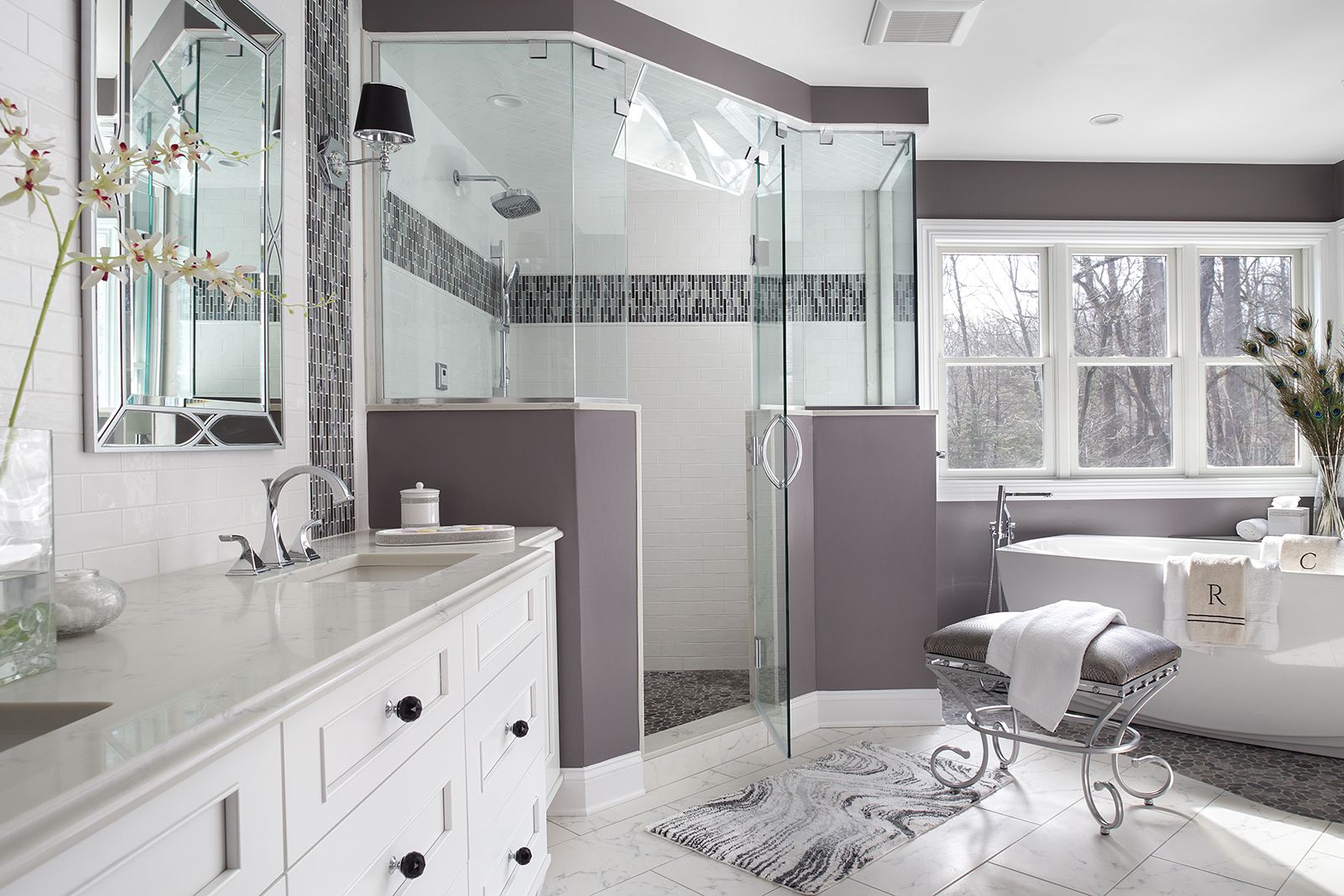
Imagine your daily shower got an MBA in relaxation. Same footprint, same “I’m just rinsing off” excuse, but now it can also
deliver spa-level steam on demandwithout you booking an appointment, driving across town, or wearing flimsy sandals in a public locker room.
That, in a nutshell, is the promise of a steam shower: a regular shower that can turn into a mini steam room at the push of a button.
But is it a smart upgrade… or just a fancy way to fog up your bathroom and your budget? Let’s break down what a steam shower is, how it works,
what it costs, what it takes to install correctly, and who actually gets the most joy out of the upgrade (hint: not everyone).
What exactly is a steam shower?
A steam shower is a fully enclosed shower space that can do two jobs: (1) function like a normal shower with water from your showerhead, and
(2) fill the enclosure with steam produced by a steam generator. Think “shower + steam room,” but in one tidy package.
The core parts (aka the stuff that makes the magic happen)
- Sealed shower enclosure: A steam shower needs a tight, steamy “room” with minimal gaps so vapor stays inside (where you want it).
- Steam generator: A separate unit (usually installed in a nearby closet, vanity, or mechanical area) that heats water and sends steam into the shower.
- Steam head (steam outlet): The nozzle inside the shower where steam enterstypically placed low on the wall to help the steam rise and circulate.
- Controls: A control pad or digital interface that starts the steam, sets temperature/time, and sometimes adds extras like lighting or aroma.
Steam shower vs. “hot shower that makes the mirror cry”
Plenty of bathrooms get steamy from hot water alonebut that’s mostly because moisture escapes into the room and condenses everywhere you
don’t want it. A steam shower is the opposite: it’s designed to contain steam in a controlled space, then vent moisture properly
afterward so your walls don’t slowly audition for a mold documentary.
Steam shower vs. sauna vs. steam room
Saunas are typically hot and dry. Steam rooms are lower temperature but extremely humid. A steam shower aims for that steam-room feel inside a shower-sized
enclosureoften around the low hundreds Fahrenheit inside the stall, with very high humiditywhile keeping it comfortable enough that you’re not crawling out
like a baked potato.
How does a steam shower work?
When you start a steam session, cold water feeds into the steam generator. The generator heats it until it produces steam, then sends that steam through a line to the
steam head inside your shower. You control the session time and temperature from a control panel. Some systems warm up in a few minutes; others have “quick start”
features that kick steam out faster.
Here’s the key detail: the generator may boil water internally, but the air temperature inside the shower typically stays much lower than boiling.
Many homeowners describe it as a warm, enveloping heat rather than the face-melting blast of a sauna.
Optional upgrades (the “spa menu”)
- Aromatherapy: Some steam heads include an aroma well for essential-oil style scents (use only what the manufacturer allows).
- Chromotherapy lighting: Colored lights that change the moodbecause your shower deserves ambiance too.
- Audio/music: Speakers or smart controls, if you want your steam session to have a soundtrack.
- Benches and body sprays: Seating is popular for steam sessions; body sprays add the “hotel shower” vibe.
Why people love steam showers (the real benefits)
Let’s be honest: the #1 benefit is that it feels amazing. Steam wraps warmth around you in a way that’s soothing and quietmore “deep exhale” than “power rinse.”
Beyond that, here are the most common reasons homeowners say they’re glad they upgraded.
It’s relaxation on demand
A steam session can feel like a reset buttonespecially at the end of a long day or after a workout. Many people use it like a short, gentle decompression ritual:
10–20 minutes, then a quick rinse, then out.
Warmth that’s easier to tolerate than super-hot dry heat
If you’ve ever tried a sauna and thought, “This is fine, but also I’m a raisin now,” steam can feel more comfortable because the air is moist and the temperature is generally lower.
Breathing comfort (with a big asterisk)
Steam can temporarily feel soothing when you’re congested, and humid air may feel gentler on the nose and throat for some people.
But it’s not a medical treatment, and it’s not a good idea for everyoneespecially if you have asthma that’s triggered by humidity, certain heart conditions,
or you’re sensitive to heat. When in doubt, ask a clinician who knows your situation.
A “spa bathroom” upgrade that you actually use
Some luxury bathroom upgrades look gorgeous and then become expensive coat racks (hello, freestanding tub that never gets filled).
A steam shower tends to win points because it fits into a routine you already have: you’re already showering.
The not-so-glamorous realities (read this before you fall in love)
Steam showers are fantasticwhen they’re designed and installed correctly, and when you’re realistic about maintenance.
Here’s what can make the upgrade feel less like a spa and more like a part-time job.
Moisture is bossy
Steam is moisture with ambition. If your enclosure isn’t properly waterproofed and vapor-managed, that moisture will wander into wall cavities, ceilings,
and anywhere else it can cause damage over time. A steam shower is not the place to “kind of” waterproof.
You still need ventilation (and you need to use it)
After a steam session, you want to clear humidity from the bathroom so it doesn’t linger and feed mildew. Many homeowners add a higher-quality bathroom exhaust fan,
a humidity-sensing switch, or both. And yes, you may need to run the fan longer than you’re used to.
Cleaning and water quality matter more
Mineral-heavy water can shorten the life of components and create buildup. Many systems offer auto-drain features to reduce standing water in the generator.
Even with those features, you should expect periodic maintenanceespecially in hard-water areas.
It’s not instant gratification every time
Some systems warm up quickly; others take a few minutes before the enclosure reaches that “cloudy cocoon” feeling. If you’re expecting instant steam the second you press start,
you’ll want to choose equipment carefullyor adjust your routine (start steam, brush teeth, return like the genius you are).
Installation essentials (where steam showers are won or lost)
If you only read one section, make it this one. A steam shower is less about buying a cool gadget and more about building a high-moisture enclosure correctly.
This is where experienced pros and the right materials pay off.
1) A truly steam-ready enclosure
- Full coverage waterproofing: Walls, floor, corners, seamsand typically the ceiling too.
- Vapor management: Steam showers often require membranes or assemblies that limit vapor transmission, not just liquid water.
- Sealed door and tight gaps: You’re trying to keep steam in, not donate it to the rest of the bathroom.
2) The ceiling detail nobody thinks about until it drips on them
Steam condenses on cooler surfaces. If the ceiling is flat, condensation can collect and dripright onto your headlike a tiny indoor rainstorm.
Many steam shower designs use a sloped ceiling to encourage condensation to run toward walls instead of raining down on you.
It’s not glamorous, but neither is being bonked by lukewarm ceiling droplets during your moment of peace.
3) Insulation and temperature control
A well-insulated steam enclosure holds heat better, reaches the desired feel faster, and wastes less energy. In remodels, this often means verifying what’s behind the walls
and planning the assemblynot guessing and hoping.
4) Generator location and service access
Steam generators are commonly installed in a nearby closet, vanity, or other accessible area. They need proper clearances, a place to connect plumbing,
and access for servicing. “Hidden forever behind a tiled wall” is not a recommended maintenance plan.
5) Electrical and plumbing: expect a real upgrade, not a casual tweak
Steam generators often require dedicated electrical capacity (commonly 240V for many sizes, though requirements vary by unit) and professional installation.
Plumbing includes water supply and, depending on the system, an auto-drain or manual drain setup. Translation: plan for a licensed electrician and plumber
unless you enjoy surprise expenses and mysterious breaker trips.
6) Ventilation strategy for the whole bathroom
Steam stays in the enclosure during the session, but you still open the door afterwardand humidity wants to escape like it’s late for a meeting.
A correctly sized exhaust fan, good placement, and smart controls (like timers or humidity sensors) help protect your bathroom long-term.
Can you convert your existing shower into a steam shower?
Sometimes, yes. But it depends on what you’re starting with. A steam shower conversion is easiest when your shower is already:
fully enclosed, properly waterproofed, and sized reasonably (smaller enclosures generally steam up more efficiently).
A practical retrofit checklist
- Is the shower fully enclosed? Steam needs a roof and a door. Curtain rods need not apply.
- Is the ceiling steam-ready? Waterproofed, and ideally shaped to handle condensation.
- Are the walls built for vapor exposure? This is where “regular shower waterproofing” and “steam shower assembly” can differ.
- Do you have a place for the generator? Nearby, accessible, and serviceable.
- Can your electrical panel support it? Dedicated circuit needs vary; check before you buy the shiny control pad.
- Do you have strong bathroom ventilation? If not, budget for it now, not after the first mildew scare.
How much does a steam shower cost?
Steam shower pricing ranges from “surprisingly doable” to “my bathroom costs more than my first car.” The final number depends on whether you’re using a prefab kit,
converting an existing shower, or building a custom tile steam shower as part of a larger remodel.
Typical cost ranges (real-world budgeting)
- Prefabricated steam shower kits: Often land in the mid-thousands for the unit itself, plus installation labor.
- Converting an existing shower: Commonly around the low-to-mid thousands, depending on electrical/plumbing access and how much rebuild is needed.
- Fully custom steam shower: Frequently climbs higher because you’re paying for tile work, waterproofing systems, glass, benches, lighting, and labor.
Three example budgets (to make the numbers feel real)
1) The “I want steam, not a palace” plan: Convert a smaller existing shower, install a properly sized generator, use a straightforward control,
keep finishes simple, and upgrade the exhaust fan. This can be a relatively contained project if the shower already has good bones and access is easy.
2) The “midrange spa bathroom” plan: Rebuild the shower to be steam-ready with proper vapor-rated materials, add a bench, upgrade glass/door sealing,
and include nice controls. This is where many homeowners end up because they want it done correctly and to look great.
3) The “dream shower” plan: Custom tile, designer fixtures, multiple shower heads or body sprays, premium controls, lighting, aromatherapy,
maybe a bigger enclosure. Gorgeous? Yes. Cheap? Only if your definition of cheap includes the phrase “architectural consultation.”
Will it increase home value?
It can be a desirable featureespecially in markets where spa-like bathrooms help a home stand out. But resale value is rarely guaranteed “dollars back” math.
The best financial argument is usually: you’ll actually use it and you’ll enjoy it daily. If resale is your only goal, a broader bathroom refresh may yield more predictable returns.
Design choices that make a steam shower feel amazing (or annoying)
Size and generator sizing
Bigger isn’t always better. Larger enclosures need more steam capacity, may take longer to heat up, and can cost more to run.
Generator sizing is typically based on enclosure volume and materials (tile, stone, glass all behave differently with heat).
Getting this right is the difference between “instant spa” and “mildly warm disappointment.”
Seating and comfort
If you plan to steam regularly, a bench is one of the most appreciated features. Steam sessions are often about sitting and relaxing,
not standing like you’re waiting in line at the DMV of wellness.
Steam head placement
Steam outlets are often installed lower on the wall so the steam rises and circulates. Placement also matters for comfort and safety:
you don’t want the hottest steam blasting directly at your legs like a dragon with a grudge.
Controls and safety features
Look for clear controls and built-in safety limits (many systems cap session length or include automatic shutoffs).
Also consider how easy it is to use when your fingers are wet and your brain is in “I am a relaxed marshmallow” mode.
How to use a steam shower without turning your bathroom into a rainforest
- Start steam, then multitask: Kick on steam, do your skincare prep, brush teeth, or set out towels. Return when it’s ready.
- Keep sessions reasonable: Many people love 10–20 minutes. Longer isn’t automatically better, just sweatier.
- Rinse afterward: A quick shower rinse can feel great after steaming.
- Ventilate like you mean it: Run the exhaust fan and/or use a timer. Moisture control is how you protect the investment.
- Squeegee the glass: Two minutes now can save you ten minutes later. Future-you will be smug and grateful.
So… do you need this upgrade?
“Need” is a strong word. You don’t need a steam shower the way you need brakes on a car. But you might want it the way you want good coffee:
it changes your day in a small, consistent way that feels luxurious.
Steam shower is a great fit if you…
- Already love steam rooms and actually use them when you have access.
- Want a daily or weekly relaxation ritual that doesn’t require leaving the house.
- Are remodeling anyway and can build the enclosure correctly from the start.
- Have a bathroom ventilation plan and aren’t allergic to maintenance.
- Prefer gentle heat and humidity over super-hot dry sauna heat.
You might skip it (or postpone) if you…
- Have an older bathroom with questionable waterproofing and no appetite for a real rebuild.
- Rarely take time for longer showers and mostly shower at “speed-run” pace.
- Hate upkeep and already resent cleaning grout (steam won’t fix grout drama).
- Have health concerns that make heat/humidity risky for you (talk to a clinician first).
- Need the bathroom budget to stretch across more urgent repairs.
Experiences with steam showers (what it’s like after the honeymoon phase)
Ask steam shower owners what they remember most, and you’ll get storiesnot specs. The specs matter (please waterproof correctly), but the day-to-day experience is what decides
whether the upgrade becomes a beloved ritual or an expensive button nobody presses.
The “winter hero” effect is real. People who live in colder climates often describe steam season like it’s a personality trait. On dark, freezing mornings,
a steam shower can feel like stepping into a warm cloud that convinces your muscles to participate in life again. Owners say it’s especially satisfying when the bathroom itself
is chillysteam makes the whole routine feel less like punishment. One homeowner described it as “a wearable blanket, but for your entire soul,” which is dramatic, yes,
but also… understandable in February.
It changes how you use time. Steam showers nudge you toward “intentional minutes.” Many owners don’t steam every day; they pick moments:
post-workout, high-stress evenings, sore-back Saturdays, or the day you realize you’ve been clenching your jaw since 2019. The most content owners treat steam like a tool,
not a lifestyle requirement. Ten to fifteen minutes becomes a small ceremony: start steam, dim lights, sit, breathe, then rinse and exit as a calmer human.
Maintenance is the make-or-break reality check. Owners who love their steam showers tend to have one habit in common: they’re slightly obsessive about moisture control.
Not “I alphabetize my spice rack” obsessive, but “I run the exhaust fan and squeegee the glass” consistent. When people skip ventilation, they notice it fastfog lingers, towels stay damp,
and the bathroom starts feeling heavy. The happiest steam shower owners often add timers or humidity sensors so the fan runs long enough without them having to remember.
The less happy ones say things like, “I didn’t know water could be this persistent.”
Design choices feel personal afterward. Benches are the most common “best decision” because steam sessions are often about sitting, not standing.
A comfortable bench turns the shower into a mini retreat, especially when paired with a hand shower for rinsing afterward. Controls are another big one: people love simple, responsive controls
they can operate with wet hands and a relaxed brain. On the flip side, owners regret doors that don’t seal well (steam escapes, session feels weaker) and enclosures that are too large for the generator
(the “why is it taking so long?” problem).
It becomes a “quiet flex” for guests. Steam showers don’t scream luxury the way a giant tub does, but when friends or family visit and discover the steam function,
it’s a moment. Owners say it’s like having a secret superpower: press a button, create spa vibes. That said, regular users also admit they don’t want guests using it constantly
unless the bathroom is designed for heavy moistureanother reason proper waterproofing and ventilation matter.
The most balanced takeaway from real-life steam shower experiences is this: the upgrade shines when it’s built correctly, used intentionally, and maintained with a few small habits.
If you’re already remodeling and you crave a relaxing routine that fits into daily life, a steam shower can feel like one of those rare home upgrades that’s both practical and indulgent.
If you’re hoping steam will magically solve cleaning, maintenance, or bathroom humidity issuessteam will politely decline and then leave condensation on your mirror as a reminder.
Final thoughts
A steam shower is one of the most satisfying “luxury-meets-daily-life” bathroom upgradeswhen it’s done right.
The deciding factors are simple: proper enclosure design, correct waterproofing/vapor management, strong ventilation, and realistic expectations about upkeep.
If those boxes are checked, the payoff can be huge: a spa-like escape that lives inside the routine you already have.