

Leprosy sounds like something that belongs in an old history book, somewhere between medieval castles and people dramatically ringing bells in foggy streets. But here is the modern plot twist: leprosy, also called Hansen’s disease, still exists today, including in the United States. The better news? It is rare, hard to spread, and very treatable when diagnosed early.
Leprosy is a chronic bacterial infection that mainly affects the skin, peripheral nerves, eyes, and the lining of the nose. It can cause patches of discolored skin, numbness, muscle weakness, nerve pain, and, if ignored for too long, permanent disability. That last part sounds scary because it is serious. But leprosy is not the wildly contagious “instant disaster” people once imagined. Modern medicine has taken the drama down several notches.
This guide explains what leprosy is, what causes it, how symptoms develop, how doctors diagnose it, what treatment looks like, and what people can do to lower their risk. Think of it as the calm, science-based version of a topic that has suffered from centuries of bad PR.
What Is Leprosy?
Leprosy is an infectious disease caused mainly by Mycobacterium leprae and, less commonly, Mycobacterium lepromatosis. These bacteria grow slowly, which is why symptoms may take years to appear after exposure. In some cases, signs can develop within a few years; in others, the incubation period may stretch much longer.
The disease is also called Hansen’s disease, named after Dr. Gerhard Armauer Hansen, the Norwegian physician who identified the bacterium responsible for leprosy in the 19th century. Using the term “Hansen’s disease” can help reduce stigma, because the word “leprosy” still carries a suitcase full of outdated fear and misunderstanding.
Leprosy primarily targets the skin and nerves. When nerves are damaged, people may lose feeling in affected areas. That numbness is not just annoying; it can be dangerous. If someone cannot feel pain, heat, or injury, small cuts, burns, or pressure sores may go unnoticed and worsen over time.
Is Leprosy Still Around Today?
Yes, leprosy still exists. Globally, new cases continue to be reported each year, especially in areas where the disease is more common. In the United States, cases are rare, but they do occur. Some are linked to travel or residence in countries where leprosy is more common. Others may be associated with exposure to nine-banded armadillos, particularly in parts of the southern U.S.
That said, the average person does not need to panic. Leprosy is not spread by casual contact such as shaking hands, sitting next to someone, sharing a meal, or giving a quick hug. It generally requires close and prolonged exposure to untreated disease. In other words, leprosy is not lurking on every doorknob like a villain in a low-budget germ movie.
What Causes Leprosy?
Leprosy is caused by slow-growing bacteria in the Mycobacterium leprae complex. These bacteria prefer cooler areas of the body, which helps explain why symptoms often appear in the skin, hands, feet, nose, and peripheral nerves.
How Leprosy Spreads
The exact transmission process is not completely understood, but experts believe leprosy usually spreads through respiratory droplets from a person with untreated leprosy after long-term close contact. This does not mean someone catches it from a single sneeze in a grocery store aisle. Transmission typically requires repeated exposure over time.
Armadillos can also carry M. leprae. In some areas of the southern United States, contact with armadillos or their environment has been studied as a possible source of infection. The risk is considered low, but wild animals are still wild animals. They are not pets, mascots, or tiny armored roommates.
Who Is at Risk?
Most people are naturally resistant to the bacteria that cause leprosy. Risk is higher for people who have close, prolonged contact with someone who has untreated leprosy. Risk may also be higher for people who live in or travel for long periods to regions where the disease is more common.
People with weakened immune systems may also be more vulnerable to infections in general, although leprosy is not considered highly contagious. Genetics and immune response appear to play a role in whether someone develops disease after exposure.
Common Symptoms of Leprosy
Leprosy symptoms usually develop slowly. Because the bacteria grow at a leisurely pace, like they missed the memo about urgency, early signs can be subtle. This is one reason diagnosis may be delayed.
Skin Symptoms
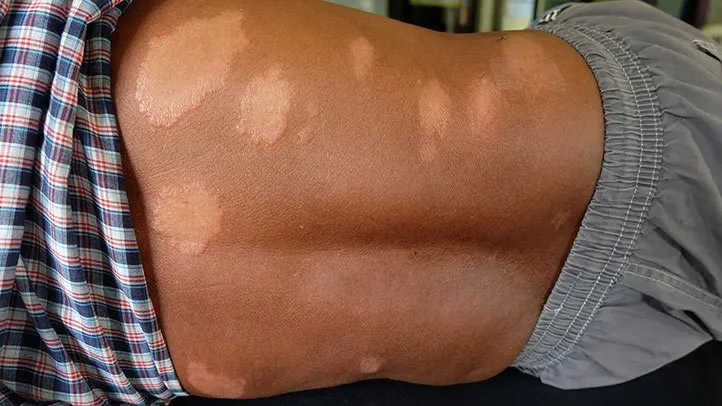
Skin changes are often the first noticeable sign. These may include pale, reddish, copper-colored, or darker patches of skin. The affected areas may feel numb, dry, or thickened. Some people develop nodules, plaques, or sores that do not heal well.
A classic clue is a skin patch with reduced sensation. For example, a person may notice a light-colored patch on the arm that does not feel hot, cold, pain, or touch the same way nearby skin does. That “numb patch” detail is important and should not be ignored.
Nerve Symptoms
Because leprosy affects peripheral nerves, symptoms may include numbness, tingling, burning sensations, muscle weakness, or enlarged nerves. Hands and feet are commonly affected. Someone may start dropping objects, tripping more often, or noticing weakness in fingers or toes.
Nerve damage can lead to injuries because the body’s warning system is muted. Pain is unpleasant, but it is also useful. Without it, a blister from tight shoes or a small burn from a hot pan can become a larger problem.
Eye and Nose Symptoms
Leprosy can affect the eyes and nasal lining. Symptoms may include dry eyes, eye irritation, vision problems, nasal congestion, nosebleeds, or changes inside the nose. Severe untreated disease may increase the risk of eye complications.
Advanced Symptoms
When leprosy is untreated for a long time, complications can include chronic ulcers, deformity, loss of eyebrows or eyelashes, clawing of fingers, foot drop, and vision problems. These complications are largely preventable with early diagnosis and treatment.
Types of Leprosy
Doctors classify leprosy in different ways. One practical system divides it into paucibacillary and multibacillary disease.
Paucibacillary Leprosy
Paucibacillary leprosy usually means there are fewer bacteria and fewer skin lesions. It may involve a small number of numb skin patches and limited nerve involvement. Treatment duration is often shorter than for more widespread disease.
Multibacillary Leprosy
Multibacillary leprosy involves more bacteria and more widespread symptoms. There may be multiple skin lesions, nodules, thickened skin, nerve involvement, and sometimes nasal or eye symptoms. Treatment usually lasts longer and may involve a combination of antibiotics over many months.
How Is Leprosy Diagnosed?
Leprosy diagnosis begins with a careful medical history and physical exam. A clinician will look for skin lesions, test sensation in affected areas, and check for thickened or tender peripheral nerves. They may ask about travel history, residence in areas where leprosy is more common, contact with someone diagnosed with Hansen’s disease, and possible armadillo exposure.
Skin and Nerve Examination
A doctor may gently test whether a patch of skin can feel light touch, temperature, or pain. Reduced sensation in a skin lesion is one of the most important clues. They may also examine nerves near the elbows, wrists, knees, ankles, and neck.
Biopsy and Laboratory Testing
A skin biopsy may be used to confirm the diagnosis. In some cases, tissue samples are examined under a microscope or tested with molecular methods. These tests help identify the bacteria and distinguish leprosy from other skin or nerve conditions.
Why Diagnosis Can Be Delayed
Because leprosy is rare in the U.S., many clinicians do not see it often. Symptoms can resemble eczema, fungal infections, autoimmune conditions, neuropathy, or other skin diseases. That means patients may spend months or years being treated for the wrong problem before someone connects the dots.
Leprosy Treatment: Can It Be Cured?
Yes. Leprosy is curable with antibiotics. Treatment usually involves multidrug therapy, meaning more than one antibiotic is used. This approach helps kill the bacteria effectively and reduces the risk of drug resistance.
Common medications may include rifampin, dapsone, and clofazimine. Depending on the case, other antibiotics may be used. Treatment length varies by disease type and severity, but it often lasts from several months to a year or longer. The exact plan should always be managed by a qualified healthcare professional.
Does Treatment Stop Leprosy From Spreading?
Once effective treatment begins, people with leprosy usually become noninfectious quickly. This is one of the most important facts for reducing fear. People receiving treatment generally do not need to be isolated from family, school, work, or normal life.
Treating Nerve Pain and Inflammation
Some people develop inflammatory reactions during or after treatment. These reactions can cause swelling, pain, skin changes, fever, or worsening nerve symptoms. Doctors may prescribe anti-inflammatory medicines or other treatments to protect nerves and prevent disability.
Rehabilitation and Protective Care
If nerve damage has occurred, care may include physical therapy, protective footwear, wound care, eye care, and hand or foot exercises. The goal is not only to cure the infection but also to help the person keep moving, seeing, working, and living as normally as possible.
How to Prevent Leprosy
There is no widely used routine leprosy vaccine in the United States. Prevention focuses on early diagnosis, prompt treatment, and monitoring close contacts of people diagnosed with Hansen’s disease.
Avoid Prolonged Exposure to Untreated Disease
The main prevention strategy is identifying and treating people with leprosy early. Once a person starts effective antibiotic therapy, the risk of spreading the disease drops sharply.
Use Common-Sense Precautions Around Armadillos
People in areas where armadillos may carry M. leprae should avoid handling them, hunting them, or having prolonged contact with their environment. Armadillos may look like tiny prehistoric tanks, but that does not make them safe to cuddle.
Seek Medical Care for Suspicious Symptoms
Anyone with unexplained numb skin patches, persistent skin lesions, nerve pain, weakness, or loss of sensation should see a healthcare provider. Early care can prevent long-term complications.
Living With Leprosy: What Patients Should Know
A leprosy diagnosis can feel frightening, especially because the disease has a long history of stigma. But modern Hansen’s disease is not a reason for shame. It is a bacterial infection, not a moral failure, not a curse, and not a reason for anyone to be treated as less than human.
People being treated for leprosy can often continue school, work, family life, and social activities. The most important steps are taking medications exactly as prescribed, attending follow-up visits, reporting new nerve symptoms quickly, and protecting numb areas from injury.
When to See a Doctor
Make an appointment with a healthcare provider if you notice skin patches that are numb, pale, reddish, dry, or persistent. Also seek care for unexplained tingling, weakness, loss of feeling in hands or feet, recurring wounds, or eye irritation with facial or skin changes.
If you have lived in or traveled to an area where leprosy is more common, or if you have had close contact with someone diagnosed with Hansen’s disease, mention that history. Doctors are smart, but they are not mind readers with stethoscopes.
Experiences and Real-Life Lessons Related to Leprosy
One of the most important experiences surrounding leprosy is not only medical but emotional. Many people who receive a diagnosis first react with fear, confusion, or embarrassment. That reaction is understandable because the word “leprosy” has been loaded with centuries of myths. People may worry that others will avoid them, that their family will be at risk, or that their future has suddenly shrunk. In reality, treatment can cure the infection, and patients who begin therapy are not the danger that old stories make them out to be.
Imagine a person who notices a pale patch on their forearm. It does not hurt, itch, or bleed, so they ignore it. Months pass. The patch remains, and one day they realize they cannot feel a hot mug touching that exact area. That is the type of clue that matters. Leprosy often whispers before it shouts. The lesson is simple: numb skin deserves attention. A small appointment today can prevent a much bigger problem later.
Another common experience is the long road to diagnosis. Because Hansen’s disease is rare in many parts of the United States, patients may first be told they have a rash, eczema, a fungal infection, or ordinary nerve trouble. Sometimes those guesses are reasonable at first. But when treatment does not work, symptoms continue, or numbness appears, it is worth asking whether a specialist such as a dermatologist, infectious disease physician, or neurologist should be involved.
For families, the experience can be a mix of concern and relief. Close contacts may need medical evaluation, but casual contact is not the threat many people imagine. Families do not need to panic, throw away dishes, or treat the diagnosed person like a walking biohazard. Support matters. A calm family member who says, “Let’s follow the treatment plan and get good information,” is more helpful than someone who starts disinfecting the sofa with the intensity of a crime-scene technician.
Patients also learn practical habits. If sensation is reduced in the feet, checking the skin daily becomes important. Shoes should fit well. Burns, cuts, blisters, and pressure spots should be treated early. If the hands are affected, protective gloves may help with cooking, gardening, or tools. These steps sound ordinary, but they can protect mobility and independence.
The social lesson may be the biggest one: language matters. Calling someone a “leper” is outdated and hurtful. A person has Hansen’s disease; they are not the disease. Stigma can delay diagnosis, discourage treatment, and isolate people who need care. The more accurately people understand leprosy, the less power old fear has.
In short, the lived experience of leprosy today is not the ancient horror story many people picture. It is a treatable infection that requires medical attention, patience, follow-up, and compassion. Early diagnosis protects nerves. Antibiotics cure the infection. Respect protects dignity. That combination is much stronger than fear.
Conclusion
Leprosy, or Hansen’s disease, is a rare but real bacterial infection that affects the skin, nerves, eyes, and nasal lining. It develops slowly, spreads only with close and prolonged exposure to untreated disease, and can be cured with antibiotics. The biggest danger is delayed diagnosis, because untreated leprosy can damage nerves and lead to long-term disability.
The best defense is awareness without panic. Numb skin patches, unexplained nerve symptoms, persistent lesions, and muscle weakness deserve medical attention. With early diagnosis, proper treatment, and supportive care, people with leprosy can live active, full lives. The disease may have an ancient reputation, but modern medicine has a much better ending.
Note: This article is for general educational purposes only and is not a substitute for professional medical advice, diagnosis, or treatment. Anyone with symptoms such as numb skin patches, persistent lesions, nerve pain, or muscle weakness should consult a qualified healthcare provider.