

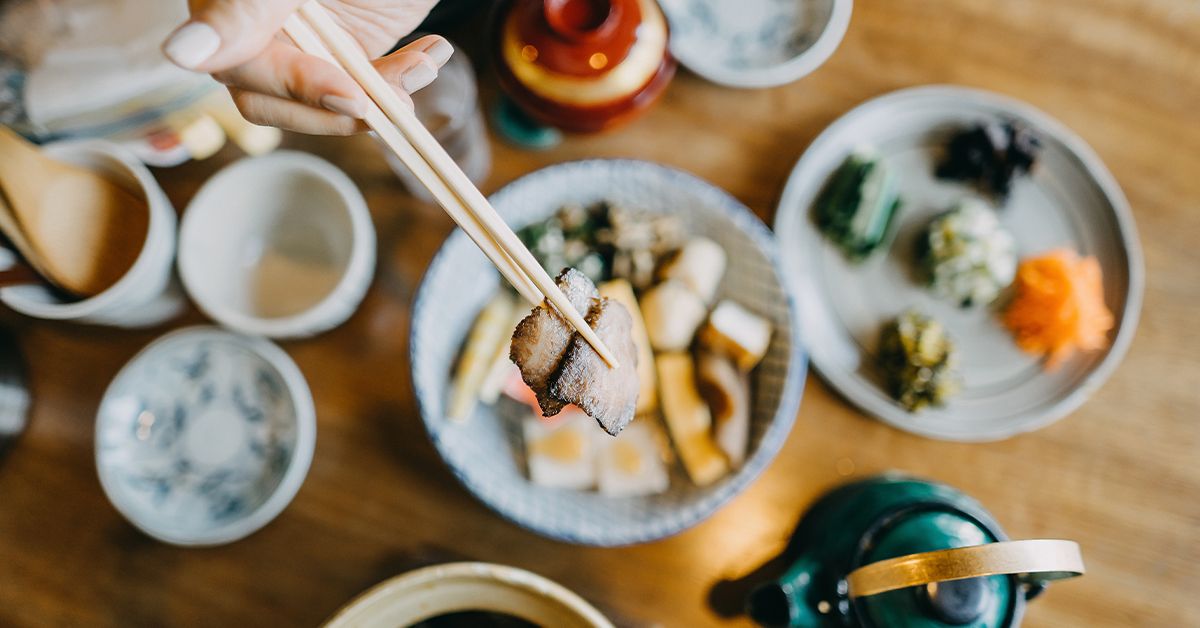
Most eating plans begin with a list of rules: count this, Shokuiku takes a different route. The Japanese concept is usually translated as “food education,” but that tidy phrase barely fits everything inside it. Shokuiku is about learning where food comes from, how it affects the body, how to prepare it, how to enjoy it with other people, and how to waste less of it.
In other words, shokuiku is not a trendy menu or a seven-day cleanse. It is a lifelong approach to food literacy. Children may encounter it through school lunches, gardens, cooking lessons, and conversations about local ingredients. Adults can practice it by planning balanced meals, cooking more often, eating attentively, sharing food, and understanding the environmental consequences of what lands on the plate.
Japan formally strengthened this idea through the Basic Act on Shokuiku, enacted in 2005. The law describes food education as gaining knowledge and practical judgment so people can make appropriate food choices throughout life. Japanese schools often use lunch as part of the lesson rather than treating it as an intermission involving mystery gravy. Does Shokuiku Mean?
The word combines shoku, meaning food or eating, with iku, meaning education or development. Its goal is not merely to teach which foods contain vitamin C. It aims to help people build the knowledge, habits, practical skills, and values needed to eat well.
That broad definition matters. Knowing that vegetables are healthy does not automatically put vegetables in Tuesday’s dinner. A person also needs shopping skills, basic cooking confidence, enough time, a workable budget, safe food-handling habits, and perhaps a strategy for persuading a suspicious six-year-old that broccoli is not a tiny hostile tree.
Shokuiku connects those pieces. It recognizes that eating is biological, social, cultural, economic, and environmental all at once. A meal can supply protein and fiber while also preserving a family recipe, supporting a local grower, reducing waste, and giving everyone a reason to put down their phones for 20 minutes.
The Main Principles of Shokuiku
1. Learn How Food Supports Health
A shokuiku-style meal does not require Japanese ingredients. The central idea is balance and variety: vegetables and fruits, staple carbohydrate foods, protein sources, and other foods suited to a person’s age, health, culture, and activity level. U.S. nutrition guidance similarly emphasizes nutrient-dense choices, varied food groups, and patterns that can be maintained over time rather than nutritional perfection at every meal. s education, not dietary micromanagement. One lunch may be beautifully balanced; another may be crackers eaten over the sink between meetings. Shokuiku focuses on the overall pattern and on developing skills that make nourishing meals easier tomorrow.
2. Build Practical Cooking Skills
Food knowledge becomes more useful when it can survive contact with an actual kitchen. Washing produce, reading labels, using a knife safely, cooking grains, seasoning vegetables, storing leftovers, and assembling a meal from pantry staples are all forms of food education.
Cooking gives children and adults valuable sensory experience. They see raw ingredients change color, texture, aroma, and flavor. Research reviews of children’s cooking programs suggest that hands-on classes may improve food-related attitudes, preferences, and behaviors, although program quality and long-term results vary. Major U.S. nutrition organizations also recommend age-appropriate kitchen involvement because it develops food skills alongside math, science, literacy, and coordination. t With Attention and Appreciation
Shokuiku encourages people to notice food rather than inhale it while answering email. Attention can include observing color and texture, chewing slowly, recognizing hunger and fullness, and acknowledging the labor and natural resources behind a meal.
This overlaps with mindful eating, which asks diners to engage the senses, reduce distractions, and pay attention to satisfaction. It is not a guaranteed weight-loss technique, and it should not become another set of rigid rules. Its value is simpler: meals become experiences instead of background noise. are Meals and Food Knowledge
Family and community meals are important in shokuiku because food skills and values are often passed from person to person. A child learns how to peel an orange, season soup, or behave at the table because someone demonstrates it. Adults learn too; many treasured recipes begin with the highly precise instruction, “Add enough until it looks right.”
Studies consistently associate more frequent or higher-quality family meals with healthier dietary patterns and several social or emotional benefits. These findings do not prove that dinner together magically solves every problem, and a peaceful shared breakfast counts just as much as an elaborate evening meal. The useful lesson is that regular, low-pressure meals can create space for connection and learning. spect Food Culture and Seasonality
Shokuiku treats food traditions as living knowledge. Seasonal dishes, preservation methods, regional ingredients, and family customs teach people how communities adapted to climate, agriculture, and available resources.
You do not need to replace your pantry with miso, seaweed, and a rice cooker to participate. An American household might explore Indigenous corn varieties, learn a grandparent’s bean recipe, buy summer tomatoes at their peak, or compare how different cultures build a balanced bowl. The point is curiosity, not culinary cosplay.
6. Reduce Waste and Understand the Food System
Food education includes what happens before and after eating. Planning meals, checking the refrigerator before shopping, storing ingredients correctly, repurposing leftovers, and composting appropriate scraps can reduce wasted food and wasted money.
The U.S. Environmental Protection Agency recommends many of these same household practices and specifically encourages involving children in planning, shopping, cooking, and managing leftovers. Those activities help explain that discarded food also represents wasted water, energy, money, transportation, and human labor. tial Benefits of Practicing Shokuiku
The strongest benefit may be competence. People who know how to choose, prepare, and store food have more options than people who rely entirely on packaged meals or restaurant menus. Home cooking is not automatically healthydeep-fried butter remains deep-fried butterbut studies have linked greater involvement in meal preparation with better diet quality in some groups. ildren, early exposure to varied foods and positive mealtime experiences may support healthier preferences later. Japanese observational studies have also found associations between nutrition education during school years and more balanced eating or healthier lifestyle behaviors in young adulthood. Because these studies are observational, they show relationships rather than proof that shokuiku alone caused the outcomes. ku may also make healthy eating feel less punitive. Instead of sorting food into morally “good” and “bad” categories, it asks practical questions: What does this food provide? How was it produced? How does it fit with the rest of the meal? Do I enjoy it? What portion satisfies me? Can the leftovers become tomorrow’s lunch?
That mindset can support sustainability, cultural connection, family communication, and confidence in the kitchen. It may even reduce the daily drama of deciding what to eat because a person with 10 dependable meal formulas is less likely to stare into the refrigerator as though it owes them an answer.
What Shokuiku Is Not
Shokuiku is not synonymous with the traditional Japanese diet, although Japanese dietary customs naturally influence how it is practiced in Japan. It does not require eating fish every day, mastering bento-box geometry, or stopping at a precise percentage of fullness.
It is also not a medical treatment, a detox, or a promise of weight loss. People with diabetes, kidney disease, food allergies, gastrointestinal conditions, pregnancy-related needs, or other medical concerns may require individualized advice from a physician or registered dietitian nutritionist.
Finally, shokuiku should not be used to make meals anxious or controlling. Constantly grading a child’s plate, banning culturally important foods, or turning every bite into a lecture can damage the relaxed curiosity the approach is supposed to build. Education works better with participation, repeated exposure, and choice than with shame.
How to Try Shokuiku at Home
Start With One Meal, Not a Lifestyle Overhaul
Choose one meal you eat regularly and improve the process around it. For breakfast, you might add fruit, compare two whole-grain cereals, and sit down for 10 screen-free minutes. For dinner, invite another household member to select a vegetable or help prepare a sauce.
Use a Simple Meal Formula
Build meals from a vegetable or fruit, a protein source, and a satisfying staple such as rice, potatoes, corn, pasta, oats, or whole-grain bread. Add dairy or an alternative when appropriate, plus flavor from herbs, spices, sauces, nuts, seeds, or healthy oils.
This flexible structure works with tacos, curry, pasta, grain bowls, soup, sandwiches, and leftovers wearing a convincing new disguise. It is a framework, not a culinary constitution.
Assign Real Kitchen Jobs
Young children can rinse produce, tear greens, or stir cool ingredients. Older children can measure, chop with supervision, read recipes, and help plan a meal. Adults who are learning can begin with three techniques: roast a tray of vegetables, cook a pot of grains, and make one versatile protein or bean dish.
Ask Better Questions at the Table
Replace “Is this healthy?” with questions that invite thought: Where did this ingredient come from? What flavors do you notice? How could we use the leftovers? What would make the meal more filling? Which family or cultural tradition does it connect to?
With children, avoid demanding that they finish or praise every food. Let them observe, smell, touch, and taste without turning dinner into a courtroom trial.
Practice Food Safety
Food education must include safe handling. The U.S. Food and Drug Administration summarizes the essentials as clean, separate, cook, and chill: wash hands and surfaces, prevent cross-contamination, cook foods to safe temperatures, and refrigerate perishables promptly. A beautiful family cooking project loses some charm when everyone meets food poisoning. for Less Waste
Before shopping, check the refrigerator, freezer, and pantry. Plan two or three meals around ingredients that need to be used first. Designate one weekly “remix meal” for leftovers: cooked vegetables can become soup, rice can become a grain bowl, and roasted chicken can become tacos.
Label leftovers with dates so they do not enter the witness-protection program at the back of the refrigerator.
Should You Try Shokuiku?
For most people, yesespecially if the idea is treated as a flexible educational practice rather than a strict Japanese diet. Shokuiku can be useful for families raising children, adults who never learned to cook, people trying to make meals more mindful, and households interested in reducing waste.
Its biggest strength is that it focuses on capability instead of compliance. A rigid diet can disappear the moment motivation fades. Food literacy remains useful at the grocery store, in a small apartment kitchen, during a busy week, and while traveling. You can adapt it to your budget, health needs, culture, schedule, and favorite foods.
The approach may be less suitable when someone is in active recovery from an eating disorder and food-focused projects increase anxiety. In that situation, any nutrition practice should be coordinated with qualified clinicians. Likewise, people with complex medical diets should use shokuiku as a way to understand and carry out professional guidance, not replace it.
A Realistic One-Week Shokuiku Experience
Imagine a household trying shokuiku for one week without buying special equipment or transforming the kitchen into a television studio. On Sunday, everyone checks the pantry and discovers three cans of beans, half a bag of rice, carrots, eggs, yogurt, and an alarming number of condiments. Instead of beginning with recipes, they begin with what already exists. They plan bean-and-vegetable tacos, fried rice with eggs, yogurt-and-fruit breakfasts, and a soup designed to rescue the carrots.
The first noticeable change is not nutritional; it is organizational. Monday’s dinner requires less debate because the ingredients have a job. One adult chops vegetables while a child rinses beans and chooses between cumin and smoked paprika. The child chooses both, with the confidence of a tiny celebrity chef. At the table, the family talks about where beans grow and why dried beans usually cost less than meat. Nobody delivers a speech about “clean eating.” The food is simply connected to agriculture, money, flavor, and health.
Tuesday’s experiment is mindful breakfast. Phones stay away for 10 minutes, and everyone describes one texture or flavor. This sounds painfully wholesome until someone declares oatmeal “warm wallpaper.” That comment becomes useful data. Chopped apple and toasted nuts improve the texture the next day. Shokuiku works best when tasting is treated as investigation, not obedience.
By Wednesday, the novelty fades. Work runs late, and the planned meal feels ambitious. Instead of declaring the project ruined, the household makes scrambled eggs, toast, sliced tomatoes, and fruit. The lesson is quietly important: a balanced meal can be simple. Food education should make everyday eating easier, not create a second unpaid job called Director of Dinner Excellence.
Thursday focuses on food safety and leftovers. A teenager learns why raw chicken needs its own cutting board and how to use a food thermometer. Cooked rice is cooled and refrigerated promptly. Containers receive dates. These tasks are not glamorous, but practical confidence often grows from boring details performed correctly.
Friday becomes a cultural-food night. A family member teaches everyone how to prepare a dish remembered from childhood. The recipe is not nutritionally optimized; it contains butter and a generous amount of cheese. Rather than “fixing” it, the household serves it with vegetables and enjoys the story behind it. Shokuiku leaves room for celebration foods because culture and pleasure are parts of healthy eating, not clerical errors.
On Saturday, leftovers become lunch. Taco beans, rice, roasted vegetables, and a quick sauce turn into bowls. The refrigerator looks emptier, the grocery bill has not performed acrobatics, and less food is discarded. Everyone names one thing learned: how to sharpen a peeler, how cumin smells, how much rice to cook, and why meal planning prevents the 6 p.m. panic order.
After seven days, nobody has achieved dietary enlightenment. There are still snack wrappers in the trash and one lonely carrot in the drawer. Yet the household has improved several durable skills: planning from available food, sharing kitchen work, tasting with curiosity, handling ingredients safely, connecting meals to culture, and using leftovers deliberately. That modest result captures shokuiku better than any perfect plate could.
Conclusion
Shokuiku is best understood as education for everyday eating. It combines nutrition knowledge with cooking, mindful attention, shared meals, cultural understanding, food safety, and environmental responsibility. Its purpose is not to make every meal flawless. It is to help people make informed, practical choices more oftenand understand why those choices matter.
You can try it without adopting a Japanese menu or buying anything new. Start with one shared meal, one cooking skill, one conversation about an ingredient, or one plan for using leftovers. Over time, those small lessons can create something more valuable than a short-lived diet: confidence around food.
Note: This article offers general educational information and is not a substitute for individualized medical or nutrition advice. It synthesizes Japanese government materials, U.S. public-health guidance, academic nutrition resources, pediatric recommendations, and peer-reviewed research.