

Introduction
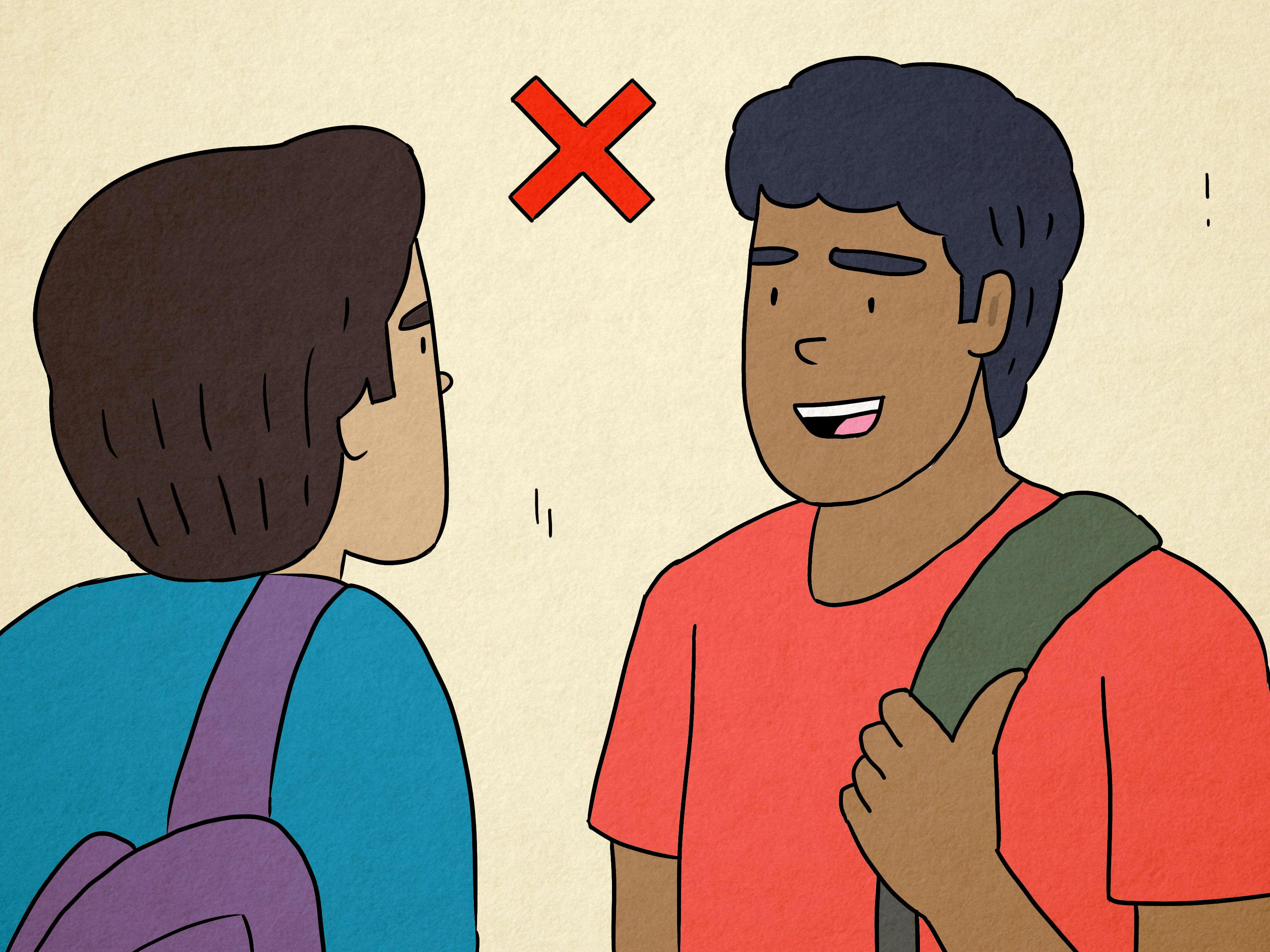
Almost every student has had that moment: the bell is about to ring, your motivation is underground, your backpack feels like it was packed by a vindictive weightlifter, and the idea of disappearing for an hour sounds deeply, spiritually correct. Wanting to avoid class is common. Learning how to deal with that feeling in a healthy way is the real skill.
This guide is for students who feel tempted to wander the halls, avoid class, or check out mentally. Instead of turning that impulse into a bigger problem, this article explores practical ways to handle school stress, boredom, anxiety, burnout, social pressure, and overwhelm without making your day harder. If your goal is to survive school with your dignity, attendance, and future intact, welcome aboard.
Why Students Feel Like Skipping Class in the First Place
The urge to skip class usually is not about laziness. More often, it is about something deeper. Understanding the reason matters because the fix for boredom is different from the fix for panic.
1. Burnout and exhaustion
Some students are simply running on fumes. Early mornings, late-night homework, sports, jobs, family responsibilities, and nonstop pressure can make one class feel like the final boss battle.
2. Anxiety and social stress
For some students, walking into class feels harder than taking the test inside it. Fear of public speaking, group work, bullying, awkward peer dynamics, or teacher conflict can make avoidance feel tempting.
3. Academic frustration
When students feel behind, confused, or embarrassed, they may avoid class because showing up feels like shining a spotlight on what they do not understand.
4. Boredom and disengagement
Not every class is thrilling. Some feel slow, repetitive, or disconnected from real life. When students stop seeing the point, motivation starts packing its bags.
5. Personal issues outside school
Family stress, money problems, health concerns, friendship drama, and other private struggles can make regular school demands feel impossible on certain days.
Why Skipping Class Usually Backfires
Skipping may sound like a tiny act of freedom, but it often creates a much bigger mess. One missed class can become missing notes, missing participation, missed quizzes, awkward explanations, and more anxiety the next time around. In other words, the short-term relief can turn into a long-term headache wearing sneakers.
Attendance issues may also affect grades, extracurricular eligibility, teacher trust, and communication with parents or guardians. Even when nothing dramatic happens, the emotional weight can stack up fast. Students who skip often do not feel relaxed afterward. They feel stressed, guilty, and behind.
Healthier Alternatives When You Want to Avoid Class
Pause before reacting
Before making a fast decision, stop and name what you are feeling. Are you tired, anxious, angry, embarrassed, overstimulated, or just done with humanity for the day? Putting a label on the problem can help you choose a real solution instead of a panic move.
Use an approved break if your school allows it
Some schools have counselors, wellness offices, student support rooms, or nurse visits for a reason. If you genuinely need a short reset, use the systems that exist. Taking an approved break is very different from disappearing and creating bigger trouble.
Talk to the teacher briefly
A short, honest conversation can go a long way. You do not need a dramatic speech. Something as simple as, “I’m having a rough day and I’m trying to stay focused,” can help a teacher understand what is going on. Many teachers respond better to honesty than avoidance.
Ask for help before you fall farther behind
If the class itself is the problem, the solution may be academic support. Ask for missing notes, extra practice, office hours, tutoring, or a chance to redo an assignment. Feeling lost does not mean you are bad at the subject. It usually means you need a different approach.
Use grounding strategies for anxiety
If your urge to leave is driven by anxiety, try small techniques that calm your body quickly. Slow breathing, counting objects in the room, unclenching your jaw, relaxing your shoulders, or writing down one manageable next step can help reduce the sense of panic.
How to Handle School Stress Without Disappearing
Create a “bad day” plan
Students often do better when they plan for rough days before rough days happen. A simple plan might include texting a trusted adult, sitting near a supportive classmate, visiting the counselor during lunch, using a breathing exercise before class, and asking one teacher for flexibility if needed.
Break the day into smaller pieces
Thinking about surviving an entire school day can feel overwhelming. Thinking about surviving the next twenty minutes is easier. Focus on one period, one assignment, or one conversation at a time.
Lower the perfection pressure
Many students skip mentally or physically because they feel they cannot perform perfectly. That standard is exhausting. Showing up imperfectly is still better than vanishing completely. A messy effort often beats a polished absence.
Use support systems early
Reach out before everything becomes a five-alarm fire. Teachers, counselors, coaches, school psychologists, advisors, nurses, and family members can only help if they know something is wrong.
What to Say If You Need Legitimate Help
Sometimes the hardest part is not the problem. It is starting the conversation. Here are a few clear, respectful ways to ask for help:
To a teacher
“I’ve been having a hard time focusing lately. Can we talk about how I can catch up?”
To a counselor
“I’m feeling overwhelmed and it’s affecting my classes. I need help making a plan.”
To a parent or guardian
“I’m not trying to avoid school for no reason. I’m struggling, and I need support.”
To yourself, honestly
“Something feels off. Avoiding it might feel easier right now, but dealing with it will help me more.”
How Schools and Families Can Help
Students do better when adults treat avoidance as a signal, not just a rule violation. Sometimes a student needs accountability. Sometimes they need support. Most of the time, they need both. Clear expectations, calm conversations, and realistic solutions work better than shame and lectures that sound like movie villains.
Parents and educators can help by watching for patterns, asking open-ended questions, encouraging better sleep habits, checking workload balance, and taking emotional distress seriously. A student who suddenly wants to avoid school may be dealing with much more than “not feeling it.”
Signs the Problem May Be Bigger Than One Class
If a student repeatedly wants to avoid school, it may be time to look deeper. Warning signs can include frequent stomachaches before school, constant dread, slipping grades, social withdrawal, panic symptoms, irritability, unexplained absences, or ongoing sleep problems.
When those patterns show up, support from a counselor, mental health professional, or trusted adult may be more useful than another pep talk and a granola bar.
Real-Life Examples of Better Choices
The overwhelmed student
A student falling behind in math feels tempted to skip because class has become embarrassing. Instead of avoiding it, they email the teacher, ask for extra help, and spend lunch twice a week reviewing the material. The class does not magically become fun, but it becomes manageable.
The anxious student
A student dreads presentations and wants to disappear on speech day. Instead, they tell the teacher ahead of time that they are anxious and ask whether they can present earlier, use notes, or practice after school. The fear is still there, but the support makes it less crushing.
The burned-out student
A student with sports practice, homework, and little sleep starts fantasizing about avoiding third period forever. Instead of wandering the halls, they meet with a counselor, adjust their schedule, and build a better routine for sleep and study time.
Student Experiences and Lessons Learned
Many students who think about skipping class are not trying to rebel for the fun of it. They are trying to escape discomfort. That discomfort may come from stress, fear, exhaustion, or simply feeling invisible in a system that moves fast and rarely asks, “Are you okay?”
One common experience is the student who thinks missing one class will solve everything. In the moment, it feels clever. There is a thrill in imagining a secret break from rules, noise, and pressure. But the emotional math often fails. Instead of relief, the student spends the rest of the day checking the clock, worrying about attendance, wondering what was missed, and trying to act normal while feeling anything but normal.
Another experience involves students who are not trying to leave school physically but have already checked out mentally. They sit in class, stare at the board, and absorb exactly zero information because stress has eaten all available brain space. These students may look present, but internally they are miles away. What helps them most is not being told to “just focus.” What helps is support, structure, and one clear next step.
Some students describe school avoidance as something that sneaks up slowly. At first, they dread one class. Then a hallway. Then lunch. Then the whole building starts to feel heavy. What begins as occasional avoidance can become a pattern if nobody notices the reason underneath it. That is why early support matters. A student does not need to wait until things fall apart to ask for help.
There are also students who realize that what they really want is not to skip class at all. They want a break, a conversation, a reset, or a chance to be treated like a person instead of a machine with homework. Once they explain what is going on to a trusted adult, the situation often becomes less dramatic and more fixable. A class change, counseling support, tutoring, deadline flexibility, or simply being heard can make a huge difference.
One important lesson many students learn the hard way is that avoiding a problem usually lets it grow teeth. The class you miss becomes the class you fear more next time. The assignment you ignore becomes the grade that scares you. The teacher you avoid becomes the conversation you dread. On the other hand, one honest conversation can shrink a problem faster than three days of pretending it does not exist.
Students who come through these experiences successfully often report the same thing: what helped was not some secret trick. It was having a plan. Maybe they texted a parent before first period. Maybe they told a counselor they were spiraling. Maybe they sat near a friend, used breathing exercises, or asked for five extra minutes before speaking in class. Tiny strategies can have a surprisingly big payoff.
The biggest takeaway is simple. Wanting to run from school stress does not make a student lazy, dramatic, or bad. It makes them human. But turning that feeling into a habit of avoidance usually creates more stress, not less. The better move is to treat the feeling as information. Ask what it is trying to tell you. Then respond with support, honesty, and a practical next step.
Conclusion
If you feel like wandering the school or skipping class, the issue is usually not the hallway. It is the pressure, fear, exhaustion, or frustration pushing you toward the hallway in the first place. The goal is not to become better at escaping school. The goal is to become better at handling what school is throwing at you.
Talk to someone. Make a plan. Ask for support before things snowball. You do not need to be fearless to get through a hard school day. You just need one honest step in the right direction.