

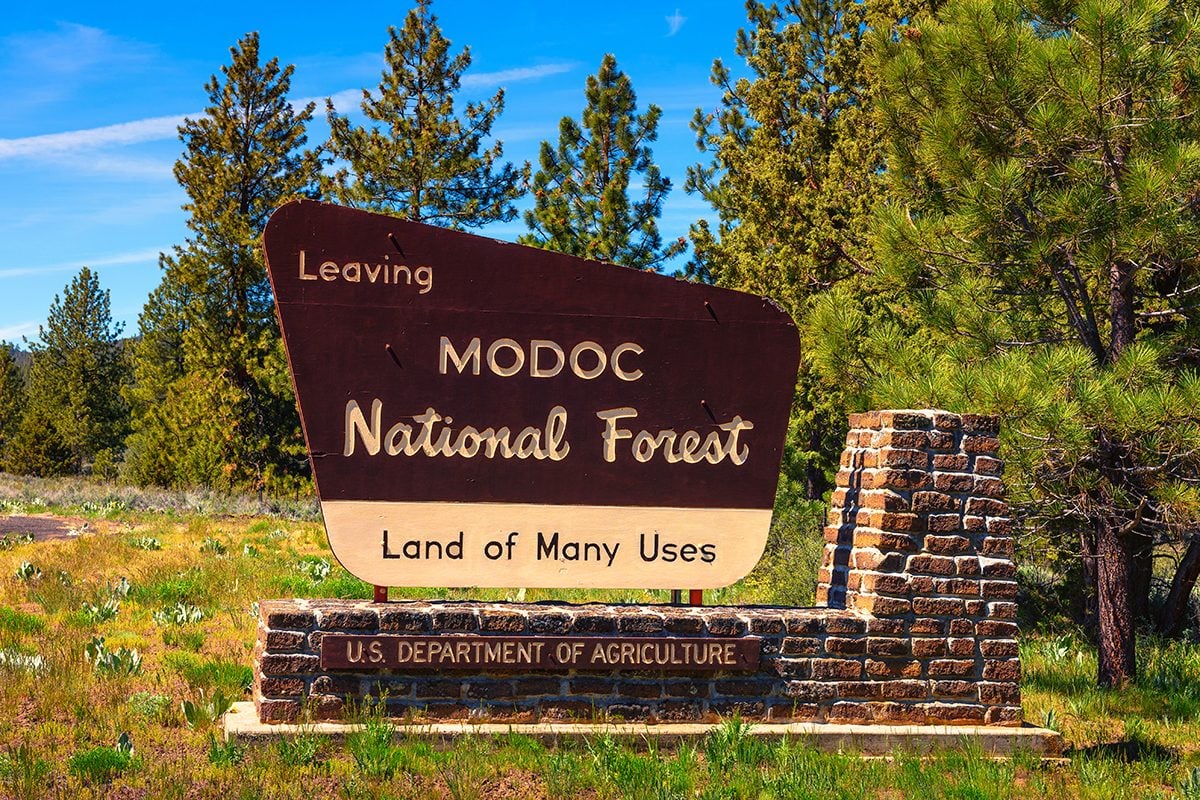
Public land is America’s backyard, but it is not America’s giant self-checkout aisle. That shell on the beach, that antler by the trail, that cool chunk of petrified wood, that “nobody will miss it” mushroom patch, that suspiciously charming old bottle sticking out of the dirt, all of it lives under rules that can change fast depending on where you are standing. On one side of an invisible boundary, something may be perfectly legal to gather. On the other side, it can become a ticket, a confiscation, or a very awkward conversation with a ranger who has heard “but it was just one little rock” more times than any human should.
If you want the simplest takeaway, here it is: public land is not one category. “State land” and “federal land” are umbrellas, not answers. National parks, national forests, Bureau of Land Management land, wildlife refuges, state parks, state forests, recreation areas, and historic sites all play by different rules. Some places are strict preservation zones. Some allow limited personal-use collecting. Some require permits. Some allow foraging but not removal. Some allow removal of one thing and ban five things that look almost identical. In other words, the safest move is not to ask, “Can I take this from public land?” but rather, “Can I take this from this exact place under these exact rules?”
This guide breaks down what you can and can’t usually take from state and federal land, why the answer changes so much, and how to avoid turning a relaxing day outdoors into a lesson in land-management law. Because nature is calming, but citations from an enforcement officer are not.
The Rule That Saves the Most Trouble: Know What Kind of Land You’re On
When people say “public land,” they often lump everything together. That is where the confusion starts. A national park is generally managed for preservation first. A national forest is often managed for multiple uses, which can include recreation, timber, grazing, and some personal-use gathering. BLM land is often more flexible for certain noncommercial collecting activities, especially rocks, mineral specimens, and some common fossils. National wildlife refuges are usually much stricter about disturbing wildlife and removing natural objects. State lands are the wild card: one state may ban removal of natural materials in most parks, while another may allow hand-picked berries or mushrooms for personal use in certain areas.
That means your legal answer changes with the sign at the trailhead. A pinecone in a national park may be a hard no. A mushroom in a national forest may be fine in a small amount, or fine only with a permit, or not fine at all in that district. A rock on BLM land may be collectible for personal use, but an arrowhead a few feet away is absolutely not your new dashboard decoration. This is why experienced foragers, rockhounds, and hunters obsess over maps, district offices, compendiums, and permit pages. They are not being fussy. They are staying legal.
What You Usually Can’t Take
1. Artifacts, arrowheads, pottery, bottles, and anything archaeological
Let’s begin with the easiest category: if it looks historical, old, buried, or culturally significant, leave it alone. That includes arrowheads, projectile points, pottery shards, beads, old cans, glass bottles, mining relics, historic hardware, fossils associated with protected sites, and basically any object that seems like it could teach archaeologists something about the people who were there before you. Federal law protects archaeological resources on public lands, and that protection does not vanish because the item was lying on the surface or because you swear you were going to “give it a good home.” Its home is the site where it was found.
The reason is bigger than ownership. Context matters. Once an object is removed from where it was discovered, scientists and land managers lose information about age, use, trade, burial patterns, migration, and site integrity. One artifact removed by one visitor may seem trivial. Multiply that by thousands of visitors and the record gets shredded. So if you find something old and interesting, admire it, photograph it, note the location if appropriate, and leave it exactly where it is.
2. Bird feathers, eggs, nests, and most wildlife parts
Yes, even the pretty feather that was just sitting there being all photogenic. Many people are surprised to learn that keeping feathers, nests, eggs, or parts from most native migratory birds can be illegal, even if you found them on the ground and did not harm the bird. Wildlife laws are built to reduce poaching, trafficking, and disturbance, and they do not depend on whether your souvenir seems innocent.
The same caution applies to antlers, bones, skulls, shells containing living organisms, and other animal parts. In some federal units, the regulations are very explicit: you may not possess, remove, or disturb living or dead wildlife or their parts unless a specific exception applies. Some refuges or districts may allow shed antler collection for personal use, while other units prohibit antler collection entirely. So if you find a perfect shed antler and immediately picture it mounted over the fireplace, pause. The law may picture it staying right where it dropped.
3. Rocks, sand, petrified wood, fossils, and minerals in parks and protected sites
This is where people get tripped up because the rules are not uniform. In many national parks and state parks, removing rocks, sand, minerals, and fossils is prohibited. That dreamy little jar of colorful desert sand? Bad idea in a lot of parks. A chunk of petrified wood from a protected area? Definitely not a “cute souvenir.” The same goes for crystals, geodes, and fossils in areas managed primarily for preservation.
And before anyone says, “It was just one rock,” land agencies have been dealing with “just one rock” logic for decades. If every visitor took one, iconic places would slowly turn into stripped-down versions of themselves. Public land management is basically one long battle against death by a million adorable keepsakes.
4. Flowers, plants, roots, branches, and decorative greenery
Wildflowers are for looking, not bouquet assembly. In many state parks and national parks, picking, cutting, digging, removing, or damaging plants is prohibited unless a permit specifically allows it. That includes flowers, ferns, moss, branches, pine boughs, seedlings, roots, bulbs, and decorative greenery people like to imagine will become a rustic centerpiece at home.
Plants are not spare parts. They stabilize soil, feed pollinators, reproduce, provide habitat, and help the whole ecosystem function. Removing just the “pretty part” is often more damaging than people realize. And no, saying “I only took a little” does not impress a ranger, a botanist, or the trillium you decapitated.
5. Anything from caves, burial areas, or sensitive habitat
Some places are extra protected because they are especially fragile. Cave resources, nest areas, archaeological sites, wetlands, dunes, and rare-plant habitats often come with stricter rules. Even on lands that allow some collecting, certain areas may be closed altogether. If a place is posted, fenced, seasonally closed, or identified as sensitive habitat, assume the answer is no unless a posted rule clearly says otherwise.
What You Sometimes Can Take, If the Rules Say Yes
1. Edible berries, nuts, mushrooms, and similar wild foods
This is one of the most common gray areas in public-land rules. On some federal and state lands, limited foraging for personal consumption is allowed. On others, it is restricted, permit-based, or banned. National forests often allow some personal-use mushroom or berry gathering, but the limits can vary wildly by forest or district. One forest may allow a small amount without a permit. Another may require a free-use permit. Another may allow removal only up to a daily or annual limit. Some national park units also allow small hand-gathered amounts of berries, nuts, or mushrooms, but only because a park-specific rule says so. The default in many park settings is still “leave it there unless the compendium says otherwise.”
State lands vary just as much. Some state properties allow hand-picked edible fruits, nuts, asparagus, watercress, or mushrooms for personal consumption. Some state park systems allow small quantities of berries or mushrooms unless otherwise posted. Others protect nearly all plant life from removal. Translation: if your dream day includes chanterelles and a woven basket, your first stop should be the official land manager’s website, not your basket.
2. Dead and down firewood for immediate campsite use
On some BLM lands and in some national forests, gathering a small amount of dead and down wood for immediate campfire use may be allowed, especially in designated camping areas and where no posted restriction says otherwise. But taking wood home is another matter. Removing firewood from public land often requires a permit, even if the wood is already on the ground looking like it has emotionally accepted its fate.
Some forests issue personal-use firewood permits with quantity limits, approved cutting areas, tool rules, and transport requirements. Special forest-product rules can also govern items like Christmas trees, transplants, boughs, and decorative greenery. If you plan to load wood into your truck instead of a fire ring, assume you need to read the local permit page before you make that trip.
3. Some rocks, gemstones, petrified wood, and common invertebrate fossils on certain BLM lands
This is the rare category that makes rockhounds smile. On many BLM-managed public lands, members of the public may generally collect reasonable amounts of rocks, mineral specimens, and semiprecious gemstones for noncommercial personal use, subject to local closures and site-specific limits. BLM also allows personal-use collection of reasonable amounts of common invertebrate fossils and plant fossils, and it allows limited petrified wood collection under established quantity limits in many settings.
But this is not a free-for-all with a shovel and big weekend energy. Commercial use is different. Surface disturbance must remain minor. Power equipment is generally off the table. Closures, monument rules, wilderness conditions, local field-office restrictions, and quantity limits still matter. And vertebrate fossils are a hard no without authorization. If it looks like a dinosaur bone, congratulations: you have found something you absolutely should not toss in a backpack.
4. Special forest products with a permit
Across national forests and some state forests, “special forest products” may include mushrooms, floral greens, transplants, cones, boughs, moss, beargrass, medicinal plants, or other non-timber products. These are often regulated through personal-use or commercial permits. In some places, personal-use harvesting is allowed in modest amounts. In others, even personal-use collecting requires a permit and map. The permit is not bureaucracy for sport. It helps agencies manage demand, reduce habitat damage, track harvest pressure, and protect species that can be over-collected fast.
How the Major Land Categories Usually Work
National Parks and many State Parks: preservation first
If you want a practical rule, treat national parks and most state parks as no-take places unless the rules specifically carve out an exception. That means no rocks, no antlers, no wildflowers, no arrowheads, no driftwood bundle for your beach-house aesthetic, and no “tiny souvenir” logic. Some units do allow limited edible berries, nuts, mushrooms, or unoccupied shells for personal use, but those are exceptions written into unit-specific rules. The safest default is simple: take photos, take memories, take a snack you packed yourself.
National Forests and BLM lands: more flexible, still regulated
These lands are where people often find lawful opportunities to gather mushrooms, berries, firewood, Christmas trees, rocks, gemstones, petrified wood, or common fossils. But flexibility is not the same as a blank check. Forest supervisors, ranger districts, and BLM field offices can impose their own limits, seasons, permit requirements, closures, and maps. This is the public-land version of “yes, but read the fine print.”
National Wildlife Refuges: wildlife comes first
Refuges are managed primarily to protect wildlife and habitat, so the rules tend to be stricter about disturbance and collection. Many refuges prohibit collecting natural objects, plants, minerals, and animal specimens, though some specific refuges allow limited activities like personal-use mushroom gathering in designated open areas or shed antler collection under refuge rules. If the word “refuge” is on the sign, do not assume your favorite foraging rules from a state forest or national forest apply there.
State land: fifty different legal personalities
State parks, state forests, state natural areas, wildlife management areas, trust lands, and recreation lands can all follow different rules even within the same state. One state may broadly prohibit removal of natural resources in state parks. Another may allow mushrooms and berries for personal use. Another may allow some special forest products in state forests but not in parks. This is why broad internet advice like “you can always forage on state land” should be treated the same way you would treat a mushroom identified by your cousin’s roommate: with caution.
How to Check Before You Pocket Anything
Use this short checklist before collecting anything from public land:
- Identify the exact agency: NPS, USFS, BLM, USFWS, state park system, state forest agency, or another land manager.
- Check the unit-specific rules: compendium, district page, field-office page, refuge brochure, or park regulations page.
- Look for permits: firewood, mushrooms, floral greens, Christmas trees, special forest products, and commercial harvesting often require them.
- Watch for posted closures: seasonal wildlife closures, monument restrictions, wilderness rules, archaeological protections, and habitat areas can override general collecting rules.
- Know the limits: personal use, daily volume, annual caps, tool restrictions, transport rules, and age requirements may all apply.
- When still unsure, do not take it: the cheapest legal advice in the woods is leaving the thing where you found it.
Common Mistakes People Make
Mistake one: assuming “natural” means unregulated. In reality, the most natural-looking things are often the most protected. Mistake two: confusing “I found it loose” with “I can keep it.” Feathers, antlers, nests, fossils, and artifacts do not become legal souvenirs just because they were not attached to something when you found them. Mistake three: believing all public land works the same way. It does not. Mistake four: ignoring permits because the amount seems small. On many lands, the permit matters more than the size of the pile. Mistake five: trusting old forum posts instead of current official rules. Public-land rules change, and local restrictions matter.
Field Notes: What This Looks Like in Real Life
Spend enough time outdoors and you start seeing the same public-land misunderstandings on repeat. A family finds a beautiful antler beside a trail in a protected park and thinks they have won the hiking lottery. A ranger explains that wildlife parts must stay in place because the law protects them and because those materials still play a role in the ecosystem. The kids are disappointed for about six minutes, then they discover that carrying the antler would have been annoying anyway. They leave with photos instead, which turns out to be lighter and far less likely to trigger paperwork.
Then there is the enthusiastic mushroom hunter who does one smart thing before heading out: they check the district page. Good move. They learn the forest allows personal-use harvesting, but only with a permit and only up to a set daily amount. They print the permit, carry the map, stay in the open harvest area, and cut only what they can identify with confidence. Same forest, same mushrooms, completely different outcome from the person who assumes “woods equal free dinner.” One person gets chanterelles. The other gets a lesson in why “I didn’t know” is not a permit category.
Rockhounds see this too. On certain BLM lands, a collector can legally gather reasonable amounts of rocks or mineral specimens for personal use. That sounds simple until you realize “reasonable,” “noncommercial,” and “open to collection” all matter. The careful collector checks whether the area is closed, stays out of archaeological sites, uses hand tools appropriately, and takes a modest amount. The reckless collector digs like they are auditioning for a treasure-hunting show and ends up crossing into behavior the rules absolutely do not allow. Same hobby, wildly different judgment.
State land creates its own comedy. A couple at a state park beach spots a pile of pretty shells and driftwood and starts planning a centerpiece before they have even reached the parking lot. A sign near the trailhead explains that removal of natural features is prohibited. Suddenly that “free coastal décor” turns into “stuff that belongs to the park.” In another state, a different couple in a state forest may legally hand-pick berries for personal use and head home with purple fingers and a pie plan. The difference is not luck. It is the rule set.
The most experienced people on public land tend to develop the same habit: they stop treating the landscape like a store and start treating it like a library. You can enjoy it, learn from it, even use some parts of it when the rules allow, but you do not get to walk off with whatever catches your eye. They photograph feathers instead of collecting them. They leave arrowheads where they lie. They check maps before foraging. They read permit limits before cutting wood. They know that the real flex is not bringing home the biggest haul; it is knowing the land well enough to enjoy it without damaging it or violating the rules.
That mindset also makes outdoor trips better. Once you stop asking, “What can I take?” and start asking, “What is this place trying to protect?” the rules make more sense. Antlers feed rodents. Dead wood shelters insects. Flowers seed future blooms. Artifacts tell stories. Even the humble rock may be part of a geologic feature thousands of visitors came to see intact. Public land works because millions of people agree, more or less, not to turn shared places into stripped souvenir zones. It is a decent bargain: you leave the place whole, and the next person gets the same wonder you did.
Final Takeaway
If you remember one thing, remember this: on state and federal land, the legal answer is almost never based on what the item is alone; it is based on what the item is, where it is, and what the local rules say. In national parks and many state parks, the safest assumption is that you cannot take natural or cultural objects. In national forests and on BLM land, some personal-use collecting may be allowed, especially for things like berries, mushrooms, firewood, rocks, gemstones, or common fossils, but only under the correct rules, permits, and limits. Wildlife refuges often lean stricter, with narrow exceptions. State lands can go either way depending on the agency and property type.
So before you pocket the shell, grab the antler, clip the greenery, harvest the mushrooms, or load the truck with “free” wood, do the boring grown-up thing: check the official rules for that exact site. It is not as thrilling as spontaneous souvenir theft by optimism, but it is a lot better for the land, the law, and your wallet.