

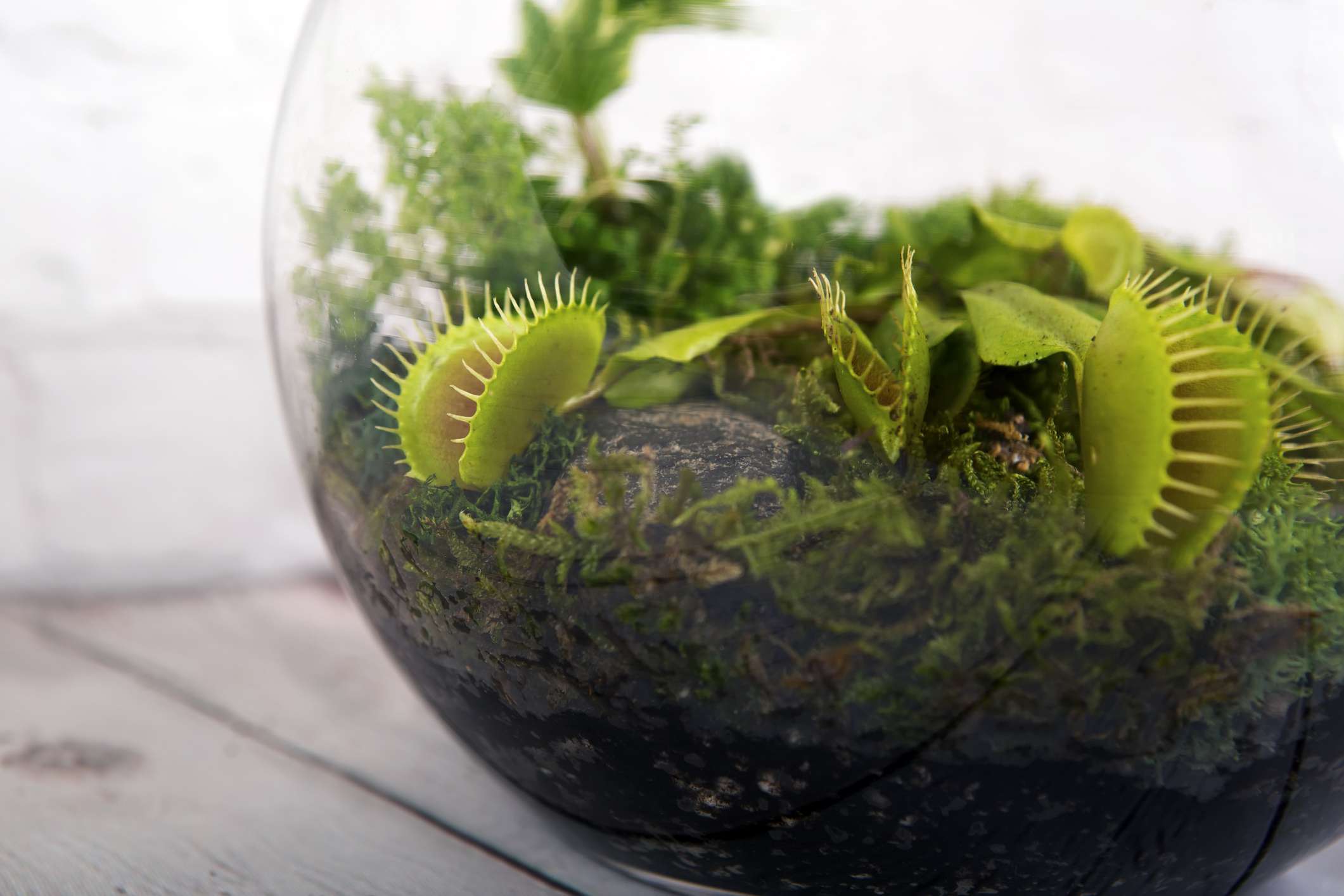
A carnivorous plant terrarium is basically a tiny “bog-in-a-box” where the plants do the pest control and the drama. Instead of begging you for fertilizer (like needy houseplants), these weird little geniuses evolved to live in nutrient-poor habitats and “supplement” their diet with insects. In a terrarium, you give them the moisture, light, and clean water they craveand they reward you with sticky sundew dew, elegant butterwort rosettes, and pitchers that look like they belong in a fantasy novel.
The best part? Done right, a carnivorous plant terrarium can be surprisingly low maintenance. The trick is building it like a carnivore would: low nutrients, high cleanliness, steady moisture, and bright light. (In other words, the opposite of most potting-soil-based life decisions.)
What Is a Carnivorous Plant Terrarium, Exactly?
A carnivorous plant terrarium is a planted glass enclosure (open or partially covered) designed to hold stable humidity and moisture for carnivorous plants especially smaller tropical species that naturally grow in damp, airy environments. It’s not just a decorative jar of plants; it’s a controlled microclimate.
The key difference between a normal terrarium and a carnivorous plant terrarium is the growing medium and water quality. Carnivorous plants generally need nutrient-poor substrates and mineral-free water. Regular potting soil and tap water can slowly turn your terrarium into a salt-and-fertilizer crime scene.
Can Any Carnivorous Plant Live in a Terrarium?
Nopeand this is where a lot of beginners get tricked by cute labels and even cuter glass jars. Many iconic carnivorous plants are temperate and need a cool winter dormancy. A cozy indoor terrarium is basically a “no sleep ever again” schedule, and temperate species don’t love that.
Usually NOT Terrarium-Friendly (for most homes)
- Venus flytraps (Dionaea muscipula) – typically want full sun and a winter dormancy. Indoors in a terrarium, they often decline over time.
- North American pitcher plants (Sarracenia) – usually outdoor sun monsters; most need dormancy and lots of direct light.
Terrarium All-Stars (beginner-friendly)
- Tropical and subtropical sundews (Drosera) – many stay compact, tolerate terrarium humidity, and look cool doing it.
- Some butterworts (Pinguicula) – especially species that do well under bright lights; great for fungus gnat control.
- Bladderworts (Utricularia) – tiny flowers, easy going, and they won’t judge you for checking them daily.
- Some Nepenthes (tropical pitcher plants) – can work in larger, well-ventilated setups, but many outgrow small terrariums fast.
Open vs. Closed: Choose Your Terrarium Style
For carnivorous plants, open terrariums are usually the safest bet. They keep humidity a bit higher than your average room, but still allow airflowwhich helps prevent mold, rot, and “why does everything smell like a wet basement?” moments.
A closed terrarium can hold humidity very well, but stale air can become a problem, especially if you overwater or crowd plants. If you go partially covered, plan on ventilation (cracking the lid, adding a small fan nearby, or choosing a container with an opening).
What You Need (And What You Absolutely Should NOT Use)
Essentials
- Glass container (fishbowl, aquarium, wide-mouth jar, or display case)
- Bright grow light (LED grow light is easiest; a sunny window alone often isn’t enough)
- Pure water: distilled, reverse osmosis, or rainwater
- Nutrient-free substrate: sphagnum peat moss + perlite (common), or long-fiber sphagnum moss
- Inert drainage material (optional): rinsed LECA/clay balls or lava rock for a false bottom
- Plastic mesh (optional): to separate drainage layer from soil
Do NOT Use
- Regular potting soil (it’s typically too rich)
- Fertilizer pellets or “plant food” (carnivores are not built for it)
- Tap or mineral water (mineral buildup is a common slow-motion killer)
- Decor rocks that leach minerals (unknown stones can raise dissolved solids)
Substrate: The “Boring” Part That Keeps Plants Alive
Carnivorous plant roots are adapted to low-nutrient, acidic, airy conditions. That’s why a classic beginner mix is roughly equal parts sphagnum peat moss and perlite. Another popular option is long-fiber sphagnum moss, especially for certain sundews and many Nepenthes.
Simple, Reliable Mixes
- General bog mix: 1:1 peat moss + perlite (rinsed)
- Sphagnum-forward: long-fiber sphagnum (alone or mixed with perlite)
- Optional top dressing: a thin layer of long-fiber sphagnum to reduce algae and keep perlite from floating
Whatever mix you choose, the rule is the same: unfertilized and clean. If the bag says “feeds for months,” your carnivorous plants will interpret that as a threat.
Plant Pairings That Actually Make Sense
A good terrarium is a neighborhood where everyone likes the same weather. Don’t mix plants that want dormancy with plants that want tropical warmth. Start with species that enjoy similar moisture and light.
Beginner Combo #1: “Sticky and Unbothered”
- Drosera capensis (Cape sundew) – hardy, forgiving, and always looks like it’s wearing dew jewelry.
- Utricularia sandersonii – small, spreads nicely, and makes charming little flowers.
Beginner Combo #2: “Gnat Patrol”
- Drosera (compact tropical species)
- Pinguicula (a terrarium-tolerant butterwort) placed on a slightly raised, better-draining mound
If you’re tempted by a Venus flytrap because it’s famous: totally understandable. Just consider growing it in a pot with strong light and proper seasonal care instead of locking it into terrarium life.
How to Make Your Own Carnivorous Plant Terrarium (Step-by-Step)
Step 1: Clean the container like you mean it
Rinse the glass thoroughly. Skip soaps with additives or heavy fragrance residue. If you need to scrub, use hot water and elbow grease. Your goal is “clean,” not “smells like a spa candle.”
Step 2 (Optional but helpful): Build a false bottom
A false bottom creates a small water reservoir and keeps the soil from turning anaerobic. Add 1–2 inches of rinsed LECA (clay balls) or lava rock. Lay plastic mesh on top so the soil doesn’t migrate downward.
Step 3: Add your carnivore substrate
Moisten your peat/perlite mix with distilled/RO/rain water before adding it. You want it evenly damp, not soup. Fill enough depth for roots (often 3–5 inches is plenty for smaller sundews and bladderworts).
Step 4: Plant with space for airflow
Place plants with room between them. Crowding boosts humidity but also boosts mold and rot risks. Tuck roots gentlycarnivorous plants are not impressed by aggressive handling.
Step 5: Water the right way
Keep the substrate consistently moist. Many growers maintain a shallow water level in the base/reservoir and top up as it evaporates. Avoid “random splashing” watering that drenches crowns and invites rot.
Step 6: Light it like you’re growing plants, not vibes
Bright light is what turns “barely surviving” into “colorful and dewy.” Use an LED grow light on a timer for about 12–14 hours a day as a starting point. If sundews stop producing sticky dew or look stretched, they want more light.
Step 7: Add gentle ventilation
If your setup is enclosed, crack the lid daily or provide a little airflow in the room. Good air exchange helps prevent fungus and keeps plants healthier long-term.
Care & Feeding: Keep It Simple (and Don’t Offer Them a Cheeseburger)
Water
Use distilled, RO, or rainwater. If you’re curious about your tap water, a cheap TDS meter can help you gauge mineral levels. Mineral buildup is one of the most common reasons carnivorous plants slowly crash indoors.
Humidity
Many terrarium-friendly species are fine in moderate indoor humidity as long as moisture and light are consistent. Higher humidity can help pitchers and dew form, but stale air can cause problemsso don’t chase humidity at the expense of airflow.
Feeding
In most homes, they’ll catch fungus gnats, fruit flies, or the occasional unlucky visitor. That’s usually enough. If you do feed, use small insectsnever meat, never fertilizer in the soil, and never force-feed traps until they’re exhausted.
Troubleshooting: When Your Terrarium Gets Dramatic
No dew on sundews
- Most often: not enough light.
- Also possible: mineral-laden water or stressed roots after repotting.
Mold or fuzzy growth
- Increase ventilation, remove dead leaves, and avoid soaking plant crowns.
- Consider going “more open” with the terrarium if it’s sealed.
Brown tips or declining plants
- Check water quality (mineral buildup), light intensity, and whether the species actually belongs in a terrarium.
- Also check for hidden fertilizer in soil componentssome “helpful” products are secretly lethal.
Real-World Experiences (The Extra You Asked For)
Here’s what the experience of building a carnivorous plant terrarium is often likenot in the glossy “Pinterest perfection” way, but in the real “why is this moss doing that?” way.
Week one is usually pure joy. You plant your sundews, you mist (probably too much), you stare at them like they’re going to perform a magic trick. And honestly? They sometimes do. When a healthy sundew settles in under good light, the first time you see the sticky dew beads sparkle, it feels like you unlocked a rare cosmetic skin in a video game. People who don’t keep carnivorous plants may not understand why you’re excited about plant slime. Let them live in confusion.
Week two is when the learning curve taps you on the shoulder. Maybe your terrarium looks damp but the substrate is oddly drying near the top. Or you notice your “closed lid for humidity” idea created condensation so intense it looks like a weather forecast. This is when many first-timers realize: humidity is great, but airflow is your best friend. Crack the lid, move the light a bit, and suddenly the terrarium stops feeling like a swampy sauna.
Around week three, you’ll probably have your first “tiny panic.” A leaf browns. A trap blackens. Something looks… less perfect. Carnivorous plants are dramatic, but not always dying. Old leaves can fade, especially after a move. The more useful question is: Is new growth healthy? If yes, your terrarium is working. If no, check light first. With carnivores, light is usually the answer. (Water quality is the runner-up.)
Then there’s the water routine, which becomes weirdly satisfying. Many growers end up treating pure water like it’s a premium ingredient: you label the jug, you refill it, you feel mildly superior to your past self who watered everything with tap water and optimism. You may even buy a simple TDS meter and start testing water like a tiny scientist. Don’t worrythis is normal.
The “ecosystem” part also has its moments. If fungus gnats appear, a sundew-heavy terrarium can turn into a tiny gnat-trap arena. You’ll see fewer adults over time, and the plants may look even happier. It’s a strangely wholesome cycle: the pests show up, the plants eat them, and you learn that nature has a customer support department after all.
Eventually, the terrarium becomes less of a project and more of a living display you casually maintain. You top off water, trim dead bits, adjust the light seasonally, and enjoy the fact that your decor is actively hunting. It’s not just a terrariumit’s a conversation starter that also happens to be a tiny, low-nutrient masterpiece.
Conclusion: Your Tiny Bog Awaits
A carnivorous plant terrarium works when you focus on the essentials: pure water, nutrient-free substrate, bright light, steady moisture, and enough airflow to keep things fresh. Choose terrarium-friendly species (especially tropical sundews and companions), keep the setup clean, and resist the urge to “help” with fertilizer. Your plants don’t want extra nutrientsthey want a stable habitat and the occasional unlucky insect.