

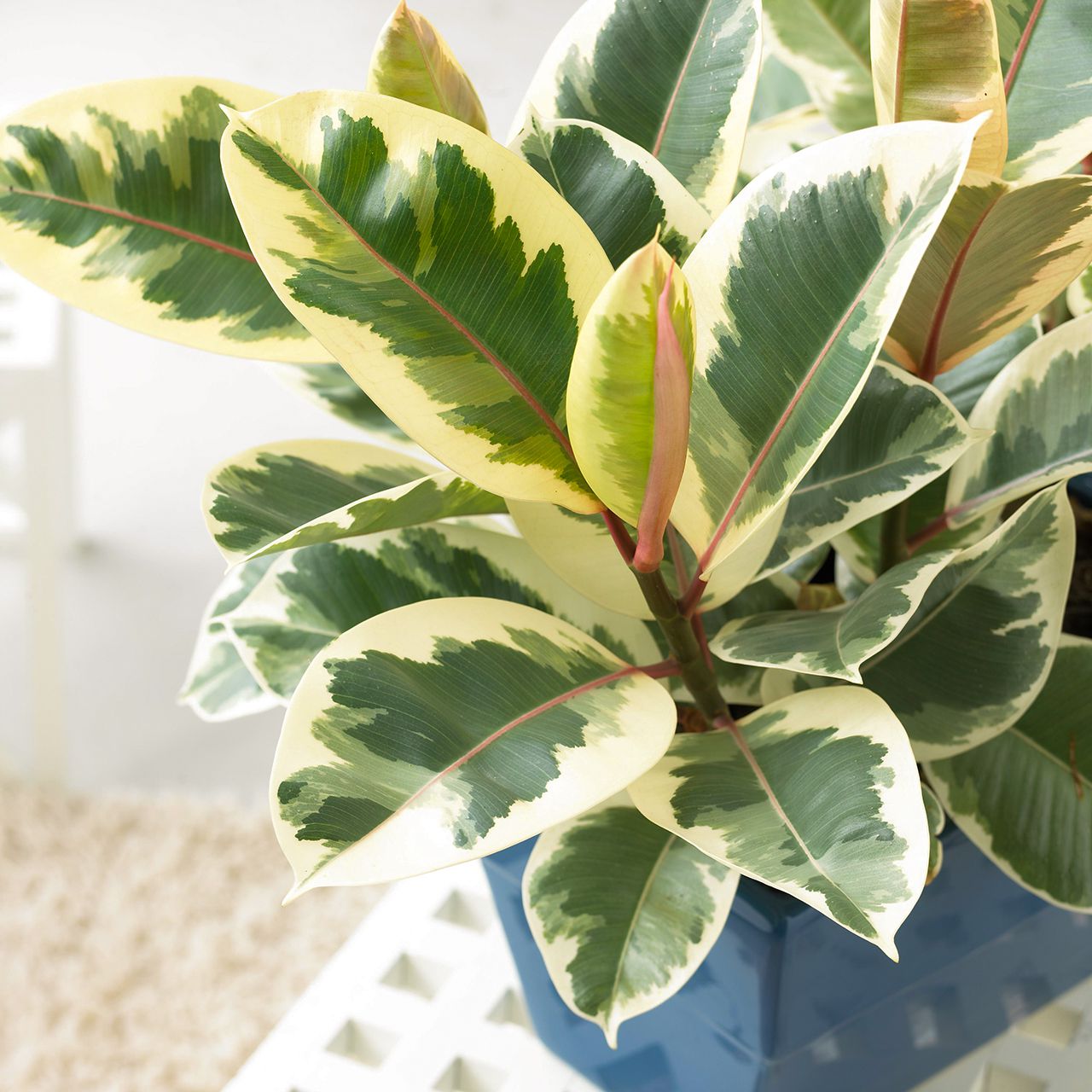
Your rubber plant was supposed to be the easy one. Big glossy leaves, strong main-character energy, and just enough tropical flair to make your room look like you own matching baskets on purpose. Then one day, a leaf falls. Then another. Suddenly your Ficus elastica is decorating the floor like it is auditioning for a moody autumn scene.
If your rubber plant leaves are falling off, do not panic and do not start doing seventeen random “plant hacks” from the internet in the same afternoon. Rubber plant leaf drop is usually a stress signal, and the good news is that the clues are often right in front of you. The better news? This plant is tougher than it looks. Once you fix the real problem, it can bounce back beautifully.
In most homes, rubber plant leaf drop comes down to four common causes: watering stress, light problems, temperature or humidity issues, and pests. There is one small exception before we start the detective work: an occasional older lower leaf turning yellow and dropping is usually normal. But if your plant is shedding multiple leaves, dropping healthy-looking foliage, or looking sparse and sulky, it is time to intervene.
Why rubber plant leaf drop happens in the first place
Rubber plants do not drop leaves just to be dramatic, though they do have a flair for timing. Leaf drop is a protective response. When the roots are stressed, the light is wrong, the air is too harsh, or insects are helping themselves to your plant’s sap, the plant starts shedding leaves to conserve energy. Think of it as your rubber plant cutting expenses during a botanical recession.
The trick is to avoid treating every dropped leaf the same way. Too much water and too little water can both cause leaf loss. Low light and sudden environmental changes can do it too. That is why the fastest way to help your plant is not guessing harder. It is reading the symptoms better.
1. Watering trouble: too much, too little, or wildly inconsistent moisture
If there were a championship belt for the most common cause of rubber plant leaves falling off, watering problems would be wearing it. This includes both overwatering and underwatering, which is rude but true.
How overwatering shows up
An overwatered rubber plant often starts with leaves that yellow, droop, and fall while the soil stays damp for too long. The pot may feel heavy. The mix may smell musty. In more advanced cases, stems can soften and roots may begin to rot. This happens because roots need oxygen as much as they need moisture. If the soil stays soggy, the roots cannot breathe properly, and damaged roots can no longer support the leaves.
One reason overwatering sneaks up on people is that it is not always about the amount of water in one session. It is often about frequency. If you water every Saturday because your calendar says so, but the potting mix is still wet from last Saturday, your rubber plant is basically wearing wet socks around the clock. No one thrives like that.
How underwatering shows up
An underwatered rubber plant usually looks droopy, dry, and tired. The potting mix may pull away from the sides of the pot, and leaves may curl, crisp, or fall after the plant has gone too dry. Inconsistent watering can also trigger leaf drop. A cycle of bone-dry, then soaking wet, then forgotten again is stressful even for a fairly forgiving houseplant.
How to fix watering without becoming a full-time soil therapist
Check the soil before watering. Stick a finger into the top inch or two of the mix. If it still feels damp, wait. If it feels dry, water thoroughly until excess drains out. Then let the plant rest until the top layer dries again. In brighter light and during active growth, your plant will dry faster. In winter, it will need less water. That seasonal shift matters more than many people realize.
Also check the pot itself. A rubber plant in a container without drainage holes is living dangerously. A dense, compacted mix can cause the same problem. If water cannot move through, the roots stay wet too long even if you swear you only water “a little.” For a plant, “a little” in a swamp is still a swamp.
Quick clue: Yellowing leaves plus wet soil usually point to overwatering. Droopy leaves plus very dry soil usually point to underwatering.
2. Light problems: too little light or a sudden light change
Rubber plants like bright, indirect light. They can tolerate somewhat lower light than some finicky houseplants, but “tolerate” and “thrive” are not the same thing. A rubber plant kept in a dim corner may survive for a while, then start dropping leaves, especially lower ones, as the plant struggles to support foliage it cannot properly feed.
Signs your plant is not getting enough light
If your rubber plant looks leggy, grows slowly, loses its shine, or starts dropping leaves without another obvious cause, low light may be the culprit. Variegated types are often even more demanding. A plant that once sat near a bright window but now lives three rooms away from daylight may not be living its best life. It may be living its “I guess this hallway is my grave now” life.
Sudden changes matter too
Rubber plants dislike abrupt environmental changes. Moving one from a bright greenhouse or sunny porch into a dim room can trigger leaf drop. The same goes for seasonal moves, repotting combined with relocation, or even shifting it from one side of the house to another without giving it time to adjust. Ficus relatives are known for responding to shock by shedding leaves like they are making a point.
How to fix light-related leaf drop
Move the plant closer to a bright window with filtered or indirect light. East-facing windows are often great. Bright south or west exposures can work too, especially if harsh afternoon sun is softened. Do not shove it from cave-level gloom into blazing direct sun in a single dramatic gesture. Acclimate it gradually over several days so the leaves do not scorch.
If your home is naturally dark, a grow light can help. The goal is consistency. Rubber plants are much happier when the light is stable and generous, not when they spend half the week in a shadowy corner and the other half being “rescued” every time you feel guilty.
3. Drafts, cold snaps, and dry indoor air
A rubber plant may look bold and sturdy, but it still has tropical roots. That means cold drafts, sudden temperature swings, and very dry air can all contribute to leaf drop. If your plant sits near an exterior door, drafty window, air-conditioning vent, or heater blasting like it has a personal vendetta, the leaves may start yellowing, browning, and falling.
Why temperature stress causes leaf drop
Rubber plants prefer warm, stable indoor conditions. When temperatures swing too much, especially toward the cold side, the plant reacts by shutting down growth and shedding leaves. Even if the rest of the room feels fine to you, the microclimate near a vent or chilly window can be much harsher than you think.
Humidity matters more than many owners expect
Most rubber plants can handle average room humidity, but very dry air can still add stress, especially in winter when heaters turn homes into giant toasted crackers. Dry air alone may not always be the only reason for leaf loss, but combined with low light, missed watering, or drafts, it can absolutely push a plant over the edge.
How to fix environmental stress
Place your rubber plant somewhere with steady temperatures and no direct blasts from heating or cooling vents. Keep it away from doors that open to cold air. If your home is very dry, increase humidity modestly with a humidifier, grouped plants, or a pebble tray. You do not need to recreate the rainforest. You just need to stop turning your plant into a tropical species living in a hair dryer.
Quick clue: If leaf drop started after you moved the plant, turned on the heat, started using air conditioning, or shifted seasons, temperature or humidity stress is a strong suspect.
4. Pests are throwing a tiny, unwanted party
Sometimes the issue is not your watering can or your window. Sometimes it is bugs. Common houseplant pests such as spider mites, scale, mealybugs, aphids, and thrips can weaken a rubber plant and lead to leaf drop. The annoying part is that some of these pests are excellent at hiding until the plant already looks rough.
What pest damage looks like
Check both sides of the leaves and along stems. Spider mites may leave fine webbing and a dull, speckled look. Scale can appear as small brown bumps that seem glued to stems or leaves. Mealybugs look like tiny bits of cotton. Some pests leave sticky honeydew behind, which can attract other problems and make leaves feel tacky.
As pests feed, the plant loses vigor. Leaves may yellow, spot, curl, or fall prematurely. New growth may emerge distorted or weak. If your care routine seems reasonable but the plant still looks miserable, get nosy and inspect every leaf like you are checking a suspicious text thread.
How to deal with pests
First, isolate the plant from your other houseplants. Then wipe the leaves and stems gently with a damp cloth. For small infestations, physically removing pests makes a big difference. After that, treat with an indoor-safe option such as insecticidal soap, horticultural oil, or neem-based products, following label directions carefully. Repeat treatments are often necessary because one round rarely solves the whole problem.
Going forward, make leaf inspections part of your regular routine. A quick weekly glance under the leaves is far easier than discovering three months later that your “dust” has legs.
How to stop the leaf drop and help your rubber plant recover
If your rubber plant is dropping leaves, resist the urge to fix everything at once. Do the calm, boring, effective stuff instead:
Step 1: Check the soil
Wet soil points toward overwatering. Bone-dry soil points toward underwatering. Adjust accordingly, and make sure the pot drains freely.
Step 2: Evaluate the light
If the plant is in a dim area, move it closer to brighter indirect light. Make changes gradually, not like a reality show makeover reveal.
Step 3: Stabilize the environment
Remove it from cold drafts, heaters, and air vents. Aim for steady indoor conditions.
Step 4: Inspect for pests
Look under leaves, along leaf joints, and on stems. If you find anything suspicious, isolate and treat promptly.
Step 5: Be patient
Damaged leaves will not magically reattach themselves, and your plant may not look perfect next Tuesday. What you want to see is the leaf drop slowing down and healthy new growth appearing over time.
What not to do when your rubber plant is losing leaves
Do not fertilize heavily to “wake it up.” A stressed plant is not asking for a buffet. Do not repot immediately unless the potting mix is clearly failing, the roots are rotting, or the plant is severely root-bound. Do not move it around the house every other day searching for a miracle corner. And please do not alternate between drought and drowning because the internet gave you twelve conflicting watering schedules.
The best recovery plan is simple: bright indirect light, stable conditions, proper watering, and regular pest checks. Rubber plants are resilient when their basics are right.
Final thoughts
If your rubber plant leaves are falling off, the plant is not doomed and you are not a terrible plant parent. In most cases, the cause is one of four things: moisture stress, poor or changing light, environmental stress from drafts or dry air, or pests. Once you identify the real issue, the fix is usually straightforward.
Think of rubber plant care as less about perfection and more about consistency. This is not a plant that needs a spa day every week. It just wants a bright spot, sensible watering, and a stable home where nobody keeps shoving it next to a heater and then wondering why it looks offended. Give it that, and those glossy leaves are far more likely to stay where they belong: on the plant, not on your floor.
Experience: What Rubber Plant Owners Usually Learn the Hard Way
A very common rubber plant experience starts with optimism. You bring home a beautiful plant from the store, place it in the prettiest corner of the room, admire it for two days, and then realize the prettiest corner is actually darker than a movie theater during the credits. A week later, a leaf drops. Then another. Many owners assume the plant needs more water because it looks sad, so they water again. Unfortunately, the real issue was light, and the extra water only makes the roots more stressed. This is probably the single most relatable rubber plant plot twist: the symptom seems to ask for one thing, but the root cause is something else entirely.
Another common experience happens during seasonal changes. The plant looked fantastic all summer near a bright window or even outdoors in warm weather. Then fall arrives, the heat kicks on, the daylight changes, and the room air gets much drier. Suddenly the plant starts dropping leaves and everyone in the house acts shocked, including the person standing next to the heating vent that is blasting directly at the plant like a dragon with central air. Owners often do not realize that the plant is reacting to several changes at once: lower light, drier air, different temperature patterns, and a slower growth cycle that means it no longer uses water as quickly as it did before. What worked in July may be too much in December.
Many rubber plant owners also learn that “watering regularly” sounds responsible but can be misleading. A lot of people are taught to water on a schedule instead of watering based on the soil. That works poorly for rubber plants because their needs shift depending on pot size, light exposure, room temperature, humidity, and season. One owner may water every six days in a bright room with fast-draining soil. Another may only need to water every two weeks in winter. Both can be correct. The experienced lesson here is that plants do not own calendars. They own roots.
Then there is the pest experience, which usually begins with denial. You notice a sticky patch on a leaf, a little speckling, or a strange brown bump on a stem and tell yourself it is probably dust, mineral residue, or “just plant stuff.” A few weeks later, your rubber plant looks weaker, leaf drop increases, and suddenly you are in a one-sided war with scale or spider mites. Seasoned indoor gardeners often say the same thing after dealing with pests: inspect sooner, not later. A thirty-second weekly check under the leaves can save you from a month of cleanup and muttering.
Owners also learn that rubber plants dislike chaos. They are not always the fussiest plants in the world, but they do appreciate consistency. If you move them repeatedly, repot them at the wrong time, change the watering routine every week, and relocate them from a sunny room to a dim hallway because company is coming over, they may respond by dropping leaves in protest. The plant is not being spiteful. It is reacting to stress. But from a human perspective, it can feel like your plant absolutely noticed your bad decisions and chose a dramatic way to comment on them.
The most encouraging shared experience, though, is recovery. Plenty of rubber plant owners have had a plant lose several leaves, look sparse for a while, and then come back strong once conditions improved. New growth appears. The stem stays firm. The remaining leaves hold on. That is why it helps not to panic after the first wave of leaf drop. A rubber plant can recover from mistakes if you stop the problem, stay consistent, and give it time. In other words, the comeback is often less about heroics and more about finally leaving the poor thing alone in the right spot.