

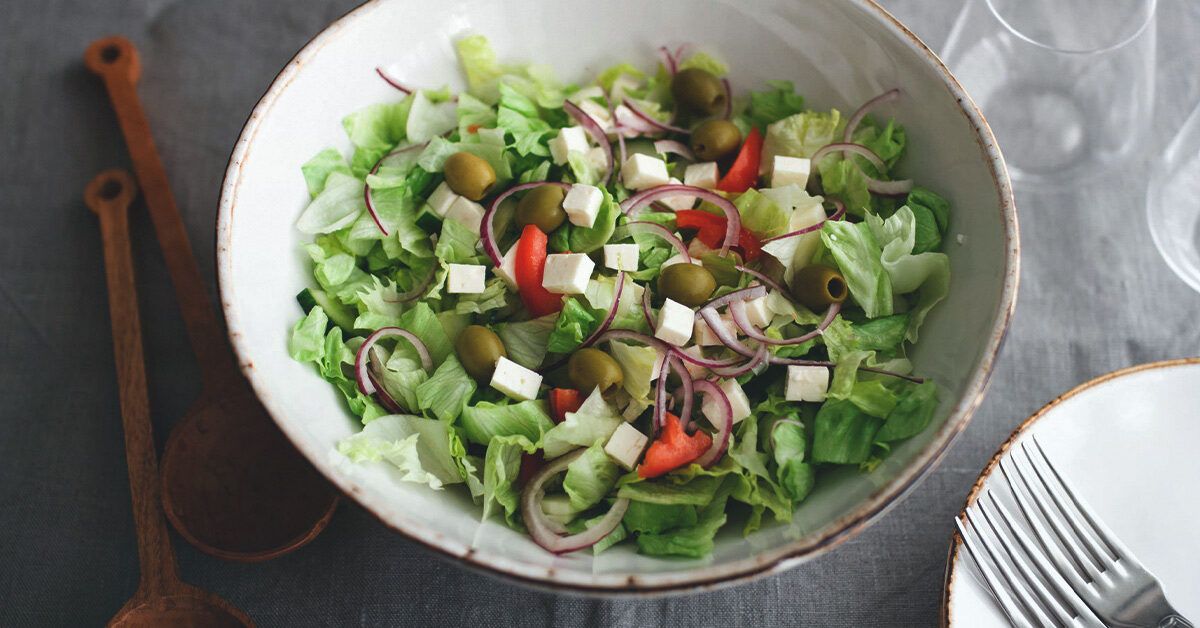
Build a bone-friendly plate with calcium, vitamin D, protein, colorful produce, and meals you will actually want to eat.
Introduction: Your Bones Called, and They Want Better Snacks
Osteoporosis is often described as a “silent disease” because bones can lose density for years without sending a dramatic warning text. No flashing lights, no tiny skeleton alarm, no spooky sound effects. Then a minor fall or simple movement can lead to a fracture, and suddenly bone health becomes very loud.
The good news is that food can play a powerful supporting role in protecting bone strength. A smart osteoporosis diet plan is not about eating one magical superfood or forcing yourself to chew kale with the enthusiasm of a bored rabbit. It is about consistently giving your body the nutrients it needs to maintain bone structure, support muscles, reduce fall risk, and keep meals satisfying enough that you do not abandon the plan by Wednesday.
This 5-day osteoporosis diet plan focuses on calcium, vitamin D, protein, magnesium, potassium, vitamin K, omega-3 fatty acids, and fiber-rich foods. It includes dairy and non-dairy options, easy meal ideas, practical swaps, and real-life tips for making the plan work in a normal kitchen where the blender lid may or may not be missing.
What Makes a Diet Good for Osteoporosis?
Calcium: The Structural Star
Calcium is the mineral most closely associated with bone strength because most of the body’s calcium is stored in bones and teeth. Adults generally need steady calcium intake from food, and many older adults need more than younger adults. Bone-friendly sources include milk, yogurt, cheese, lactose-free dairy, calcium-fortified plant milks, calcium-set tofu, canned salmon or sardines with bones, collard greens, kale, white beans, almonds, and fortified orange juice.
One important tip: more calcium is not automatically better. Think of calcium like rent money for your skeleton: you need enough, but throwing random extra cash at the landlord does not turn your apartment into a palace. If you are considering supplements, especially if you have kidney disease, a history of kidney stones, heart concerns, or take medications, talk with a healthcare professional first.
Vitamin D: The Calcium Helper
Vitamin D helps the body absorb calcium. Without enough vitamin D, calcium has a harder time doing its bone-building job. Food sources include salmon, trout, sardines, tuna, egg yolks, fortified milk, fortified plant milk, fortified cereal, and some fortified juices. Many people do not get enough vitamin D from food alone, so testing and supplementation may be recommended by a clinician.
Protein: The Muscle-and-Bone Teammate
Protein supports muscle strength, and strong muscles help protect bones by improving balance and reducing fall risk. A bone-friendly diet should include protein at meals rather than saving it all for dinner. Good options include Greek yogurt, eggs, fish, chicken, turkey, beans, lentils, tofu, tempeh, edamame, cottage cheese, and nuts.
Colorful Plants: The Unsung Bone Crew
Fruits and vegetables provide potassium, magnesium, vitamin C, vitamin K, antioxidants, and fiber. These nutrients support overall health and help create a dietary pattern that is friendly to bones, heart health, digestion, and energy. In other words, your skeleton likes produce, but so does pretty much every other department in the body.
How to Use This 5-Day Osteoporosis Diet Plan
This plan is designed as a flexible framework, not a medical prescription. Portions should be adjusted based on age, sex, body size, activity level, appetite, health conditions, and guidance from your doctor or registered dietitian. If you are underweight, recovering from illness, managing diabetes, taking blood thinners, following a kidney diet, or dealing with digestive conditions, get personalized advice before making major changes.
Each day includes breakfast, lunch, dinner, and snacks. The meals are built around three goals: include a calcium-rich food, add vitamin D where possible, and pair protein with produce. You can repeat meals, swap similar ingredients, or use leftovers. The best diet plan is the one that survives real life, grocery prices, busy mornings, and the mysterious disappearance of all clean forks.
Day 1: The Calcium Kickoff
Breakfast: Greek Yogurt Parfait
Layer plain Greek yogurt with berries, chia seeds, chopped almonds, and a small drizzle of honey. Greek yogurt brings calcium and protein, while chia seeds and almonds add minerals, fiber, and healthy fats. Berries provide vitamin C and antioxidants without making breakfast feel like homework.
Lunch: Salmon Salad Wrap
Use canned salmon with bones if you enjoy it, because those soft bones are a concentrated calcium source. Mix with plain yogurt, lemon juice, diced celery, and black pepper. Wrap it in a whole-grain tortilla with spinach or romaine. Add a side of orange slices or kiwi for vitamin C.
Dinner: Turkey and White Bean Chili
Make a simple chili with lean ground turkey, white beans, tomatoes, onions, peppers, and spices. White beans offer calcium, magnesium, and fiber, while turkey provides protein. Serve with a side salad and a sprinkle of cheese if desired.
Snack Ideas
Try a glass of fortified milk or fortified soy milk, apple slices with almond butter, or cottage cheese with pineapple. The theme for Day 1 is simple: make calcium show up more than once instead of expecting one heroic yogurt cup to do the entire job.
Day 2: The Vitamin D Boost
Breakfast: Fortified Cereal With Milk
Choose a whole-grain fortified cereal that is lower in added sugar and higher in fiber. Serve it with dairy milk or fortified plant milk. Check the Nutrition Facts label for calcium and vitamin D. A food with 20% Daily Value or more of a nutrient per serving is considered high, which makes label-reading a secret weapon for bone health.
Lunch: Tofu Power Bowl
Build a bowl with calcium-set tofu, brown rice or quinoa, steamed broccoli, shredded carrots, edamame, and a sesame-ginger dressing. Tofu can be an excellent calcium source when it is made with calcium sulfate, but brands vary, so check the label. Edamame adds protein and magnesium.
Dinner: Baked Trout or Salmon
Serve baked trout or salmon with roasted sweet potatoes and sautéed kale. Fatty fish brings vitamin D and omega-3 fatty acids, while kale contributes vitamin K and calcium. Sweet potatoes add potassium and a naturally sweet flavor that says, “Yes, healthy food can have a personality.”
Snack Ideas
Try a boiled egg with whole-grain crackers, fortified orange juice in a small glass, or yogurt with pumpkin seeds. If you do not eat fish, use fortified foods more intentionally and ask your clinician whether vitamin D testing is appropriate.
Day 3: The Plant-Forward Bone Builder
Breakfast: Smoothie With Fortified Milk
Blend fortified soy milk or dairy milk with banana, frozen berries, spinach, peanut butter, and plain yogurt. Spinach is nutritious, though its calcium is not absorbed as well as calcium from some other greens because of oxalates. Still, it brings folate, magnesium, and flavor that disappears politely into the smoothie.
Lunch: Lentil Soup and Side Salad
Make lentil soup with carrots, tomatoes, onions, garlic, celery, and herbs. Add a side salad with leafy greens, cucumber, avocado, and a yogurt-based dressing. Lentils provide plant protein, fiber, magnesium, and steady energy.
Dinner: Calcium-Set Tofu Stir-Fry
Stir-fry tofu with bok choy, mushrooms, bell peppers, snow peas, and a low-sodium sauce. Serve over brown rice. Bok choy is a bone-friendly vegetable because it offers calcium with better absorption than spinach. Keeping sodium moderate is also smart because very salty diets can work against overall health goals.
Snack Ideas
Try roasted chickpeas, dried figs with walnuts, or a fortified plant-based yogurt. Plant-forward eating can support bone health when it is planned well, especially when calcium, vitamin D, and protein are not left to chance.
Day 4: The Mediterranean-Style Bone Plate
Breakfast: Eggs, Greens, and Whole-Grain Toast
Scramble eggs with kale, mushrooms, and a small amount of cheese. Serve with whole-grain toast and fruit. Eggs contain protein and some vitamin D, while greens and cheese add bone-supporting nutrients. This breakfast is quick, filling, and far more exciting than staring sadly at a plain rice cake.
Lunch: Sardine or Tuna Toast
Top whole-grain toast with mashed avocado and sardines, or use tuna if sardines are not your thing. Sardines with bones are rich in calcium and vitamin D. Add tomato slices, lemon juice, and black pepper. Serve with a side of vegetable soup or a crunchy cucumber salad.
Dinner: Chicken, Chickpea, and Vegetable Plate
Serve grilled chicken with chickpeas, roasted zucchini, tomatoes, onions, and a spoonful of tzatziki made with Greek yogurt. Add a small serving of whole grains such as farro, barley, or quinoa. This meal combines protein, calcium, magnesium, fiber, and colorful produce.
Snack Ideas
Try kefir, a small handful of almonds, or carrots with hummus. Fermented dairy foods like yogurt and kefir can be convenient calcium sources and may be easier for some people to digest than regular milk.
Day 5: The Practical Leftover-Friendly Day
Breakfast: Overnight Oats
Mix oats with fortified milk, Greek yogurt, chia seeds, cinnamon, and berries. Refrigerate overnight. In the morning, add almonds or pumpkin seeds. This breakfast is excellent for busy mornings because it requires the culinary skill of owning a spoon.
Lunch: Bone-Healthy Leftover Bowl
Use leftovers from the week: salmon, tofu, chicken, beans, roasted vegetables, greens, and whole grains. Add a yogurt sauce, tahini-lemon dressing, or a sprinkle of cheese. The goal is to avoid food waste while keeping calcium, protein, and produce on the plate.
Dinner: Pasta With Greens, Beans, and Ricotta
Choose whole-grain pasta and toss it with white beans, sautéed kale or collards, garlic, olive oil, crushed tomatoes, and a scoop of ricotta. This dinner feels comforting while still delivering protein, calcium, fiber, and minerals.
Snack Ideas
Try fortified milk with cocoa, yogurt with fruit, or a trail mix made with almonds, walnuts, and dried figs. Keep snacks simple. Bone health does not require a 14-step snack ceremony with imported ingredients and a tiny garnish of stress.
Foods to Emphasize in an Osteoporosis Diet
- Dairy or fortified alternatives: Milk, yogurt, kefir, cheese, lactose-free milk, fortified soy milk, and fortified almond or oat milk.
- Fish with vitamin D: Salmon, trout, sardines, and tuna.
- Calcium-rich plants: Kale, collard greens, bok choy, white beans, almonds, chia seeds, sesame products, and calcium-set tofu.
- Protein foods: Eggs, poultry, fish, beans, lentils, tofu, tempeh, Greek yogurt, and cottage cheese.
- Fruits and vegetables: Berries, citrus, bananas, sweet potatoes, broccoli, peppers, tomatoes, and leafy greens.
- Whole grains: Oats, quinoa, brown rice, barley, farro, and whole-grain bread.
Foods and Habits to Watch
An osteoporosis-friendly diet is not about banning everything fun. However, a few habits deserve attention. Very high sodium intake may crowd out healthier choices and is not ideal for overall health. Heavy alcohol use is bad for bones and increases fall risk; teens and people who do not drink should not start. Too much caffeine may be a problem if it replaces calcium-rich drinks or comes with a low-calcium diet. Extreme dieting, skipping meals, and low protein intake can also work against bone and muscle health.
Spinach, beet greens, and Swiss chard are nutritious, but their calcium is less absorbable because they are high in oxalates. You do not need to avoid them; just do not count them as your main calcium strategy. Choose lower-oxalate greens like kale, bok choy, turnip greens, and collards more often when calcium is the goal.
Simple Grocery List for the 5-Day Plan
Protein and Dairy
Greek yogurt, kefir, cottage cheese, milk or fortified plant milk, eggs, salmon, sardines, tuna, chicken, turkey, tofu, tempeh, lentils, beans, and edamame.
Produce
Kale, collard greens, bok choy, broccoli, carrots, bell peppers, tomatoes, mushrooms, sweet potatoes, berries, bananas, oranges, kiwi, cucumbers, and avocados.
Pantry Staples
Oats, brown rice, quinoa, whole-grain pasta, whole-grain bread, chia seeds, almonds, walnuts, pumpkin seeds, olive oil, tahini, low-sodium broth, canned tomatoes, and herbs.
Real-Life Experience Notes: What This Plan Feels Like After Five Days
The first thing many people notice when trying a 5-day osteoporosis diet plan is that breakfast becomes easier. Instead of wandering into the kitchen and negotiating with a lonely cracker, you start with a short list of dependable choices: yogurt parfait, overnight oats, eggs with greens, or fortified cereal with milk. The plan removes some of the morning decision fatigue. That matters because healthy eating often fails not from lack of knowledge, but from the daily question, “What am I supposed to eat now?”
Another practical experience is that calcium works best as a “spread it out” habit. Trying to cram all calcium into dinner can feel awkward, like asking one meal to carry the whole skeleton on its back. A smoother approach is to include calcium at breakfast, lunch, and snacks. Yogurt in the morning, tofu at lunch, and leafy greens or fish at dinner feels natural. You are not eating “diet food”; you are simply making bone-supporting choices more visible.
People who dislike milk often feel relieved by the variety. An osteoporosis diet does not have to be a dairy-only parade. Fortified soy milk, calcium-set tofu, sardines, white beans, chia seeds, almonds, bok choy, collards, and fortified cereals can all help. The key is label-reading. Two plant milks can look almost identical on the shelf, but one may be fortified with calcium and vitamin D while the other is basically expensive beige water wearing a health halo.
The biggest adjustment is protein. Many adults, especially older adults, eat a light breakfast, a small lunch, and then a larger dinner. This pattern may leave muscles under-supported earlier in the day. Adding Greek yogurt, eggs, tofu, fish, beans, or cottage cheese to earlier meals can make the day feel more balanced. Better protein distribution may also reduce evening snack attacks, also known as the “why am I eating cereal from the box at 10:41 p.m.” situation.
By Day 4 or Day 5, the plan usually becomes less about strict meals and more about a repeatable formula: calcium-rich food plus protein plus colorful plants plus whole grains or healthy fats. A salmon bowl, tofu stir-fry, lentil soup, yogurt parfait, or pasta with beans and greens all fit the pattern. This flexibility is what makes the plan realistic. You can eat at home, pack lunch, use leftovers, or build a quick grocery-store meal without starting over.
One final experience: bone-friendly eating feels more empowering when paired with movement, sleep, fall prevention, and medical care when needed. Food supports the foundation, but osteoporosis management may also involve bone density testing, medications, physical therapy, strength training, balance exercises, and vitamin D testing. The plate matters, but it is part of a bigger toolkit. Fortunately, it is a delicious part.
Conclusion: A Stronger Plate for Stronger Bones
Your 5-day osteoporosis diet plan is not a miracle cure, and it should not replace medical treatment. But it can help create a daily rhythm that supports bone health with calcium, vitamin D, protein, colorful produce, and balanced meals. Instead of chasing one perfect food, focus on patterns: yogurt or fortified milk at breakfast, fish or tofu during the week, beans and greens often, fruits and vegetables daily, and enough protein to support muscles.
The best osteoporosis diet is practical, enjoyable, and repeatable. If you can build meals that protect your bones and still make you look forward to lunch, that is not just nutrition. That is strategy with a fork.
Note: This article is for educational purposes only. Anyone diagnosed with osteoporosis, taking osteoporosis medication, managing kidney disease, using blood thinners, or considering supplements should speak with a qualified healthcare professional for personalized guidance.