

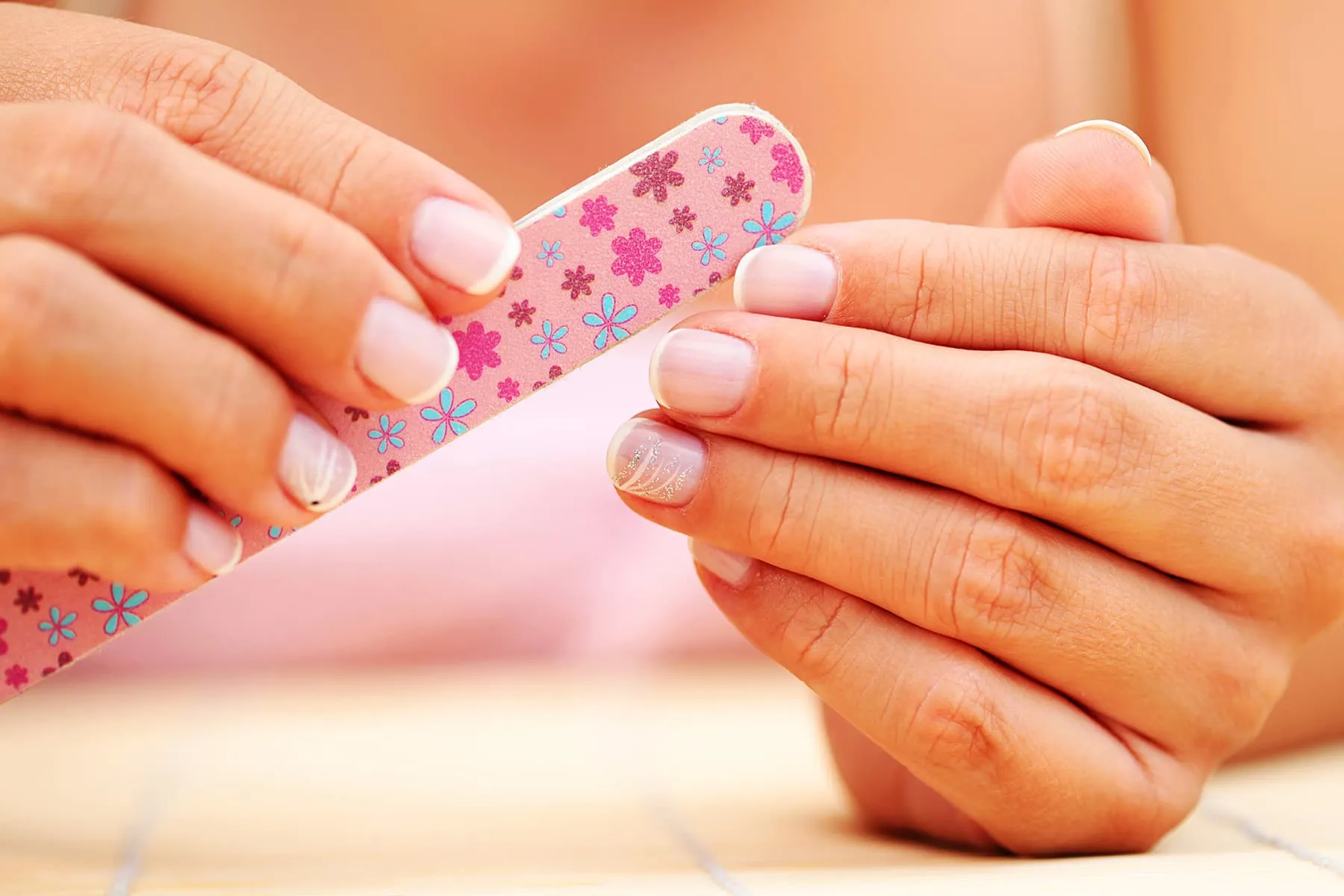
Nails are tiny keratin billboards. Most days they quietly protect your fingertips; other days they peel like old wallpaper, collect mysterious stains, or produce a hangnail sharp enough to ruin an otherwise peaceful afternoon.
Fortunately, many common nail problems improve with gentler grooming, better moisture protection, and patience. The less-exciting truth is that nails grow slowly, so “overnight repair” usually means “marketing department with excellent lighting.” Here is how to fix hangnails, manage stained nails, reduce peeling, and recognize changes that need medical attention.
What Healthy Nails Usually Look Like
Healthy nails are generally smooth, securely attached to the nail bed, and consistent in color. Small vertical ridges and occasional white spots are often harmless. Nails consist of layers of hardened keratin, but the surrounding skin, cuticle, nail bed, and growth center are living tissue. That is why aggressive trimming, scraping, and picking can cause real damage even though cutting the nail plate itself does not hurt.
Damaged nails must usually grow out rather than “heal” instantly. The goal is to protect healthy new growth while gradually trimming away the weakened portion. Think renovation, not demolition.
How to Fix Hangnails Without Making Them Worse
A hangnail is not a rebellious piece of fingernail. It is a small flap of torn skin beside the nail, usually near the cuticle. Dry weather, repeated handwashing, cleaning chemicals, nail biting, and aggressive cuticle work can all contribute.
Pulling a hangnail may feel efficient, but it can tear healthy skin, cause bleeding, and create an opening for infection. The safer approach is to soften and trim it carefully.
A Safe Hangnail Rescue Routine
- Wash your hands. Clean the finger with mild soap and water.
- Soften the skin. Soak the fingertip in warm, soapy water for about 10 minutes.
- Clean your tool. Use sanitized nail clippers or small manicure scissors.
- Trim the loose flap. Cut close to its base without cutting living skin.
- Add moisture. Apply petroleum jelly or a thick, fragrance-free hand cream.
- Protect the area. Use a small bandage if the skin is sore, bleeding, or likely to snag.
Do not twist, chew, or yank the skin. Avoid cutting the cuticle itself, too. The cuticle helps protect the space where the nail meets the skin. A manicure should make your fingers look polished, not leave them feeling as if they have filed a workplace complaint.
When a Hangnail May Be Infected
Increasing redness, warmth, swelling, throbbing pain, or pus may indicate paronychia, an infection around the nail. Spreading redness, significant pain, an abscess, fever, or infection symptoms in someone with diabetes or a weakened immune system require prompt medical attention.
Preventing Future Hangnails
Apply hand cream after washing and before bed, working it into the nail folds and cuticles. Wear gloves for dishwashing, cleaning, gardening, and other wet work. Keep nails neatly trimmed, file snags before they tear, and leave healthy cuticles alone.
How to Remove Nail Stains Safely
Not every discolored nail is technically stained. Dark nail polish can leave yellow, orange, or brown pigment on the nail plate, particularly when it is worn repeatedly without a base coat. Hair dye, self-tanner, tobacco, spices, and household chemicals can also discolor the surface.
However, yellow, white, green, brown, or black changes may also result from trauma, infection, psoriasis, nail separation, or another health problem. Before attacking the nail with a scrub brush, determine whether the color appears to be on the surface, underneath the nail, or growing within it.
For Polish Pigment and Surface Staining
Remove the polish gently, wash and dry your hands, and inspect the bare nails. If the discoloration is even, painless, and clearly connected to recent polish use, allow it to grow out. Applying a clear base coat before strongly pigmented polish may reduce future staining.
Very light buffing can improve some superficial marks, but aggressive buffing thins the nail plate and may worsen peeling. The objective is to smooth the surface, not sand a hardwood floor.
Acetone removes stubborn polish quickly, but repeated exposure can dry the nails and surrounding skin. Minimize soaking time, wash your hands afterward, and apply a thick moisturizer. An acetone-free remover may be more comfortable for routine use, although removing polish may take longer.
Avoid Harsh Nail-Whitening Experiments
Repeated soaking in bleach, concentrated peroxide, lemon juice, or abrasive homemade paste can irritate the skin and dehydrate the nail plate. A harmless pigment stain is usually better grown out than chemically bullied into submission.
Use cosmetic nail products according to their labels and work in a ventilated area. Stop using a product if it causes burning, redness, rash, swelling, or another unexpected reaction. Nail products sold in the United States must be safe when used as directed, although most cosmetic products do not receive individual premarket approval from the FDA.
When Discoloration Is More Than a Stain
A fungal infection may begin as a white or yellow-brown spot and later cause thickening, crumbling, ragged edges, or separation from the nail bed. Nail psoriasis can cause pitting, roughness, discoloration, and lifting. These problems need appropriate diagnosis rather than another coat of polish.
Arrange a medical evaluation when discoloration persists without an obvious cosmetic cause, affects one nail in an unusual way, or appears with pain, thickening, crumbling, or lifting. A new dark band that widens, changes, has irregular coloring, or extends into nearby skin should be examined promptly.
Why Nails Peel and Split Into Layers
Peeling at the free edge is often called lamellar splitting or onychoschizia. It occurs when layers of the nail plate separate. Frequent wet-to-dry cycles, prolonged water exposure, solvents, cleaning products, rough filing, picking off gel polish, and everyday trauma are common triggers.
Age can also make nails drier and more brittle. Persistent changes may occasionally be associated with iron deficiency, thyroid problems, skin disease, or another medical condition. One damaged nail after a rough manicure usually suggests a local problem; multiple peeling nails accompanied by fatigue, hair loss, rash, pain, or other symptoms deserve professional evaluation.
A Practical Anti-Peeling Plan
- Keep nails short. Short edges are less likely to bend, snag, and split.
- File gently. Smooth rough areas with a fine file instead of peeling loose layers away.
- Moisturize after washing. Apply a thick cream, ointment, or petroleum jelly to the nails and surrounding skin.
- Wear gloves. Protect your hands during dishwashing, cleaning, gardening, and prolonged water exposure.
- Reduce remover exposure. Space out manicures and avoid unnecessarily long acetone soaks.
- Never peel off gel, dip powder, or acrylic material. Forceful removal can strip away layers of natural nail.
- Stop irritating products. Discontinue a hardener or treatment that causes burning, redness, or worsening brittleness.
Gel, Dip, and Acrylic Damage
Acrylic enhancements may contribute to nail separation, particularly when they are pried or peeled off. Gel manicures can also leave nails thin and brittle after repeated application and removal. Because curing lamps expose the hands to ultraviolet radiation, frequent users can apply broad-spectrum sunscreen to the backs of the hands or wear UV-protective fingerless gloves before curing. Keep sunscreen and glove material away from the nail surface so they do not interfere with the manicure.
Will Biotin Fix Peeling Nails?
Biotin is widely promoted for brittle nails, but evidence supporting routine supplementation remains limited. Biotin deficiency can affect the nails, yet deficiency is uncommon, and much of the positive research involves small studies or selected patients.
High-dose biotin can also interfere with certain laboratory tests. Discuss supplements with a healthcare professional, particularly before blood testing, during pregnancy, or while taking medication. Diagnosis of a genuine deficiency is more useful than guessing with brightly colored gummies.
A Simple Daily Nail-Care Routine
In the Morning
Apply hand cream after washing. Cuticle oil is optional; a fragrance-free cream or petroleum jelly can provide basic moisture. Put on gloves before cleaning or washing dishes.
During the Day
Do not use your nails to scrape labels, open cans, loosen screws, or pry apart objects. Nails are protective plates, not an emergency toolkit. File snags promptly and reapply moisturizer after frequent handwashing or sanitizer use.
Before Bed
Massage a thick moisturizer into the fingertips, nail folds, and cuticles. Trim only loose, dead skin. Keep manicure tools clean, and never share them with someone who has a suspected nail infection.
Nail-Care Mistakes That Make Problems Worse
- Picking off polish: Surface layers of natural nail may come off with the coating.
- Cutting cuticles deeply: This damages the protective skin seal around the nail.
- Digging under nails: Sharp tools can separate the nail from its bed.
- Excessive buffing: Thinning the nail causes sensitivity, bending, and breakage.
- Keeping hands wet: Repeated swelling and drying can promote splitting.
- Hiding suspicious changes: Continuous polish may conceal a developing problem.
- Assuming yellow means fungus: Polish, trauma, psoriasis, aging, and infection can look similar.
When to See a Dermatologist
Seek an evaluation for nail changes that are painful, worsening, unexplained, or persistent. Warning signs include:
- Swelling, warmth, pus, or severe pain around a nail
- A nail lifting away from its bed
- Major changes in thickness, shape, or growth
- Bleeding without a clear injury
- A new or changing dark streak
- Several nails changing at the same time
- Discoloration accompanied by fatigue, rash, fever, or other symptoms
A clinician may examine the nail, review products and medications, test a clipping for fungus, or order bloodwork when an underlying condition is possible. Correct diagnosis matters: antifungal medicine will not repair picking damage, and moisturizer cannot treat psoriasis, anemia, or thyroid disease.
Experiences From the Nail-Recovery Trenches
The following composite examples illustrate common nail-care patterns. They are not individual medical case reports or substitutes for professional diagnosis.
The Hangnail That Became a Weekly Appointment
Consider someone who washes dishes barehanded every evening, clips the cuticles every weekend, and then wonders why the same two fingers keep producing hangnails. The first instinct may be to purchase a more elaborate manicure kit. The useful solution is much less glamorous: dishwashing gloves, hand cream beside the sink, and a firm ban on pulling loose skin.
Within a few weeks, the fingertips often look calmer. The lesson is almost insulting in its simplicityfewer tools and more protection.
The harder part is changing the picking habit. A rough edge can feel impossible to ignore during meetings, television, or long phone calls. Keeping a small file and clean clipper in a desk drawer replaces the automatic tug with a controlled trim. Moisturizer is also easier to remember when it sits beside the soap instead of hiding in a bathroom cabinet like a family secret.
The Dark-Polish Mystery
Another familiar scenario begins after several months of burgundy, navy, or black polish. The color comes off, yellowish nails appear, and panic arrives approximately five seconds later.
When the nails remain smooth, painless, and evenly discolored, pigment is often a more likely explanation than a sudden disease. A break from dark color, consistent base-coat use, and time allow unstained new nail to replace the affected portion.
This experience also teaches restraint. Scrubbing harder does not make a nail grow faster. Someone who attacks the color with a coarse buffer may exchange a harmless stain for thin, tender, peeling nails. Photographing the bare nail once a month can be more useful than inspecting it 12 times a day. A mark that steadily moves toward the tip with nail growth behaves differently from discoloration that spreads, thickens, or changes unpredictably.
The Gel-Removal Regret
Then comes the classic “one corner lifted, so I peeled off the rest” incident. The gel coating comes away with wispy layers of natural nail attached, leaving the surface rough, thin, and flexible.
Covering the damage immediately with another enhancement may improve its appearance, but it can restart the cycle when removal is rushed again. A more effective recovery period is boring by beauty-industry standards: shorten the nails, smooth snags gently, moisturize repeatedly, wear gloves during wet work, and wait for healthier nail to grow forward.
Progress is measured in millimeters, not miracles. New growth near the cuticle may look strong while the tip continues peeling for several weeks. That does not mean the routine failed. It means the old damage has not reached the exit yet.
The Supplement Drawer Full of Optimism
Some people respond to brittle nails by purchasing biotin, collagen, iron, zinc, and a multivitamin at the same time. Besides making the medicine cabinet look extremely motivated, this approach makes it difficult to determine what helped and may create unnecessary risks.
A more useful experiment starts with the obvious exposures. Reduce repeated water and solvent contact, moisturize consistently, stop picking, and protect the nails from trauma. If the problem continues or other symptoms appear, a clinician can investigate nutritional deficiencies, thyroid disease, inflammatory conditions, medication effects, and other possible causes.
When testing identifies a genuine deficiency or medical condition, targeted treatment can be meaningful. When no underlying disorder is found, the humble routine often performs surprisingly well. Nails reward consistency and punish drama. They prefer gloves, cream, clean tools, and timean annoyingly sensible group project.
Conclusion: Repair the Habit, Then Let the Nail Grow
Most hangnails, polish stains, and peeling edges become easier to manage once the cycle of dryness, trauma, and over-treatment stops. Trim hangnails cleanly rather than pulling them. Let cosmetic stains grow out instead of bleaching or grinding them away. Protect peeling nails from water, solvents, rough removal, and daily abuse disguised as “just opening one package.”
Be patient with regrowth, but do not ignore pain, pus, lifting, thickening, spreading discoloration, or a changing dark streak. Good nail care is refreshingly unglamorous: moisturize, protect, groom gently, and investigate changes that do not behave like ordinary wear and tear.
Note: This article provides general educational information and is not a medical diagnosis. People with diabetes, poor circulation, immune suppression, severe pain, signs of infection, or unexplained nail changes should seek personalized medical advice.