

Note: This publish-ready article is written in standard American English and synthesizes current U.S. design, safety, and retail guidance on light-filtering roller shades. No source links are inserted inside the article copy.
Light-filtering roller shades are the window treatment equivalent of a good host: they let the sunshine in, but they do not allow it to barge through the front door wearing muddy boots. They soften daylight, reduce glare, add privacy, and keep a room feeling open instead of cave-like. For anyone who loves natural light but also enjoys not squinting at a laptop like a detective in a noir film, light-filtering roller shades are a very sensible upgrade.
Unlike blackout shades, which are designed to block as much light as possible, light-filtering roller shades diffuse sunlight into a gentler glow. Unlike traditional blinds, they do not have slats that collect dust like tiny horizontal bookshelves. Their appeal is simple: clean lines, easy operation, modern style, and enough fabric choices to make even a minimalist pause dramatically over beige swatches.
Below, we break down ten easy pieces worth considering, from affordable ready-made shades to custom, designer, and motorized options. Think of this as a practical shopping guide, a design primer, and a friendly warning that measuring your windows “by vibes” is not a recommended installation strategy.
What Are Light-Filtering Roller Shades?
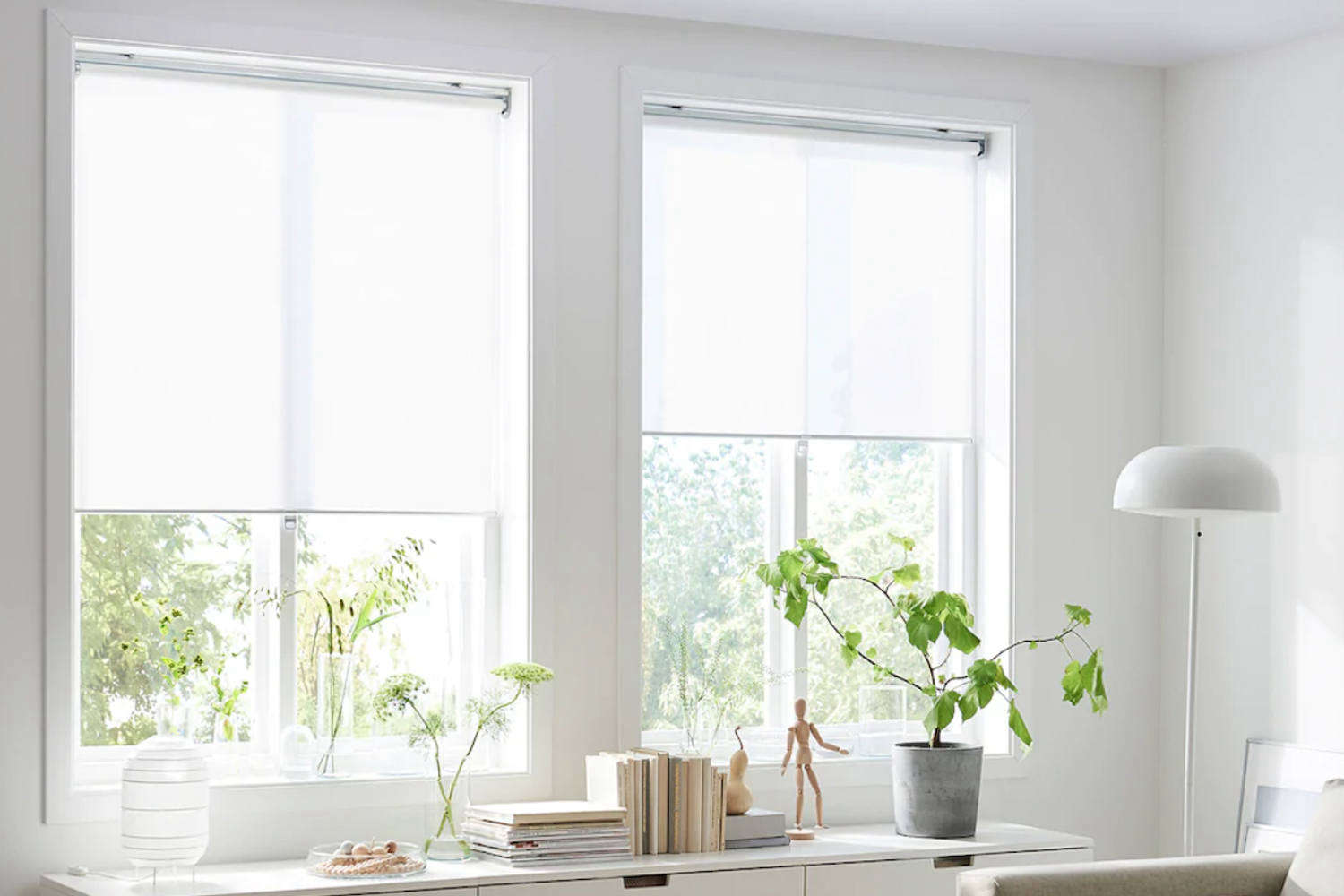
Light-filtering roller shades are fabric window shades that roll neatly around a tube when raised and lower as a flat panel when you want shade, privacy, or glare control. The fabric is usually translucent rather than fully opaque. That means it softens incoming sunlight while helping preserve a bright, pleasant room.
The best light-filtering roller shades work beautifully in living rooms, kitchens, dining rooms, home offices, breakfast nooks, and bedrooms where total darkness is not required. They are especially useful in rooms that get harsh morning or afternoon sun. Instead of letting sunlight blast across the floor like a theatrical spotlight, the shade turns it into a softer wash. Your houseplants still feel important. Your eyes feel less attacked. Everyone wins.
Light-Filtering vs. Blackout vs. Solar Shades
Light-Filtering Shades
Choose light-filtering roller shades when you want natural light, a softer atmosphere, and daytime privacy. They are ideal for common spaces and work zones where brightness matters. Many light-filtering fabrics blur views from outside during the day, but they may not provide full privacy at night when interior lights are on.
Blackout Shades
Blackout roller shades are better for bedrooms, nurseries, media rooms, and anyone who considers sunrise a personal insult. They are designed to block much more light, especially when installed as an outside mount or paired with side channels. The tradeoff is that they can make a space feel darker during the day.
Solar Shades
Solar shades are often confused with light-filtering roller shades because both roll up and down. The difference is usually in the fabric. Solar shades are made with an open weave that reduces glare and helps protect interiors from UV exposure while preserving some view outdoors. Light-filtering roller shades usually offer a softer, more fabric-like look and more privacy than many solar shades.
10 Easy Pieces: Best Light-Filtering Roller Shade Ideas
1. IKEA SANDVEDEL Roller Blind: Best Budget-Friendly Starter Shade
IKEA’s SANDVEDEL roller blind is a smart choice for renters, first apartments, guest rooms, or anyone testing the light-filtering life before committing to custom window treatments. It has a simple cordless design, a soft fabric look, and a neutral color that works with many interiors. It is not the fanciest shade in the neighborhood, but it does the job without requiring a family budget meeting.
Best for: renters, small rooms, casual spaces, budget makeovers.
2. Target Lumi Home Furnishings Slow Release Roller Shade: Best Easy Retail Pick
Target’s Lumi Home Furnishings light-filtering roller shades are appealing because they are accessible, reasonably priced, and simple enough for everyday use. The slow-release mechanism adds a more polished feel than the old-fashioned snap-up shade that launches toward the ceiling like it has somewhere urgent to be.
Best for: quick upgrades, kids’ rooms, apartments, and low-commitment decorating.
3. Home Depot Custom Home Collection Light Filtering Roller Shades: Best Basic Custom Option
Home Depot’s Custom Home Collection light-filtering roller shades are a strong middle-ground choice. They offer the benefit of custom sizing without pushing the project into luxury territory. Custom sizing matters because windows are often less standard than they look. Two windows in the same room can differ just enough to make a ready-made shade look slightly betrayed.
Best for: homeowners who want a cleaner fit than off-the-shelf shades.
4. Bali Cordless Light Filtering Roller Shades: Best Familiar Brand Choice
Bali’s cordless light-filtering roller shades are widely available and familiar to many shoppers. They are a good option for rooms where you want practical light control, a simple look, and reliable everyday use. Cordless operation is also a major advantage in homes with children or pets.
Best for: family homes, multipurpose rooms, and practical remodels.
5. LEVOLOR Custom Light Filtering Roller Shades: Best for Color and Texture Options
LEVOLOR custom roller shades are worth considering if you want more control over color, texture, and fit. Light-filtering fabrics can dramatically change the mood of a room. A warm ivory shade can make sunlight feel creamy and calm, while a cooler gray or white fabric can keep a modern space crisp. This is where ordering swatches becomes more than a nice idea; it becomes your tiny square-shaped insurance policy.
Best for: design-conscious homeowners and rooms with tricky color palettes.
6. SelectBlinds Select Light Filtering Roller Shades: Best Online Custom Pick
SelectBlinds offers light-filtering roller shades with a custom-shopping experience that appeals to DIY homeowners. The main advantage is variety: sizes, colors, textures, and lift options can be tailored to the window. For a home office, choose a fabric that reduces glare without turning the room into a bunker. For a living room, go for a warmer fabric that makes afternoon light feel intentional instead of blinding.
Best for: DIY decorators who want custom options without a showroom appointment.
7. Blinds.com Roller Shades: Best for Guided Online Shopping
Blinds.com is useful for shoppers who want many roller shade options in one place, including different opacities, brands, colors, and patterns. Roller shades are also known for being easier to clean than many softer window treatments. A flat fabric panel is less dramatic than swags and pleats, but it is also less likely to become a dust museum.
Best for: comparing brands, fabrics, and room-by-room solutions online.
8. Pottery Barn Custom Light Filtering Cordless Roller Shade: Best Elevated Neutral
Pottery Barn’s custom light-filtering cordless roller shade leans into a refined, tailored look. It is especially useful in rooms where the shade needs to feel like part of the decor rather than a purely practical add-on. The neutral fabric options pair well with linen sofas, woven rugs, wood furniture, and all those throw pillows that somehow multiply when no one is looking.
Best for: polished living rooms, dining rooms, and calm neutral interiors.
9. West Elm Custom Basketweave Unlined Roller Shade: Best Textured Modern Look
West Elm’s custom basketweave unlined roller shade is a good example of how texture can make a roller shade feel more designed. The basketweave effect adds visual warmth without requiring pattern overload. It is a smart choice for modern, organic, coastal, Scandinavian, or transitional interiors where plain white fabric might look too flat.
Best for: modern interiors that need warmth, texture, and softness.
10. Lutron, GE Lighting, and Smart Roller Shades: Best Motorized Upgrade
Motorized light-filtering roller shades are the splurge category, but they are increasingly practical. Smart shades can open and close with a remote, app, schedule, or voice assistant, depending on the system. They are helpful for tall windows, hard-to-reach windows, large banks of glass, and anyone who enjoys making the house obey commands before coffee.
Best for: smart homes, large windows, aging-in-place design, and convenience lovers.
How to Choose the Right Light-Filtering Roller Shade
Start With the Room
Every room has a different light problem. In a living room, the issue may be TV glare. In a kitchen, it may be harsh morning sun. In a home office, it may be the one sunbeam that lands directly on your screen during video calls, making you look like a mysterious witness in a documentary. Choose the shade based on how the room actually behaves during the day.
Think About Privacy at Night
Light-filtering shades usually provide good daytime privacy, but nighttime privacy can vary. When lights are on indoors, silhouettes or movement may be visible from outside, depending on the fabric and window placement. For street-facing bedrooms or bathrooms, consider room-darkening shades, blackout shades, or layered curtains.
Order Swatches Before You Commit
Fabric color changes when sunlight passes through it. A shade that looks creamy online may turn yellow in a west-facing room. A crisp white fabric may look cool and modern in one home and oddly blue in another. Swatches are small, but they prevent big regret.
Choose Inside Mount or Outside Mount
An inside mount sits within the window frame and creates a clean, built-in look. It works best when the frame is deep enough and reasonably square. An outside mount attaches above or around the window opening and can cover more glass, hide imperfect trim, and provide better privacy. Inside mount looks sleeker; outside mount forgives more sins. Windows, like people, appreciate forgiveness.
Consider Cordless for Safety and Simplicity
Cordless shades are strongly recommended in homes with young children and pets. They also look cleaner and are easier to use. Instead of dangling cords, the shade raises and lowers with a handle, spring mechanism, remote, or motorized control.
Design Tips: Making Roller Shades Look Expensive
Roller shades are minimal by nature, but minimal does not have to mean boring. To make them look more elevated, match the shade color closely to the wall or trim for a quiet, architectural effect. Choose textured fabric if the room already has simple furniture. Add drapery panels if you want softness at the sides of the window. Use a valance or cassette if you want to hide the roller mechanism.
For a designer look, consistency matters. In open-plan spaces, use the same shade fabric across connected windows. If you mix too many shade colors, the room can start to look like a sample sale with drywall. Keep it calm. Let the light do the decorating.
Maintenance and Cleaning
One of the best things about light-filtering roller shades is that they are relatively low-maintenance. Dust them with a microfiber cloth or vacuum gently with a brush attachment. For small marks, spot-clean according to the manufacturer’s instructions. Avoid soaking the fabric unless the brand specifically says it is safe. A roller shade is not a beach towel, even if it lives near a sunny window.
Check the mechanism occasionally. If the shade rolls unevenly, make sure the brackets are level and the fabric has not shifted on the tube. With cordless and motorized shades, smooth operation depends on proper installation, so take your time at the bracket stage. This is the moment when patience pays rent.
Common Mistakes to Avoid
Buying Before Measuring Correctly
Measure the width at the top, middle, and bottom of the window. Measure the height on both sides and in the center. For inside mounts, use the smallest width. For outside mounts, decide how much extra coverage you want beyond the window opening. Write everything down. Guessing is charming in a birthday card, not in window treatments.
Ignoring the Direction of Sunlight
South- and west-facing windows often need stronger glare control. East-facing rooms may need morning softness. North-facing rooms may need the lightest fabric possible so they do not feel dim. The same shade can perform differently depending on exposure.
Expecting Full Blackout From Light-Filtering Fabric
Light-filtering means exactly that: it filters light. It does not eliminate it. If you need darkness for sleep, migraines, shift work, or movie nights, choose blackout shades or pair light-filtering shades with drapes.
500-Word Experience Section: What It Is Really Like to Live With Light-Filtering Roller Shades
Living with light-filtering roller shades is a little like discovering your windows have a volume knob. Before installing them, sunlight often feels binary: either the room is bright enough to land aircraft, or the curtains are closed and the space looks like a polite cave. Light-filtering roller shades create a middle setting. They let the room stay awake without making everyone in it squint, sweat, or dramatically relocate to the other side of the sofa.
In a home office, the difference can be immediate. A bare window may look beautiful at 8 a.m., but by 2 p.m. it can turn a laptop screen into a mirror. With a light-filtering roller shade lowered halfway or fully down, the glare softens while the room still feels productive. You are not working in darkness, and you are not angling your monitor like you are trying to receive secret signals from space. For anyone who spends hours on video calls, the softer light can also be flattering. It is not a professional lighting kit, but it is better than appearing on screen as a glowing forehead with opinions.
In the living room, light-filtering shades help create a more relaxed atmosphere. They are especially useful in homes with large windows, sliding doors, or open layouts. On bright days, they reduce the harsh contrast between sunlit floors and shaded corners. Furniture looks calmer. Wood tones look warmer. Upholstery is less exposed to direct sunlight. The room still feels connected to the outdoors, but with fewer solar ambushes.
In kitchens and dining areas, these shades are practical because they do not add bulk. Fabric curtains near food prep areas can feel fussy, and blinds can collect dust and cooking residue. A simple roller shade keeps the line clean. It can disappear during the day when fully raised, then drop down when the sun hits the breakfast table at the exact angle that makes coffee look like molten lava.
The biggest lesson from using light-filtering roller shades is that fabric choice matters more than most people expect. A white shade gives a crisp, bright effect, while ivory or natural tones create a warmer glow. Gray can look elegant in modern rooms but may cool down the light. Textured fabrics are forgiving and often look more expensive than flat ones. This is why swatches are so important. Tape them to the window and watch them in morning, afternoon, and evening light. Yes, it feels a little intense. No, you will not regret it.
Another experience-based tip: cordless operation is worth prioritizing. It looks cleaner, feels easier, and avoids dangling cords. Motorized shades are even more convenient, especially for tall windows or multiple shades in one room. Once you schedule shades to lower during the hottest part of the day, manual operation starts to feel suspiciously medieval.
Finally, light-filtering roller shades are at their best when treated as part of the room, not an afterthought. Match them to wall color for quiet elegance, choose texture for warmth, or layer them with drapery panels for a softer designer look. They are not loud, glamorous, or dramatic. They are better than that: they are useful every single day. In home design, that kind of quiet competence is basically a superpower wearing linen.
Conclusion
Light-filtering roller shades are one of the easiest ways to improve comfort, privacy, and style without overcomplicating a room. They reduce glare, soften sunlight, and keep interiors bright enough for real life. Whether you choose a budget IKEA shade, a custom Pottery Barn or West Elm option, a practical Home Depot solution, or a motorized smart shade, the key is to match the fabric, mount, and opacity to the room’s actual needs.
The best light-filtering roller shades do not shout for attention. They simply make the room feel better. They let in the good light, tame the annoying light, and help your home look more finished. That is a lot of work for one tidy roll of fabric.