

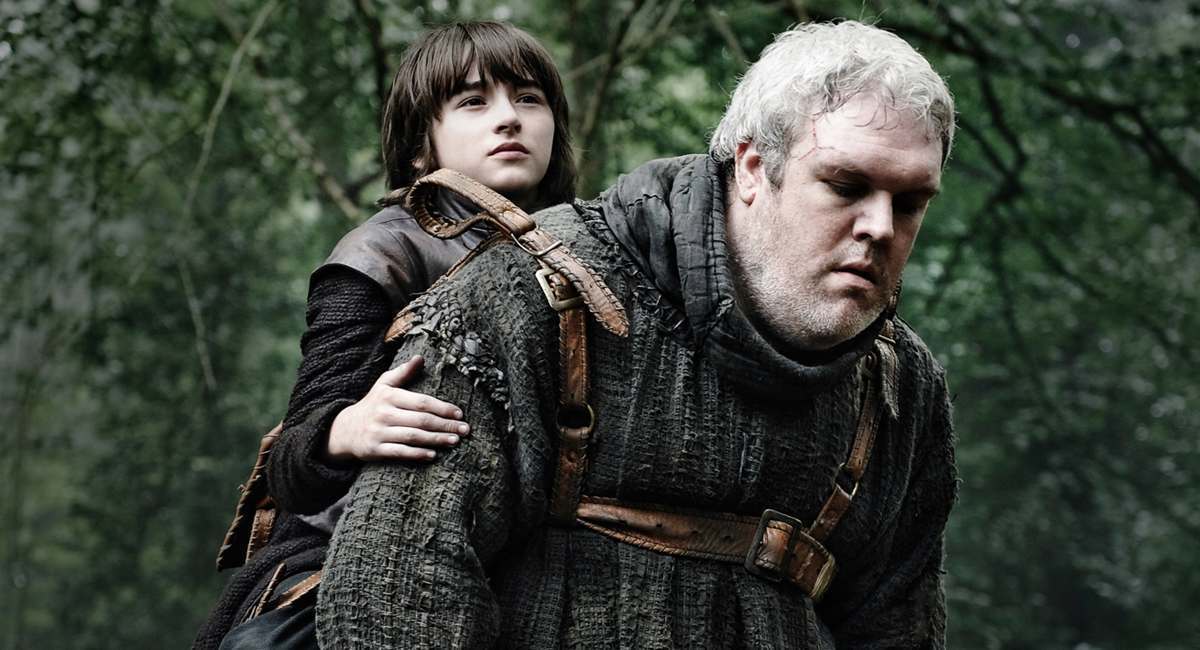
Warning: major spoilers for A Song of Ice and Fire and HBO’s Game of Thrones.
If HBO ever rebooted Game of Thrones with the books as the strict blueprint, the internet would not simply react. It would combust, form a council, betray that council, and then start three podcasts about why the betrayal was “actually foreshadowed in chapter 27.” George R. R. Martin’s A Song of Ice and Fire is darker, stranger, messier, and much more politically tangled than the television version. The show was already famous for shocking deaths, complicated villains, and dinner parties that made weddings look unsafe. Yet several book plots never made it to screen, or arrived in such altered form that fans still argue about them like ravens with Wi-Fi.
That is why these five GoT book plots would be television dynamite. Some could trigger boycotts from viewers who prefer their fantasy with fewer moral cave-ins. Others could double ratings because, frankly, chaos sells. The Red Wedding was horrifying, but it also became appointment television. These storylines carry the same dangerous mix: emotional payoff, controversial twists, supernatural weirdness, political ambition, and enough fan debate to keep comment sections fed for a decade.
So, which A Song of Ice and Fire book plots would make modern audiences rage-refresh their feeds or subscribe faster than Littlefinger changes loyalties? Let’s open the scroll.
1. Lady Stoneheart: Catelyn Stark Returns, But Not for Hugs
In the show, Catelyn Stark dies at the Red Wedding and stays dead. In the books, death is apparently more of a suggestion. After her murder, Catelyn is resurrected by Beric Dondarrion and returns as Lady Stoneheart, a silent, mutilated, vengeance-driven figure leading the Brotherhood Without Banners. She is not the warm, grieving mother viewers knew. She is grief after it has been left in the rain too long.
This plot would cause instant debate because it transforms one of the story’s most sympathetic characters into something terrifying. Lady Stoneheart is not interested in justice with clean paperwork. She wants Freys, Lannisters, and anyone connected to the Red Wedding punished. Trial? Maybe. Mercy? Not really on the menu.
Why It Could Cause Boycotts
Audiences loved Catelyn as a tragic mother. Bringing her back as a merciless executioner could feel cruel, especially for viewers who see resurrection as a chance for healing. Instead, Martin uses it as a warning: revenge does not restore the dead; it recruits them. That is a grim theme, and not everyone wants their Sunday-night fantasy to whisper, “closure is fake.”
Why It Could Double Ratings
Because Lady Stoneheart is exactly the kind of jaw-drop character that makes casual viewers scream, book readers smirk, and social media explode. Imagine the final scene of an episode: a hooded figure steps forward, the Brotherhood kneels, and the audience realizes Catelyn Stark has returned. HBO servers would hear the Rains of Castamere and begin sweating.
2. Young Griff: Aegon Targaryen Enters the Chat
One of the biggest book-only twists is Young Griff, a teenage boy who claims to be Aegon Targaryen, the supposedly murdered son of Rhaegar Targaryen and Elia Martell. If true, he has a stronger claim to the Iron Throne than Daenerys. If false, he may be the best political scam in Westeros, which is saying something in a land where people treat treason like a seasonal vegetable.
Young Griff travels with Jon Connington, a former Hand of the King and loyalist to House Targaryen. Their storyline introduces a fresh invasion of Westeros backed by the Golden Company. On television, this would radically reshape the endgame. Suddenly, Daenerys would not arrive as the obvious Targaryen claimant. She would arrive to find another dragon banner already planted.
Why It Could Cause Boycotts
Viewers who spent years investing in Daenerys might resent a late-stage rival with a royal birth certificate and suspiciously convenient timing. The complaint would be predictable: “Where did this guy come from?” Fair question. But in the books, his arrival is built through layered politics, secrets, and old loyalties. On screen, mishandled pacing could make him feel like Westeros downloaded a new protagonist without asking permission.
Why It Could Double Ratings
Because a second Targaryen claimant changes everything. It gives Daenerys a political conflict more complex than “burn enemies, give speech, repeat.” It also makes Varys, the Martells, and the exiled loyalists more dangerous. Young Griff could turn the final seasons into a true succession crisis instead of a straight road toward dragon-powered conquest. Fans love a mystery, and “Is Aegon real?” is premium-grade theory fuel.
3. Arianne Martell and the Queenmaker Plot: Dorne With Actual Teeth
The show’s Dorne storyline became infamous for all the wrong reasons. In the books, however, Dorne is not a sunny detour with knives and awkward dialogue. It is a patient political machine shaped by grief, inheritance law, and revenge. At the center is Arianne Martell, daughter of Prince Doran Martell and heir to Sunspear.
Arianne believes her father is too passive after the deaths of Elia and Oberyn Martell. Her response is the Queenmaker plot: crown Myrcella Baratheon as queen over her younger brother Tommen, using Dornish inheritance customs as a political weapon. The plan collapses, Ser Arys Oakheart dies, Myrcella is injured, and Arianne is imprisoned by her father, who reveals that his caution hides a much larger anti-Lannister strategy.
Why It Could Cause Boycotts
This plot involves political manipulation of a child, a princess being placed in danger, and a painful injury to Myrcella, who is one of the few genuinely decent young people in the story. Viewers might also be divided over Arianne. Is she bold and mistreated? Reckless and self-centered? Both? Congratulations, you have found the Martin answer.
Why It Could Double Ratings
Arianne would give Dorne the complexity it deserved. She is ambitious, intelligent, flawed, and emotionally believable. Her conflict with Doran is not simply young fire versus old ice; it is about how oppressed grief becomes strategy. A faithful adaptation would add court intrigue, gender politics, family tension, and a reason for Dorne to matter beyond “someone poisoned someone, probably.”
4. Book Euron Greyjoy: Pirate King, Occult Menace, Walking Red Flag
HBO’s Euron Greyjoy was a swaggering pirate who seemed designed by a committee asked to create “evil Jack Sparrow, but make him yell.” Book Euron is much worseand much more interesting. He is a sadistic, mystical, manipulative figure surrounded by rumors of forbidden magic, strange artifacts, and apocalyptic ambition. His ship, the Silence, is crewed by men whose tongues have been cut out. Subtle? No. Effective? Horribly.
Book Euron does not just want a crown. He appears to want transcendence, terror, and possibly a role in forces far larger than normal politics. His possession of Dragonbinder, a horn said to control dragons at deadly cost, makes him a direct threat to Daenerys and the entire balance of power.
Why It Could Cause Boycotts
A faithful Euron would push the show deeper into horror. His cruelty, abuse, and occult imagery could alienate viewers who prefer palace intrigue over nightmare fuel. He is not a fun villain. He is the kind of character who makes the room feel colder, then asks if anyone has seen his magic horn of doom.
Why It Could Double Ratings
Because modern fantasy audiences love a villain who feels genuinely dangerous. Book Euron could have been the show’s bridge between human politics and cosmic horror. He would make the Iron Islands relevant, Daenerys vulnerable, and the magical side of the story feel unpredictable again. Done well, he would not be comic relief. He would be the storm cloud wearing a crown.
5. Jeyne Poole, Fake Arya, and the Northern Conspiracy
One of the show’s most controversial adaptation choices was giving Sansa Stark a storyline that, in the books, belongs to Jeyne Poole. Jeyne is a childhood friend of Sansa who is forced to pretend she is Arya Stark so the Boltons can strengthen their claim to Winterfell. Her marriage to Ramsay Bolton is brutal, and Theon Greyjoy’s involvement in helping her escape becomes one of the bleakest, most painful redemption arcs in the series.
The books also surround this horror with a larger Northern conspiracy. Houses that appear to serve the Boltons may secretly be plotting revenge for the Starks. Wyman Manderly, the mountain clans, Stannis Baratheon’s campaign, and the memory of Robb Stark all create a sense that the North is not dead. It is waiting.
Why It Could Cause Boycotts
This plot is emotionally punishing. It deals with captivity, abuse, identity theft, political exploitation, and trauma. Even without graphic depiction, it would need extraordinary care. Viewers already reacted strongly to the show’s treatment of Sansa in a similar scenario. A faithful Jeyne Poole arc would likely reignite debates about whether prestige television uses suffering responsibly or simply calls it “dark storytelling” and hopes no one asks too many questions.
Why It Could Double Ratings
Handled with restraint, this plot could be devastating in the right way. It gives Theon’s redemption sharper moral weight and makes the North’s revenge feel earned. It also restores the political intelligence of the Northern houses. Instead of everyone simply waiting for a hero to arrive, the North becomes a chessboard of secret loyalties. That is classic Game of Thrones: pain, strategy, and a pie you should absolutely not eat without asking questions.
Why These Book Plots Still Matter
The reason these Game of Thrones book differences remain so fascinating is not that the show was required to include everything. Adaptation always means cutting, compressing, and reshaping. Television has budgets, actors, schedules, and viewers who may not want to memorize seventeen new banner sigils before breakfast. The issue is that these omitted plots carry themes the final seasons sometimes rushed: revenge, legitimacy, identity, trauma, magic, and the long consequences of political violence.
Lady Stoneheart asks what revenge does to love. Young Griff asks whether blood claims matter if the story is useful enough. Arianne Martell asks how power changes when inheritance laws differ from patriarchal expectations. Book Euron asks whether human ambition can invite supernatural disaster. Jeyne Poole asks what happens to the powerless when great houses need symbols more than people.
In other words, these are not just “cool missing scenes.” They are pressure points. Include them, and the whole story shifts. Cut them, and the adaptation becomes leaner, faster, and sometimes less morally tangled. That trade-off helped make HBO’s show accessible, but it also left book readers pointing at empty spaces like Maesters inspecting suspicious ravens.
Experience Section: Watching These Plots as a Fan Would Be Glorious Chaos
Here is the honest viewing experience: if these five book plots appeared in a modern Game of Thrones reboot, watching the show would feel less like casual entertainment and more like attending a weekly emotional ambush. You would not simply sit down with popcorn. You would check your group chat, charge your phone, warn your neighbors, and prepare to explain why a resurrected noblewoman hanging people in the riverlands is “important for thematic reasons.” Completely normal behavior.
Lady Stoneheart would be the first major test. Book readers would wait for her like sports fans waiting for a championship buzzer. New viewers would wonder why everyone online suddenly became obsessed with hoods, ropes, and the phrase “Mother Merciless.” The reveal would be unforgettable, but the follow-up would decide everything. If the show treated her as a cheap zombie twist, fans would revolt. If it treated her as the emotional corpse of the Red Wedding, the ratings would soar.
Young Griff would create a different experience: theory warfare. Is he really Aegon? Is he a Blackfyre pretender? Is Varys playing the longest con in Westeros? Every episode would produce a fresh wave of family trees, map breakdowns, and videos with titles like “This One Cloak Color Proves Everything.” That kind of mystery is perfect for search traffic because it gives fans something to investigate between episodes. The danger is pacing. Introduce him too late, and audiences may reject him. Build him carefully, and he becomes the political grenade the final act needs.
Arianne Martell would be the fan-favorite correction. Viewers who felt Dorne was wasted would finally see why Sunspear matters. Her Queenmaker plot would be messy, emotional, and divisive, which is exactly the point. She is not a flawless hero. She is a young leader trying to act inside a system that underestimates her, and she makes dangerous mistakes. That is far more interesting than a simple revenge cartoon.
Book Euron would be the “turn the lights on” storyline. He would bring dread back to the sea. Every scene with him should feel like the show briefly changed genres and forgot to warn us. Meanwhile, Jeyne Poole and the Northern conspiracy would be the hardest to watch but possibly the most rewarding. If adapted with sensitivity, that arc could make Theon’s redemption and Northern vengeance hit with enormous force.
The shared experience would be loud, chaotic, and occasionally exhausting. Some fans would call for boycotts. Others would call it the best fantasy television in years. Many would do both in the same thread. That contradiction is the true spirit of Game of Thrones: we complain, we analyze, we return next week. Like Westerosi nobles at a doomed wedding, we know something terrible might happen, but the food is intriguing and the music has just started playing.
Conclusion
The five book plots above prove that A Song of Ice and Fire is not just a longer version of Game of Thrones. It is a stranger, denser, and more dangerous beast. Lady Stoneheart, Young Griff, Arianne Martell, book Euron, and Jeyne Poole would all challenge television audiences in different ways. Some would provoke outrage. Some would revive fan obsession. The best ones would do both.
Would these storylines cause boycotts? Probably. Would they double ratings? Also probably. In Westeros, controversy and curiosity ride the same horse, and that horse is usually stolen.
Editorial note: This article is an original SEO-focused analysis based on real differences between George R. R. Martin’s books and HBO’s adaptation, written for publication in standard American English.