

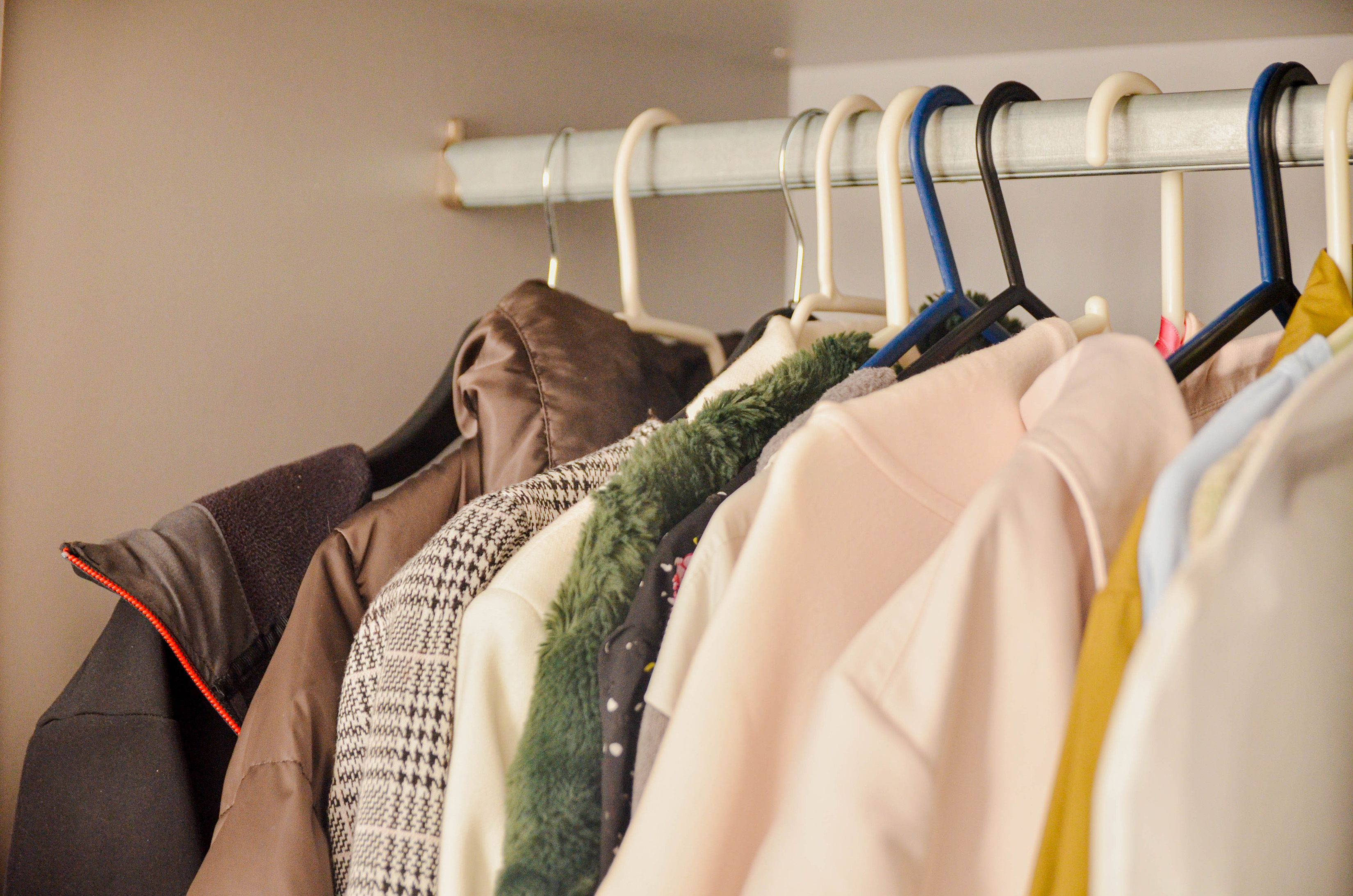
Your coat closet has one job: help you get out the door without turning your morning into a scavenger hunt. But somehow, this tiny space often becomes the household’s unofficial holding cell for random junk. One week it’s a couple of jackets. The next, it’s half a pharmacy, three reusable grocery bags, a lonely snow boot, expired sunscreen, holiday lights, and a charger that belongs to absolutely nothing you own.
If that sounds familiar, congratulationsyou’re human. The good news is that a functional coat closet does not require a celebrity organizer, custom millwork, or a label maker with emotional support privileges. It just requires keeping the wrong stuff out.
A well-organized coat closet should be easy to use, quick to maintain, and focused on grab-and-go items like outerwear, a few daily shoes, umbrellas, and maybe a tote or two. Once it starts storing everything else, it stops being a coat closet and starts behaving like a tiny, judgmental garage. Here are the 10 things you shouldn’t keep in the coat closet if you want the space to stay clean, useful, and sane.
Why the Coat Closet Gets Out of Control So Fast
The coat closet sits in a dangerous location: right by the entry. That makes it convenient, but it also makes it a magnet for every item you don’t want to deal with right now. It becomes the “I’ll put this here for a second” zone. And, as every homeowner knows, “for a second” is one of the longest units of time in domestic life.
The trick is to protect this space from category creep. If it doesn’t help you leave the house, come home, or store outerwear neatly, it probably doesn’t belong there. Think of your entryway closet as prime real estate. You would not build a warehouse in the middle of Times Square. Do not build one behind your front door, either.
1. Cleaning Products
Cleaning sprays, bleach, stain removers, and other household chemicals do not belong in the coat closet. First, they can leak. Second, they can create strong odors that cling to coats, scarves, and fabric bags. Third, if your coat closet is easy for kids or pets to access, storing chemicals there can create a safety problem you really do not need.
Even when bottles are sealed, this category is better stored in a utility area, laundry room, or a higher cabinet designed for household supplies. Your wool coat should smell like winter air, not lemon disinfectant with a side of mystery fumes.
What to store instead
Keep only an emergency lint roller or a small fabric brush in the coat closet. Save the heavy-duty cleaners for a more appropriate storage zone.
2. Food and Snacks
Yes, even that box of granola bars you swear is “just temporary.” Food in a coat closet is a bad idea because it can attract pests, create crumbs, and introduce smells into a space meant for fabric and shoes. It also tends to get forgotten, which means you are one overdue pantry cleanup away from discovering a bag of crackers that predates your current haircut.
Closets near entryways are not climate-controlled pantries. Temperature swings, poor visibility, and low turnover make them a poor choice for anything edible. Pet treats and pet food are part of this category, too. If it crunches, crumbles, or smells remotely interesting to a mouse, it does not belong next to your trench coat.
What to store instead
Move all snacks, pet food, and shelf-stable groceries to the pantry or kitchen cabinets where they are easy to monitor and rotate.
3. Important Papers and Mail Piles
Mail has a sneaky way of multiplying in dark spaces. One unopened envelope becomes a stack. Then the stack becomes a mini paper avalanche stuffed between shopping bags and an umbrella you haven’t seen since March.
Your coat closet is not a filing cabinet. Important documents can get bent, buried, or lost under seasonal gear. Everyday mail is even worse because it encourages procrastination. Out of sight rarely means handled. It usually means forgotten until tax season, when you suddenly develop a deep personal relationship with panic.
What to store instead
Create a dedicated paper station elsewherea small inbox tray, wall organizer, or file box. Keep the coat closet focused on actual entryway essentials, not paperwork roulette.
4. Off-Season or Unworn Coats
This one sounds ridiculous until you count how many coats are in there. If your coat closet is jammed with jackets from every season plus a formal coat you wore once in 2018, the space becomes less functional every day. Crowding makes it harder to grab what you need, wrinkles clothing, and hides pieces you forgot you even owned.
A good coat closet should hold your current rotation, not your entire outerwear biography. If it’s July, your giant parka does not need front-row seating. If a coat no longer fits, feels itchy, or belongs to a former version of your life who attended outdoor festivals in the rain, let it go.
What to store instead
Keep only the coats you wear right now. Move off-season items to long-term storage in proper bins, and donate anything you haven’t used in ages.
5. Cardboard Boxes Full of Clothing or Linens
Cardboard might seem handy, but it is not ideal for storing clothing, scarves, hats, or linens in a coat closet. Boxes eat up valuable floor space, make the closet look bulkier, and can expose fabrics to dust, moisture issues, and pests. They also create visual clutter that makes the whole closet feel like a shipping department.
And let’s be honest: once something goes into a random cardboard box in the coat closet, it basically enters the witness protection program. You will not see it again until you move houses.
What to store instead
If you truly need to store soft goods, use sealed, labeled bins in a better storage area. In the coat closet, keep the floor as open as possible for easy access.
6. Bedding, Towels, and Extra Linens
Can hall closets hold linens? Sometimes, yes. But your coat closet specifically should not become a backup linen closet if it is already your main entry storage area. Bedding and towels take up a surprising amount of room, and they do not mix especially well with damp coats, outdoor shoes, and muddy umbrellas.
Even clean linens can pick up odors when stored in the wrong place. If your coat closet gets frequent traffic, fluctuating humidity, or the occasional wet rain jacket, that fluffy guest towel is not living its best life in there.
What to store instead
Store linens in a bedroom closet, linen closet, or closed cabinet where they are protected from dirt, moisture, and daily chaos.
7. Holiday Decorations and Party Supplies
String lights, gift wrap, fake pumpkins, spare ribbon, paper plates, and the plastic bin of “fun entertaining stuff” should not live in the coat closet. Seasonal decorations are bulky, awkwardly shaped, and rarely needed on a grab-and-go basis. They eat up vertical and floor space that should be reserved for items you actually use every week.
This is one of the biggest reasons coat closets become cluttered. Seasonal items get tucked in there “for now,” then stay through three equinoxes and an argument about where the extension cords went.
What to store instead
Move décor and party extras to attic, basement, garage shelving, or clearly labeled long-term storage bins kept elsewhere in the home.
8. Bulky Gear, Exercise Equipment, and Camping Supplies
Your coat closet is not a sporting goods annex. Yoga mats, dumbbells, camping stoves, sleeping bags, folding chairs, and hiking packs are all too bulky for a space designed around coats and quick entry access. These items can also bring in dirt, moisture, and odors, especially if they have been used outdoors.
Once bulky gear moves in, daily essentials become hard to reach. Then family members start dropping coats on chairs instead of hanging them up, because the closet feels like a puzzle game with no rewards.
What to store instead
Give sports and outdoor gear its own zone in a garage, mudroom, storage bench, or utility closet. Group by activity so it is easier to find when needed.
9. Dirty, Uncomfortable, or Excess Shoes
A few everyday shoes near the entryway make sense. Twenty-three pairs, including muddy boots, sandals from a vacation three summers ago, and heels no one can walk in, do not. Excess footwear crowds the closet floor, traps odors, and makes cleaning harder.
Dirty shoes are especially problematic in a coat closet because they transfer grime to everything around them. That includes bags, hanging hems, and the floor itself. If your closet smells like a locker room with commitment issues, the shoe pile is probably the reason.
What to store instead
Keep only the shoes currently in rotation by the door. Clean them first, use a tray for wet boots, and relocate rarely worn or specialty footwear to bedroom closets or another dedicated area.
10. Random “I Might Need This Someday” Items
This is the grand champion of coat closet clutter. Reusable bags you never use, mystery cords, old batteries, one mitten, empty gift bags, shopping receipts, half-burned candles, tiny tools, dried-up sunscreen, and weird little objects that somehow escaped every other roomthese are the freeloaders turning your closet into a junk drawer with a hanging rod.
The “someday” category feels harmless because each item is small. But together, they create friction. They make the closet harder to use, harder to clean, and harder to maintain. If an item has no clear purpose, no assigned home, and no recent use, the coat closet should not be forced to adopt it.
What to store instead
Sort these by category. Recycle, toss, donate, or relocate them to spaces where they actually belong. The coat closet should never be your home’s lost-and-found bin.
What Actually Belongs in a Coat Closet?
Now that we have evicted the usual suspects, what should stay? The answer is simple: items that support your daily exit and return routine. That usually includes coats, jackets, umbrellas, a limited number of frequently used shoes, a small bag section, and perhaps a basket for hats, gloves, or dog-walking gear.
If you want this area to stay organized, give every category a limit. For example, each person gets one hook zone, one shelf, or one basket. Wet items should have a tray. Small accessories should have bins. And anything that doesn’t belong should leave the closet immediately instead of trying to blend in like a storage spy.
How to Keep the Coat Closet from Relapsing
The best coat closet organization ideas are not fancy. They are repeatable. Edit the space every season. Remove anything no longer used. Toss trash immediately. Donate unworn outerwear before it turns into sentimental square footage. Keep the floor visible. Use uniform hangers if possible. Label bins if your household includes people who ask where the gloves are while standing directly in front of the glove bin.
Most importantly, create a rule: the coat closet is not temporary storage. Temporary storage is how clutter enters the house wearing a fake mustache and never leaves.
Real-Life Experience: What Happens When a Coat Closet Becomes a Mini Landfill
I once helped tackle a coat closet that looked normal from the outside and absolutely lawless on the inside. Open the door, and it was a full documentary on delayed decisions. There were winter coats packed so tightly together they had formed a textile alliance. The floor held rain boots, soccer cleats, a broken umbrella, and a gift bag stuffed with batteries, receipts, and one birthday card from two years earlier. A bottle of glass cleaner was leaking quietly in the back like a villain in a low-budget thriller.
At first, the family insisted they “used everything.” This is a classic line in the clutter world, right up there with “the charger probably fits something” and “I was saving that box just in case.” But once we started pulling items out, the truth showed up quickly. Three coats belonged to kids who had outgrown them. Several scarves were never worn because no one could find them. The reusable bags had multiplied like rabbits with a coupon code. And the mystery shoe situation? Nobody claimed ownership of at least four pairs, which is honestly impressive.
The biggest surprise was how much stress the closet caused without anyone noticing. Mornings were chaotic because nothing was easy to grab. Wet shoes had no tray, so the floor stayed messy. Important mail got shoved onto a shelf and disappeared. The family kept buying gloves because the old ones were always “missing,” even though they were actually buried behind a flashlight and a party banner. Once the closet was cleared, sorted, and reset with basic zones, the entire entry felt calmer. Not glamorous. Not magazine-cover dramatic. Just easier.
That is really the point of a coat closet. It should reduce friction, not create it. When the space is doing too many jobs, every trip out the door feels slightly more annoying than it needs to be. You waste time hunting for things you already own. You rebuy items that were never actually lost. You shove one more object in there because the mess already feels irreversible. Then one day the closet door stops closing, and suddenly the problem has a sound effect.
After that cleanout, the family kept only daily coats, a basket for hats and gloves, a boot tray, and a few hooks for bags. Everything else got relocated, donated, recycled, or thrown away. Two weeks later, they said mornings felt smoother and the entryway looked bigger, even though no renovation had happened. That is the magic of removing what doesn’t belong. Sometimes the fastest way to improve storage is not buying another organizer. It is finally admitting that your coat closet should store coatsand not the entire plotline of your household.
Conclusion
If your coat closet has been moonlighting as a pantry, junk drawer, archive room, linen shelf, gear locker, and chemistry lab, now is the time to stage an intervention. The most functional entryway storage is selective, seasonal, and ruthlessly practical. Keep what supports daily life. Remove what adds friction. And remember: the coat closet should help you leave the house with dignity, not trap you in a wrestling match with a yoga mat and a bag of stale pretzels.