

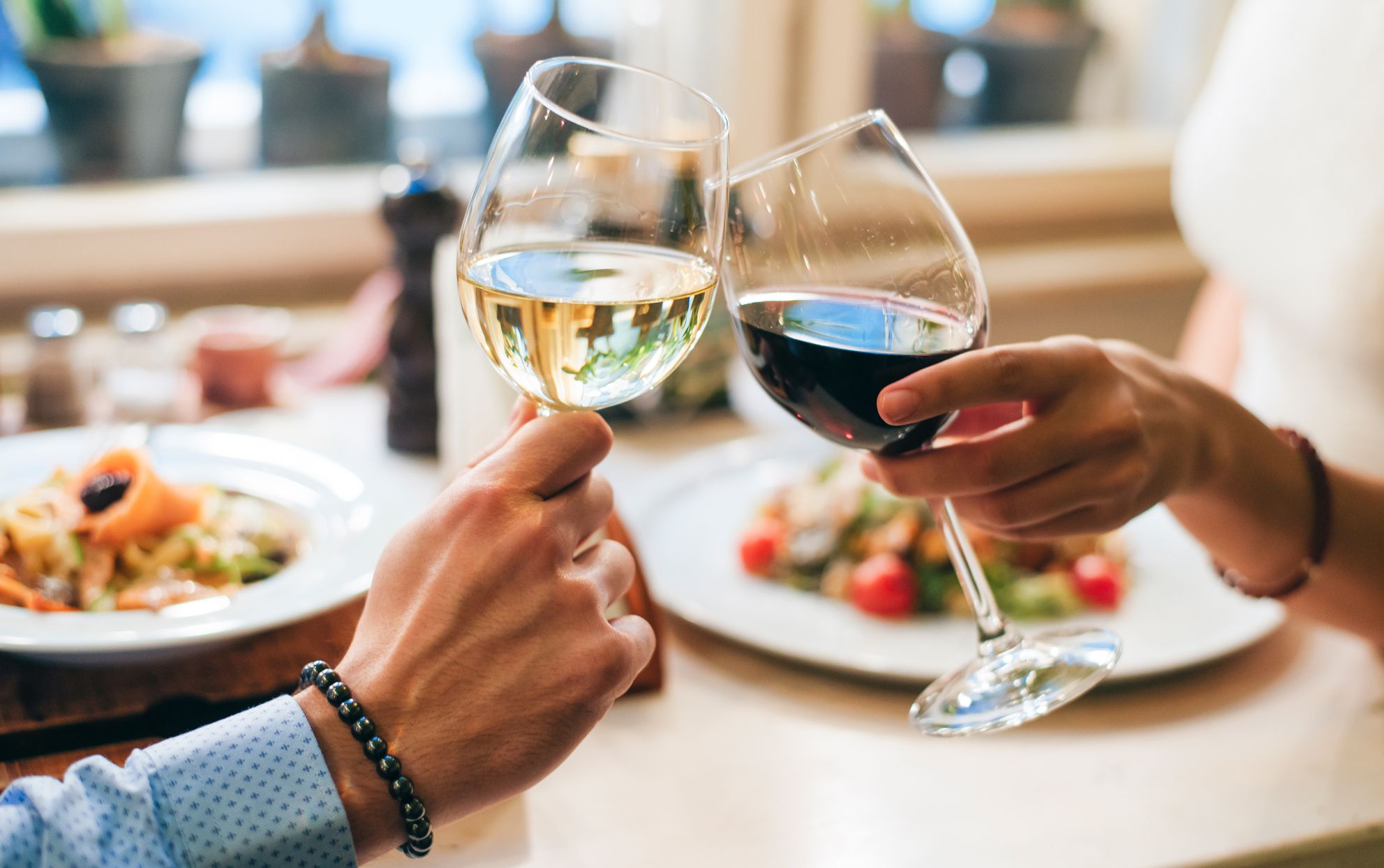
Thanksgiving dinner has a special way of turning ordinary people into logistics managers, amateur pie critics, folding-chair engineers, and emotional poets with gravy on their sleeves. Somewhere between the turkey carving, the passing of the mashed potatoes, and the annual debate over whether stuffing should be called dressing, there is a perfect little moment to raise a glass and say what everyone is feeling: we are lucky to be here together.
That is where a good Thanksgiving toast comes in. It does not need to be dramatic. It should not last longer than the pumpkin pie needs to cool. The best Thanksgiving toasts are short, sincere, warm, and personal enough to feel real. They honor the host, celebrate the people at the table, remember the blessings of the year, and gently remind everyone that gratitude is the main course, even if the sweet potato casserole is trying very hard to steal the show.
Below are 11 heartfelt Thanksgiving toasts our editors love because they work for real families, real friends, and real holiday tablesthe kind with mismatched chairs, excited kids, one uncle asking where the cranberry sauce is, and at least one person guarding the rolls like a dragon with a butter knife.
Why a Thanksgiving Toast Matters
A Thanksgiving toast is more than a few nice words before dinner. It creates a pause. In a holiday often packed with cooking, cleaning, travel, family updates, and the gentle chaos of a full house, a toast gives everyone permission to breathe for a minute. It turns the meal from “food is ready” into “this moment matters.”
The tradition of giving thanks at the table fits naturally with the spirit of the holiday. Thanksgiving in the United States has long been associated with gathering, gratitude, harvest meals, family traditions, and shared reflection. Today, families celebrate in many different ways. Some say grace, some go around the table naming what they are thankful for, some keep it casual, and some simply clink glasses and smile. The style may change from home to home, but the heart of the moment remains the same.
How to Give a Thanksgiving Toast Without Panicking
If the thought of speaking at the table makes you want to hide behind the green bean casserole, you are not alone. The good news is that a Thanksgiving dinner toast is not a keynote speech. No slideshow required. No laser pointer. No dramatic walk-up music. Keep it simple, and you will be fine.
Keep It Short
A strong Thanksgiving toast can be 20 to 60 seconds. That is enough time to welcome everyone, name the feeling of the day, and invite people to raise their glasses. If the rolls are still warm, do not make them wait for your full autobiography.
Make It Specific
Instead of saying only, “I’m thankful for everyone,” add one detail. Mention the people who traveled, the host who cooked, the kids who decorated place cards, or the family member who made the pie from scratch. Specific gratitude feels alive.
Avoid Roasting Anyone
Thanksgiving humor is welcome. Thanksgiving humiliation is not. A toast should lift the room, not turn into a comedy special about someone’s dry turkey from 2009. If the joke would make one person uncomfortable, save it for never.
End With a Clear Invitation
Close with a simple line such as “To family,” “To gratitude,” or “To another year around this table.” People like knowing when to raise their glasses. Otherwise, everyone just hovers awkwardly, which is festive in its own confusing way.
11 Heartfelt Thanksgiving Toasts Our Editors Love
1. The Classic Gratitude Toast
Toast: “Today, we give thanks for the food before us, the people beside us, and the love that brings us back to this table. May we notice the small blessings, remember the big ones, and carry this gratitude far beyond tonight. To Thanksgiving, to togetherness, and to all of you.”
Why it works: This Thanksgiving toast is timeless because it covers the essentials: food, family, love, and gratitude. It is warm without being too formal, and it fits almost any tablefrom a large family dinner to a cozy Friendsgiving.
2. The Host Appreciation Toast
Toast: “Before we dig in, let’s raise a glass to our wonderful host. Thank you for opening your home, filling this table, and making everyone feel welcome. A meal like this takes time, patience, planning, and probably at least one emergency trip to the store. We are grateful for every bit of it.”
Why it works: Thanksgiving hosts do a lot. They plan the menu, clean the house, coordinate arrival times, and somehow make space for thirteen dishes in one oven. A host appreciation toast is gracious, practical, and always well received.
3. The “We Made It Through the Year” Toast
Toast: “This year gave us surprises, lessons, long days, good news, hard moments, and reasons to keep going. Tonight, we pause to be thankfulnot because everything was perfect, but because we had each other through it. To resilience, to love, and to the gift of another Thanksgiving together.”
Why it works: Not every year is easy, and pretending otherwise can make a toast feel thin. This one acknowledges real life while still ending on hope. It is especially meaningful after a year of change, challenge, or transition.
4. The Chosen Family Toast
Toast: “Thanksgiving reminds us that family is not only about where we come from. Sometimes it is also about the people who show up, save us a seat, bring extra dessert, and make life feel a little less heavy. Tonight, I’m grateful for this chosen family and the joy we create together.”
Why it works: Many Thanksgiving tables include friends, neighbors, partners, roommates, coworkers, and guests who are far from home. This toast makes everyone feel included, even if they do not share the same last name or secret stuffing recipe.
5. The Toast for Loved Ones Near and Far
Toast: “As we gather tonight, we are thankful for everyone at this table and for the people we love who cannot be here with us. May they feel our love across the miles, and may this meal remind us that connection is not measured only by distance. To those here, those away, and those always in our hearts.”
Why it works: Holidays can bring joy and tenderness at the same time. This toast gently honors absent loved ones without making the room too heavy. It is thoughtful, respectful, and deeply human.
6. The Kids-at-the-Table Toast
Toast: “Today, we are thankful for the big things, the little things, and the little people who make this house louder, brighter, and much more likely to have crumbs in mysterious places. May we never forget the joy of simple blessings, sticky fingers, and second helpings. To the next generation and the memories we are making for them.”
Why it works: This toast adds humor and warmth while celebrating children as part of the holiday, not just tiny guests waiting for dessert. It is perfect for family gatherings with kids, grandkids, nieces, nephews, or young cousins.
7. The Food-Lover’s Thanksgiving Toast
Toast: “To the turkey, the sides, the pies, and every dish made with love. To the recipes passed down, the new experiments, the crispy edges, the secret ingredients, and the cook who made sure nobody leaves hungry. May our plates be full, our hearts fuller, and our leftovers legendary.”
Why it works: Thanksgiving food carries memory. Recipes often connect generations, cultures, and family stories. This toast is lighthearted, sensory, and ideal when the meal itself is the star of the holiday production.
8. The Quiet Helpers Toast
Toast: “Let’s raise a glass to the quiet helpersthe ones who set the table, washed the dishes, picked someone up from the airport, entertained the kids, brought the extra chairs, and asked, ‘What can I do?’ before anyone had to ask. Thanksgiving is better because of you.”
Why it works: Not all holiday labor happens in the spotlight. This toast recognizes the behind-the-scenes kindness that makes a gathering feel smooth, generous, and cared for.
9. The Short and Sweet Toast
Toast: “For this food, for this home, for this company, and for the love that makes all of it meaningfulthank you. To Thanksgiving.”
Why it works: Sometimes the best toast is the simplest one. This is perfect for shy speakers, hungry guests, or families that prefer heartfelt words without a long speech. It is brief, elegant, and impossible to mess up.
10. The Funny-but-Still-Sincere Toast
Toast: “I’m thankful for family, friends, full plates, elastic waistbands, and the brave souls who pretend not to notice when someone takes the last roll. But most of all, I’m thankful that we get to be here together. May our conversations be kind, our gravy be plentiful, and our pies survive until dessert.”
Why it works: Humor can relax the table, especially if people feel emotional or awkward. This toast keeps the jokes harmless and the message sincere, which is the golden rule of Thanksgiving comedy.
11. The Looking-Ahead Toast
Toast: “As we give thanks for today, may we carry this feeling into tomorrow. May we be generous with our time, gentle with our words, quick to notice goodness, and brave enough to share it. To gratitude that lasts longer than the leftovers.”
Why it works: This toast moves beyond the meal and turns gratitude into action. It is reflective, hopeful, and memorableespecially as a closing toast before dessert or after everyone has shared what they are thankful for.
How to Personalize These Thanksgiving Toasts
The best Thanksgiving toast ideas are flexible. You can use one of the examples above exactly as written, or you can make it more personal with a small edit. Add a family name, mention a meaningful year, thank someone for hosting, or include a tradition that belongs only to your table.
For example, if your family always makes cornbread dressing from a grandmother’s recipe, say so. If your Friendsgiving group started in a tiny apartment and now fills a whole dining room, mention that. If someone traveled across the country to be there, honor the effort. These details turn a nice Thanksgiving dinner toast into a memory people will carry home.
When Should You Give a Thanksgiving Toast?
The easiest time to give a Thanksgiving toast is once everyone is seated and before the meal begins. The food is ready, the room is gathered, and people are naturally paying attention. If your family says grace, the toast can happen before or after, depending on your household tradition.
A second good time is before dessert. By then, everyone is relaxed, the first wave of hunger has passed, and people may be more open to sharing stories or gratitude. Just avoid giving a long toast while the main dishes are cooling on the table. Nobody’s heart is fully open when the mashed potatoes are losing steam.
Thanksgiving Toast Mistakes to Avoid
Do Not Make It Too Long
A toast is not a speech, sermon, group therapy session, or documentary series. Keep it focused. If you have many people to thank, choose a few key points and save the rest for personal conversations later.
Do Not Bring Up Controversial Topics
Thanksgiving tables can include people with different opinions, histories, and sensitivities. A toast should create unity, not start a debate before the cranberry sauce has made its first lap around the table.
Do Not Apologize for Speaking
Skip lines like, “I’m terrible at this,” or “This will probably be awkward.” Those phrases make everyone nervous. Smile, speak clearly, and trust the kindness of the room.
Do Not Forget the Host
Even if your toast is about gratitude in general, include a thank-you to the host or the people who prepared the meal. Thanksgiving dinner does not magically appear, although every tired cook secretly wishes it did.
Editor’s Notebook: Real Experiences That Make Thanksgiving Toasts Better
After years of watching Thanksgiving dinners unfold in all their beautiful, unpredictable glory, one lesson stands out: the best toasts are not the fanciest. They are the ones that sound like a real person speaking to real people. A perfect sentence is nice, but a true sentence is better.
One memorable Thanksgiving started with a host who had clearly been cooking since sunrise. The kitchen smelled like roasted vegetables, butter, herbs, and victory. Everyone was hungry, the table was crowded, and the dog had positioned himself under the chair most likely to drop turkey. Before the meal began, a guest stood up and simply said, “Thank you for making a place where we all feel welcome.” That was almost the whole toast. It lasted about ten seconds. Yet the host’s face softened in a way no compliment about crispy turkey skin ever could. The toast worked because it named the real gift: not just dinner, but welcome.
Another Thanksgiving taught the opposite lesson. Someone gave a toast that was clearly prepared, heartfelt, and about seven chapters too long. It began beautifully, wandered into childhood memories, took a scenic route through family history, stopped briefly at a story about a broken dishwasher, and eventually returned to gratitude just as the gravy entered a medically concerning temperature zone. Everyone appreciated the intention, but the moment became heavy. The lesson was simple: a toast should open the meal, not become the meal.
There was also the year a child was invited to say what they were thankful for. The adults expected the usual answers: family, pets, pie, maybe video games. Instead, the child said they were thankful for “when everybody laughs at the same time.” That tiny sentence did more than many polished speeches. It reminded the table that gratitude is often hidden in ordinary moments. Not the big announcement. Not the perfect centerpiece. Just everyone laughing together because someone dropped a roll, mispronounced a cousin’s new hobby, or forgot which pie was supposed to be dairy-free.
Thanksgiving toasts also matter because they can make guests feel seen. At one Friendsgiving, not everyone knew each other well. Some people were far from home. Some were new to the city. Some arrived with store-bought desserts and the slightly nervous look of people hoping they had chosen the right kind of pie. The host gave a toast that welcomed “old friends, new friends, and anyone who needed a table tonight.” The room changed. People relaxed. Conversations started more easily. That is the quiet power of a good toast: it can turn a meal into belonging.
Experience also shows that humor helps when used gently. A Thanksgiving toast can mention elastic waistbands, heroic dishwashers, or the family member who insists every year that “we made too much food” while preparing enough sides for a marching band. But the humor should point toward shared affection, not embarrassment. The safest jokes are about universal holiday truths: full plates, crowded kitchens, missing serving spoons, and the mysterious math of leftovers.
Perhaps the most meaningful Thanksgiving toast is the one that leaves room for imperfect life. Families change. Traditions shift. Some seats are new; some seats are empty. Some years arrive with big joy, and others arrive with quiet relief. A heartfelt toast does not need to pretend everything is flawless. It can simply say, “I’m grateful we are here.” Sometimes that is enough. In fact, sometimes that is everything.
Conclusion
A heartfelt Thanksgiving toast does not have to be polished enough for a banquet hall. It only has to be honest enough for the table in front of you. Whether you choose a classic gratitude toast, a funny Thanksgiving toast, a host appreciation toast, or a few tender words for loved ones near and far, the goal is the same: pause, look around, and name the goodness that might otherwise rush by between servings.
This year, raise your glass to the people who came, the people who cooked, the people who helped, the memories you are making, and the ordinary blessings that deserve more attention. The turkey will be carved, the pie will disappear, and somebody will absolutely forget where they put the serving spoon. But a sincere toast can stay with people long after the leftovers are gone.
Note: This article is original, written in standard American English, and informed by widely accepted Thanksgiving hosting, etiquette, gratitude, and public-speaking practices.