

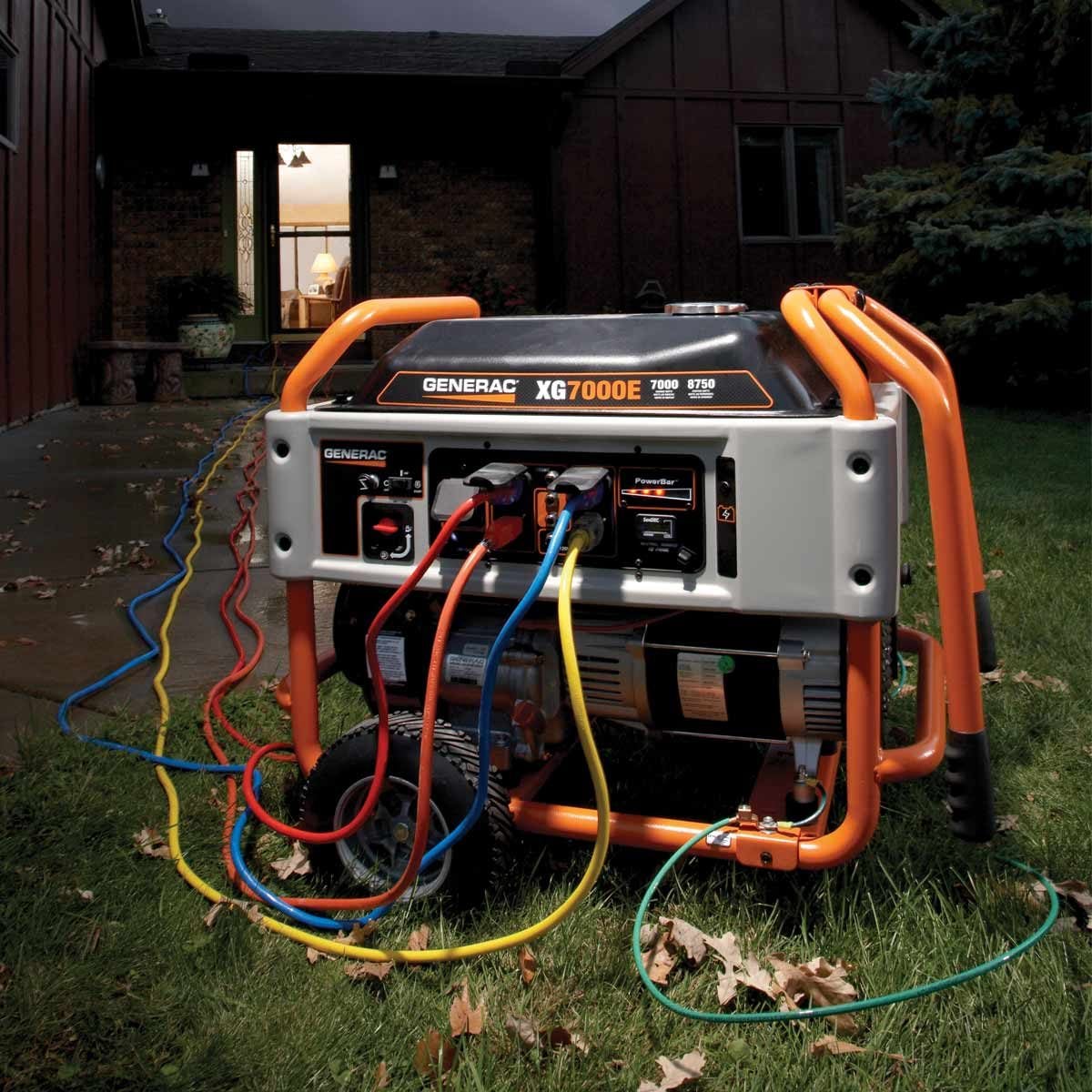
An emergency generator is one of those tools you hope you never need, but when the lights go out, the fridge starts sweating, and the Wi-Fi router gives up like a tired goldfish, you suddenly appreciate every bolt, hose, spark plug, and drop of oil inside that machine. A generator is not a “buy it and forget it” appliance. It is a small power plant sitting in your garage, shed, utility pad, or equipment room, waiting for its big heroic moment.
The problem? Generators usually fail for painfully ordinary reasons: old gasoline, weak batteries, low oil, dirty filters, clogged fuel lines, loose connections, or skipped test runs. In other words, the villain is not always a dramatic lightning strike. Sometimes it is a stale can of gas from two summers ago wearing a dusty cap and bad intentions.
This guide covers practical, homeowner-friendly emergency generator maintenance tips for portable generators and home standby generators. You will learn how to keep your backup power system ready, safe, efficient, and less likely to embarrass you during the next outage. Always follow your owner’s manual first, because your generator’s manual is the bossy little cookbook for that exact model.
Why Emergency Generator Maintenance Matters
A generator is asked to perform under stress: bad weather, power failures, freezing temperatures, heavy rain, high heat, and long runtime. That is exactly why routine maintenance matters. A well-maintained emergency generator starts faster, runs cleaner, uses fuel more efficiently, and is safer for your home and family.
Maintenance also protects your investment. Whether you own a small portable generator for essentials or a whole-house standby generator connected to an automatic transfer switch, the engine needs clean oil, clean air, fresh fuel, a healthy battery, and regular exercise. Skip those basics, and your generator may become a very expensive lawn ornament.
1. Read the Owner’s Manual Before You Need the Generator
The first generator maintenance tip is not glamorous, but it is powerful: read the manual before a storm arrives. Manuals explain the correct oil type, spark plug gap, air filter part number, startup process, fuel requirements, storage steps, load limits, and service intervals. Guessing is not maintenance; it is gambling with a pull cord.
What to look for in the manual
Pay attention to the break-in oil change, recommended oil viscosity, fuel type, battery requirements, air filter schedule, spark plug replacement interval, and safe shutdown procedure. For standby generators, review how to disable automatic starting before service. A standby unit can start itself when utility power fails, which is convenient during an outage and terrifying when your hands are inside the enclosure.
Keep a printed copy of the manual near the generator in a waterproof folder. If your power is out and your phone battery is at 3%, you do not want your only maintenance instructions hiding on a manufacturer website.
2. Change the Oil and Oil Filter on Schedule
Engine oil is the generator’s bloodstream. It reduces friction, carries heat away from moving parts, and helps protect the engine during long runtime. Dirty or low oil can cause overheating, poor performance, and engine damage. If your generator has a low-oil shutdown feature, it may stop running to protect itself. Helpful? Yes. Convenient during a blackout? Absolutely not.
How often should generator oil be changed?
Most generators need an oil change after the initial break-in period and then at regular hour-based or calendar-based intervals. Portable generators may need oil changes more often during extended outages, especially after many hours of continuous operation. Standby generators commonly require annual service or service after a set number of runtime hours, depending on the model and operating conditions.
Before storm season, check the oil level with the generator on a level surface. Use the oil type recommended by the manufacturer, and do not overfill. Too much oil can cause smoking, fouled plugs, or poor engine performance. Too little oil can turn a useful machine into a dramatic repair bill.
3. Keep Fuel Fresh and Stored Correctly
Bad fuel is one of the most common reasons portable generators refuse to start. Gasoline can deteriorate during storage, leaving gum and varnish deposits that clog carburetors and fuel passages. Ethanol-blended gasoline can also attract moisture, which is not exactly the breakfast of champions for small engines.
Smart fuel habits
Use fresh fuel, store it in approved fuel containers, and keep those containers in a cool, ventilated, safe location away from living areas, ignition sources, and direct sunlight. Add fuel stabilizer if the gasoline will sit for more than a short period. Rotate stored fuel regularly by using older fuel in approved equipment and replacing it with fresh fuel.
For long-term generator storage, follow the manual. Some manufacturers recommend draining the fuel tank and carburetor; others may allow stabilized fuel for a limited time. If your generator has a fuel shutoff valve, close it and run the engine until it stops to clear fuel from the carburetor. That small habit can save you from the classic “why won’t this thing start?” dance during an emergency.
4. Inspect the Air Filter
A generator engine needs clean air to burn fuel efficiently. A dirty air filter can cause hard starting, rough running, higher fuel use, and reduced power output. If your generator runs in dusty, smoky, sandy, or pollen-heavy conditions, the air filter may need attention sooner than the standard schedule.
When to clean or replace it
Check the air filter before storm season, after heavy use, and any time the generator has been stored for months. Foam filters may need cleaning and light oiling, while paper filters usually need replacement when dirty or damaged. Never run a generator without the air filter installed. That is like asking the engine to breathe a dust smoothie.
5. Test the Battery and Clean the Terminals
If your generator uses electric start, the battery is a make-or-break component. Standby generators depend heavily on battery condition because they must start automatically when the power fails. A weak battery can leave a perfectly good engine sitting silent at the worst possible moment.
Battery maintenance checklist
Inspect the terminals for corrosion, make sure connections are tight, and test battery voltage according to the manufacturer’s recommendations. Clean corrosion carefully using proper safety precautions, and replace the battery when it no longer holds a reliable charge. Many generator batteries last several years, but heat, cold, age, and neglect can shorten their life.
For home standby generators, confirm the charger is working and that the control panel does not show warning codes. A small warning light in April can become a cold, dark kitchen in January.
6. Run the Generator Regularly
Generators dislike sitting unused for long stretches. Regular exercise helps circulate oil, keeps engine parts lubricated, confirms starting ability, and gives you a chance to catch small problems early. Many home standby generators have automatic exercise cycles that run weekly, biweekly, or monthly, depending on the model and settings.
Portable generator exercise tips
For portable generators, run the unit periodically according to the manual. Let it reach operating temperature, listen for unusual sounds, and check for leaks, smoke, or surging. Some owners run a small load during testing, such as a work light or approved appliance, to confirm output. Do not overload the generator during a test. This is a workout, not a powerlifting competition.
After testing, shut it down properly. Disconnect loads, let the engine cool, close the fuel valve if applicable, and store the unit clean and dry.
7. Check Spark Plugs, Fuel Filters, and Hoses
Spark plugs ignite the fuel-air mixture. Fuel filters protect the engine from debris. Hoses carry fuel safely. These small parts do big jobs, and ignoring them can lead to poor starting, rough operation, leaks, or shutdowns.
What to inspect
Remove and inspect spark plugs according to the service schedule. Replace plugs that are fouled, worn, cracked, or incorrectly gapped. Check fuel filters for clogging or discoloration, and inspect fuel lines for cracks, stiffness, swelling, or leaks. If you smell fuel, see wet spots, or notice deterioration, stop using the generator until the problem is fixed.
For propane or natural gas standby generators, fuel supply should be checked by a qualified technician. Gas leaks are not a DIY adventure. They are a “call someone with the right tools” situation.
8. Keep the Generator Clean, Dry, and Properly Ventilated
Dirt, leaves, grass clippings, rodent nests, and moisture can all shorten generator life. Keep the exterior clean and make sure vents are not blocked. A generator needs airflow for cooling and combustion, and it needs enough clearance to prevent heat buildup.
Storage and placement matter
Store portable generators in a dry, protected area, but never operate them indoors, in garages, in basements, on porches, in sheds, or in partially enclosed spaces. During operation, portable generators must be outside, far from doors, windows, vents, and openings, with exhaust directed away from the home.
If you use a generator cover, make sure it is designed for generator operation and allows proper ventilation. Throwing a tarp over a hot running generator is not protection; it is a fire hazard wearing a raincoat.
9. Inspect Cords, Outlets, and the Transfer Switch
Generator maintenance is not only about the engine. The electrical side matters just as much. Damaged cords, overloaded circuits, loose plugs, and improper connections can create shock, fire, and equipment-damage risks.
Portable generator electrical checks
Use heavy-duty, outdoor-rated extension cords that match the load and have intact insulation, grounding pins, and connectors. Do not use frayed cords. Do not run cords through standing water. Do not overload outlets or daisy-chain cheap power strips like you are building a holiday light display in a hurricane.
Standby generator and transfer switch checks
If your generator connects to your home’s electrical panel, it should use a properly installed transfer switch or approved interlock system. Never backfeed power through a wall outlet. Backfeeding can injure utility workers, damage your electrical system, and create serious fire hazards.
Have a licensed electrician or qualified generator technician inspect transfer switches, automatic controls, breakers, and wiring as part of regular service. For standby systems, the transfer switch is the traffic cop between utility power and generator power. If it fails, the generator may run beautifully while your house remains dark and unimpressed.
10. Manage the Load During Outages
A generator can only produce so much power. Overloading it can trip breakers, damage appliances, cause voltage drops, or shorten generator life. Maintenance includes knowing what your generator can safely run before an outage happens.
Create a priority power list
List the essentials: refrigerator, freezer, sump pump, furnace blower, medical equipment, lights, phone chargers, internet equipment, and maybe a microwave or coffee maker. Be realistic. A small portable generator may not run central air conditioning, a water heater, an electric range, and a space heater all at once. Even generators have boundaries.
Start the generator first, let it stabilize, and then add loads one at a time. Turn off large devices before connecting new ones. During long outages, alternate appliances when possible. For example, run the refrigerator for a while, then switch to another essential load. This helps prevent overload and reduces stress on the engine.
11. Schedule Professional Service Before Storm Season
DIY checks are valuable, but professional generator service is still important, especially for standby generators, diesel units, natural gas systems, propane systems, and generators connected to a transfer switch. A trained technician can test output voltage, inspect electrical components, check fuel pressure, update controls, perform load testing, replace wear parts, and spot problems you may miss.
Best time for service
Schedule service before your region’s high-risk season. In hurricane-prone areas, do it before summer storms. In cold climates, do it before winter. In wildfire-prone regions, do it before peak outage months. Waiting until the power fails is like trying to buy snow shovels after the blizzard has already made itself comfortable in your driveway.
Keep records of every service visit, oil change, battery replacement, filter change, test run, and repair. A simple generator maintenance log helps you track patterns and proves useful for warranty questions, resale, and troubleshooting.
Emergency Generator Maintenance Checklist
Use this simple checklist as a starting point. Adjust it to match your owner’s manual and local conditions.
- Check oil level before each use.
- Change oil and oil filter on schedule.
- Use fresh fuel and rotate stored gasoline.
- Add fuel stabilizer when appropriate.
- Inspect air filter and replace if dirty.
- Test battery voltage and clean terminals.
- Run the generator regularly.
- Inspect spark plugs, hoses, and fuel filters.
- Keep vents clear and the unit clean.
- Use outdoor-rated cords in good condition.
- Test transfer switch operation with a professional when needed.
- Keep carbon monoxide alarms working in your home.
- Store the manual, spare oil, filters, spark plug, and tools together.
Common Generator Maintenance Mistakes to Avoid
Many generator problems are preventable. Avoid these common mistakes, and your machine will have a much better chance of showing up for duty when the grid taps out.
Leaving old gasoline in the tank
Old gasoline can clog the carburetor and make starting difficult. Treat fuel, rotate it, or drain the system for storage according to the manual.
Ignoring the battery
A standby generator with a dead battery is like a superhero without shoes. It may have potential, but it is not going anywhere quickly.
Skipping test runs
Testing the generator only during an emergency is not a test. It is a surprise exam, and nobody likes those.
Running the generator too close to the house
Carbon monoxide is invisible and odorless. Always operate portable generators outside and far from doors, windows, vents, and enclosed spaces. Keep working carbon monoxide alarms inside your home.
Overloading the generator
Know your wattage limits. Starting watts and running watts are different, and motors such as refrigerators, pumps, and furnace blowers may require extra power at startup.
Conclusion
Maintaining your emergency generator is not complicated, but it does require consistency. Fresh fuel, clean oil, good airflow, a charged battery, safe wiring, proper storage, and regular test runs can make the difference between calm backup power and a dark house full of regret. Think of generator maintenance as a small insurance policy with a pull cord, spark plug, and attitude.
The best time to prepare your generator is not when the storm is already shaking the windows. Do it now. Check the oil. Inspect the fuel. Test the battery. Run the unit. Call a professional for the jobs that belong in expert hands. When the next outage arrives, your generator should be ready to worknot clearing its throat, coughing, and asking whether anyone remembers where the manual went.
Note: Maintenance intervals vary by generator type, fuel system, runtime, climate, and manufacturer. Always follow your specific owner’s manual, and use a licensed electrician or qualified generator technician for transfer switches, gas connections, standby systems, and electrical repairs.
Real-World Experience: What Generator Owners Learn the Hard Way
Anyone who has owned an emergency generator for a few seasons eventually learns that the machine has a personality. Not a cute personality like a golden retriever. More like a reliable old pickup truck that will do the job beautifully if you respect it, feed it properly, and do not leave it sitting for a year with mystery fuel in its stomach.
One of the most common real-life lessons is that fresh fuel matters more than beginners expect. A generator may run perfectly after purchase, then sit quietly in a corner until the first major outage. The owner pulls the cord, hears one hopeful cough, and then nothing. After several sweaty minutes, the problem often turns out to be old gasoline or a carburetor clogged with sticky deposits. The fix may require cleaning, draining, or even professional service. The lesson is simple: storing fuel correctly is not optional. It is generator survival.
Another lesson is that test runs reveal problems early. A monthly or seasonal test may feel unnecessary when the weather is clear, but that quiet afternoon test is where you discover the loose battery cable, cracked fuel line, dirty plug, low oil level, or missing extension cord. Finding those issues on a sunny Saturday is mildly annoying. Finding them at midnight during a storm is a full theatrical production, usually featuring flashlights, colorful language, and someone asking why the freezer is making that noise.
Generator owners also learn to respect wattage limits. During an outage, it is tempting to plug in everything that looks lonely: refrigerator, freezer, television, microwave, coffee maker, space heater, laptop, phone chargers, and maybe the neighbor’s aquarium if they ask nicely. But generators do not run on optimism. They run on rated capacity. Overloading can trip breakers, stall the engine, damage sensitive electronics, or make the generator surge. Experienced owners create a priority list before an emergency and rotate loads instead of trying to power the whole house like nothing happened.
Standby generator owners often discover that automatic does not mean maintenance-free. A home standby generator may exercise itself, monitor utility power, and start automatically, but it still needs oil changes, filters, battery checks, control panel inspections, and professional service. The weekly exercise cycle is reassuring, but it is not a substitute for actual maintenance. A unit can start during exercise and still have a weak battery, aging spark plugs, low coolant, or a warning code that deserves attention.
Finally, experienced users learn that safety routines should become automatic. They know where the generator will sit outside. They know which cords are rated for outdoor use. They know not to run the unit in a garage, not even “just for a minute.” They keep carbon monoxide alarms working, store fuel safely, let the engine cool before refueling, and keep kids and pets away from hot surfaces. The best generator experience is boring: it starts, it runs, it powers the essentials, and everyone stays safe. In emergency power, boring is beautiful.