

Idea House 2017 was not just another pretty coastal home with throw pillows behaving politely on a sofa. It was a full-scale design lesson wrapped in porches, color, craftsmanship, and that unmistakable Southern ability to make “come on in” feel like an architectural principle. Created as Southern Living’s 2017 Idea House, the home stood on Bald Head Island, North Carolina, in Cape Fear Station, a setting that shaped nearly every design decisionfrom its relaxed footprint to its breezy outdoor rooms.
What made the 2017 Idea House memorable was not one flashy moment. It was the balance. Architect Eric Moser, builder Jeff Sanderson of Whitney Blair Custom Homes, and interior designer Lindsey Coral Harper helped create a coastal cottage that felt rooted in place while still giving homeowners practical ideas they could borrow. The house was beachy without becoming a seashell souvenir shop. It was colorful without shouting. It was traditional, modern, playful, and deeply livable all at oncebasically the home-design equivalent of a charming dinner guest who also knows how to fix a squeaky door.
What Was the 2017 Idea House?
The 2017 Idea House was a showcase home designed to inspire homeowners with real, usable design ideas. Unlike a fantasy mansion that looks lovely but makes you wonder where anyone would put the laundry basket, this home focused on livability. It combined Southern coastal architecture, family-friendly flow, generous outdoor living, and interiors filled with personality.
The house was located on Bald Head Island, a North Carolina barrier island known for its quiet atmosphere, maritime forest, dunes, and car-free lifestyle. That setting mattered. A house built there cannot simply ignore wind, salt air, sunlight, humidity, and sandy feet. Instead, the design embraced the environment. Wide porches, deep overhangs, durable materials, and easy indoor-outdoor transitions made the home feel naturally connected to the island.
Why Bald Head Island Was the Perfect Setting
Bald Head Island is not the place for a rushed lifestyle. Visitors arrive by boat, golf carts replace daily car traffic, and the natural landscape encourages people to slow down. The 2017 Idea House leaned into that rhythm. It did not try to overpower the island with heavy ornamentation or grand gestures. Instead, it used a simpler coastal cottage form, surrounded by porches and designed to sit comfortably within its surroundings.
This matters for anyone interested in coastal home design. A beach house should not merely look coastal; it should behave coastal. That means shade where the sun is intense, airflow where humidity lingers, outdoor rooms where family and guests naturally gather, and finishes that do not panic the first time someone tracks in sand. Idea House 2017 delivered these lessons with style.
Architecture: Coastal Cottage Meets Modern Farmhouse
The architecture of Idea House 2017 blended classic Southern cottage ideas with modern farmhouse character. The home had clean lines, practical proportions, and a strong sense of welcome. Instead of relying on fussy trim or overly polished details, it used shape, scale, and materials to create charm.
Porches as Real Living Rooms
One of the strongest design lessons from the home was the power of porches. These were not narrow strips of decking where one lonely chair goes to question its life choices. The porches were treated as true outdoor rooms. They offered space for sitting, dining, entertaining, and enjoying the island air.
Deep porches and long roof overhangs helped protect the home from sun and rain while visually extending the living areas. This is one of the most practical takeaways from the 2017 Idea House: outdoor space works best when it is designed with the same seriousness as indoor space. Comfortable seating, proper circulation, lighting, shade, and weather-aware materials turn a porch into a room people actually use.
Indoor-Outdoor Flow
The home also showed how indoor and outdoor spaces can communicate. Large openings, connected porches, and thoughtful sightlines made the house feel open without making it feel empty. In coastal design, that balance is important. Too much openness can feel exposed; too little can make a house miss the scenery it was built to enjoy.
Idea House 2017 found the sweet spot. The design encouraged movement from kitchen to porch, from living room to outdoor seating, and from private bedrooms to fresh-air retreats. This kind of flow is especially useful for families, guests, and anyone who believes snacks taste better outside. Science has not confirmed that last part, but porch people know.
Interior Design: Color, Pattern, and Confidence
Lindsey Coral Harper’s interiors gave Idea House 2017 much of its personality. The rooms felt layered, warm, collected, and energetic. Instead of the all-white coastal look that dominated many beach homes for years, the house embraced color, pattern, rattan, brass, vintage pieces, botanical accents, and rich wood tones.
A Warm Palette Instead of Predictable White
One standout feature was the home’s warm foundation. Reclaimed wood floors with a tobacco-like tone created depth and grounded the interiors. This warmth changed the entire mood of the house. Rather than feeling like a sterile beach rental, the rooms felt established and personal.
For homeowners, this is a valuable design lesson. A coastal home does not have to be pale from ceiling to floor. Creams, browns, greens, coral, yellow, blue, and bronze can all belong near the water when used thoughtfully. Warm tones also help balance bright sunlight, making rooms feel comfortable throughout the day.
Pattern That Feels Playful, Not Chaotic
The 2017 Idea House used pattern with confidence. Tropical prints, geometric motifs, striped details, wallpaper, painted floors, and patterned textiles appeared throughout the home. Yet the result felt curated rather than dizzying. The secret was coordination, not strict matching.
That is a major takeaway: rooms become more interesting when patterns relate to each other without looking like they were purchased in one frantic afternoon. A stripe can live with a botanical print. A geometric fabric can work near a floral wallpaper. The trick is to repeat colors, vary scale, and let neutral or natural textures give the eye a place to rest.
The Living Room: Collected, Comfortable, and Coastal
The living room in Idea House 2017 captured the overall spirit of the home. It was coastal, but not cliché. It used comfortable seating, natural textures, lively accents, and a warm base to create a room that felt ready for conversation.
Rattan, wicker, and vintage-inspired elements softened the space. These materials are especially effective in coastal interiors because they add texture without heaviness. They also age gracefully, which is good news for anyone who has ever watched a guest place a beach bag on a chair with the confidence of a luggage handler.
The room also demonstrated that a beach house can feel polished without losing ease. Nothing looked too precious. That is essential for successful coastal design. A home near the water should invite bare feet, casual meals, afternoon naps, and the occasional sandy dog cameo.
The Kitchen: Practical, Social, and Full of Character
The kitchen in the 2017 Idea House was designed for gathering. It reflected a broader trend in American home design: kitchens are no longer hidden work zones. They are command centers, snack stations, homework counters, coffee bars, and unofficial party headquarters.
Cabinetry, island planning, durable surfaces, and open circulation made the kitchen both beautiful and useful. A large island gave the space a natural center. In a coastal home, this is especially helpful because meals often stretch between indoors and outdoors. Someone is always carrying drinks to the porch, slicing fruit, looking for napkins, or asking where the bottle opener went even though it is directly in front of them.
Kitchen Design Lessons to Borrow
Idea House 2017 offered several kitchen ideas that translate well to everyday homes. First, mix function with personality. A kitchen can include hardworking cabinetry and still have a memorable color story. Second, consider how the kitchen connects to outdoor entertaining. A pass-through window, nearby porch, or grilling station can make hosting easier. Third, let hardware and fixtures add warmth. Brass, bronze, and other warm metals can keep a kitchen from feeling cold.
Bedrooms With Personality
The bedrooms in the 2017 Idea House were not bland sleeping boxes. They had clear identities. This is one reason the home remains memorable. Each bedroom felt like part of the same story, but each had its own mood.
The Primary Bedroom
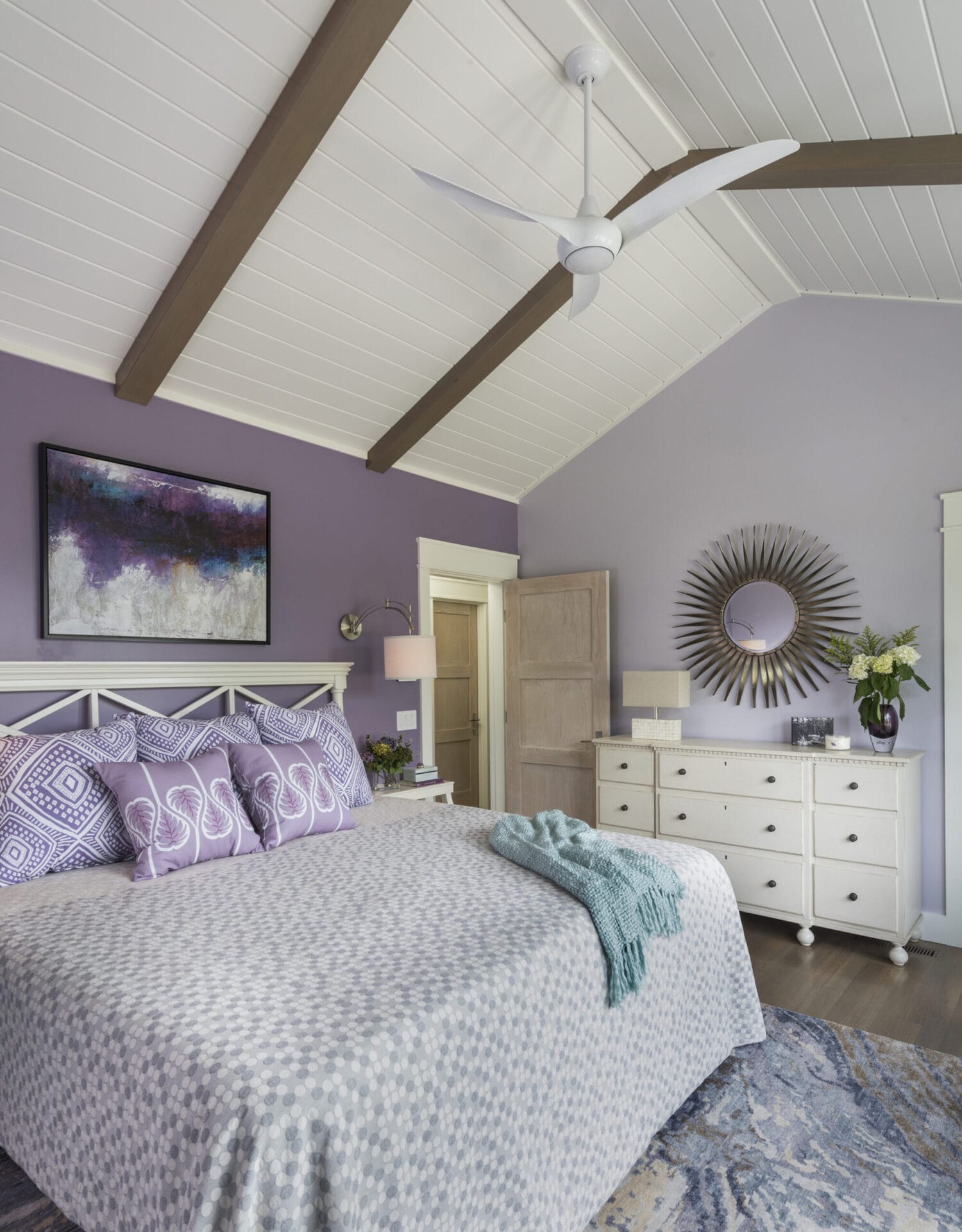
The primary bedroom leaned into calm coastal comfort while maintaining the home’s layered style. Soft colors, natural textures, and thoughtful furnishings created a retreat-like feeling. The best primary bedrooms do not need to scream luxury. They need to exhale. This room understood the assignment.
The Yellow Bedroom
The yellow bedroom became one of the home’s most talked-about spaces because it showed how bold color can feel sophisticated. Yellow can be tricky. Use the wrong shade and suddenly the room feels like a highlighter with windows. In Idea House 2017, the yellow had warmth and depth, pairing beautifully with bamboo, rattan, and crisp bedding.
The lesson is simple: strong color works best when balanced with natural materials and clean moments. White bedding, woven textures, and classic furniture shapes can make a colorful room feel confident rather than chaotic.
Bathrooms and Utility Spaces That Deserve Attention
Idea House 2017 also made a case for designing secondary spaces with care. Bathrooms, pantries, laundry areas, and pass-through zones are often treated as afterthoughts. This home treated them as opportunities.
Patterned tile, special finishes, wallpaper details, and interesting fixtures gave these smaller spaces personality. That is a smart strategy for real homeowners. If using bold wallpaper in a living room feels intimidating, try it in a powder room. If colorful cabinetry feels risky in a full kitchen, test it in a pantry or laundry area. Small rooms are excellent places to be brave because the commitment is contained.
Outdoor Living: The Soul of the Home
If the interiors gave Idea House 2017 its personality, the outdoor spaces gave it soul. The porches, patio, and open-air gathering areas made the home feel larger, friendlier, and more connected to the island.
Outdoor living is a major part of Southern home design, but this house showed how to make it practical. The outdoor spaces were not decorative extras; they were part of daily life. Seating areas invited conversation. Dining zones supported casual meals. A fire pit added a reason to stay outside after sunset. Covered areas provided shade and weather protection.
How to Apply This Idea Anywhere
You do not need a beach house on Bald Head Island to borrow this concept. A small patio, balcony, screened porch, or backyard corner can become a genuine living area. Start with comfortable seating, add a side table, include lighting, and use outdoor fabrics that can handle weather. Then add one element that makes people linger: a fan, a fire bowl, a planter, a lantern, or a tray for drinks.
Why Idea House 2017 Still Feels Relevant
Design trends come and go. One year everyone wants gray walls; the next year gray is sent to sit quietly in the garage with the extra paint cans. But Idea House 2017 still feels relevant because its best ideas were not trend-dependent. They were rooted in lifestyle.
The home emphasized comfort, natural light, outdoor living, flexible gathering spaces, layered interiors, and personality. These ideas remain valuable because they support how people actually live. A beautiful house is nice. A beautiful house that handles guests, groceries, humidity, pets, children, and late-night porch conversations is better.
Design Ideas Homeowners Can Steal From Idea House 2017
1. Treat Porches Like Rooms
Do not furnish a porch with leftovers and hope for magic. Use seating, tables, rugs, lighting, and accessories that make the space feel intentional.
2. Warm Up Coastal Interiors
White walls can be beautiful, but warm wood, cream, bronze, woven textures, and rich accent colors keep a coastal home from feeling flat.
3. Mix Vintage and New Pieces
Idea House 2017 showed the charm of collected design. Vintage chairs, rattan accents, antique-inspired pieces, and modern fixtures can work together beautifully.
4. Use Pattern With a Plan
Pattern becomes easier when colors repeat. Choose one dominant palette, then vary the scale of prints from large botanicals to narrow stripes or small geometrics.
5. Make Small Rooms Memorable
Pantries, powder rooms, and bathrooms are perfect places for bold tile, special paint, wallpaper, or statement lighting.
6. Build for Climate and Lifestyle
Good design responds to place. On the coast, that means shade, airflow, durable materials, and easy movement between inside and outside.
Experience Notes: Living With the Idea House 2017 Style
Spending time with the ideas behind Idea House 2017 feels less like studying a show home and more like learning how a house can support a slower, better rhythm. Imagine arriving after a long day, dropping your bag near the entry, and immediately seeing light move across warm wood floors. The house does not demand formality. It says, gently but clearly, “Take off your shoes, but maybe check for sand first.”
The first experience this style offers is ease. Rooms are connected but not shapeless. The kitchen feels social, the living room feels relaxed, and the porches pull everyone outward. In many homes, guests gather awkwardly near the kitchen island because nobody knows where else to go. In a house inspired by Idea House 2017, the layout gives people choices. Some can sit inside with coffee. Others can drift to the porch. Someone can supervise the grill while pretending this is a serious responsibility. The home supports movement without making the host feel like an air traffic controller.
The second experience is visual warmth. Many coastal interiors rely so heavily on white and blue that they begin to feel predictable. Idea House 2017 offered a richer emotional palette. The darker floors, bold fabrics, brass and bronze notes, woven textures, and cheerful colors created rooms that felt alive. This matters because a home should not only photograph well; it should feel good at 7 a.m., 3 p.m., and during that strange hour when everyone is hungry but nobody wants to admit they ate the last crackers.
The third experience is permission. The house gave homeowners permission to be playful. Use yellow. Try tropical fabric. Add rattan. Paint a floor. Hang art where people do not expect it. Put effort into a pantry. A home does not become timeless by being timid; it becomes timeless when it reflects real life with enough structure to age gracefully.
Another practical experience is the comfort of layered design. A room with only new furniture can feel like a showroom waiting for a salesperson. A room with only old furniture can feel heavy. Idea House 2017 balanced both. That mix creates a sense of history, even in a newly built home. It suggests that people live there, collect things, travel, inherit pieces, make choices, and occasionally buy a chair because it simply makes them happy.
Finally, the home teaches that outdoor living is not a luxury reserved for magazine spreads. Even a modest porch or patio can change how a home feels. Morning coffee outside, dinner under a fan, reading during a rainstorm, or talking after sunset can become part of daily life when the space is ready for it. That may be the most lasting lesson of Idea House 2017: good design does not just decorate life. It makes room for it.
Conclusion
Idea House 2017 remains a standout example of Southern coastal design because it combined beauty with common sense. Located on Bald Head Island, the home reflected its environment through porches, breezy transitions, natural materials, and relaxed architecture. Inside, Lindsey Coral Harper’s colorful and layered interiors proved that coastal style can be warm, bold, and deeply personal without losing its calm.
For homeowners, the real value of the 2017 Idea House is not copying every room exactly. It is learning from the principles: design for place, treat outdoor areas as living spaces, use color with confidence, mix old and new, and make even small rooms feel intentional. Whether you live by the ocean, in a suburb, or in an apartment with one determined houseplant, the ideas behind this home can help create a space that feels more welcoming, more useful, and much more enjoyable.
Note: This article was created as an original, publication-ready SEO article based on real information about the 2017 Southern Living Idea House and related U.S. home design references, rewritten in a natural style without source links or citation placeholders.