

Trying to lose weight can feel like negotiating with a tiny snack goblin who lives in your kitchen cabinet. You start the day with oatmeal and optimism, then somehow end up face-to-face with a bag of chips whispering, “Just one handful.” The good news? Weight loss does not require eating steamed broccoli while staring sadly out a window. It usually starts with understanding which foods make it easier to overeat, spike cravings, or add a lot of calories without much fullness.
This guide is not about labeling foods as “bad” or turning dinner into a moral courtroom. It is about strategy. Some foods are highly processed, rich in added sugar, heavy in refined carbohydrates, loaded with saturated fat, or designed to be almost too easy to keep eating. When your goal is fat loss, those foods can work against you because they provide lots of energy but little staying power.
Below are 14 foods and drinks to limit or avoid if you are trying to lose weight, along with smarter swaps that still let you enjoy your life. Because yes, a healthy weight-loss plan should include joy. Otherwise, it becomes a punishment with lettuce.
Why Certain Foods Make Weight Loss Harder
Weight loss generally happens when you consistently use more calories than you consume. But calories are only part of the story. Food quality matters because protein, fiber, water content, and food texture all influence fullness. A bowl of lentil soup and a glazed doughnut may contain similar calories, but they behave very differently in your body and in your appetite.
Foods that tend to interfere with weight loss usually share a few traits: they are easy to eat quickly, low in fiber, low in protein, high in added sugar, high in refined starch, or high in fat and sodium. Many also come in large portions, which quietly turns “a snack” into the calorie equivalent of a small meal. The goal is not perfection. The goal is to make the foods you eat most often work for you, not against you.
14 Foods to Avoid if Trying to Lose Weight
1. Sugary Drinks
Soda, sweet tea, fruit drinks, energy drinks, sports drinks, and sweetened coffees are some of the easiest calories to overconsume. Liquid calories do not usually make you feel as full as solid food, so you can drink hundreds of calories and still feel ready for lunch. A regular soda may contain around 10 teaspoons of added sugar, which is not exactly the hydration upgrade your body was hoping for.
Better choice: Water, sparkling water, unsweetened iced tea, black coffee, or coffee with a small amount of milk. If plain water bores you, add lemon, cucumber, mint, berries, or a splash of 100% juice.
2. French Fries and Fried Potatoes
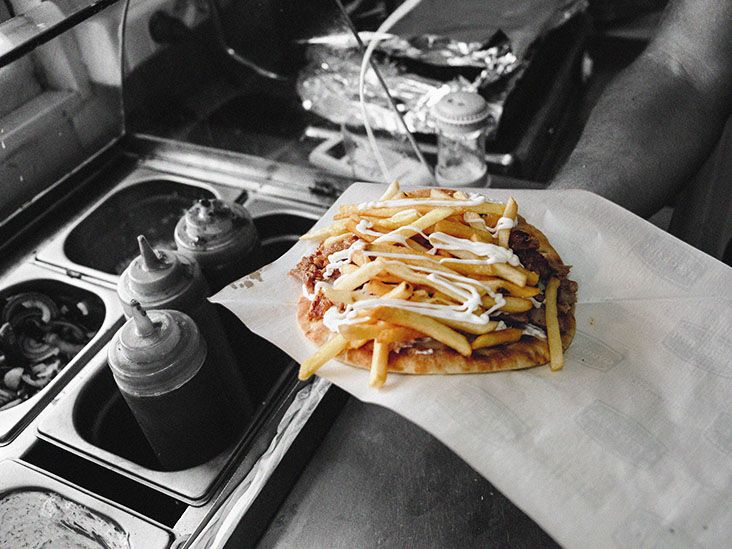
Potatoes themselves can fit into a weight-loss diet. The problem starts when they are sliced, dunked in oil, salted like they are preparing for a snowstorm, and served in a portion large enough to share with a marching band. French fries are calorie-dense, low in fiber compared with whole potatoes, and very easy to eat past fullness.
Better choice: Baked potatoes, roasted potato wedges, air-fried potatoes, or sweet potatoes with Greek yogurt, salsa, herbs, or a sprinkle of cheese.
3. Potato Chips and Packaged Snack Chips
Chips are crunchy, salty, and engineered for “just one more.” They are also typically high in calories, sodium, and refined oils while offering little protein or fiber. That combination makes them a classic weight-loss speed bump. A small bowl can become half a bag before the movie’s opening credits are over.
Better choice: Air-popped popcorn, roasted chickpeas, sliced vegetables with hummus, edamame, or a measured serving of nuts.
4. Candy Bars
Candy bars are compact calorie packages made mostly from sugar and fat. They can deliver a quick energy rush, followed by hunger returning like it forgot its keys. Because they are low in fiber and protein, they rarely keep you satisfied for long.
Better choice: Fruit with peanut butter, Greek yogurt with berries, a small square of dark chocolate, or a homemade snack with oats, nuts, and seeds.
5. Pastries, Doughnuts, and Sweet Baked Goods
Muffins, doughnuts, cinnamon rolls, danishes, and frosted pastries may look like breakfast, but many behave more like dessert in a cardigan. They are often made with refined flour, added sugar, and added fat. They can be delicious, but they rarely provide the protein and fiber needed to keep hunger steady through the morning.
Better choice: Oatmeal with berries, eggs with whole-grain toast, plain Greek yogurt with fruit, or a homemade whole-grain muffin with less sugar.
6. White Bread
White bread is made from refined flour, meaning much of the natural fiber and nutrients have been removed. It digests quickly, which may leave you hungry sooner. The issue is not bread itself; it is the type, portion, and what you pair it with.
Better choice: 100% whole-grain bread, sprouted-grain bread, rye bread, or open-faced sandwiches piled with lean protein and vegetables.
7. Refined Pasta
A giant bowl of refined pasta can be easy to overeat, especially when it is swimming in creamy sauce. Regular pasta is not forbidden, but large portions without vegetables or protein can lead to a meal that is heavy on calories and light on fullness.
Better choice: Whole-wheat pasta, chickpea pasta, lentil pasta, zucchini noodles mixed with pasta, or a smaller pasta serving balanced with grilled chicken, shrimp, beans, or vegetables.
8. Sugary Breakfast Cereals
Many breakfast cereals wear a health halo while quietly packing a dessert-level sugar load. Bright boxes, cartoon mascots, and words like “multigrain” can distract from the fact that some cereals are mostly refined grains and added sugar. They may taste fun, but they often do not keep you full for long.
Better choice: High-fiber cereal with little added sugar, oatmeal, overnight oats, chia pudding, or plain yogurt topped with fruit and nuts.
9. Ice Cream
Ice cream is creamy, sweet, comforting, and very easy to eat directly from the container while pretending the serving size is “emotionally appropriate.” Most regular ice creams are high in added sugar and saturated fat, which makes calories add up quickly.
Better choice: A small portion served in a bowl, frozen Greek yogurt, blended frozen bananas, fruit sorbet in moderation, or berries with a spoonful of whipped cream.
10. Fast Food Burgers
Fast food burgers can be high in calories, saturated fat, sodium, and refined carbohydrates, especially when paired with fries and soda. The combo meal is where weight-loss goals often go to take an unplanned vacation. A burger now and then is not the problem; frequent oversized meals are.
Better choice: A smaller burger, grilled chicken sandwich, lettuce-wrapped option, side salad, fruit cup, or skipping the fries and sugary drink.
11. Pizza with Processed Meats
Pizza can be part of a balanced diet, but many versions are heavy in refined crust, cheese, sodium, and processed meats like pepperoni, sausage, and bacon. It is also famously easy to eat multiple slices before your fullness signals have filed the paperwork.
Better choice: Thin-crust pizza with vegetables, grilled chicken, mushrooms, peppers, onions, spinach, or a side salad before the first slice. You can also make pizza at home with a whole-grain crust and lighter cheese.
12. Processed Meats
Bacon, sausage, hot dogs, salami, pepperoni, and many deli meats tend to be high in sodium and saturated fat. They are also often served with refined carbohydrates, such as white buns, biscuits, or pizza crust. While they can be convenient, they are not the best everyday protein choice for weight loss or long-term health.
Better choice: Eggs, beans, lentils, tuna, salmon, turkey breast, chicken breast, tofu, tempeh, or minimally processed lean meats.
13. Fruit Juice and Juice Drinks
Fruit is great. Fruit juice is trickier. When fruit is juiced, much of the fiber is removed, making it less filling than whole fruit. Juice drinks can be even more problematic because they may contain added sugars and very little actual fruit. Drinking a glass of orange juice is much faster than eating several oranges, and that speed matters.
Better choice: Whole fruit, infused water, smoothies made with whole fruit and protein, or a small serving of 100% juice if you truly enjoy it.
14. Alcoholic Drinks
Alcohol can slow weight-loss progress in several ways. It adds calories, may increase appetite, can lower inhibitions around food choices, and often comes with salty or fried snacks. Cocktails with syrups, juice, cream, or soda can be especially calorie-heavy. After two margaritas, nachos may start looking like a life coach.
Better choice: Limit alcohol frequency, choose smaller servings, alternate with water, avoid sugary mixers, and plan food before drinking so late-night cravings do not take the wheel.
Foods to Eat More Often for Weight Loss
Instead of focusing only on what to remove, build meals around foods that help you feel satisfied. The most helpful choices tend to be high in protein, fiber, or water. These include vegetables, fruits, beans, lentils, eggs, fish, poultry, tofu, Greek yogurt, cottage cheese, oats, brown rice, quinoa, nuts, seeds, and healthy fats in reasonable portions.
A practical plate might include half vegetables, one-quarter lean protein, one-quarter whole grains or starchy vegetables, and a small amount of healthy fat. This structure is simple, flexible, and much less dramatic than starting a diet called “The Miserable Cabbage Era.”
How to Avoid These Foods Without Feeling Deprived
Use the “Most of the Time” Rule
You do not need to avoid every item on this list forever. That kind of thinking often backfires. Instead, make nutritious choices most of the time and treat higher-calorie foods as occasional extras. A planned dessert is very different from accidentally eating cookies for dinner because you skipped lunch.
Make Your Environment Help You
Keep filling foods visible and easy to grab. Put fruit on the counter, pre-cut vegetables in the fridge, and protein-rich snacks within reach. Store tempting foods in single-serving portions or avoid buying large packages if you know they tend to disappear mysteriously.
Read Labels Without Becoming a Detective
Check serving size, added sugar, fiber, protein, and calories. A food does not need to be perfect, but labels can reveal surprises. Some sauces, granola bars, flavored yogurts, coffee drinks, and “healthy” snacks contain more sugar than expected.
Real-Life Experiences: What Usually Happens When People Cut Back
People often imagine that avoiding weight-loss-sabotaging foods will feel like losing all culinary happiness. In real life, the first few days can be awkward, but the process usually becomes easier once meals are more filling. Many people notice that the biggest change comes from drinks. Swapping soda, sweet tea, or blended coffee drinks for water or unsweetened beverages can reduce a surprising number of calories without changing the rest of the plate very much. It is not glamorous, but neither is arguing with your jeans on a Monday morning.
Another common experience is realizing how much portion size matters. Someone may say, “I barely eat chips,” but then discover that their “small snack” is three servings poured into a cereal bowl. Measuring once or twice can be eye-opening. You do not have to weigh every crumb forever, but learning what a serving looks like helps you make better choices without guessing.
Many people also find that cravings become less intense when they eat enough protein at breakfast and lunch. A day that starts with a sugary cereal and continues with a plain bagel may lead to a 3 p.m. snack emergency. But a breakfast with eggs, Greek yogurt, oats, or cottage cheese can keep hunger steadier. It is not magic; it is meal structure doing its job.
Restaurant habits can be another turning point. Fast food, pizza, fried appetizers, and oversized desserts are not just high in calories; they are also built for convenience and pleasure. That is why “I will only eat half” can become “Where did it go?” A useful strategy is deciding before ordering: choose water instead of soda, split fries, get a side salad, or save half the meal right away. Future you will appreciate the leftovers and the self-control assist.
People who successfully lose weight rarely rely on willpower alone. They use systems. They pack lunch, keep better snacks available, plan treats, and avoid arriving at meals extremely hungry. They also stop treating one indulgence like a failure. Having ice cream on Saturday does not ruin progress; turning the weekend into a three-day snack parade might.
The most sustainable experience is not “I can never eat these foods again.” It is “I know which foods make my goal harder, so I choose them less often and in smaller portions.” That mindset keeps weight loss realistic. Food should support your health, energy, and confidence. It should not require a personality transplant.
Conclusion
The best foods to avoid if trying to lose weight are usually those that pack in calories without keeping you full: sugary drinks, fried foods, chips, candy, pastries, refined grains, sweet cereals, ice cream, fast food, processed meats, juice drinks, and alcohol. You do not need to fear them, but you do need to be honest about how often they appear and how much they add to your day.
Weight loss works best when it feels doable. Focus on whole foods, lean proteins, fiber-rich carbohydrates, vegetables, fruit, and satisfying meals. Keep treats intentional, not automatic. The goal is not to eat perfectly. The goal is to build a pattern you can live with after the motivation playlist stops working.
Note: This article is for general educational purposes only and is not a substitute for personalized medical or nutrition advice. Anyone with diabetes, kidney disease, heart disease, an eating disorder history, pregnancy, or a medical condition should consult a qualified healthcare professional before making major diet changes.