

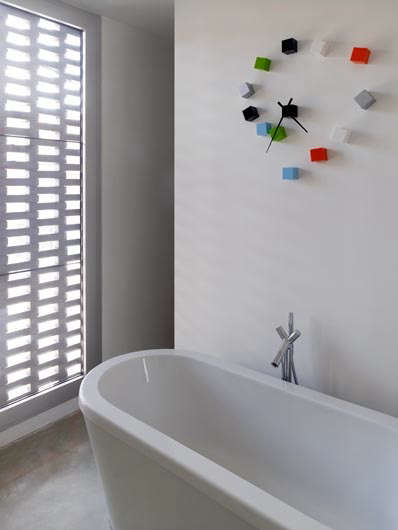
Some home accessories quietly sit in the corner and behave. Others walk into the room wearing a bright jacket, rearrange the furniture in your imagination, and ask, “So, are we making a design statement today or what?” The Karlsson DIY Cube Clock belongs firmly in the second category. It is not just a clock. It is a small wall experiment, a design puzzle, and a cheerful reminder that time does not always have to arrive in a round white frame with black numbers and the personality of a waiting room.
Designed by Karlsson, a Dutch clock brand known for playful modern timepieces, the DIY Cube Clock turns the humble wall clock into a customizable accessory. Instead of one fixed dial, the clock uses separate cube markers and a central mechanism, allowing you to arrange the pieces in your own pattern. In other words, you are not merely hanging a clock; you are negotiating with geometry. Thankfully, geometry is much friendlier when it comes in colorful cubes.
Whether styled in a kid’s room, creative studio, hallway, kitchen, playroom, or modern apartment, this clock offers something many accessories promise but few truly deliver: personality. It is practical enough to tell time, sculptural enough to decorate a blank wall, and flexible enough to make your space feel less like a showroom and more like a place where interesting humans live.
What Is the Karlsson DIY Cube Clock?
The Karlsson DIY Cube Clock, also called the Karlsson DIY Cubic Wall Clock, is a modular wall clock made from individual cube pieces and a central clock mechanism. Depending on the version, it typically includes twelve cube markers for the hours plus the middle clock unit that holds the hands and movement. The idea is simple: instead of accepting a predesigned clock face, you arrange the cubes yourself.
This do-it-yourself concept makes the clock especially appealing for people who enjoy flexible home decor. You can create a traditional circular layout, stretch the cubes into a horizontal line, cluster them asymmetrically, or make a loose, playful composition that looks like a clock wandered into a modern art museum and decided to stay for coffee.
A Clock That Lets the Wall Join the Design
Most wall clocks bring their own frame. The Karlsson DIY Cube Clock uses the wall as part of the design. The background color, surrounding furniture, nearby art, and spacing between each cube all become part of the final look. On a white wall, the colorful version feels crisp and graphic. On a dark or painted accent wall, a black, metallic, or solid-color version can feel more sophisticated and architectural.
This is why the clock works especially well in interiors where accessories are expected to do more than “match.” It can create movement, rhythm, and visual curiosity. It also solves a common decorating problem: the awkward blank wall that is too small for a large framed print but too visible to ignore. The DIY Cube Clock fills that space with function and charm without making the room feel crowded.
Why This Clock Became a Memorable Home Accessory
The appeal of the Karlsson DIY Cube Clock comes from the tension between order and play. A clock is supposed to be orderly. It measures time, keeps schedules honest, and politely reminds us that the laundry has been in the dryer for three hours. But this clock refuses to look too serious. Its separate cubes introduce a sense of movement, making the piece feel more like interactive wall decor than a conventional timekeeper.
That balance makes it a natural fit for modern homes. Today’s interiors often mix clean-lined furniture with quirky accessories, vintage finds, and personal details. The Karlsson DIY Cube Clock fits into that mix because it is both minimal and whimsical. The cube shape is simple, but the arrangement can be as calm or chaotic as your design confidence allows.
It Adds Color Without Taking Over
The multi-color version is particularly useful for rooms that need a small dose of brightness. In a child’s bedroom, it can echo the colors of books, toys, bedding, or storage bins. In a home office, it can soften the seriousness of desks, cables, and that one drawer full of mystery chargers. In a kitchen, it can add a cheerful note without competing with cabinets or backsplash tile.
Because each cube is small, the color reads as a collection of accents rather than one overwhelming block. That makes the clock easier to style than a large neon artwork or patterned wallpaper. It offers the fun without requiring a full design commitment. Think of it as color with an escape hatch.
It Works as Wall Decor and a Functional Object
Good accessories earn their place. The Karlsson DIY Cube Clock does more than look good; it also performs a useful job. That matters in smaller homes and apartments where every wall item needs to justify its existence. A decorative clock gives you a reason to look up from your phone, check the time at a glance, and enjoy a little analog charm in a world of glowing rectangles.
In a family home, this can be especially helpful. Children learning to read analog time get a large, visual, hands-on clock face. Adults get a stylish accessory that does not look like it came straight from a classroom supply catalog. Everyone wins, except perhaps the phone, which gets checked slightly less often.
Best Rooms for the Karlsson DIY Cube Clock
The beauty of a modular clock is that it can adapt to many rooms. The key is choosing the right layout, wall color, and surrounding accessories.
Children’s Room
The Karlsson DIY Cube Clock is a natural choice for a child’s room because it feels playful without being babyish. The cube markers create a lively design that can grow with the room. For younger children, arrange the cubes in a clear circular shape so the clock remains easy to read. For older kids or teens, try a more abstract layout that feels modern and creative.
Pair it with simple bedding, colorful bins, framed posters, or a reading corner. If the room already has lots of patterns, keep the clock layout clean. If the room is neutral, let the cubes bring the energy. This is a good rule for kids’ spaces in general: one circus at a time.
Home Office or Studio
In a workspace, the clock adds a creative spark without sacrificing usefulness. A black, white, metallic, or monochrome version can look polished above a desk, while the multi-color version suits art studios, craft rooms, and brainstorming zones. The modular layout also helps fill wall space above shelving or a worktable.
For a professional look, keep the cube spacing consistent. For a more creative look, let the cubes drift slightly off-grid. Just make sure the hands remain readable from your chair. A clock that requires squinting is not a design feature; it is an eye exam with batteries.
Kitchen or Breakfast Nook
A kitchen clock should be visible, durable, and easy to read. The Karlsson DIY Cube Clock can work well on a wall near a breakfast table, pantry door, or open shelving. Its geometric form pairs nicely with modern cabinets, colorful dishware, and casual family spaces.
For kitchens, avoid placing the cubes too close to the stove or sink, where grease, steam, or splashes could become a maintenance headache. The clock is charming, but it should not have to survive a pasta-sauce weather event.
Hallway or Entryway
An entryway clock is practical for last-minute departures and stylish enough to set the tone for the rest of the home. The Karlsson DIY Cube Clock can make a narrow hallway feel more intentional, especially when paired with a slim console, hooks, or a small bench.
Try arranging the cubes in a slightly elongated layout to echo the shape of the hallway. This keeps the design dynamic while preserving walking space. A clock near the front door also provides the gentle reminder we all need: yes, you are late, but at least your wall decor is excellent.
How to Style the Karlsson DIY Cube Clock
The best layout depends on your room, wall size, and desired mood. Before attaching anything permanently, test the arrangement with painter’s tape or paper templates. This allows you to adjust spacing and shape without turning your wall into a tiny battlefield of regret.
The Classic Circle
The easiest and most readable arrangement is a traditional circle. Place the central mechanism at the middle and position the twelve cubes around it like hour markers. This layout is ideal for kitchens, children’s rooms, and anywhere the clock needs to be read quickly.
To make the circle feel balanced, measure the distance from the center to each cube. You do not need laboratory-level precision, but the spacing should feel intentional. A slightly imperfect circle can look handmade and charming; a wildly uneven circle can look like time had a small accident.
The Asymmetrical Art Layout
For a more adventurous design, arrange the cubes in an off-center or scattered pattern. This works best in creative spaces or rooms with modern furniture. Keep the cube positions loose but not random. The goal is “curated playfulness,” not “someone sneezed during installation.”
A good trick is to keep the 12, 3, 6, and 9 positions relatively clear, then let the other cubes shift slightly. This preserves readability while giving the clock a custom, artistic feel.
The Linear Layout
If you have a long, narrow wall, you can arrange the cubes in a stretched horizontal or vertical pattern. This is less traditional, so it may take guests a second to interpret, but it can look striking in hallways, above desks, or over low furniture.
Use this layout when design impact matters more than instant readability. It is especially effective in minimalist interiors where the cube shapes can act almost like a sculptural installation.
Choosing the Right Color Version
The Karlsson DIY Cube Clock has appeared in multi-color and solid-color versions, including black and metallic-style finishes. Your best choice depends on the role you want the clock to play.
Multi-Color for Playful Rooms
The multi-color version is best for children’s rooms, playrooms, creative studios, casual kitchens, and eclectic apartments. It works beautifully with white walls, light wood, simple furniture, and other small color accents. If your room already includes red, yellow, blue, green, or orange accessories, the clock can tie those colors together.
Black or Solid Color for Modern Interiors
A black or monochrome version feels cleaner and more grown-up. It can work in modern living rooms, home offices, dining spaces, and bedrooms where the design goal is graphic but not loud. On a white wall, black cubes create contrast. On a charcoal or deep blue wall, metallic or pale cubes can provide a more refined look.
Installation Tips Before You Commit
Because the clock depends on spacing, installation matters. Start by choosing the wall and deciding whether the clock will be centered over furniture or treated as an independent focal point. For most rooms, keeping the center of the clock around eye level creates a comfortable viewing height. If you are placing it above a console, desk, or sofa, leave enough breathing room so the clock does not appear to float awkwardly or crowd the furniture.
Use a measuring tape, pencil, and removable tape to map the layout first. Mark the central mechanism, then test the cube positions. Step back several times. Look from the doorway, from a seated position, and from the main traffic path. This sounds fussy, but it is much easier than rehanging twelve cubes while muttering interior-design words not suitable for children.
Keep Readability in Mind
The more abstract the layout, the harder the clock may be to read. That is not necessarily a problem if the clock is mainly decorative, but it should still function. Keep the hour and minute hands visually clear. Avoid placing cube markers so far apart that the clock loses its identity.
Give the Clock Enough Space
This clock looks best when it has room to breathe. Avoid squeezing it between tall shelves, busy gallery walls, or oversized artwork. The cubes need negative space around them to make the design feel intentional. A blank wall is not a problem here; it is the stage.
Why the Karlsson DIY Cube Clock Still Feels Fresh
Although the DIY Cube Clock has been around for years, it still feels surprisingly current. That is because customizable decor, modular design, and playful accessories continue to resonate with modern homeowners and renters. People want homes that feel personal, not copied-and-pasted from a catalog. This clock supports that desire by letting the owner participate in the final design.
It also reflects a broader return to analog objects. Wall clocks are being appreciated again not only as practical tools but also as decorative pieces. In a phone-saturated world, an analog clock offers a softer, more ambient relationship with time. It lets you check the hour without accidentally losing twenty minutes to messages, weather apps, and a video of a raccoon washing grapes.
Who Should Buy the Karlsson DIY Cube Clock?
This clock is a strong choice for design lovers who enjoy playful modern accessories. It is especially suited to renters, families, creative professionals, and anyone decorating a room that needs a little structure and a little mischief. It is also ideal for people who like DIY projects but prefer the kind that does not involve sawdust, grout, or apologizing to a landlord.
However, it may not be the best choice for every interior. If you prefer highly traditional decor, ornate antiques, or formal rooms with symmetrical artwork and classic molding, the cube clock may feel too casual. If you need a clock that can be read instantly from across a large room, a more conventional high-contrast face may be better. The Karlsson DIY Cube Clock is part timepiece, part design object, and part conversation starter. That is its charm.
Care and Maintenance
Maintenance is simple. Dust the cubes regularly with a soft cloth, keep the central mechanism clean, and replace the battery when the hands slow down or stop. If the cubes are attached with adhesive, check them occasionally to make sure they remain secure, especially in humid rooms or high-traffic areas.
Avoid harsh cleaners that could damage the surface finish. For kitchen installations, a lightly damp microfiber cloth should be enough for occasional cleaning. Like most decorative accessories, the clock rewards gentle care. It wants to tell time, not survive a chemistry experiment.
500-Word Experience Section: Living With the Karlsson DIY Cube Clock
The most enjoyable part of using a Karlsson DIY Cube Clock is the installation process. It feels less like hanging a clock and more like composing a tiny wall mural. At first, the empty wall may look intimidating. You hold the cubes, stare at the center mechanism, and briefly wonder whether you have enough spatial intelligence to tell time. Then you start taping sample positions, and the project becomes fun.
In a child’s room, the clock can become a mini design activity. Letting kids help choose the arrangement gives them a sense of ownership over the space. A circular layout makes the most sense for younger children because it helps them connect the cube positions with hour markers. For older children, a slightly irregular arrangement can feel cooler and less “little kid.” The result is practical but still imaginative, which is exactly the sweet spot for children’s decor.
In a home office, the clock creates a different experience. It adds energy to the wall without demanding too much attention. During long work sessions, an analog clock has a calmer presence than a phone or computer clock. You glance up, register the time, and return to work. There are no notifications, no glowing alerts, and no sudden temptation to check three unrelated apps. The clock does one job, and it does it with style.
The biggest lesson from living with this accessory is that spacing changes everything. When the cubes are too close to the center, the design feels cramped. When they are too far apart, the clock can look scattered and lose readability. The best arrangement usually sits somewhere in between: generous enough to feel airy, tight enough to feel connected. This is why temporary templates are so useful. They let you experiment before committing.
Another practical experience is learning how much the wall color influences the final effect. On a plain white wall, the multi-color version looks bright and gallery-like. Against a soft gray or muted pastel wall, it becomes more subtle. On a bold wall color, the clock can either pop beautifully or disappear slightly, depending on the cube finish. Testing contrast before installation helps avoid disappointment.
The clock also tends to attract comments. Guests notice it because it does not look like a standard wall clock. Some people ask where it came from; others ask whether the cubes can be moved. That conversational quality is valuable. The best accessories often have a small story attached to them, and the Karlsson DIY Cube Clock has an easy story: it is a clock you design yourself.
Over time, the clock’s greatest strength is its flexibility. If you repaint, rearrange furniture, or move to a new home, the layout can be reconsidered. A traditional clock always stays the same. This one invites a second act. It is a small reminder that home decor does not need to be frozen forever. Sometimes the best accessory is one that keeps time while also giving you permission to play with it.
Conclusion
The Karlsson DIY Cube Clock is a clever example of how a simple accessory can transform a wall. It combines Dutch design sensibility, modular creativity, and everyday function in a way that feels cheerful rather than gimmicky. Its cube markers allow homeowners to create a custom layout, while its practical clock mechanism keeps the piece useful. For children’s rooms, studios, kitchens, hallways, and modern apartments, it offers a rare blend of playfulness and polish.
Most importantly, this clock understands something essential about good decorating: personality matters. A room does not become memorable because every object behaves perfectly. It becomes memorable because a few pieces surprise you, make you smile, or reveal something about the person who lives there. The Karlsson DIY Cube Clock does all three, and it still tells you when lunch is overdue. That is what we call excellent time management.