

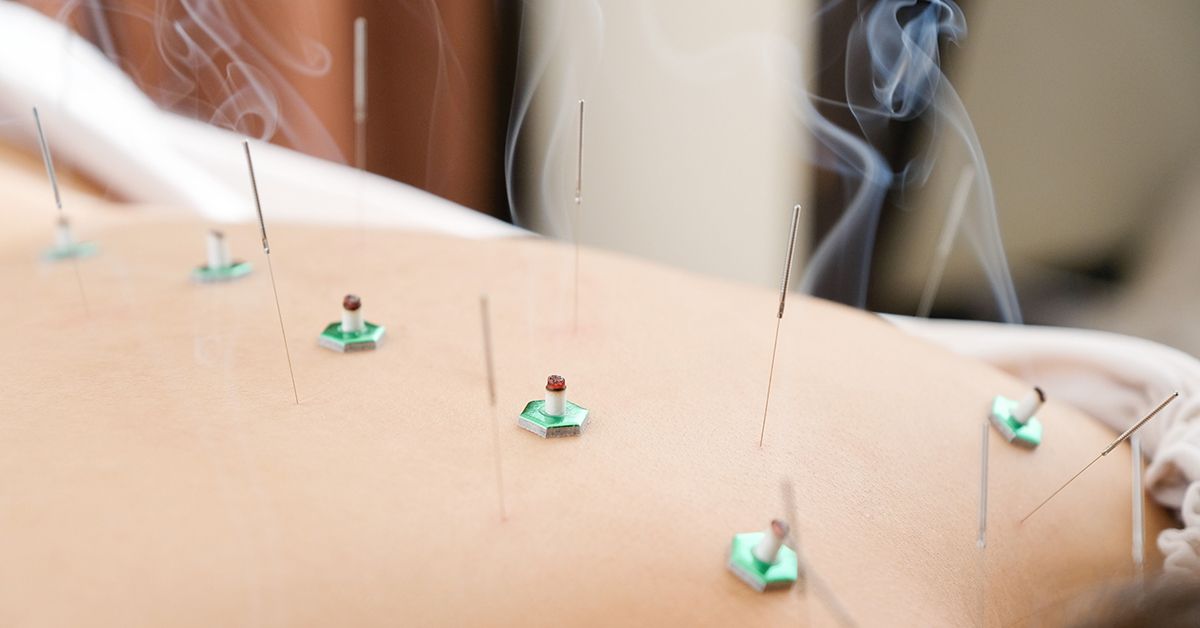
Moxibustion sounds a little mysterious, a little smoky, and a little like something your skeptical uncle would dismiss until he tried it and suddenly started calling it “that warming thing.” In simple terms, moxibustion is a traditional East Asian heat therapy that uses dried mugwort, often called moxa, to warm specific points on the body. It is commonly used alongside acupuncture, but it can also be performed on its own.
People seek out moxibustion for all kinds of reasons: pain, digestive complaints, menstrual cramps, fatigue, and, most famously, breech birth. That last use tends to get the most attention because it lives at the crossroads of traditional medicine, modern obstetrics, and a very understandable desire to avoid a stressful delivery surprise. Still, this is not a miracle campfire in the shape of healthcare. Moxibustion has a place in integrative care, but it also has limits, risks, and a very important rule: when pregnancy is involved, your obstetric clinician needs to be in the loop.
This guide breaks down how moxibustion works, why it gets discussed in breech pregnancy, what other uses people talk about, and where safety should lead the conversation.
What Is Moxibustion?
Moxibustion is a form of heat therapy used in traditional Chinese medicine. The treatment involves burning processed mugwort on or above the skin, usually near an acupuncture point or over a region that practitioners want to warm and stimulate. The goal in traditional practice is to support circulation, add warmth, and address patterns associated with “cold” or stagnation.
If you are picturing a practitioner waving a smoking herbal cigar near your skin, that is not far off. Moxa is often shaped into sticks or cones. Depending on the technique, it may be held close to the body, placed on top of another material such as ginger, or used near an acupuncture needle so the heat travels downward without the herb touching bare skin.
Direct vs. indirect moxibustion
There are two broad styles of moxibustion:
- Direct moxibustion: A small cone of moxa is placed very near or on the skin and removed before burning causes injury. In some traditions, it may briefly touch the skin. This method requires skill, precision, and caution.
- Indirect moxibustion: The moxa does not directly touch the skin. A practitioner may hold a lit moxa stick near the treatment point, place it above an acupuncture needle, or use a barrier such as ginger or a specialized device.
Indirect moxibustion is the form many Western patients are most likely to encounter because it is easier to control and generally more comfortable. The sensation should feel warm, not painful. If it feels like your skin is auditioning for a barbecue, something has gone wrong.
How Does Moxibustion Work?
There are really two ways to answer this question: the traditional explanation and the modern one.
The traditional explanation
In traditional Chinese medicine, moxibustion is used to warm meridians, support the movement of qi, and strengthen what practitioners may describe as yang energy. It is often recommended for patterns linked to coldness, deficiency, sluggish circulation, or certain kinds of pain that feel better with warmth.
The modern explanation
From a modern medical standpoint, the mechanism is less settled. The most plausible explanations involve local heat, relaxation, changes in blood flow, nervous system effects, and the broader therapeutic context of a hands-on session. In other words, the warming stimulus may help some people feel looser, calmer, and more comfortable, but researchers are still sorting out how much benefit comes from the heat itself, how much comes from the placement of treatment, and how much comes from the surrounding care experience.
That uncertainty matters. It does not mean moxibustion is useless. It means confident claims should be kept on a short leash. For some conditions, the evidence is encouraging. For many others, it is still incomplete.
Moxibustion and Breech Birth
This is the use that gets the most headlines, and for good reason. A breech baby is positioned bottom-first or feet-first instead of head-down late in pregnancy. Near full term, that matters because head-down is generally the safest position for vaginal birth. Breech presentation is not rare earlier in pregnancy, but by the final weeks, most babies have already turned.
When a baby remains breech after about 36 weeks, standard obstetric care often includes a discussion of external cephalic version (ECV), a procedure in which a clinician tries to turn the baby by applying pressure to the pregnant abdomen. ECV is not alternative medicine. It is mainstream obstetric care and remains the standard medical option for trying to turn a breech baby near term.
Where moxibustion fits in
Moxibustion is usually discussed earlier than ECV, often around the 32- to 36-week window, depending on the clinical situation. In traditional practice for breech presentation, the practitioner commonly applies moxa near an acupuncture point on the outer side of the little toe, often referred to as BL67. The theory is that this stimulation may increase fetal activity and improve the chance that the baby turns to a head-down position.
What the evidence actually says
The evidence is more interesting than dismissive critics sometimes admit, but not as tidy as enthusiasts might prefer. Some systematic reviews and meta-analyses suggest that moxibustion used with usual prenatal care may reduce the chances that a baby remains non-head-down at birth. That is the most hopeful part of the evidence base.
But there are important caveats. Study quality varies. Treatment protocols are not always identical. Some trials combine moxibustion with acupuncture or postural techniques, which makes it harder to isolate the effect of moxa alone. Outcomes like cesarean section rates do not improve as consistently as “baby turned head-down” rates. And not every review reaches equally strong conclusions.
So the practical takeaway is this: moxibustion for breech birth may help some pregnancies, but it is best viewed as a complementary option, not a replacement for obstetric care, ultrasound follow-up, or ECV when ECV is medically appropriate.
What pregnant patients should remember
- Moxibustion for breech birth should be discussed with your OB-GYN or midwife first.
- It should be done by a trained practitioner, especially during pregnancy.
- It does not replace monitoring, prenatal appointments, or emergency evaluation if symptoms arise.
- If your baby stays breech, your delivery plan still needs to be based on obstetric safety, not wishful thinking and incense-adjacent optimism.
Other Uses of Moxibustion
Beyond pregnancy, moxibustion is commonly used in integrative and traditional medicine settings for a range of symptoms. That does not mean all uses are equally supported by evidence.
Pain and musculoskeletal complaints
People often seek moxibustion for joint pain, back pain, stiffness, or pain that feels better with warmth. It may be used for conditions that are also commonly treated with acupuncture. Some patients report that the heat feels deeply relaxing and helps reduce the sense of tightness or heaviness in the area being treated.
That said, the evidence for acupuncture is generally stronger and better studied than the evidence for moxibustion specifically. When people say, “It helped my pain,” that may be true for them, but it is not the same thing as saying moxibustion has rock-solid proof for every pain condition under the sun.
Digestive symptoms
Moxibustion is also used for indigestion, bloating, loose stools, and other gastrointestinal complaints in traditional practice. Some people like it because it feels warming and soothing, especially when symptoms seem worse with cold foods, stress, or fatigue. Modern evidence here remains mixed. It is an area of interest, but not one where moxibustion should bump proven diagnosis and treatment off the stage.
Menstrual cramps and reproductive health concerns
Because warmth is often associated with comfort, moxibustion is sometimes used for menstrual cramps or pelvic discomfort. Some practitioners also use it in broader fertility or reproductive wellness plans. These uses are popular in traditional practice, but once again, popularity and strong evidence are not identical twins.
Fatigue and supportive care
In some integrative oncology and supportive care settings, acupuncture is used alongside techniques that may include moxibustion. The purpose is usually symptom relief, such as pain, fatigue, nausea, sleep problems, or general comfort. That is an important distinction. Moxibustion is not a cure for cancer or serious chronic disease. At most, it may play a supportive role in symptom management when coordinated with conventional care.
What a Moxibustion Session Is Usually Like
A typical session is much less dramatic than the word “burning” makes it sound.
Before treatment
Your practitioner will usually ask about your symptoms, medical history, medications, and goals. If you are pregnant, this part should be especially thorough. A good practitioner will want to know what your obstetric clinician has said and whether there are any reasons to avoid treatment.
During treatment
You may lie on a treatment table while the practitioner holds a lit moxa stick near the skin or uses it with acupuncture needles. The area should feel gradually warm, sometimes intensely warm, but not sharply painful. Sessions may last anywhere from a few minutes to a longer integrative appointment if acupuncture is included.
The room may smell herbal and smoky. Some people find that cozy. Others feel like they are one ventilation issue away from texting, “Why does this clinic smell like a campfire wearing essential oils?” Both reactions are valid.
After treatment
Many people report feeling relaxed, sleepy, or pleasantly loose afterward. Mild skin redness can happen. You should not leave with a blister, a coughing fit, or a new distrust of sleeves because your forearm now looks sunburned. If that happens, the treatment was not appropriately managed.
Safety, Side Effects, and Who Should Be Careful
Moxibustion is not inherently reckless, but “natural” does not mean “risk-free.” Fire remains committed to being fire.
Possible side effects
- Burns and blistering: The most obvious risk, especially with direct moxibustion or poor technique.
- Skin irritation or discoloration: Even when no serious burn occurs, the skin may become red or irritated.
- Allergic reactions: Mugwort allergy is a real concern for some people.
- Smoke sensitivity: The smoke can bother people with asthma, allergies, or other lung conditions.
- Infection risk: If the skin is injured or if treatment is not performed hygienically, infection is possible.
Who should be extra cautious
You should speak with a healthcare professional before trying moxibustion if you are pregnant, have asthma or smoke sensitivity, have neuropathy that limits your ability to sense heat, have poor circulation, have broken or fragile skin, or are immunocompromised.
Pregnancy deserves special emphasis. Moxibustion for breech presentation should only be considered with prenatal guidance. Doing DIY toe-heating because a friend on the internet swears it worked for her cousin’s neighbor is not a care plan.
How to Choose a Qualified Practitioner
If you are thinking about trying moxibustion, choose someone who is licensed where required, experienced in the technique, and willing to communicate clearly about risks, expectations, and when not to use it.
Questions worth asking
- Are you licensed and trained in acupuncture or traditional Chinese medicine?
- How often do you perform moxibustion?
- Do you use direct or indirect techniques?
- How do you reduce burn and smoke risk?
- Have you treated pregnant patients with breech presentation before?
- Will you work with my OB-GYN, midwife, or primary care clinician if needed?
Good answers should sound calm, specific, and safety-focused. If the practitioner responds as though moxibustion can fix literally everything except your Wi-Fi, keep shopping.
The Bottom Line
Moxibustion is an old therapy with modern curiosity around it. At its best, it may offer a warming, relaxing, potentially helpful complement to conventional care. The most talked-about use is breech birth, where the evidence suggests possible benefit but not enough certainty to turn it into a stand-alone solution. For pain, digestive complaints, menstrual discomfort, and supportive wellness care, some people find it useful, but the quality of evidence varies widely by condition.
The smartest way to think about moxibustion is not as magic and not as nonsense. It is a complementary therapy with a meaningful tradition, plausible effects, some encouraging data, and real safety considerations. Used wisely, it may have a role. Used carelessly, it is just herb-flavored heat with consequences.
This article is for educational purposes only and is not a substitute for medical advice, diagnosis, or treatment.
Real-World Experiences With Moxibustion
One reason moxibustion continues to attract attention is that the experience itself tends to be memorable. People often describe it less like a clinical procedure and more like a strangely calming ritual that lands somewhere between bodywork, heat therapy, and “Why does this smell like a tiny herbal bonfire?” For first-timers, the biggest surprise is usually how gentle the treatment can feel when it is performed well. Instead of pain, many people report a deep, spreading warmth that feels focused but not aggressive.
For people using moxibustion for general aches and stiffness, the experience often centers on comfort. Someone with chronic back tightness, for example, may say the session helped them feel looser for the rest of the day or sleep a little better that night. Others describe a soft, drowsy feeling afterward, almost like the body got the memo that it could stop clenching every muscle like it was bracing for a group project. That does not prove long-term effectiveness, of course, but it helps explain why many patients come away feeling that the treatment did something meaningful, even when the measurable outcome is modest.
Experiences related to breech birth are often more emotionally charged. When a pregnant patient is told that a baby is still breech late in pregnancy, the conversation can quickly become stressful. That is one reason moxibustion gets so much attention: it feels proactive. Some people report noticing more fetal movement during or after treatment sessions, which is one of the reasons the therapy has remained part of the breech conversation. A patient might say, “The baby was unusually active that evening,” and that memory tends to stick. Still, experiences vary widely. Some babies turn. Some do not. Some pregnancies still require ECV or cesarean delivery, even after hopeful early signs.
Another recurring theme is that patients often appreciate moxibustion most when the practitioner communicates clearly. The best experiences usually happen when people know what sensation to expect, when to speak up, and what side effects are normal versus not normal. A little temporary redness may not alarm them. A blister absolutely should. Good communication turns an unusual therapy into a manageable one.
Not every experience is glowing, literally or figuratively. Some people dislike the smell, feel irritated by the smoke, or decide very quickly that they prefer acupuncture, heating pads, or treatments that do not make their coat smell like it attended a wood-fired wellness retreat. Patients with asthma or scent sensitivity may find the session unpleasant even if the technique is technically correct. That is why ventilation and screening matter so much.
In the end, real-world experiences with moxibustion tend to fall into a very human middle ground. Some people love it. Some people shrug. Some people feel helped in a way that is meaningful to them, even if the research has not fully caught up. The most sensible response is neither blind faith nor instant dismissal. It is curiosity with guardrails: know what the therapy is, know what it is not, work with qualified professionals, and let safety stay in charge.