

Renting a home should not mean living inside a beige box with fluorescent lighting and a mysterious cabinet knob that has survived three presidents. The good news is that renter-friendly DIY design upgrades have come a long way. Today, you can add color, texture, storage, lighting, and personality without drilling like a construction crew or waving goodbye to your security deposit.
The secret is choosing reversible design improvements: temporary wallpaper, peel-and-stick tiles, removable hooks, plug-in lighting, freestanding storage, clever textiles, and small swaps that can be undone before move-out day. These upgrades are practical, stylish, budget-conscious, and perfect for apartments, rental homes, dorm-style spaces, and anyone who wants a prettier place without a permanent renovation.
Below are 16 renter-friendly DIY design upgrades to try, plus real-world experience notes to help you avoid the classic mistakes: crooked wallpaper, sticky residue, wobbly shelves, and the emotional spiral of realizing you measured once and cut twice.
1. Add Peel-and-Stick Wallpaper for Instant Personality
Peel-and-stick wallpaper is one of the easiest ways to make a rental feel custom. Use it on an accent wall, inside a closet, behind open shelving, or even on the back of a bookcase. For small apartments, wallpaper can help define zones, such as a dining corner, work-from-home nook, or bedroom wall behind the headboard.
Choose patterns that match the mood of the room. Soft botanical prints can warm up a bedroom, geometric designs can sharpen a home office, and grasscloth-inspired textures can make a living room look more expensive than your snack budget suggests.
Renter-friendly tip
Apply wallpaper only to clean, smooth, painted surfaces. Test a small hidden area first, especially if your walls have matte paint, old paint, or texture. Keep the backing paper and product information so removal instructions are not a mystery later.
2. Upgrade the Kitchen With Peel-and-Stick Backsplash Tiles
A dated kitchen can make even your best pasta night feel like a sad cafeteria moment. Peel-and-stick backsplash tiles are a fast way to add style behind the sink, stove-adjacent areas, or coffee station. Subway tile, marble-look panels, terrazzo, zellige-inspired patterns, and simple white tiles all work beautifully in rentals.
The key is preparation. Wipe away grease, dust, and moisture before applying. Measure carefully, use a level, and start in a less noticeable corner while you get the hang of it.
Renter-friendly tip
Some adhesives are stronger than others. If you are unsure about removal, place a removable barrier such as thin poster board or another temporary backing behind the tile in a small test area. Always check heat guidelines near stoves.
3. Swap Cabinet Hardware for a Custom Look
Changing cabinet knobs and pulls is a small upgrade with a surprisingly big payoff. Brass knobs can make builder-grade cabinets feel polished, matte black pulls can modernize a kitchen, and ceramic knobs can add charm to a bathroom vanity.
This project is ideal for renters because it usually requires no new holes. Just unscrew the existing hardware, store it in a labeled bag, and install the new pieces using the same screw holes.
Renter-friendly tip
Measure the distance between screw holes before buying pulls. That measurement is called the center-to-center size, and it is the difference between a five-minute upgrade and a tiny hardware-related crisis.
4. Use Removable Contact Paper on Countertops or Furniture
Contact paper can refresh ugly surfaces without replacing them. Marble-look contact paper is popular for bathroom counters, faux wood can warm up a desk, and matte solid colors can make a scratched dresser look intentional instead of abandoned.
Use contact paper on flat, smooth surfaces and work slowly with a smoothing tool or credit card wrapped in a soft cloth. For corners, gentle heat from a hair dryer can help the material bend more neatly.
Renter-friendly tip
Avoid using contact paper on surfaces that get very wet, very hot, or heavily scratched every day unless the product is designed for that use. Test removal before covering a large area.
5. Install Plug-In Wall Sconces
Lighting can completely change the personality of a rental. If your overhead light makes everyone look like they are being questioned in a crime drama, add plug-in wall sconces. They create layered lighting without hardwiring, and many styles look just as elevated as permanent fixtures.
Use plug-in sconces beside a bed, above a reading chair, near a desk, or on both sides of a sofa. Cord covers can help create a cleaner look, and smart bulbs can add dimming control without changing the electrical setup.
Renter-friendly tip
Use removable cord clips when possible, and avoid overloading outlets. For anything involving electrical wiring, choose a plug-in option or ask your landlord and a qualified professional.
6. Replace Harsh Bulbs With Warm, Layered Lighting
You do not always need new fixtures. Sometimes you just need better bulbs. Warm white bulbs, dimmable lamps, and layered lighting can make a rental feel softer and more expensive. Add table lamps, floor lamps, under-cabinet puck lights, and LED strips under shelves for a cozy glow.
This is one of the most underrated apartment decorating ideas because it improves every room without paint, tools, or commitment.
Renter-friendly tip
Choose bulbs with the right brightness and color temperature. Warm light is flattering in bedrooms and living rooms, while brighter neutral light works well in kitchens, closets, and workspaces.
7. Hang Curtains Higher and Wider
Curtains can make a rental look taller, softer, and more finished. Instead of hanging the rod directly above the window frame, mount it higher and extend it wider than the window. This makes windows look larger and lets in more light when the curtains are open.
If drilling is not allowed, look into tension rods, no-drill curtain brackets, or adhesive-friendly options designed for lightweight panels. Linen-look curtains, cotton panels, and light-filtering sheers are all easy ways to add texture.
Renter-friendly tip
Measure from the floor to your chosen rod height before ordering curtains. Too-short curtains can make a room feel awkward, like it is wearing pants from middle school.
8. Add Area Rugs to Cover Uninspiring Floors
Rental flooring is often a surprise, and not always the fun kind. Area rugs can hide worn carpet, soften vinyl flooring, protect hardwood, and define zones in open spaces. A large rug under the living room furniture instantly makes the room feel more intentional.
Use washable rugs in high-traffic areas, flatweaves under dining tables, and plush rugs in bedrooms. Layering rugs can also help when you need to cover more square footage without buying one massive expensive rug.
Renter-friendly tip
Use a rug pad to prevent slipping and protect the floor underneath. Check that the pad is safe for your specific flooring type.
9. Try Temporary Floor Tiles
Peel-and-stick floor tiles can transform a bathroom, laundry nook, or entryway. They are available in checkerboard, stone-look, patterned, and minimalist designs. For renters, this upgrade works best in smaller spaces where installation and removal are manageable.
Before applying, clean the floor thoroughly and make sure the tiles can handle moisture if they are going in a bathroom or kitchen.
Renter-friendly tip
Do not install temporary flooring over damaged, peeling, or delicate floors without testing. Some adhesives can lift old finishes, especially in older rentals.
10. Create a Gallery Wall With Removable Strips
Blank walls can make a rental feel unfinished. A gallery wall adds personality without a paintbrush. Mix framed prints, family photos, small mirrors, textile art, and lightweight objects. For a polished look, keep one thing consistent: frame color, mat style, art theme, or spacing.
Removable picture hanging strips make this project renter-friendly, but weight limits matter. Read the package, use the correct strip size, and press firmly during installation.
Renter-friendly tip
Plan the layout on the floor first, then use paper templates on the wall before hanging anything. Your future self will appreciate not turning the wall into a game of “guess where the frame should go.”
11. Use Freestanding Shelving Instead of Built-Ins
Built-ins are beautiful, but most renters are not casually constructing custom cabinetry on a Tuesday. Freestanding shelves are the next best thing. Tall bookcases, ladder shelves, cube storage, and modular units can create the look of built-ins without permanent construction.
For a high-end effect, style shelves with a mix of books, baskets, plants, ceramics, and framed art. Leave some breathing room so the shelves look curated, not like a storage unit having a stressful day.
Renter-friendly tip
Anchor tall furniture when needed and allowed, especially in homes with children or pets. If wall anchoring is not possible, choose lower, wider pieces for better stability.
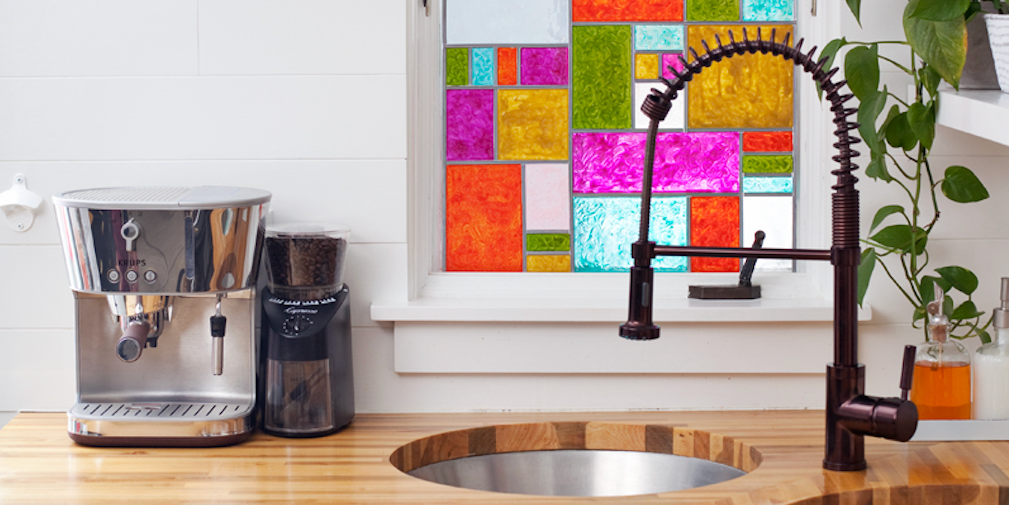
12. Add Removable Window Film
Window film is a smart renter-friendly upgrade for privacy, style, and light control. Frosted film works well in bathrooms, bedrooms, and street-facing windows. Reeded-glass designs can make plain windows look custom, while UV-filtering films can reduce glare in sunny rooms.
Most removable window films apply with water and can be repositioned during installation. That makes them forgiving for beginners, which is always nice when your DIY confidence is powered by coffee and optimism.
Renter-friendly tip
Clean the glass thoroughly before applying and use a squeegee to remove bubbles. Save the backing if you plan to reuse the film later.
13. Refresh the Bathroom With Accessories That Look Built-In
Rental bathrooms are often where design dreams go to test their patience. You can still make one feel stylish with smart accessories. Add a teak bath mat, matching dispensers, a curved shower rod, a fabric shower curtain, adhesive towel hooks, and a slim storage cabinet.
Peel-and-stick hooks can hold lightweight towels or robes, while a tension shower caddy can add storage without screws. A new mirror leaning safely on a vanity or mounted with approved removable hardware can also improve the space.
Renter-friendly tip
Moisture affects adhesives. In bathrooms, use products specifically rated for humid areas and give them time to bond before hanging anything.
14. Upgrade Doors With Removable Details
Plain doors can be upgraded with removable decals, peel-and-stick molding, renter-friendly hooks, or even a stylish over-the-door mirror. Closet doors, pantry doors, and entry doors are all opportunities for personality.
For a subtle look, add simple panel-style trim using lightweight removable materials. For a playful look, use decals or temporary wallpaper on flat closet doors.
Renter-friendly tip
Make sure doors can still open, close, and latch properly after adding anything. Beautiful design is less impressive when the closet starts fighting back.
15. Bring in Plants and Better Planters
Plants make a rental feel alive, fresh, and cared for. If you are not a plant expert, start with forgiving options like pothos, snake plants, ZZ plants, or philodendrons. Pair them with decorative planters, plant stands, or hanging baskets using renter-safe hooks where appropriate.
Even one large plant in a corner can soften hard lines and make a room feel more designed. Faux plants are also fair game if your watering schedule is best described as “emotionally inconsistent.”
Renter-friendly tip
Use saucers under real plants to protect floors and furniture. Water damage is not a design upgrade.
16. Create Zones With Furniture, Screens, and Textiles
Many rentals, especially studios and small apartments, need better zones. Use furniture placement, rugs, folding screens, curtains, bookcases, or open shelving to separate sleeping, working, dining, and relaxing areas.
A console table behind a sofa can create an entry zone. A rug under a desk can define a work area. A folding screen can hide storage or create privacy. These changes do not require permanent installation, but they can make the space function like it was designed just for you.
Renter-friendly tip
Keep walkways clear and choose pieces that fit the scale of the room. In small spaces, flexible furniture is your best friend.
How to Choose the Best Renter-Friendly DIY Upgrades
Before starting any renter-friendly DIY project, ask three questions: Can it be removed cleanly? Will it damage the original surface? Does it improve daily life enough to be worth the effort? The best rental upgrades are not just pretty; they solve annoying problems.
If your kitchen feels dated, start with cabinet hardware and lighting. If your living room feels cold, add curtains, rugs, and warmer bulbs. If your bathroom feels bland, try a better shower curtain, removable hooks, and stylish storage. If your apartment lacks personality, wallpaper one wall or create a gallery wall.
Always save original hardware, document the condition of the rental before making changes, and keep receipts or product instructions. When in doubt, check your lease or ask your landlord before making changes that touch walls, floors, plumbing, or electrical fixtures.
Experience Notes: What Actually Works in a Rental
After trying renter-friendly design ideas in real apartments, one lesson becomes obvious: the most successful upgrades are the ones that look good and come off cleanly. A project can be beautiful on day one, but if it damages the wall on move-out day, it becomes less “DIY magic” and more “security deposit funeral.”
The easiest wins usually come from lighting, textiles, and hardware. Swapping cold bulbs for warm bulbs can change the whole mood of a room in minutes. Adding curtains makes a space feel taller and softer, especially when the rod is placed higher than the window frame. Replacing cabinet knobs is another high-impact upgrade because it gives old cabinets a fresher look without altering the cabinets themselves. Just remember to store the original knobs in a labeled bag. Future-you, holding a moving box at midnight, will be deeply grateful.
Peel-and-stick products can be wonderful, but they require patience. The best results come from slow installation, careful measuring, and realistic expectations. Temporary wallpaper looks best on smooth walls, not heavily textured ones. Peel-and-stick backsplash tiles work best on clean, flat surfaces. Contact paper can refresh furniture or counters, but it is not indestructible. If you drag sharp objects across it or soak it daily, it will eventually show wear. Think of these materials as stylish temporary solutions, not superhero armor.
Another experience-based rule: do not underestimate scale. A tiny rug floating in the middle of the living room can make the space feel smaller. A larger rug that fits under the front legs of the furniture usually looks more intentional. The same goes for art. One small frame on a large wall can look lonely, while a gallery wall or oversized print can make the room feel finished. Renters often avoid going bold because they assume temporary means timid, but removable design can still have confidence.
Storage upgrades are also worth the effort. Freestanding shelves, baskets, rolling carts, and storage benches can make a rental more functional without permanent changes. In small apartments, every piece should earn its place. A bench can hold shoes. A bookcase can divide a studio. A bar cart can become a coffee station. A slim cabinet can rescue a bathroom from countertop chaos.
The biggest mistake renters make is rushing. Adhesive hooks need proper surface prep and bonding time. Wallpaper needs careful alignment. Curtains need accurate measurements. Even simple DIY design upgrades benefit from a quick plan. Clean the surface, test the material, measure twice, and keep the project small if you are new to DIY. A bathroom nook, entry wall, or cabinet hardware swap is a great starting point.
Ultimately, renter-friendly design is about control. You may not own the walls, but you can control the atmosphere. You can make a rental feel warmer, smarter, more organized, and more personal. And when move-out day arrives, you can take most of that style with you, which is the renter’s version of a happy ending.
Conclusion
Renter-friendly DIY design upgrades prove that you do not need a renovation budget, a demolition plan, or a landlord’s nervous eye twitch to create a home you love. With removable wallpaper, peel-and-stick tiles, better lighting, stylish curtains, area rugs, plants, upgraded hardware, and smart storage, even a plain rental can feel polished and personal.
The best approach is to start with small, reversible changes and build from there. Focus on upgrades that improve both style and daily comfort. A prettier kitchen, softer bedroom, brighter living room, and more organized bathroom are all possible without making permanent changes.
Note: Always check your lease, test removable products in hidden areas, and save original fixtures or hardware before making renter-friendly upgrades.