

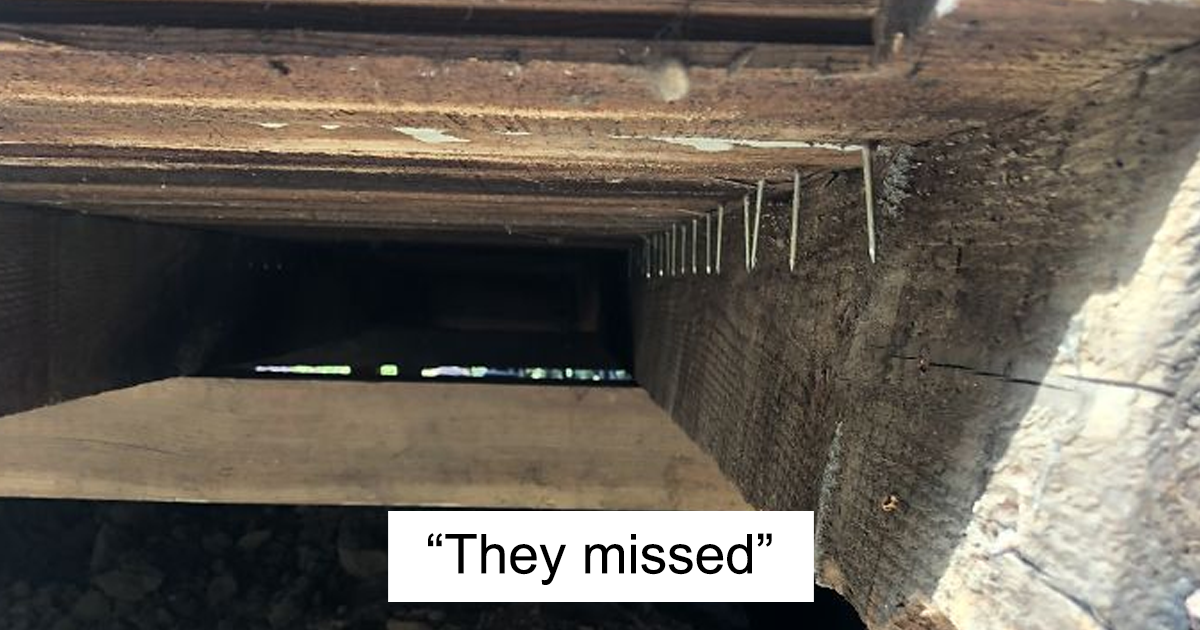
Structural inspections are where houses stop pretending. Fresh paint can smile. New floors can sparkle. A scented candle can whisper, “Everything is fine.” Then an inspector crawls under the building, shines a flashlight at a cracked pier, and the whole property starts sweating through its drywall.
The phrase “175 worst things seen during structural inspections” sounds like a comedy list until you remember that buildings are not supposed to freestyle. Walls should carry loads. Foundations should stay still. Roof framing should not look like a game of pickup sticks after a windstorm. And yet, across crawl spaces, basements, attics, garages, balconies, hillside homes, old remodels, and suspiciously “finished” rooms, inspectors regularly find construction nightmares that range from mildly ridiculous to “please leave the building now.”
This article breaks down the worst structural inspection findings into practical categories: foundation failures, water damage, rotten framing, termite destruction, unsafe DIY repairs, roof problems, cracked masonry, failing retaining walls, and hidden defects that homeowners often miss. The goal is not to panic you. The goal is to help you recognize why these issues matter before a small defect becomes a very expensive gravity experiment.
What Structural Inspectors Are Really Looking For
A structural inspection is not just a slow walk around the house with a clipboard and a disappointed facial expression. Inspectors look for signs that a building’s load path has been interrupted. In simple terms, they want to know whether the weight of the roof, walls, floors, people, furniture, wind, soil pressure, and sometimes earthquakes or flooding is being safely transferred down to the ground.
That means an inspector pays close attention to the foundation, footings, piers, posts, beams, joists, rafters, trusses, shear walls, retaining walls, balconies, stairs, decks, masonry, and connections. They also look for indirect clues: sloping floors, sticking doors, diagonal cracks near windows, bowed walls, sagging rooflines, water stains, musty odors, rust, insect tubes, and repairs that look like they were performed by someone whose only tool was confidence.
The worst discoveries usually share one theme: the building has been asking for help for years, and everyone kept turning up the TV.
The Worst Things Seen During Structural Inspections
1. Foundations That Have Officially Given Up
Foundation problems are the heavyweight champions of bad inspection news. A cracked tile is annoying. A cracked foundation wall that is bowing inward is a different conversation, usually involving an engineer, a contractor, and a homeowner quietly Googling “can I sell a house to a raccoon?”
Inspectors may find stair-step cracks in block walls, horizontal cracks caused by soil pressure, settlement cracks from poor fill, sinking piers, undermined footings, or concrete slabs that have separated from the structure like they are seeking personal growth. In hillside areas, foundation movement can be especially dramatic because soil creep, drainage failures, and retaining wall issues can team up like villains in a construction movie.
One of the worst scenarios is a foundation that has been cosmetically patched again and again without addressing drainage or soil movement. Paint over a crack, and you have a painted crack. Add caulk, and you have a flexible painted crack. Add a framed wall in front of it, and you have a secret that is now growing mold.
2. Posts, Piers, and Beams Doing Jobs They Never Applied For
Some inspection photos look funny until you understand what they mean. A stack of loose bricks under a beam is not a “custom support system.” A car jack under a floor joist is not a permanent foundation repair. A random two-by-four wedged under a girder is not structural engineering; it is a cry for adult supervision.
Inspectors have seen beams supported by rocks, patio blocks, rusted pipes, cinder blocks turned the wrong direction, rotting tree stumps, and metal posts sitting directly on dirt. Sometimes the support is technically touching the beam but not actually carrying meaningful load. Other times it is carrying load today but only because humidity, termites, and physics have not finished negotiating.
The danger is that structural support must be continuous, stable, and properly connected. A beam needs a suitable bearing point. A post needs a footing. A footing needs competent soil. When one part is improvised, the whole load path becomes a very expensive trust fall.
3. Rotten Wood Hidden in Places Nobody Wants to Crawl
Moisture is the villain that never needs a dramatic entrance. It just shows up, stays too long, and starts eating the house. Structural inspectors often find rotten sill plates, floor joists, rim joists, subflooring, porch framing, deck ledgers, roof sheathing, and wall studs. The wood may look acceptable from a distance, but a probe can sink into it like cake.
The most common causes are roof leaks, plumbing leaks, poor flashing, bad grading, missing gutters, clogged downspouts, wet crawl spaces, condensation, and basement seepage. Once wood remains damp long enough, decay organisms can weaken it. Add termites or carpenter ants, and the structure becomes a buffet with a mortgage.
Rot is especially sneaky around bathrooms, kitchens, exterior doors, window sills, decks, balconies, chimneys, and basement walls. These areas often have repeated water exposure, and homeowners may not notice trouble until floors bounce, walls stain, or trim starts behaving like wet cardboard.
4. Termite Damage That Turns Framing Into Confetti
Termites are tiny, quiet, and apparently committed to long-term real estate sabotage. During structural inspections, the worst termite findings include hollowed beams, damaged sill plates, eaten joists, mud tubes on foundation walls, damaged porch posts, and framing that looks fine until touched.
Subterranean termites often travel through mud tubes and attack hidden wood near soil or moisture sources. Inspectors know that suspect areas must be visually checked and often probed because termite damage can remain invisible behind paint, paneling, insulation, or finished walls. The truly insulting part is that termites do not even pay rent while reducing your home’s structural capacity.
Termite damage becomes more serious when it affects load-bearing components. Cosmetic trim can be replaced. A compromised girder under a house is a different level of problem. When pest damage and moisture damage appear together, the repair scope can grow quickly.
5. Roof Framing That Looks Like It Lost an Argument
Attics tell stories, and some of them belong in horror anthologies. Inspectors may find cracked rafters, cut trusses, sagging ridge lines, undersized collar ties, missing bracing, separated connections, over-spanned members, water-damaged sheathing, or roof framing altered to make room for ducts, skylights, storage, or a homeowner’s dream of “more usable space.”
A cut truss is one of the classic nightmares. Trusses are engineered systems, not decorative wooden suggestions. Cut one member to install an attic ladder or HVAC duct, and the load distribution changes. The roof may not collapse immediately, but buildings often prefer to fail slowly before they fail suddenly.
Other roof problems include heavy roofing materials installed over framing that was not designed for them, long-term leaks around chimneys, missing ventilation that traps moisture, and sagging areas where sheathing or rafters have weakened. From the street, the roof may look charming. From the attic, it may look like a structural group project where nobody read the instructions.
6. Walls That Bow, Bulge, Crack, or Lean Like They Have Regrets
Cracks are not all equal. A hairline drywall crack may be normal movement. A wide diagonal crack from a window corner, a horizontal foundation crack, a bulging masonry wall, or a wall pulling away from the ceiling is a stronger warning sign. Inspectors look at crack width, direction, location, pattern, moisture, displacement, and whether doors and windows nearby are sticking.
In masonry buildings, cracks can indicate settlement, lateral pressure, corrosion of embedded steel, thermal movement, or poor construction. In wood-framed buildings, cracks may reveal foundation settlement, framing movement, or inadequate bracing. The worst walls are not just cracked; they are actively changing shape.
A wall is supposed to be boring. When it starts leaning, bowing, or pushing inward, it has developed a personality. That personality is expensive.
7. Decks, Balconies, and Stairs Built on Wishful Thinking
Few inspection discoveries are more alarming than a deck attached with a handful of nails, a balcony ledger bolted into rotten framing, or exterior stairs supported by posts that have become soil-flavored compost. Deck and balcony failures are dangerous because they can involve sudden collapse while people are using them.
Common defects include missing ledger flashing, corroded fasteners, undersized joists, poor guardrail connections, inadequate footings, rotten posts, notched beams, loose stair stringers, and connections that rely on nails where bolts or structural connectors are needed. The deck may have hosted cookouts for years, but “it has not fallen yet” is not a building standard.
The worst deck repairs often involve adding random blocks of wood under sagging members without fixing the actual cause. That is not reinforcement. That is architectural panic.
8. Retaining Walls and Hillside Structures Playing Dangerous Games
Retaining walls are not just landscaping accessories. They hold back soil, water, and pressure. When they fail, they can damage foundations, driveways, garages, patios, stairs, and neighboring properties. Inspectors look for leaning walls, open cracks, poor drainage, bulging sections, eroded soil, failed anchors, and walls built without proper engineering.
One of the worst findings is a hillside stairway or walkway attached to failing supports. Another is a retaining wall with no visible drainage, where trapped water increases lateral pressure behind the wall. Water is patient. Soil is heavy. Together, they do not care how nice the wall looked on move-in day.
9. Water Intrusion That Has Been “Handled” With Paint
Water stains are not decorations. Efflorescence on basement walls, musty smells, peeling paint, swollen trim, warped floors, wet insulation, and rusted metal connectors all tell inspectors that water has been moving through the building. The worst part is not always the visible damage; it is what the water reached before it became visible.
Basement seepage can damage finishes and conceal foundation issues. Roof leaks can weaken sheathing and framing. Plumbing leaks can rot subfloors. Poor grading can keep foundation walls wet. Missing capillary breaks can allow moisture to wick into wood. In many buildings, water problems are not one defect but a whole family reunion of defects.
Covering water damage without correcting the source is like putting a bandage on a running faucet. It may look tidier, but the problem is still having a great time.
10. DIY Repairs That Should Come With Apology Letters
Not all homeowner repairs are bad. Some are careful, permitted, and well executed. Others are structural fan fiction. Inspectors have seen load-bearing walls removed without beams, beams installed without proper bearing, notched joists, drilled joists, cut rafters, missing hangers, plumbing holes through critical framing, and basement remodels that hide every clue behind paneling.
The most dangerous DIY structural repairs are the ones that look neat. A cleanly finished basement can conceal missing posts, active water intrusion, termite damage, or compromised foundation walls. A beautiful kitchen renovation can hide the fact that a wall was removed and replaced with a beam that is too small, poorly supported, or not supported at all.
When inspectors say “consult a structural engineer,” they are not trying to ruin the vibe. They are trying to stop the second floor from becoming the first floor.
Why These Structural Defects Become So Expensive
Structural problems rarely travel alone. A foundation crack may connect to poor drainage. Poor drainage may create wet framing. Wet framing may invite insects. Insects may weaken joists. Weak joists may create sloping floors. Sloping floors may crack walls. Cracked walls may get patched and painted before the house goes on the market. Suddenly, one ignored downspout has become a multi-trade repair project with a soundtrack of nervous sighing.
The worst inspection findings are expensive because they affect safety, access, sequencing, and hidden conditions. Fixing a damaged beam may require temporary shoring. Repairing a foundation may require excavation. Replacing rotten framing may reveal more rot. Correcting a bad retaining wall may involve drainage, engineering, permits, and neighboring property concerns. Structural work is not always glamorous, but it is the part of the house that allows the glamorous parts to remain attached.
Red Flags Homeowners Should Never Ignore
You do not need to be an engineer to notice early warning signs. Call a qualified professional if you see floors that slope noticeably, doors that suddenly stick, windows that no longer close, cracks that widen, gaps between walls and ceilings, sagging rooflines, leaning chimneys, wet crawl spaces, musty odors, visible termite tubes, soft wood, rusted structural connectors, or decks that shake like a folding table at a family reunion.
Also pay attention after major events. Heavy rain, flooding, earthquakes, high winds, nearby excavation, plumbing failures, and roof leaks can all expose or accelerate structural problems. A home may look calm after a storm, but the crawl space may be writing a very different review.
What To Do If an Inspection Finds Something Terrible
First, do not panic-buy a hard hat and start removing walls. Serious structural findings should be evaluated in the right order. Document the issue with photos. Keep people away from unsafe areas. Stop active water intrusion if it is safe to do so. Ask whether temporary shoring is needed. Then bring in the appropriate professionals, which may include a structural engineer, foundation contractor, pest specialist, roofer, drainage contractor, or licensed general contractor.
Second, resist the cheapest cosmetic fix. A low-cost patch may be tempting, but structural problems need causes corrected, not symptoms decorated. If the issue started with drainage, repair the drainage. If rot destroyed a joist, find the moisture source. If termites damaged framing, address the infestation and the structural repair. If a beam is undersized, replacing drywall will not increase its load capacity, although it may improve its self-esteem.
Finally, keep records. Engineering letters, permits, repair invoices, photos, warranties, and inspection reports matter. They protect future buyers, lenders, insurers, and your own peace of mind. A repaired structural problem with documentation is much less frightening than a mystery patch behind a bookcase.
Experience Notes: What These Inspection Nightmares Teach Us
After reading through years of structural inspection stories and comparing them with real building guidance, one lesson becomes obvious: the worst defects are rarely born overnight. They are usually the final chapter of a long story that began with a small crack, a little water, a missing flashing detail, a blocked gutter, a “temporary” support, or a remodel that skipped professional review because someone wanted to save money and felt lucky.
The most memorable inspection experiences often start with a perfectly ordinary house. The lawn is trimmed. The living room is staged. The kitchen smells faintly of lemon cleaner and optimism. Then the inspector opens the crawl space hatch and finds a beam resting on stacked bricks, a post sunk into wet soil, or joists so damaged by moisture that they can be probed with a screwdriver. In that moment, the house changes from “cute bungalow” to “group assignment for contractors.”
Another common experience is the misleading remodel. Finished basements, fresh flooring, and new wall coverings can hide serious structural clues. A homeowner may proudly show off a new recreation room while an inspector notices that the basement walls are bowed, the baseboards are stained, and the dehumidifier is working harder than a tax accountant in April. The room may look finished, but the foundation is still trying to have a private conversation with the soil outside.
Deck inspections create their own special kind of suspense. A deck can look sturdy from above because people judge it by the railing, the boards, and whether the grill fits. Inspectors look underneath. That is where they find missing flashing, rusted fasteners, notched posts, undersized beams, or ledger boards attached as if the builder believed gravity was optional on weekends. The scariest deck is not always the old gray one. Sometimes it is the freshly stained one hiding rotten connections.
Attics are equally educational. Homeowners often think of attics as storage space for holiday decorations and boxes labeled “miscellaneous,” which is the universal code for “we will never open this again.” Inspectors think of attics as roof-structure evidence rooms. They find cut trusses, cracked rafters, water-stained sheathing, disconnected vents, and insulation covering important clues. One casual hole cut for a duct can affect a structural member that was never designed to be edited.
The biggest experience-based takeaway is that maintenance is not glamorous, but it is powerful. Clean gutters, proper grading, working downspouts, roof repairs, pest inspections, crawl space moisture control, and honest documentation prevent many horror stories. A house does not need perfection. It needs attention before little problems form a committee.
Structural inspections can be funny in photos because the failures are sometimes absurd: a support made of scrap wood, a foundation patched like birthday cake frosting, or a stair landing held up by two bolts and a dream. But behind the humor is a serious truth. Buildings are systems. When one part fails, other parts compensate until they cannot. The best time to fix a structural problem is when it is small, visible, and boring. Boring is beautiful in construction. Boring means the wall is straight, the beam is supported, the wood is dry, the foundation is stable, and nobody has to explain why there is a floor jack under the dining room.
Conclusion
The 175 worst things seen during structural inspections are more than internet entertainment. They are reminders that homes need solid foundations, dry framing, proper connections, safe load paths, responsible repairs, and regular attention. The funniest inspection photos may make us laugh, but the real lesson is practical: never ignore movement, moisture, rot, pests, cracks, or suspicious DIY “solutions.” A house can forgive a lot, but it eventually sends invoices.
If you are buying, selling, renovating, or maintaining a property, treat structural concerns seriously. Get qualified inspections. Ask questions. Fix water problems early. Do not hide defects behind finishes. And above all, remember that gravity has excellent attendance and absolutely no sense of humor.