

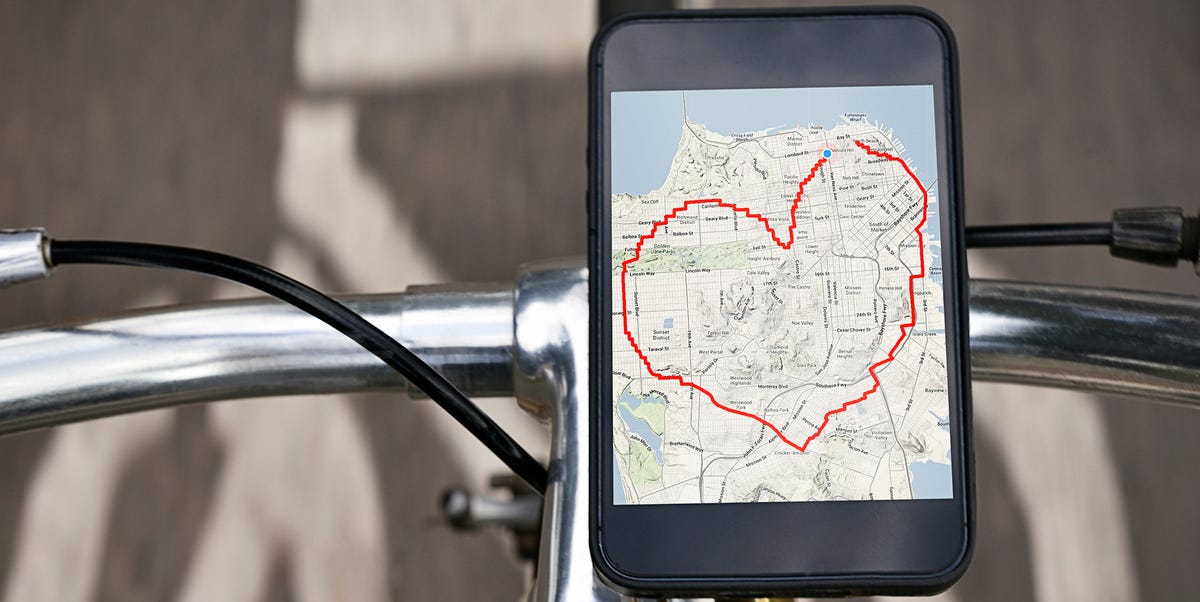
Cycling used to be simple: grab a bike, pump the tires, forget your water bottle, and learn humility on the first hill. Today, your phone can plan routes, warn loved ones where you are, track your power, analyze your sleep-deprived training decisions, and tell you exactly how much that “gentle breeze” is actually a soul-crushing headwind. The best apps for cyclists are no longer just digital speedometers. They are route planners, training coaches, safety tools, social networks, weather forecasters, bike computers, and sometimes tiny motivational goblins living in your pocket.
Whether you ride a road bike, mountain bike, gravel bike, e-bike, commuter bike, or that one heroic garage bike with a mysterious squeak, the right cycling apps can make every ride smoother, safer, and more fun. The key is not downloading every app with a bicycle icon and turning your phone into a cluttered handlebar command center. The key is choosing the right mix for how you actually ride.
This guide breaks down the best cycling apps by purpose: tracking, route planning, training, indoor riding, mountain biking, commuting, safety, and weather. Think of it as a bike shop for your phone, minus the smell of chain lube and the temptation to buy carbon wheels “just to look.”
How to Choose the Best Cycling App
Before picking an app, ask one honest question: what problem do you want it to solve? A weekend rider may need simple GPS tracking and route ideas. A commuter may want safe bike lanes and turn-by-turn navigation. A racer may care about power zones, structured workouts, and post-ride analysis. A mountain biker needs trail maps, elevation profiles, and offline navigation. A touring cyclist may need long-distance planning, battery-saving maps, and GPX exports.
The best cycling app for you should be easy to use while tired, sweaty, sun-blinded, and possibly arguing with a hill. Look for accurate GPS, offline maps if you ride outside strong signal areas, compatibility with your devices, privacy controls, route editing tools, and a pricing model that does not ambush your wallet like a pothole in the shadows.
Best Overall Cycling App: Strava
Best for: Tracking, motivation, social riding, segments
Strava is the app many cyclists download first, and for good reason. It records rides, maps routes, tracks distance and speed, and turns ordinary roads into digital challenges through segments. A segment is a short stretch of road or trail where riders can compare times. This is excellent for motivation and mildly dangerous for your ego.
Strava works especially well if you enjoy community. You can follow friends, share photos, give kudos, join clubs, compare efforts, and look back at your progress over time. For many riders, Strava is less of a training log and more of a cycling diary with better statistics and fewer dramatic entries about “finding yourself.”
The free version is useful for basic tracking, while the paid subscription adds deeper features such as route tools, live segments, training logs, and advanced performance insights. If you ride regularly and like seeing trends, Strava is one of the most complete cycling apps available.
Best tip: Use privacy zones around your home and workplace. Sharing rides is fun; accidentally broadcasting your garage full of bikes is not.
Best Route Planning App: Komoot
Best for: Adventure rides, gravel routes, touring, offline maps
Komoot is built for riders who stare at a map and think, “What if I went that way?” It shines at planning road, gravel, mountain bike, and touring routes. The app gives route details such as distance, elevation, surface type, difficulty, and estimated fitness requirements. That means you can find out ahead of time whether your “scenic shortcut” includes three miles of loose gravel and a climb shaped like a wall.
Komoot is excellent for discovery. It helps you find highlights, interesting stops, viewpoints, cafés, trails, and rider-recommended routes. Turn-by-turn voice navigation and offline maps are major advantages for long rides or rural areas where cell service disappears faster than snacks in a jersey pocket.
For cyclists who love exploring new roads, bikepacking routes, or multi-day adventures, Komoot is one of the best apps to install. It is less about competing and more about going somewhere memorable, preferably somewhere with coffee.
Best App for Serious Route Editing: Ride with GPS
Best for: Long-distance cyclists, event routes, touring, custom maps
Ride with GPS is a favorite among cyclists who want precise route planning and reliable navigation. It offers a powerful route planner, cue sheets, elevation profiles, voice navigation, offline maps, live tracking, and route sharing. Many organized rides, clubs, and cycling events use Ride with GPS because it is dependable and route-focused.
If Komoot feels like an adventure guide, Ride with GPS feels like a professional route workshop. You can create detailed custom routes, modify them carefully, export files for bike computers, and share routes with friends or groups. It is especially useful for century rides, bike tours, charity rides, and unfamiliar terrain.
The app is also helpful for riders who use Garmin, Wahoo, or other GPS bike computers. Planning on a large screen and sending the route to a device can make the ride feel much smoother. Nobody wants to discover at mile 47 that the “route” is actually a private driveway guarded by a suspicious farm dog.
Best Training App: TrainingPeaks
Best for: Structured training, coaching, power data, race preparation
TrainingPeaks is for cyclists who want more than “I rode hard and then ate everything in the kitchen.” It is designed around structured workouts, performance metrics, training plans, coach communication, and long-term progress. Riders can track power, heart rate, fatigue, fitness, form, workout compliance, and other data that make endurance athletes nod thoughtfully.
This app is especially useful if you are training for a race, gran fondo, triathlon, time trial, or personal milestone. Coaches often use TrainingPeaks to assign workouts, review performance, and adjust training loads. Even without a coach, riders can buy or follow structured plans.
TrainingPeaks is not the simplest app for casual riders, and that is okay. It is built for people who want to train with intention. If your goal is to improve endurance, climb better, hold steady power, or stop starting every ride like a caffeinated squirrel, TrainingPeaks can help.
Best Indoor Cycling App: Zwift
Best for: Smart trainers, indoor workouts, virtual racing, winter fitness
Zwift makes indoor cycling feel less like pedaling in a laundry room and more like entering a video game where your legs are the controller. With a smart trainer or compatible setup, you can ride virtual roads, join group rides, follow workouts, race other cyclists, and climb digital mountains without leaving home.
The biggest benefit of Zwift is motivation. Indoor riding can become boring fast, especially when the view is a wall and the soundtrack is your fan making helicopter noises. Zwift adds structure, community, competition, and visual progress. You can do short workouts, long endurance rides, races, group events, and training plans.
Zwift is ideal for bad weather, dark mornings, limited time, or riders who want consistent training without traffic lights. It does require equipment, usually a trainer and a device to run the app, but for many cyclists, it turns winter from “fitness hibernation season” into “secretly getting stronger season.”
Best Mountain Biking App: Trailforks
Best for: MTB trails, trail status, offline maps, local routes
Trailforks is one of the best apps for mountain bikers because it focuses on trail systems, not just roads. It includes trail maps, difficulty ratings, elevation profiles, route suggestions, GPS location, offline map options, trail conditions, closures, photos, and reports from local riders.
That matters because mountain biking navigation is different from road cycling. One wrong turn can lead to a black diamond descent, a hike-a-bike section, or a very personal conversation with a tree. Trailforks helps riders understand where they are, what trail they are on, and whether the trail is open or recently reported as muddy, closed, or damaged.
For new trail systems, Trailforks can save time and reduce guesswork. It is especially useful when traveling, riding bike parks, or exploring unfamiliar singletrack. It also helps support trail communities by encouraging reports and trail stewardship.
Best App for Garmin Users: Garmin Connect
Best for: Garmin devices, health data, ride history, training plans
Garmin Connect is the natural hub for cyclists who use Garmin watches, Edge bike computers, heart rate monitors, power meters, or smart trainers. It records activity data, displays health and fitness metrics, tracks trends, supports goals, and syncs workouts and routes across Garmin devices.
For cyclists who already own Garmin hardware, the app is almost essential. It can show ride history, heart rate trends, sleep, recovery, intensity minutes, training status, and device-specific details. It also connects with other platforms, allowing many riders to sync workouts to Strava, TrainingPeaks, or other services.
Garmin Connect is best viewed as a dashboard. It may not replace a dedicated route planner for everyone, but it gives Garmin users a central place to manage their cycling data and fitness story.
Best Simple GPS Tracker: MapMyRide
Best for: Beginners, fitness tracking, easy ride logs
MapMyRide is a strong choice for riders who want straightforward GPS tracking without diving into complex training analytics. It tracks rides, maps routes, records performance stats, offers audio coaching, and helps users discover routes and challenges.
For beginners, the appeal is simplicity. Open the app, start the ride, and review your distance, time, pace, elevation, and route afterward. It is also useful for riders who already use fitness apps in the MapMyFitness ecosystem.
MapMyRide may not be the top choice for hardcore racers or route-planning perfectionists, but it is friendly, accessible, and practical. Sometimes the best app is the one you will actually use instead of one that requires a spreadsheet, a power meter, and a minor in sports science.
Best Phone-Based Bike Computer: Cyclemeter
Best for: Detailed stats, privacy-focused tracking, sensor support
Cyclemeter turns your phone into a powerful cycling computer. It can track rides, display detailed statistics, support maps and graphs, record intervals, use voice announcements, and connect with sensors for heart rate, speed, cadence, and power.
One standout feature is that Cyclemeter stores workout data on your phone until you choose to share it. That makes it appealing for riders who want strong tracking tools without automatically joining another social fitness network.
Cyclemeter works well for cyclists who like customization. You can tailor screens, stats, announcements, and workout details. If Strava is the cycling social club, Cyclemeter is the quiet data nerd in the corner building the perfect dashboard. Respect the nerd. The nerd knows your cadence.
Best Everyday Navigation App: Google Maps
Best for: City riding, commuting, quick directions, nearby places
Google Maps is not a cycling-specific training app, but it remains one of the most useful apps for everyday riders. Its biking layer can help identify bicycle-friendly routes, and the app is excellent for finding nearby cafés, bike shops, parks, transit connections, and emergency detours.
For commuting, Google Maps is convenient because it is already familiar. You can quickly compare routes, check traffic context, and adjust plans on the fly. It is not always perfect for cyclists, and local knowledge still matters, but it is a powerful tool for getting around town.
Use Google Maps for practical navigation, but double-check route safety when riding in a new city. A route that looks efficient on a map may feel very different when it includes heavy traffic, rough pavement, or a left turn across four lanes of chaos.
Best Weather App for Cyclists: myWindsock or Windy
Best for: Wind, weather planning, ride timing
Weather affects cycling more than many beginners realize. A ten-mile ride with a tailwind feels like becoming a superhero. The same ride into a headwind feels like towing a refrigerator through soup. Weather apps help you plan smarter.
myWindsock is especially useful for cyclists who care about wind direction, wind speed, route forecasts, and performance impact. It can analyze conditions along your route, which is valuable for time trials, training rides, and long days where wind can make or break the experience.
Windy is another excellent option for broader weather awareness. It offers detailed forecasts, wind maps, radar, and outdoor conditions. For cyclists, it is helpful for deciding when to ride, what direction to start, and whether that dark cloud is a minor inconvenience or a dramatic plot twist.
Best Safety App: SafeBeacon
Best for: Solo rides, live tracking, emergency contacts
SafeBeacon, formerly connected with the ROAD iD app, is designed for outdoor safety. It lets cyclists share live location with chosen contacts, and those contacts do not need to install the app to follow along. Some versions include alerts if a rider stops moving unexpectedly.
This type of app is valuable for solo riders, early-morning commuters, rural cyclists, gravel riders, and anyone whose family texts, “Are you alive?” before the ride is even over. Live tracking does not prevent every problem, but it can give loved ones useful information if something goes wrong.
Safety apps work best when paired with good habits: tell someone your route, carry identification, bring basic repair tools, use lights, charge your phone, and avoid pretending you are invisible just because you wore a black jersey at dusk.
Best Emergency Preparedness App: American Red Cross First Aid
Best for: Basic first aid knowledge, emergencies, peace of mind
The American Red Cross First Aid app is not a cycling app in the usual sense, but it belongs on many cyclists’ phones. It provides step-by-step first aid guidance, videos, quizzes, and emergency information that can be useful after crashes, cuts, heat illness, allergic reactions, or other incidents.
Cyclists often ride far from immediate help, and even city riders can encounter accidents. Having first aid information available is a small preparation step that can make a big difference. It is not a substitute for proper training, but it is a smart backup.
Best App Combination for Different Cyclists
For beginners
Start with Strava or MapMyRide for tracking, Google Maps for everyday navigation, and a safety app such as SafeBeacon for solo rides. This setup is simple, useful, and not overwhelming.
For road cyclists
Use Strava for ride tracking and motivation, Ride with GPS for route planning, TrainingPeaks for structured workouts, and myWindsock for weather strategy. Add Garmin Connect or Wahoo if you use their devices.
For gravel and adventure riders
Komoot and Ride with GPS are the power pair. Komoot helps discover interesting routes and surfaces, while Ride with GPS gives detailed control and export options. Offline maps are a must.
For mountain bikers
Trailforks should be near the top of your list. Add Strava if you want activity history and social sharing, and use a first aid app because rocks, roots, and gravity have strong opinions.
For indoor riders
Zwift is the big name for interactive indoor riding. TrainingPeaks is excellent for structured plans, and Garmin Connect or Wahoo can help manage device data.
Real-World Experience: What Cyclists Learn After Using These Apps
The first thing many cyclists learn is that an app can improve a ride, but it cannot pedal the bike for you. Strava may announce a personal record, Komoot may deliver a beautiful route, and TrainingPeaks may politely schedule intervals, but your legs still have to participate. That is both the beauty and the betrayal of cycling technology.
In real life, the best app setup usually becomes personal. A rider who commutes five miles across town may rely on Google Maps during the week and Strava on weekends. A gravel rider may spend Thursday night building a Komoot route, export it to a bike computer, and then use Ride with GPS as a backup. A mountain biker may open Trailforks in the parking lot to check closures before choosing a loop. A racer may finish a workout, upload it to TrainingPeaks, and immediately begin interpreting heart rate data with the seriousness of a moon landing.
One practical lesson is that offline maps matter. Cell service often disappears exactly when the road splits into three options and none of them look like the route. Downloading maps before a ride can prevent stress, wrong turns, and the classic cyclist ritual of holding a phone in the air like an offering to the signal gods.
Another lesson is that battery management matters. GPS tracking, screen brightness, Bluetooth sensors, and navigation can drain a phone quickly. For longer rides, cyclists often lower screen brightness, use voice navigation, carry a small power bank, or rely on a dedicated bike computer while keeping the phone as backup. The best app in the world is less impressive when your phone dies next to a cornfield.
Privacy is also important. Many riders love sharing routes, photos, and achievements, but public ride data can reveal home addresses, work locations, routines, and favorite bike storage spots. Smart cyclists use privacy zones, review sharing settings, and think carefully before making every ride public. There is nothing wrong with showing off a climb; just do not accidentally show the internet where your expensive bike sleeps.
App fatigue is real too. Some cyclists start with twelve apps and eventually use three. That is normal. The best cycling app system is the one that supports the ride without turning it into homework. If you spend more time syncing accounts than riding, the apps have won and your bike is quietly judging you.
For most riders, a smart combination works best: one tracking app, one navigation or route-planning app, one safety tool, and one training or weather app if needed. That gives you enough technology to ride smarter without needing a cockpit that looks like a small aircraft.
The biggest benefit of cycling apps is confidence. They help beginners ride farther, commuters find safer streets, mountain bikers avoid closed trails, indoor riders stay consistent, and performance cyclists train with purpose. A good app can turn “I wonder if I can do this ride” into “I have the route, the weather, the snacks, and at least a questionable amount of confidence.” In cycling, that is often enough to start.
Final Thoughts: The Best Cycling App Is the One That Fits Your Ride
There is no single best app for every cyclist. Strava is excellent for tracking and community. Komoot is outstanding for adventure planning. Ride with GPS is ideal for detailed routes. TrainingPeaks helps serious riders train with structure. Zwift makes indoor cycling more exciting. Trailforks is a must-have for mountain biking. Google Maps remains useful for everyday navigation. SafeBeacon and first aid apps add peace of mind.
The smartest approach is to build a small app toolkit around your riding style. Choose apps that solve real problems, keep your data private, work with your devices, and make cycling more enjoyable. Your phone should support the ride, not become the ride.
And remember: no app can make hills flatter, but the right one can at least warn you they are coming.