

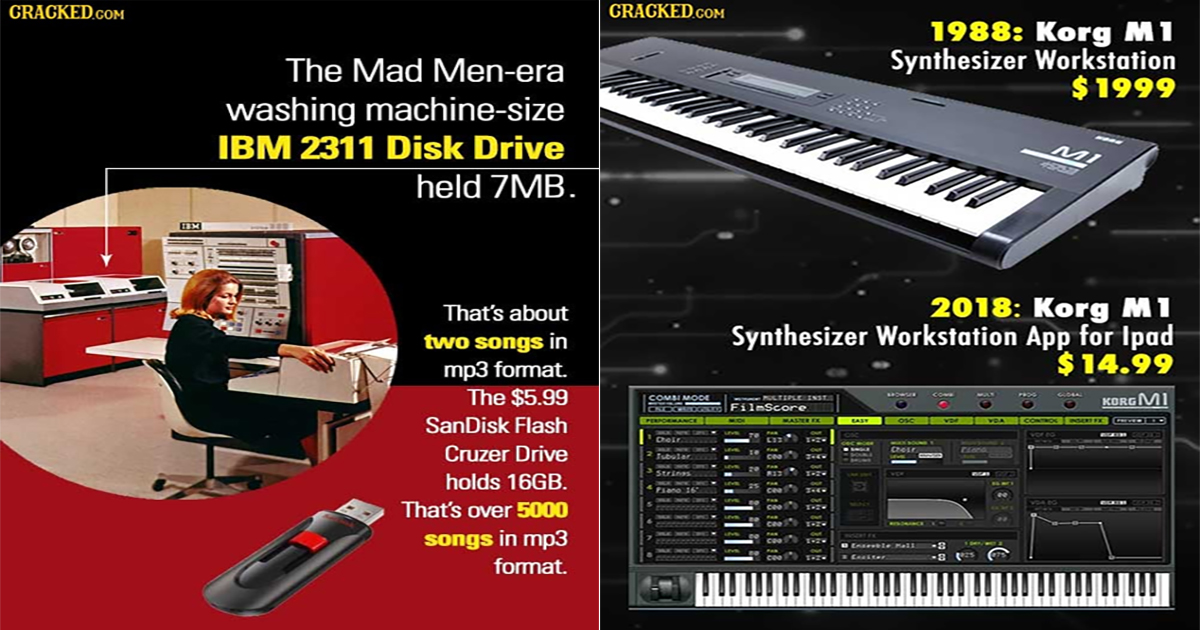
Technology used to change like a polite houseguest: slowly, with advance notice and maybe a handwritten thank-you card. Now it sprints into the room, rearranges the furniture, updates your refrigerator, and asks whether you would like to accept cookies. In just a short time, everyday life has been transformed by smartphones, artificial intelligence, cloud computing, telehealth, electric vehicles, digital payments, streaming, remote work, smart homes, and enough apps to make your phone feel like a tiny overworked employee.
The pace is not just exciting; it is historic. A few decades ago, “going online” meant blocking the family phone line. Today, high-speed internet, mobile devices, AI assistants, and connected services shape how people shop, learn, work, travel, date, bank, relax, and even remember their passwordspoorly, in many cases. This article explores 18 ways technology has changed in a short time, with real-world examples, practical analysis, and a little humor because honestly, the printer still deserves public criticism.
1. Smartphones Became the Remote Control for Life
The smartphone is no longer just a phone. It is a camera, wallet, map, boarding pass, flashlight, music studio, calendar, translator, weather station, health tracker, and emergency boredom eliminator. The biggest shift is not that phones became more powerful; it is that people started expecting nearly every service to fit inside one screen.
From ordering groceries to scanning documents, smartphones have made digital convenience feel normal. Businesses now design mobile-first experiences because the customer is often walking, waiting, commuting, or pretending not to be bored at a family event.
2. Internet Access Became a Basic Utility
Not long ago, the internet felt optional. Today, it is closer to electricity: invisible when it works, deeply dramatic when it fails. Broadband supports school assignments, video meetings, banking, streaming, medical appointments, government services, and small business operations.
The digital divide still matters, especially for rural communities, low-income households, and older adults. But the overall direction is clear: internet access has moved from luxury to necessity. A slow connection can now affect education, employment, healthcare access, and economic opportunity.
3. Social Media Changed Communicationand Attention Spans
Social media changed how people discover news, build communities, follow trends, and form opinions. Platforms such as YouTube, Facebook, Instagram, TikTok, Reddit, and others turned everyone into a potential publisher. That is powerful, but also messylike giving a megaphone to the entire cafeteria.
The biggest change is speed. A joke, product, rumor, movement, or controversy can travel across the country before traditional media has finished writing a headline. Brands, creators, schools, and public agencies now have to communicate in shorter, more visual, more interactive ways.
4. Streaming Replaced Scheduled Entertainment
Television once asked viewers to show up at a specific time. Streaming said, “Relax, we know you are wearing sweatpants.” Movies, music, podcasts, live sports, tutorials, and documentaries are now available on demand.
This changed entertainment economics. Viewers expect personalization, recommendations, mobile access, and binge-worthy libraries. The old question was, “What is on TV tonight?” The new question is, “Why did the algorithm recommend a documentary about competitive cheese rolling?”
5. Artificial Intelligence Moved Into Everyday Tools
Artificial intelligence used to sound futuristic. Now it helps write emails, summarize meetings, recommend products, detect fraud, edit photos, translate languages, improve search results, and power customer service chatbots. Generative AI made the shift especially visible by allowing people to create text, images, code, outlines, and ideas through natural language prompts.
The opportunity is huge, but so is the responsibility. AI can increase productivity, but it can also produce errors, bias, misinformation, and privacy concerns. The smartest users treat AI like a very fast assistant, not an all-knowing wizard in a hoodie.
6. Work Became Hybrid, Flexible, and Cloud-Based
Remote work existed before the pandemic, but it became mainstream at remarkable speed. Video conferencing, cloud documents, team chat, digital project boards, and virtual private networks made it possible for millions of people to work without sitting in the same building.
Hybrid work changed office culture. Some workers gained flexibility and fewer commutes. Employers gained access to wider talent pools. At the same time, companies had to rethink collaboration, cybersecurity, management, onboarding, and the very confusing etiquette of “You’re on mute.”
7. Online Shopping Became a Daily Habit
E-commerce changed from a convenience into a default behavior. Consumers buy clothes, groceries, electronics, furniture, medicine, pet food, and handmade items online. Same-day delivery, curbside pickup, subscription boxes, and personalized recommendations turned shopping into a digital experience.
This transformation reshaped retail. Physical stores still matter, but many now function as showrooms, fulfillment centers, return hubs, and brand experiences. The cash register has been joined by the app, the QR code, and the “your package is eight stops away” notification.
8. Digital Payments Made Cash Feel Slower
Cards, mobile wallets, peer-to-peer payment apps, contactless checkout, and instant payment systems have changed how money moves. Paying a friend back for pizza no longer requires exact change, awkward math, or pretending you forgot.
Digital payments improve speed and convenience, especially for online commerce and small businesses. But they also require stronger fraud prevention, better financial literacy, and careful privacy practices. Money may move faster now, but mistakes can also sprint.
9. Telehealth Changed Access to Care
Healthcare technology changed dramatically as virtual visits, remote monitoring, patient portals, e-prescriptions, and digital scheduling became more common. Telehealth is especially useful for follow-up appointments, behavioral health, chronic disease management, and patients who live far from specialists.
It does not replace every in-person visit. Nobody wants a doctor to inspect a broken ankle through a blurry webcam and vibes. But telehealth has made care more flexible and has pushed healthcare systems to become more patient-centered.
10. Education Expanded Beyond the Classroom
Online learning platforms, digital textbooks, video lessons, learning management systems, and AI tutoring tools have changed education. Students can review lectures, submit assignments online, join virtual classes, and access resources that once required a library trip.
The best use of education technology is not replacing teachers; it is supporting them. Good digital tools help personalize practice, track progress, and make learning more accessible. Bad tools simply add another password to remember, which is how civilization tests our patience.
11. Cybersecurity Became Everyone’s Problem
Cybersecurity used to feel like something handled by mysterious people in dark rooms with multiple monitors. Now every person with an email account is part of the security perimeter. Phishing, ransomware, identity theft, data breaches, deepfakes, and password attacks have become everyday risks.
As more life moves online, digital trust becomes essential. Strong passwords, multifactor authentication, software updates, secure networks, and cautious clicking are no longer optional habits. They are basic hygiene, like brushing your teeth but with fewer mint options.
12. Smart Homes Turned Houses Into Connected Systems
Smart speakers, thermostats, doorbell cameras, lights, locks, plugs, appliances, and robot vacuums have made homes more connected. People can adjust temperature, monitor deliveries, control lights, or ask a speaker to play music without leaving the couch.
The appeal is convenience, safety, and energy efficiency. The challenge is compatibility, privacy, and the occasional device that refuses to connect unless you restart the router, the app, your phone, and possibly your entire personality.
13. Cars Became Computers on Wheels
Modern vehicles include advanced driver assistance, touchscreens, navigation, voice controls, over-the-air updates, cameras, sensors, and connected apps. Electric vehicles accelerated the idea that a car can improve after purchase through software updates.
This shift brings benefits such as improved safety features and lower maintenance for some electric drivetrains. It also introduces new concerns: battery supply chains, charging infrastructure, repair complexity, data privacy, and the fact that sometimes you just want a physical button for the air conditioning.
14. Cloud Computing Changed Business Speed
Cloud computing allowed companies to rent computing power, storage, software, and security tools instead of building everything themselves. Startups can launch faster, enterprises can scale globally, and teams can collaborate across time zones.
The cloud made digital transformation more affordable and flexible. It also created dependence on large platforms, which means outages can ripple widely. In short, the cloud is magicaluntil the cloud has a bad day and everyone remembers it is really someone else’s computer.
15. Cameras Became Constant, Tiny, and Powerful
Photography changed from a planned event into a daily behavior. Smartphone cameras, action cameras, drones, webcams, doorbell cameras, and security systems now capture life from every angle. People document meals, pets, vacations, receipts, lectures, workouts, and mysterious car dents.
This visual revolution changed journalism, marketing, education, law enforcement, family memory, and social media. It also raised questions about consent, surveillance, authenticity, and image manipulation. In the age of AI editing, seeing is no longer automatically believing.
16. Wearables Made Health Data Personal
Fitness trackers and smartwatches brought step counts, heart rate, sleep patterns, workout data, notifications, and wellness reminders to the wrist. Health data is no longer locked inside medical offices; people can monitor trends in real time.
Wearables can encourage movement and awareness, but they are not a substitute for medical diagnosis. A watch can nudge you to stand. It should not make you panic at 2 a.m. because your sleep score looked personally offended.
17. Navigation Technology Changed Travel Forever
GPS, mapping apps, rideshare platforms, real-time traffic data, delivery tracking, and location sharing changed how people move. Getting lost used to be a full emotional journey. Now the phone calmly says, “Recalculating,” which is the digital version of judging you politely.
Navigation technology improved logistics, commuting, emergency response, tourism, and local discovery. It also made businesses more dependent on reviews, map rankings, and accurate online listings. If a restaurant’s location is wrong online, it may as well be hiding in the witness protection program.
18. Technology Made Personalization the Default
Search engines, streaming services, shopping apps, social platforms, fitness tools, and news feeds now customize experiences for each user. Personalization can save time and surface useful recommendations, but it can also create filter bubbles and reduce exposure to different viewpoints.
The future of technology will depend on balance. People want convenience without manipulation, personalization without creepiness, and automation without losing human judgment. That balance is the next major challenge.
Why These Changes Happened So Fast
Several forces pushed technology forward at the same time. Mobile devices became affordable and powerful. Broadband expanded. Cloud platforms reduced the cost of launching digital services. Artificial intelligence improved. Consumers became comfortable with apps. Businesses had to digitize quickly during disruptions. Investors funded rapid experimentation. And once people experienced convenience, they rarely wanted to return to slower systems.
Technology also compounds. Better chips make better phones. Better phones create more app users. More app users create more data. More data improves AI. Better AI improves search, shopping, security, and automation. The result is a feedback loop where innovation accelerates itself.
Experience-Based Reflections: Living Through Fast Technology Change
The strangest part about rapid technology change is how quickly the extraordinary becomes ordinary. The first time a person uses video calling, it feels futuristic. A year later, they are annoyed because someone joined the meeting from a kitchen with bad lighting. The first time a package can be tracked in real time, it feels amazing. Soon after, people refresh the map every 30 seconds like they are managing airport traffic control.
One major experience many people share is the shift from waiting to expecting. We used to wait for film to be developed, letters to arrive, checks to clear, maps to be unfolded, and songs to play on the radio. Now waiting feels like a bug. If a website loads slowly, people assume something is broken. If a message is not answered quickly, we wonder whether the recipient has moved to a cave or simply has healthy boundaries.
Technology has also changed the feeling of independence. A smartphone can help someone navigate a new city, translate a menu, compare prices, call a ride, pay for dinner, and find the nearest pharmacy. That is empowering. It gives people tools that once required multiple devices, local knowledge, or professional help. Small businesses can build websites, accept digital payments, run ads, schedule customers, and ship products without needing a giant corporate infrastructure.
At the same time, the experience is not always peaceful. Digital life can become crowded. Notifications interrupt concentration. Apps compete for attention. Passwords multiply like rabbits with Wi-Fi. People can feel both more connected and more overwhelmed. The modern challenge is not simply gaining access to information; it is learning how to filter it, question it, protect it, and occasionally ignore it.
For families, technology has changed routines. Parents use apps to coordinate school schedules, monitor spending, check homework portals, and video call relatives. Teens use technology for creativity, hobbies, friendships, entertainment, and learning. Older adults increasingly use smartphones for banking, healthcare, photos, and staying connected. Each generation adapts differently, but nearly everyone has had to learn new digital habits.
In the workplace, the experience has been equally dramatic. Employees who once commuted every day may now split time between home and office. Meetings can include people from several states. Documents can be edited by multiple teammates at once. AI tools can summarize notes, draft emails, and organize research. This saves time, but it also raises expectations. When tools make work faster, organizations often expect more output, not more naps. Unfair, but predictable.
The most useful personal lesson is that technology should serve human goals, not replace them. A smart home is helpful if it saves energy or improves safety. It is silly if turning on a lamp requires a software update. AI is helpful if it speeds research or removes repetitive tasks. It is risky if people stop checking facts. Social media is useful if it builds community and shares knowledge. It becomes harmful when it replaces real rest, reflection, and relationships.
Living through fast technology change means learning to be flexible without being gullible. New tools deserve curiosity, but not blind trust. The best approach is to test, learn, protect privacy, update skills, and keep a sense of humor. After all, the future may include self-driving cars, smarter robots, spatial computing, quantum breakthroughs, and AI agentsbut someone will still forget their password.
Conclusion
Technology has changed in a short time because the world became connected, mobile, data-driven, and increasingly automated. The biggest transformations are not limited to gadgets; they affect behavior, business, education, healthcare, transportation, entertainment, and personal identity. Smartphones changed access. Social media changed communication. Cloud computing changed business. AI changed productivity. Telehealth changed care. Digital payments changed money. Smart homes changed domestic life. Cybersecurity changed personal responsibility.
The future will likely move even faster. The key is not to chase every new tool simply because it shines. The key is to use technology with purpose: to save time, improve access, support creativity, strengthen security, and make life more humannot just more digital. And when technology misbehaves, take a breath, update the app, and remember that even the smartest device still occasionally needs to be turned off and on again.