

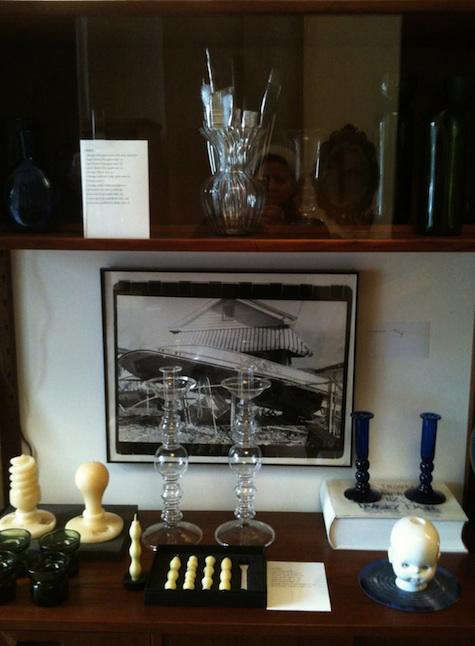
Bloodline NYC was the kind of Lower East Side shop that made a person slow down, tilt their head, and whisper, “Do I need a vintage flask lamp?” The answer, naturally, was probably yes. Located at 100A Forsyth Street, between Broome and Grand Streets, Bloodline NYC built its reputation as a compact but memorable home-design boutique with a sharp eye for vintage objects, textiles, furniture, and contemporary goods that felt collected rather than merely stocked.
Owned by Marie Roldan and Peggy Yee, the shop appeared in Remodelista’s “Shopper’s Diary” series as a destination for edited home goods with character. Time Out also described it as a Lower East Side home-design boutique filled with vintage and contemporary finds, from Brazilian cowhide rugs to Mongolian sheepskin cushions and vintage porcelain pieces. Although archived listings now identify Bloodline NYC as closed, its design personality still feels surprisingly current: thoughtful, tactile, worldly, and allergic to boring shelves.
This article looks back at Bloodline NYC not just as a shop, but as a shopping philosophy: buy fewer things, choose better stories, and let your home look like someone interesting lives there.
What Was Bloodline NYC?
Bloodline NYC was a small independent boutique on Manhattan’s Lower East Side, focused on objects for the home and everyday life. Its inventory blended vintage pieces, new goods, textiles, lighting, furniture, ceramics, towels, throws, soaps, and giftable oddities. The magic was not in having everything. It was in having the right things.
That matters because curated retail is a very different animal from “giant store with 900 beige baskets.” Bloodline NYC seemed to understand that shoppers often do not want more options; they want better editing. A good boutique saves you from wandering through endless sameness while your coffee gets cold and your will to decorate slowly leaves the building.
A Shop Built on Story
The name “Bloodline” hinted at heritage, ancestry, and the generational journey of objects. A vintage glass, a Danish modern chair, a woven towel, or a cashmere throw was not treated as filler. Each item carried a sense of travel, use, and memory. That is one reason the shop still works as a case study for anyone interested in vintage home decor, boutique retail, or Lower East Side design culture.
In a 2010 neighborhood visit, the shop was described as carrying Danish modern furniture, Turkish towels, Scottish scarves, vintage glassware, ceramics, antique oddities, canvas totes, cashmere hats, and French soaps. That mix may sound eclectic, but it was not random. It created a homey, intelligent rhythm: soft things, useful things, strange things, beautiful things. Basically, the four food groups of good design shopping.
Why the Lower East Side Was the Perfect Home
The Lower East Side has always been more than a place to shop. It is a neighborhood layered with immigrant history, working-class memory, nightlife, food, galleries, and independent storefronts. NYC Tourism describes the area as a vibrant downtown neighborhood where restaurants, museums, synagogues, and nightlife share the street grid with reminders of immigrant history. The Tenement Museum and National Park Service also frame the neighborhood as a place where working-class immigrant stories remain central to understanding New York City.
That background matters when discussing Bloodline NYC. The store’s personality made sense on Forsyth Street because the Lower East Side has long been a neighborhood of movement: people arriving, building, selling, cooking, repairing, adapting, and making tiny spaces feel like home. A boutique devoted to objects with past lives fit that setting better than a glossy showroom ever could.
Forsyth Street Energy
Forsyth Street sits in a part of Manhattan where design does not need to announce itself with a brass plaque and a velvet rope. The charm is more low-key: narrow sidewalks, layered storefronts, old buildings, and the kind of retail discoveries that reward walking instead of scrolling. Bloodline NYC benefited from that pace. It invited browsing, not speed shopping.
In the modern retail world, this feels almost rebellious. Today, many shoppers are trained to click fast, compare prices faster, and panic-buy when a product page says “only two left.” Bloodline NYC belonged to a slower tradition: walk in, touch the fabric, ask about the lamp, notice the chair in the corner, and leave with one thing you will still like after your current algorithmic obsession has expired.
The Product Mix: Vintage, New, Useful, and Slightly Unexpected
Bloodline NYC’s appeal came from contrast. It carried vintage products alongside new products, including lighting made with vintage parts by local craftsperson Drew Morrison. Remodelista highlighted the shop’s rich textile selection, including cashmere and wool throws, hammam guest towels, and vintage flask lamps. Time Out noted worldly home goods such as cowhide rugs, sheepskin cushions, and vintage porcelain.
This blend gave the shop a lived-in sensibility. It was not a museum, though it respected old things. It was not a minimalist showroom, though it had taste. It was not a flea market, though it loved discovery. Bloodline NYC occupied that rare sweet spot where a shopper could imagine an object working in a real apartment, not just posing under perfect lighting while nobody dares touch it.
Textiles That Warmed the Room
The textiles were especially important. Throws, towels, scarves, and soft accessories gave the store warmth and made the shopping experience tactile. A cashmere throw, for example, is not just a blanket. It is a personality test. Do you buy the practical one, the patterned one, or the one so soft it makes your sofa feel underdressed?
For SEO readers searching for vintage home goods NYC, Lower East Side home decor, or curated home accessories, Bloodline NYC is a strong example of how textiles can define a boutique. They add color, softness, and instant emotional appeal. Nobody has ever said, “This room has too many cozy textures,” unless they are trapped under twelve blankets and need rescuing.
Lighting With a Second Life
The vintage flask lamps by Drew Morrison captured another important part of the Bloodline NYC identity: reinvention. Lighting made with vintage parts feels personal because it turns something old into something newly useful. In design terms, that is both sustainable and stylish. In regular human terms, it is a lamp with a better backstory than most dinner guests.
Good boutique lighting does more than brighten a room. It sets mood, scale, and personality. A mass-produced lamp may do the job, but a handmade or repurposed piece becomes part of the room’s conversation. Bloodline NYC seemed to understand that difference.
Bloodline NYC and the Art of the Edited Boutique
The best independent stores do not try to please everyone. They have a point of view. Bloodline NYC’s point of view was clear: objects should be beautiful, useful, storied, and a little soulful. That is why the shop’s archived presence still feels relevant in 2026, especially as shoppers become more interested in vintage decor, small-batch goods, sustainable interiors, and rooms that do not look copied from a catalog.
An edited boutique also builds trust. When a store owner selects carefully, the shopper relaxes. You are not digging through clutter; you are exploring a collection. This is the difference between “treasure hunt” and “why am I holding a chipped mug next to a broken snow globe?” Bloodline NYC appeared to understand curation as hospitality.
Small Store, Big Personality
Compact shops can often feel more memorable than large stores because every item has to earn its spot. Bloodline NYC’s small scale worked in its favor. The space encouraged attention. A chair mattered. A towel mattered. A candleholder mattered. Even a simple soap could become part of the store’s atmosphere.
For today’s boutique owners, the lesson is obvious: inventory is not just merchandise. It is storytelling. A strong store creates a world, then invites the customer to take a piece of that world home.
How to Shop the Bloodline NYC Way Today
Because Bloodline NYC is no longer listed as an active shop, the best way to use its legacy is as a shopping method. Whether you are browsing the Lower East Side, visiting vintage stores, or decorating a small apartment, the Bloodline approach still works beautifully.
1. Choose Objects With a Past
Vintage pieces bring depth to a room. A ceramic bowl, old glassware, a mid-century chair, or a worn wooden tray can make a newer apartment feel instantly more layered. The goal is not to make your home look like an antique shop after an earthquake. The goal is balance: one or two storied pieces in each room can do more than twenty forgettable accessories.
2. Mix Old and New Without Apologizing
Bloodline NYC did not treat vintage and contemporary goods as enemies forced to sit at opposite lunch tables. The shop mixed them naturally. You can do the same at home. Pair a vintage lamp with a modern sofa. Place Turkish towels in a clean-lined bathroom. Add handmade ceramics to a simple kitchen shelf. The room will look collected, not decorated in one exhausting weekend.
3. Let Texture Do the Heavy Lifting
Textiles are the easiest way to change the mood of a room. Throws, towels, cushions, rugs, and scarves add softness and color without requiring you to repaint a wall or explain to your landlord why the ceiling is suddenly terracotta. Bloodline NYC’s textile focus is a reminder that comfort is a design choice, not an accident.
4. Buy Fewer, Better Things
The boutique mindset favors intention. Instead of buying five almost-right objects, wait for one piece that actually makes sense. This is especially useful in New York apartments, where storage space is limited and every unnecessary purchase eventually becomes a small domestic accusation.
Why Bloodline NYC Still Matters
Bloodline NYC matters because it represented a kind of retail that feels increasingly precious: personal, local, edited, and human. It was not trying to be a lifestyle empire. It was a neighborhood shop with owners, taste, and a strong sense of material culture. In an era when shopping often feels automated, that kind of presence is worth remembering.
The shop also reflects a broader Lower East Side tradition. The neighborhood has always been shaped by small businesses, creative adaptation, and cultural overlap. Modern LES retail continues that spirit through independent boutiques, concept stores, design shops, vintage sellers, and experimental spaces. Bloodline NYC belongs to that lineage, even as a remembered storefront.
Shopper’s Diary Experience: Browsing Bloodline NYC in Spirit
A Bloodline NYC-style shopping experience begins before you buy anything. It starts with walking. Not the frantic, phone-in-front-of-face kind of walking, but the slower Lower East Side version where you notice brickwork, doorways, window displays, and the tiny restaurant you swear you will come back to even though your notes app is already a cemetery of good intentions.
In that mood, a shop like Bloodline NYC feels less like a destination and more like a discovery. You step inside because something in the window catches your eye: maybe a throw folded with casual perfection, maybe a lamp that looks like it once had a previous career, maybe a cluster of vintage glassware glowing in the afternoon light. The store does not shout. It raises an eyebrow.
The first experience is texture. You notice wool, cashmere, canvas, ceramic, wood, glass, and metal. The objects feel different from one another, and that difference is the pleasure. In many large stores, everything has been flattened into the same finish, the same color family, the same “modern neutral” personality. Here, the personality is layered. A Turkish towel might sit near French soap. A Danish modern chair might hold its own beside a handmade lamp. A vintage dish might make you reconsider every boring plate in your cabinet.
The second experience is conversation. A great boutique encourages questions. Where did this come from? Who made it? Is it old? Is it new? Why does this tiny object suddenly feel necessary to my emotional stability? Bloodline NYC was remembered partly because the owners knew their inventory and the neighborhood. That kind of knowledge changes shopping from transaction to connection.
The third experience is restraint. In a shop like this, you do not need to leave with a mountain of bags. One guest towel, one small vase, one scarf, one lamp, or one piece of glassware can be enough. The point is not to consume the store. The point is to let it sharpen your eye. After browsing a well-curated boutique, you often understand your own taste better. You learn whether you love pattern, patina, softness, humor, utility, or quiet luxury that does not need a logo doing jumping jacks.
The final experience happens at home. The object finds its place. A throw lands across a chair. A vintage glass becomes the one you reach for every evening. A lamp changes the mood of a corner. A soap makes the bathroom feel slightly more civilized, which is no small miracle. This is the lasting value of the Bloodline NYC idea: good shopping does not end at checkout. It continues in the daily rituals of living with things that have character.
Conclusion
Shopper’s Diary: Bloodline NYC is more than a nostalgic look at a closed Lower East Side boutique. It is a reminder of what makes independent retail special: curation, story, texture, and a human eye behind the selection. Bloodline NYC showed how vintage home goods, contemporary design, handmade lighting, and thoughtful textiles could live together in one small, memorable shop.
For shoppers, the lesson is simple: seek objects with meaning. For decorators, mix old and new with confidence. For boutique owners, edit with courage. And for anyone wandering the Lower East Side, keep looking closely. New York’s best finds have a habit of hiding in plain sight, waiting for the shopper who is curious enough to slow down.