

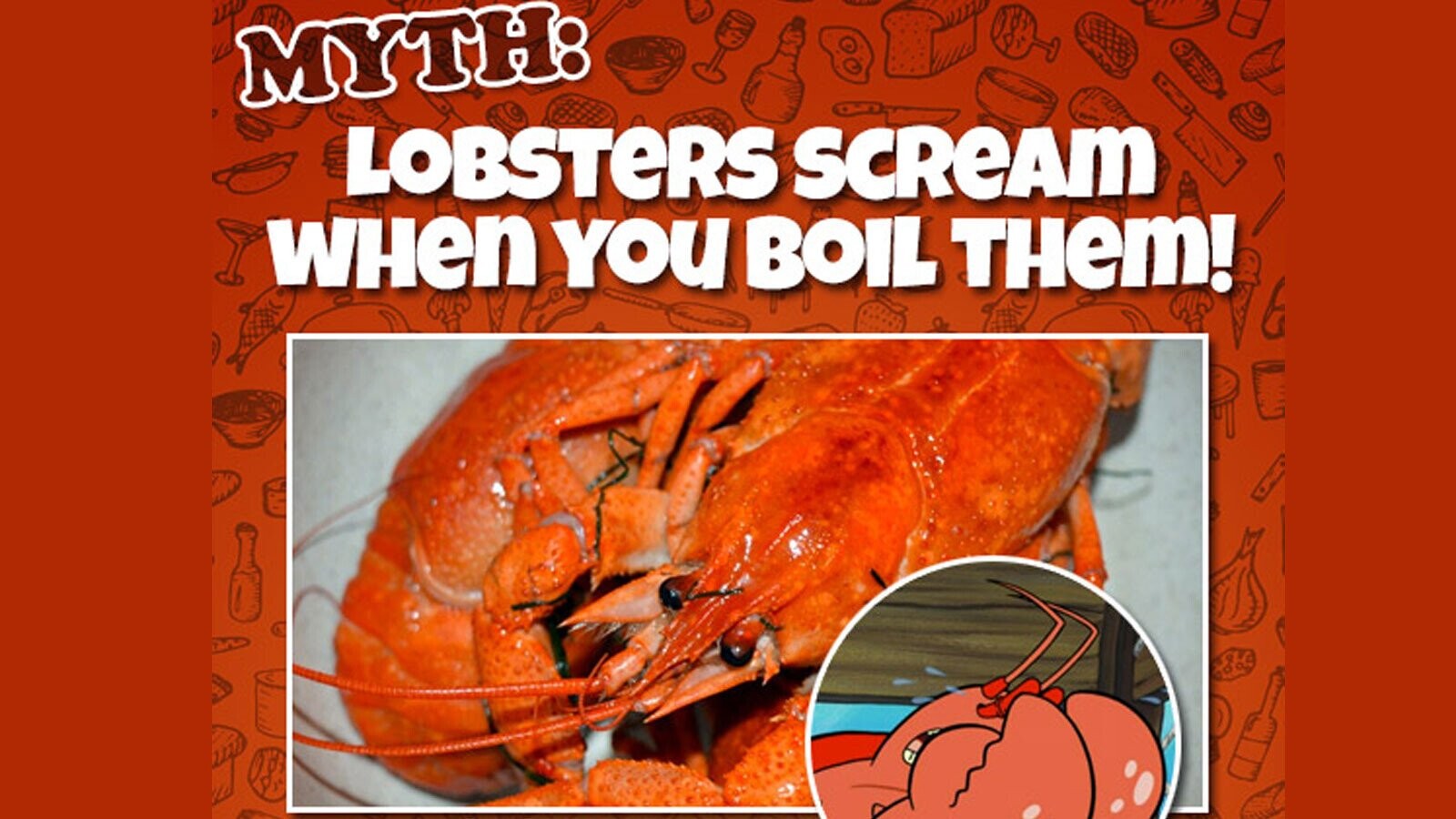
Every kitchen has its own little folklore department. Your grandmother said never wash mushrooms. Your uncle insists steak must be flipped only once. Someone on the internet swears that microwaves “kill nutrients,” usually while reheating pizza for the third time. Food myths travel fast because they sound simple, confident, and just scientific enough to wear a lab coat.
The problem? Many common cooking myths are half-truths, outdated advice, or kitchen superstition with a very good publicist. Some are harmless, like believing brown eggs are automatically better. Others can affect food safety, like thawing chicken on the counter or trusting meat color instead of a thermometer. This guide breaks down 24 food and cooking myths with practical explanations, real examples, and a little humorbecause if we are going to question everything we learned in the kitchen, we might as well enjoy the emotional damage.
Why Food And Cooking Myths Stick Around
Cooking is personal. We learn it from family, friends, restaurants, TV chefs, viral videos, and the occasional smoke alarm. When a trick works once, it becomes “the rule.” When a rule is repeated often enough, it becomes “common sense.” But food science does not care how confidently your cousin says “searing locks in juices.” Heat, moisture, bacteria, starch, protein, and time all follow their own rules.
The best cooking advice usually combines two things: safety and results. A food thermometer keeps dinner safe. A hot pan creates browning. Salt improves flavor. But myths often blur the line between what tastes better, what looks better, and what is actually safe to eat. Let’s clean the cutting board and start debunking.
24 Food And Cooking Myths Debunked
1. Myth: Searing Meat Locks In Juices
Searing meat does not seal it like a delicious envelope. Meat is not a water balloon with grill marks. A seared crust can still lose moisture during cooking. The real reason to sear steak, pork chops, burgers, or chicken is flavor. High heat creates browning through the Maillard reaction, which gives meat that savory, roasted, “why does this smell better than my entire personality?” aroma.
Better advice: sear for flavor, then control the internal temperature to avoid overcooking.
2. Myth: You Can Tell Meat Is Safe By Its Color
Color can fool you. Ground beef may look brown before it reaches a safe internal temperature, and chicken can sometimes show pinkish areas even after proper cooking. Juices running clear are not a reliable safety test either.
Use a food thermometer. Poultry should reach 165°F, ground meats generally need 160°F, and whole cuts of beef, pork, lamb, and veal should reach 145°F with a rest time. Your eyes are great for admiring dinner. They are not a pathogen detector.
3. Myth: Washing Raw Chicken Makes It Safer
Washing raw chicken does not remove danger in a useful way. It can splash bacteria around the sink, faucet, countertop, and nearby dishes. Congratulations, the chicken is now a sprinkler system.
The safer move is simple: keep raw poultry separate, wash hands and surfaces, and cook chicken to 165°F. Heat is the real sanitizer here, not a quick rinse under the tap.
4. Myth: Thawing Meat On The Counter Is Fine
Countertop thawing feels convenient, but it gives the outside of meat plenty of time to warm into the temperature range where bacteria can multiply while the center remains frozen. That is not meal prep; that is a tiny microbial networking event.
Safer methods include thawing in the refrigerator, in cold water with the food sealed in a leakproof bag, in the microwave followed by immediate cooking, or cooking from frozen when appropriate.
5. Myth: You Can Never Refreeze Thawed Meat
Refreezing is not automatically dangerous. If meat was thawed safely in the refrigerator and stayed cold, it can usually be refrozen. The catch is quality. Refrozen meat may lose moisture and texture, so it might not become the steak of your dreams. But from a safety standpoint, cold handling matters more than the simple fact that it thawed.
If meat sat out at room temperature too long, do not refreeze it. That is when the risk moves from “quality issue” to “please do not gamble with dinner.”
6. Myth: Reheating Food Always Makes It Safe
Reheating can kill many bacteria, but it cannot fix every food-safety mistake. Some bacteria can produce toxins that may survive reheating. If perishable food has been left out too long, reheating it is not a magic undo button.
The safer rule: refrigerate leftovers within two hours, or within one hour if the temperature is above 90°F. Reheat leftovers to 165°F. When in doubt, throw it out. Yes, it hurts. No, the mystery pasta is not worth becoming a cautionary tale.
7. Myth: Hot Food Must Cool Completely Before Refrigerating
Leaving a big pot of hot soup on the counter for hours is not the best plan. Modern guidance favors cooling food quickly. Divide large amounts into shallow containers so heat can escape faster, then refrigerate.
The goal is not to put a boiling cauldron straight into the fridge and warm everything around it. The goal is to avoid letting food sit in the danger zone for too long. Smaller portions cool faster and keep leftovers safer.
8. Myth: The Date On Food Packaging Always Means It Is Unsafe After That Day
Many food dates are about quality, not safety. “Best if used by,” “sell by,” and similar labels often tell stores and consumers when the product is expected to taste best. They do not always mean the food becomes dangerous at midnight, like Cinderella’s leftovers.
Use date labels with storage conditions, smell, appearance, package integrity, and food type. For highly perishable foods, be stricter. For shelf-stable pantry goods, quality may decline before safety becomes the main concern.
9. Myth: Microwaves Destroy All Nutrients
Microwaves do not zap nutrients into another dimension. Nutrient loss depends on heat, time, water, and the food itself. In many cases, microwave cooking can preserve nutrients well because it is fast and often uses less water than boiling.
The smarter concern is container safety. Use microwave-safe containers, avoid heating food in questionable plastic, stir food for even heating, and allow stand time when needed.
10. Myth: Fresh Vegetables Are Always Healthier Than Frozen
Fresh vegetables are wonderful, but frozen vegetables are not nutritional villains wearing icy capes. Many frozen vegetables are processed soon after harvest, which can help preserve nutrients. Fresh produce may spend days in transport, storage, and your refrigerator’s drawer of forgotten dreams.
Use both. Fresh is great for salads, texture, and seasonal flavor. Frozen is excellent for soups, stir-fries, smoothies, casseroles, and weeknights when your energy level is “open bag, dump in pan.”
11. Myth: Brown Eggs Are Healthier Than White Eggs
Eggshell color comes mainly from the breed of chicken, not from a secret wellness upgrade. Brown eggs are not automatically more nutritious than white eggs. Nutrition depends more on the hen’s diet and how the eggs are produced.
Choose eggs based on freshness, budget, farming preferences, and recipe needsnot shell color. A brown egg does not come with a tiny yoga instructor inside.
12. Myth: Egg Yolks Are Bad And Should Always Be Avoided
Egg yolks contain cholesterol, but they also contain important nutrients such as choline, vitamin D, and fat-soluble vitamins. For many healthy people, eggs can fit into a balanced diet. People with certain health conditions may need more personalized advice, especially if managing cholesterol or heart disease.
The bigger picture matters. An egg served with vegetables and whole-grain toast is different from an egg buried under bacon, sausage, and a cheese blanket large enough to survive winter.
13. Myth: Adding Salt Makes Water Boil Much Faster
Salt technically changes the boiling point of water, but the amount used in normal cooking does not make a meaningful speed difference. You salt pasta water for flavor, not because you are trying to break a land-speed record.
Salted water seasons pasta from the inside as it cooks. That is why pasta cooked in unsalted water often tastes flat, even if the sauce is good.
14. Myth: Oil In Pasta Water Prevents Sticking
Adding oil to pasta water mostly sends oil floating on top like it is enjoying a spa day. It does not coat the pasta evenly while it boils. Worse, oil can make it harder for sauce to cling later.
To prevent sticking, use enough water, stir early, cook to the right texture, and sauce the pasta soon after draining. If pasta is waiting for a cold salad, a small amount of oil after draining may helpbut that is a different situation.
15. Myth: You Should Always Rinse Pasta After Cooking
For hot pasta dishes, rinsing is usually a mistake. It washes away surface starch that helps sauce cling. That starch is the handshake between noodle and sauce. Do not break up a beautiful friendship.
Rinse pasta when making cold pasta salad or when you need to stop cooking quickly. Otherwise, drain it, save a little pasta water, and finish it with sauce.
16. Myth: Alcohol Completely Cooks Out Of Food
Alcohol does not vanish instantly when it touches heat. How much remains depends on cooking time, temperature, pan shape, stirring, and the recipe. A quick flambé or brief simmer may leave more alcohol than people expect.
If avoiding alcohol matters for health, religious, recovery, pregnancy, or family reasons, do not rely on the phrase “it cooks off.” Choose a substitute such as broth, juice, vinegar, or a nonalcoholic cooking liquid that fits the flavor.
17. Myth: Marinades Tenderize Meat Deeply
Most marinades mainly affect the surface. Acidic ingredients such as lemon juice, vinegar, or wine can add flavor and slightly change texture near the outside, but they do not travel deeply into a thick steak or roast. Leave meat too long in a very acidic marinade and the surface can become mushy rather than tender.
For real tenderness, pay attention to cut, cooking method, temperature, slicing direction, and resting time. Marinade is flavor makeup, not a complete personality transformation.
18. Myth: Mushrooms Should Never Be Washed
Mushrooms can absorb some water, but a quick rinse is not culinary disaster. The key is speed. Rinse briefly, remove dirt, and dry them well. Do not let them soak like tiny bath toys.
If mushrooms are already clean, brushing works fine. If they are gritty, rinse them. Dirt is not a seasoning, no matter how rustic the recipe sounds.
19. Myth: Steak Should Only Be Flipped Once
The “flip once” rule is not sacred. Flipping more often can help meat cook more evenly and reduce overcooked edges. The important thing is managing heat and internal temperature, not obeying a steak ritual from 1978.
For a great steak, dry the surface, season properly, use enough heat for browning, and check doneness with a thermometer. Flip when it helps the cook, not because a myth is staring at you from the grill.
20. Myth: Piercing Meat Makes All The Juices Run Out
Poking meat with a thermometer does not drain it like opening a faucet. A small puncture causes minimal moisture loss. Overcooking is the real juice thief.
Using a thermometer is one of the best ways to keep meat both safe and delicious. Avoiding the thermometer because of “juice loss” is like refusing to use a map because folding it might hurt its feelings.
21. Myth: Smoke Point Is The Only Thing That Matters In Cooking Oil
Smoke point matters, especially for high-heat cooking, but it is not the only factor. Flavor, refinement, freshness, fat composition, and how long the oil is heated also matter. Extra-virgin olive oil can work well for many everyday cooking tasks, but delicate oils may taste bitter or break down under intense heat.
Choose oil based on the job. Use neutral oils for high-heat searing or frying, flavorful oils for dressings and finishing, and fresh oil whenever possible.
22. Myth: Baking Allows No Flexibility At All
Baking is more precise than cooking soup, but it is not a courtroom. Some substitutions work well: swapping similar nuts, using different extracts, adding spices, or changing mix-ins. Other changes, such as replacing flour, sugar, eggs, or leavening, can alter structure, moisture, browning, and rise.
Think of baking like chemistry with snacks. You can experiment, but know which ingredient is doing what before you remove it and blame the oven.
23. Myth: MSG Is Dangerous For Everyone
MSG, or monosodium glutamate, has been blamed for decades for vague reactions, but major food-safety authorities consider it safe for general use. Some people may report sensitivity, especially with large amounts, but the blanket claim that MSG is toxic for everyone is not supported by mainstream evidence.
MSG is a source of umami, the savory taste found naturally in foods like tomatoes, Parmesan cheese, mushrooms, and seaweed. Like salt, it should be used thoughtfullynot feared like a kitchen ghost.
24. Myth: Raw Cookie Dough Is Harmless
Raw cookie dough tastes like childhood rebellion, but it can be risky. The danger is not only raw eggs. Raw flour can also carry harmful germs because it is not treated as a ready-to-eat food.
If you want cookie dough flavor, use recipes designed to be eaten raw, made with heat-treated flour and no raw eggs. That way you get nostalgia without turning dessert into a medical subplot.
Practical Lessons From These Cooking Myths
Most food and cooking myths fall into three categories: safety shortcuts, flavor misunderstandings, and nutrition oversimplifications. Safety shortcuts are the most important to fix. Washing chicken, thawing meat on the counter, trusting meat color, or leaving leftovers out too long can raise real risks. These habits often survive because people have done them for years without noticing a problem. But foodborne illness is not guaranteed every time something is mishandled; it is a risk that increases with time, temperature, and contamination. The goal is to reduce the odds before dinner becomes dramatic.
Flavor myths are usually less dangerous but still worth retiring. Searing does not lock in juices, but it creates flavor. Salt does not boil water faster in a useful way, but it makes pasta taste better. Oil in pasta water does not prevent sticking well, but stirring does. These myths often contain a tiny truth wrapped in the wrong explanation. When you understand the real reason a method works, you cook with more control and less superstition.
Nutrition myths are tricky because they love absolute words: always, never, toxic, perfect, bad, clean, unhealthy. Real nutrition rarely fits into those tidy boxes. Frozen vegetables can be nutritious. Egg yolks can be part of a healthy diet for many people. Microwaves do not automatically destroy food. The better question is not “Is this food good or bad?” but “How does it fit into the whole meal, the whole day, and the needs of the person eating it?”
Kitchen Experience: What Happens When You Stop Believing Every Food Myth
The first thing that changes when you stop believing every kitchen myth is confidence. Not loud, apron-flapping confidencethe useful kind. You stop cooking like a nervous magician and start cooking like someone who understands cause and effect. A thermometer becomes less of a “fancy gadget” and more like a seat belt. You may not need it every second, but when it matters, it really matters.
In real home cooking, small corrections make the biggest difference. For example, salting pasta water properly changes the whole dish before sauce even enters the chat. Stirring pasta in the first minute prevents clumps better than oil ever did. Saving a splash of starchy pasta water can turn a broken sauce into something glossy and restaurant-like. None of this requires expensive ingredients. It just requires dropping the myth and using the right habit.
Meat cooking improves quickly too. Once you stop chasing “sealing in juices,” you focus on temperature, timing, and browning. A steak can be seared for crust and still cooked gently enough to stay tender. Chicken breasts stop becoming dry little pillows of sadness when you pull them at the proper temperature instead of cooking them until fear leaves the room. Burgers become safer when checked with a thermometer rather than judged by color, especially on a grill where the outside can brown faster than the inside cooks.
Food safety habits also become less dramatic with practice. Refrigerating leftovers quickly does not feel like a chore when you keep shallow containers ready. Thawing meat in the fridge becomes automatic when you plan one day ahead. Separating raw meat from salad ingredients becomes basic kitchen traffic control. These steps do not make cooking sterile or joyless. They make it calmer. Nobody wants to host a dinner party where the most memorable course is regret.
The funniest part is how many myths disappear once you test them. Wash mushrooms quickly, dry them, and they brown just fine. Flip steak more than once and the food police do not arrive. Microwave vegetables and they can come out bright, tender, and perfectly useful. Use frozen peas in soup and no one at the table stands up to accuse you of nutritional fraud.
Experience teaches that good cooking is not about obeying old rules blindly. It is about noticing what works, understanding why, and staying flexible. A recipe is a map, but your senses are the local guide. Smell tells you when garlic is turning golden. Sound tells you when moisture is leaving mushrooms. Touch helps you judge dough. Temperature confirms safety. Taste adjusts seasoning. When those tools work together, myths have less room to boss you around.
So keep the family recipes, the cozy traditions, and the stories behind the food. Just do not keep the bad advice out of politeness. The best kitchens are full of love, flavor, curiosity, and a healthy willingness to say, “Wait, is that actually true?” That question might save your steak, your pasta, your leftovers, and possibly your Saturday night.
Conclusion
Food myths are sticky because they sound simple, but cooking is a little more interesting than simple rules. The truth is that safe, flavorful cooking comes from understanding what heat, time, moisture, bacteria, and ingredients actually do. Wash produce, not raw chicken. Use a thermometer, not wishful thinking. Salt pasta water for flavor, not speed. Enjoy eggs, frozen vegetables, microwaves, mushrooms, and MSG without letting outdated myths run the kitchen.
The best home cooks are not the ones who memorize the most rules. They are the ones who keep learning, keep tasting, and know when to retire advice that no longer earns its counter space.
Note: This article is for general educational food and cooking information. People with specific medical conditions, pregnancy-related concerns, immune system risks, or strict dietary needs should follow guidance from qualified health or food-safety professionals.