

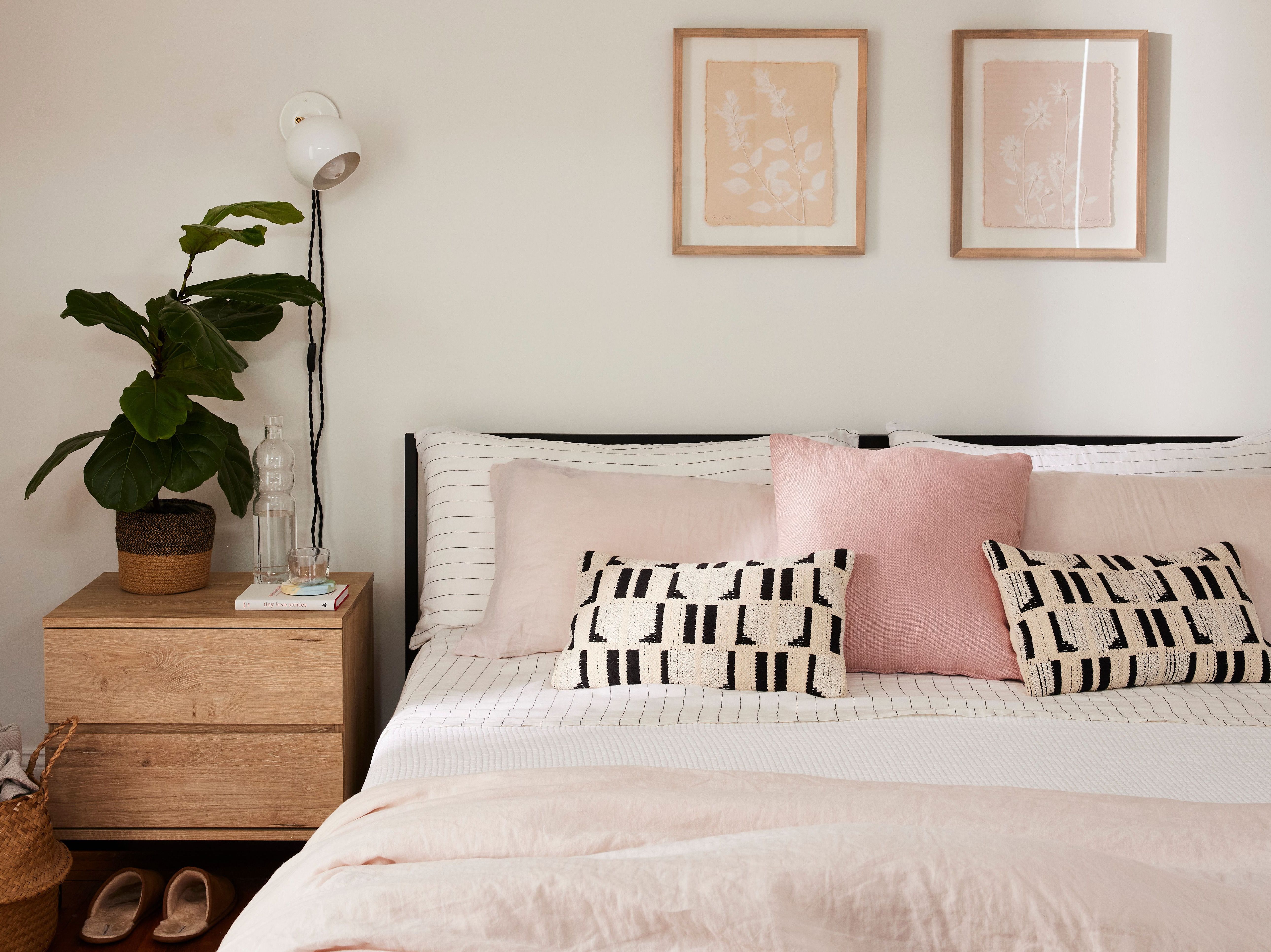
If your bedroom is small enough that you can plug in your phone, grab a book, and question your life choices without ever leaving the bed, welcome. You are among friends. A compact bedroom can feel cramped, awkward, and one laundry basket away from emotional collapse, but it can also become one of the most stylish rooms in your home. The trick is not pretending your room is huge. The trick is decorating it like every inch matters.
The best small bedroom decor ideas do two jobs at once: they make the room look better and work harder. That means smart furniture, layered lighting, vertical storage, and a layout that lets your bed be the star without letting it eat the whole show. Whether you are styling a tiny apartment bedroom, a guest room, or a cozy primary suite, these ideas can help you create a space that feels polished, comfortable, and surprisingly roomy.
Why Small Bedrooms Can Look Better Than Big Ones
Here is the good news: small bedrooms force you to be intentional. You do not have room for random furniture, cluttery accessories, or that mystery chair currently wearing three cardigans and one pair of jeans. When every piece has a purpose, the room feels edited, calm, and stylish. In other words, a small bedroom can become the design equivalent of a capsule wardrobe: fewer things, better choices, stronger impact.
25 Small Bedroom Decor Ideas That Make a Big Impact
1. Start With a Light, Cohesive Color Palette
Soft whites, warm beige, pale gray, muted sage, and dusty blue can make a small bedroom feel open and airy. A consistent palette reduces visual breaks, which helps the room feel calmer and larger. This does not mean your bedroom must look like a plain vanilla yogurt cup. It means the colors should relate to one another so the eye can move easily around the room.
2. Paint Walls, Trim, and Even the Ceiling in Similar Tones
Color drenching is one of the easiest ways to blur harsh edges and make a room feel taller. When the walls, trim, and ceiling live in the same tonal family, the room reads as one continuous envelope instead of a series of chopped-up surfaces. It is subtle, elegant, and very forgiving.
3. Choose a Bed Frame With Built-In Storage
In a small bedroom, hidden storage is pure magic. A bed with drawers underneath can replace a bulky dresser or at least reduce the need for one. Store off-season clothes, extra sheets, shoes, or that throw blanket collection you swear is necessary. Because honestly, it probably is.
4. Try a Low-Profile Bed for an Airier Look
A lower bed frame creates more visible wall space above it, which can make the ceiling feel taller. Low-profile beds also look modern and relaxed, especially when paired with crisp bedding and a few layered textures. It is a visual trick, but a charming one.
5. Use a Statement Headboard Instead of Excess Decor
If your room cannot handle lots of furniture or accessories, let the headboard do the talking. An upholstered headboard, a cane design, a curved shape, or a rich fabric can add personality without taking up extra square footage. It becomes the room’s focal point, which means you need less visual clutter elsewhere.
6. Ditch Bulky Nightstands for Floating Shelves
Floating nightstands free up floor space and make a room feel less crowded. Even a slim shelf can hold a lamp, book, phone, and glass of water. If your bedroom is truly tiny, a single floating shelf on one side may be enough. Minimal space, maximum dignity.
7. Swap Table Lamps for Wall Sconces
Wall sconces are a small bedroom hero. They free up precious nightstand space, add height to the room, and create layered lighting that feels more custom. Hardwired sconces look polished, but plug-in versions are great for renters who want style without a dramatic relationship with drywall.
8. Layer Your Lighting
One sad overhead light is not a design plan. A small bedroom feels more sophisticated when lighting comes from multiple sources: ceiling fixture, sconces, bedside lamp, or even a small accent light on a dresser. Layered lighting makes the room feel warm, intentional, and much more expensive than it probably was.
9. Add a Mirror Across From a Window
Mirrors reflect light and create depth, which is exactly what a compact bedroom needs. A large mirror opposite or near a window can bounce daylight around the room and make it feel brighter. Lean one casually against the wall, hang one above a dresser, or choose mirrored closet doors if you like practical drama.
10. Go Vertical With Storage
When floor space runs out, the walls are still available for duty. Use tall bookshelves, wall-mounted shelves, over-the-bed storage, or hooks placed higher than eye level. Vertical storage draws the eye upward and makes the bedroom feel taller while keeping essentials off the floor.
11. Hang Curtains Higher Than the Window Frame
This classic decorator move works because it creates the illusion of taller ceilings. Mount curtain rods several inches above the window and let the panels drop close to the floor. The room instantly feels more elegant, and your window gets the visual promotion it deserves.
12. Use Roman Shades in Tight Spaces
If full drapes crowd the room or bump into furniture, Roman shades are a smart solution. They deliver softness and pattern without taking up as much space. In a tiny bedroom, this kind of tidy window treatment can make everything feel more streamlined.
13. Pick Furniture With Visible Legs
Furniture that sits slightly off the ground allows more floor to show, which helps the room look less heavy. A nightstand, bench, or dresser with legs can create a breezier feel than solid boxy pieces. It is a small visual detail, but it changes the mood of the room fast.
14. Keep Furniture Scaled to the Room
A giant bed flanked by oversized nightstands may look dreamy in a showroom, but in a real small bedroom it can feel like a furniture hostage situation. Choose pieces that fit the footprint. Sometimes downsizing from a king to a queen, or from two nightstands to one, makes the room dramatically more functional.
15. Use One Great Rug, Not a Tiny One
Many people assume a small room needs a small rug. Usually, the opposite is true. A rug that properly anchors the bed makes the room feel larger and more unified. Tiny rugs can make the layout look choppy, as if the room is apologizing for itself. Your bedroom deserves better.
16. Embrace Built-Ins If You Can
Built-in shelves, wardrobes, or a custom bed nook can turn an awkward small bedroom into a tailored retreat. They maximize corners, reduce wasted space, and often look cleaner than freestanding furniture. Even one built-in feature can elevate the whole room.
17. Let the Ceiling Have a Moment
When square footage is limited, the ceiling becomes an opportunity. Try a subtle wallpaper, painted ceiling, wood paneling, or a striking flush-mount light fixture. Drawing the eye upward adds drama and distracts from the room’s smaller footprint in the best possible way.
18. Use Bedding as Decor
In a small bedroom, the bed is the biggest visual element, so make it count. High-quality bedding, layered pillows, a textured coverlet, and a folded throw at the end can create a styled look without extra furniture. This is one of the easiest ways to make a bedroom feel luxurious without adding clutter.
19. Keep the Floor as Clear as Possible
Nothing shrinks a room faster than stuff scattered across the floor. Baskets, bins under the bed, wall hooks, and a disciplined editing process help keep the floor visible. The more open floor you can see, the more spacious the bedroom appears.
20. Add a Narrow Bench or Stool at the Foot of the Bed
If you have room, a slim bench adds function and polish. It can hold a robe, provide a place to sit while putting on shoes, or act as a landing zone for decorative pillows at night. Just keep the scale tight so the room still flows.
21. Use Pattern in Small Doses
Small bedrooms do not have to be boring or beige forever. Pattern can bring life into the room, but it works best when used strategically. Try patterned bedding, a wallpapered accent wall, a striped lumbar pillow, or a printed Roman shade. One confident moment often beats ten timid ones.
22. Add Greenery Without Giving Up Floor Space
Plants make a bedroom feel fresh and lived-in, but floor pots can crowd a compact room. Use hanging planters, wall-mounted vessels, or a tiny plant on a shelf. Even a small touch of green can soften the room and make it feel more welcoming.
23. Create Symmetry Where You Can
Symmetry brings order, and order makes a small room feel more restful. Matching sconces, a centered bed, or two identical pillows can help the space feel balanced even when square footage is limited. You do not need a perfect mirror image, just enough structure to calm the eye.
24. Cut Back on “Maybe Useful” Furniture
That extra chair. The large trunk. The three-tiered side table. The decorative ladder. In a small bedroom, “maybe useful” often turns into definitely in the way. Keep the pieces that truly serve the room and let the rest go. Style is often what remains after the unnecessary stuff leaves.
25. Make It Feel Personal, Not Packed
The most beautiful small bedrooms still feel like someone lives there. Add framed art you love, a favorite candle, a meaningful book stack, or one vintage piece with character. A small room should feel curated, not sterile. Think collected and calm, not “I removed all evidence of human joy for square footage.”
How to Pull It All Together
If you are decorating a small bedroom from scratch, begin with the biggest choices first: bed size, layout, storage, and lighting. Then build the room around a restrained color palette and a few strong decorative moments. Use walls instead of the floor whenever possible. Choose furnishings that earn their place. Let the bed carry visual weight through beautiful bedding and a great headboard. Finally, edit, edit, and edit again.
The goal is not to make a small bedroom mimic a large one. The goal is to make it feel intentional, comfortable, and stylish on its own terms. That is where the magic happens. Not in pretending your room is bigger, but in proving that small bedroom decor ideas can be every bit as beautiful as the sprawling spaces on glossy mood boards.
Real-Life Experiences With Small Bedroom Design
One of the most common mistakes people make with small bedroom decor is trying to solve everything at once. They buy a new bed, add storage bins, hang art, toss in a plant, order a chair, and then wonder why the room still feels chaotic. In practice, small bedrooms respond best to slow, thoughtful changes. People who get the best results usually start by removing what does not belong, then focus on one or two upgrades that shift the whole room. A new lighting plan, a better layout, or a storage bed often changes more than a dozen cute accessories ever could.
Another real-world lesson is that a small bedroom rarely needs more furniture. It needs better furniture. Someone might swap a chunky nightstand for a floating shelf and suddenly the room feels easier to walk through. Another person replaces a heavy dresser with a slimmer tall chest and gains floor space immediately. Renters often discover that plug-in sconces, peel-and-stick wallpaper, and under-bed drawers give them the custom look they wanted without permanent construction. These solutions are popular for a reason: they look stylish while solving actual daily annoyances.
There is also a strong emotional side to designing a compact bedroom. When a room is crowded, it can feel mentally noisy. People describe sleeping better once the visual clutter is reduced. They say the room feels calmer after switching to matching hangers, neutral bedding, and a tighter color scheme. The transformation is not always dramatic in a before-and-after-photo sense, but it is dramatic in how the space feels to live in. A tiny bedroom that functions well can feel more luxurious than a larger one that is disorganized.
Many homeowners and apartment dwellers also learn that small bedrooms can handle more personality than expected. After playing it safe with plain white walls and generic furniture, they finally add a moody paint color, a striped pillow, a sculptural lamp, or a bold headboard and realize the room feels bigger in spirit even if it did not gain an inch. Style matters. A compact room that reflects your taste feels intentional. A compact room filled with random leftovers feels temporary. That difference shows up every single day.
Perhaps the best lesson from real small-bedroom makeovers is that limitations can improve decision-making. You become choosier. You stop buying things just because they are pretty and start buying things because they are pretty and useful. You learn that one well-placed mirror can outperform three extra decor objects. You learn that floor lamps are not always worth the footprint. You learn that the right rug size can fix a room faster than another throw pillow. And yes, you eventually learn that the chair in the corner is not a reading nook. It is a laundry ambassador.
Over time, these experiences add up to a smarter decorating mindset. People stop chasing the fantasy of a giant magazine-perfect bedroom and begin appreciating the comfort and charm of the room they actually have. That is when small bedroom decor stops being a compromise and starts becoming a style advantage. With the right choices, a compact bedroom can feel cozy, elevated, and unmistakably personal. That is not settling. That is good design.
Conclusion
Small bedrooms may be short on square footage, but they are full of design potential. With the right mix of space-saving furniture, smart storage, layered lighting, and a cohesive color palette, even the tiniest room can feel stylish, restful, and surprisingly refined. Focus on pieces that work hard, decorate with intention, and let your personality show up in the details. When every inch earns its keep, a small bedroom stops feeling limited and starts feeling brilliantly designed.