

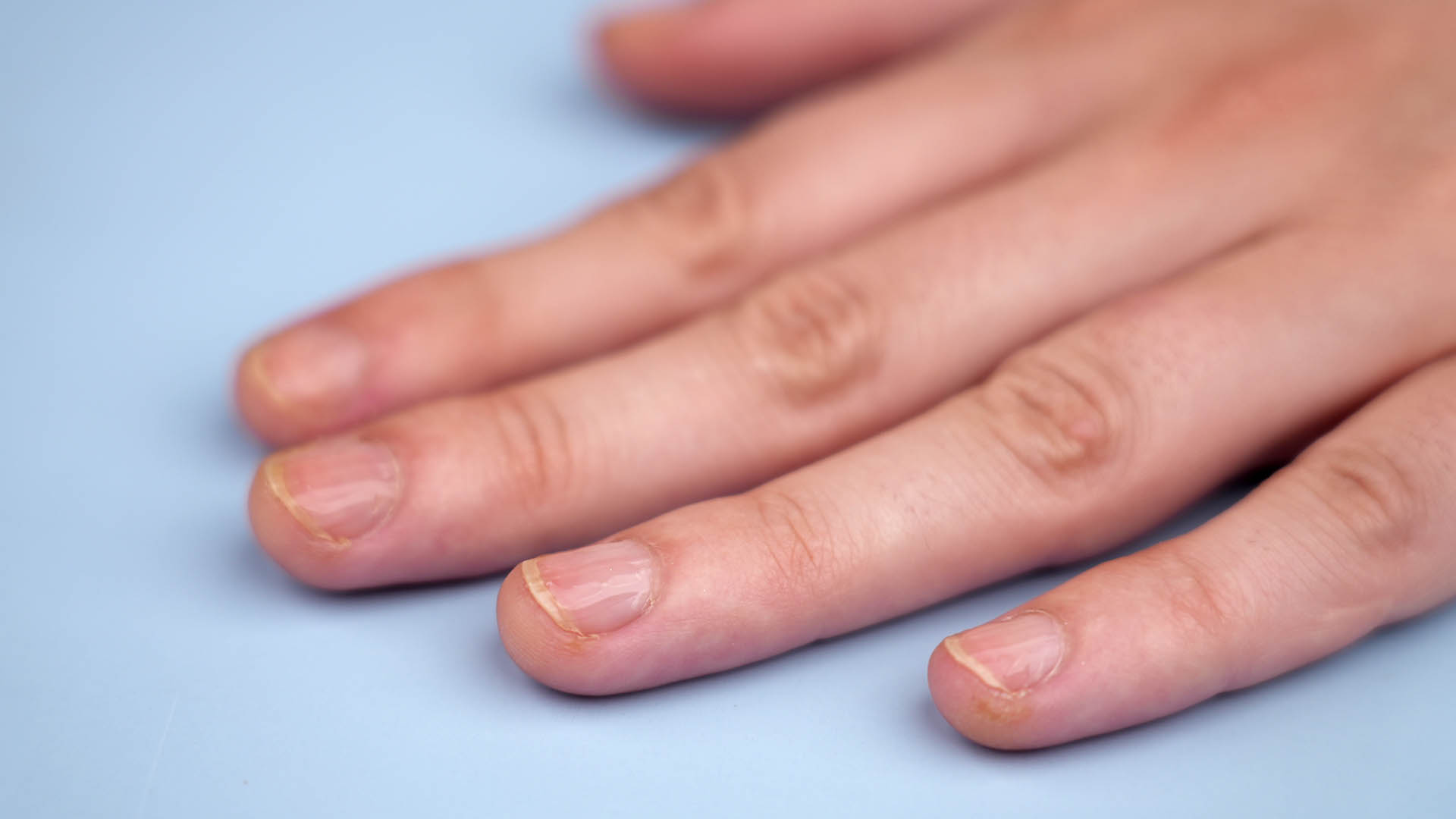
If you have ever stared at your nails and thought, “I do not need glitter, chrome, or a tiny galaxy on my fingertips today. I need something simple, shiny, and drama-free,” welcome to the wonderfully glossy world of clear nail polish. A good clear coat can make nails look neat, healthy, and intentionally polished without screaming for attention. It is the white T-shirt of manicures: classic, useful, and surprisingly hard to mess up when you know what you are doing.
That said, the internet loves to throw around the phrase homemade clear nail polish as if you can whip it up like pancake batter. Real talk: true salon-style nail polish is a cosmetic formula, not a kitchen smoothie. So if you want to make clear nail polish at home, the smartest move is not playing backyard chemist with random solvents. It is creating a safe, wearable, clear manicure using methods that actually work. In this guide, you will learn three easy ways to do exactly that, plus tips for making your DIY clear manicure last longer, look glossier, and avoid turning your bathroom into a tiny nail lab from a bad sitcom.
Can You Really Make Clear Nail Polish at Home?
Yes, but with one important asterisk the size of a manicure table. If by “make” you mean blending industrial polish ingredients from scratch, that is not the easy or sensible home route. Professional clear polish depends on ingredients that form a smooth film, dry evenly, and stay glossy without peeling immediately. That is why most successful at-home methods are really about creating a clear nail polish effect using nail-safe products such as a base coat, top coat, all-in-one clear lacquer, or a peel-off layer.
And honestly, that is good news. You do not need a chemistry degree, a lab coat, or the confidence of someone who says “I eyeballed it” before ruining a recipe. You just need the right approach. The three methods below are practical, beginner-friendly, and much more realistic than trying to invent commercial lacquer on your kitchen counter.
Method 1: Make a Simple Clear Nail Polish Using a Base Coat or Top Coat
This is the easiest and most reliable method. If you already own a clear base coat, top coat, or all-in-one formula, congratulations: you are halfway to homemade clear nail polish already. Used alone, these products create a clean, glossy finish that protects the nail and gives it that “I have my life together” shine.
What You Need
- 1 bottle of clear base coat, top coat, or all-in-one clear nail polish
- Nail polish remover or rubbing alcohol for prep
- Cotton pads
- Nail file
- Cuticle oil for finishing
How to Do It
Start with clean, dry nails. Remove any old polish, wash your hands, and make sure the nail surface is not oily. File the edges so they look even, then wipe each nail with remover or alcohol to remove leftover lotion or natural oil. Next, apply one thin coat of your clear formula. Let it dry for a minute or two, then add a second thin coat if you want more shine and a slightly smoother finish. Seal the free edge of the nail by lightly brushing across the tip. That tiny move can help reduce early chipping.
If you want the look to stay fresh, finish with a drop of cuticle oil once the polish is dry. The result is polished but minimal, like your nails got dressed up without putting on sequins.
Why This Works
A clear base coat helps smooth and protect the nail, while a clear top coat adds shine and helps resist everyday wear. If your goal is a transparent manicure rather than color, either can work beautifully on its own. Base coats are often better when you want a more natural, understated finish. Top coats usually give you the glossiest look. All-in-one formulas split the difference and are great for low-maintenance nail people who believe every beauty routine should involve as little chaos as possible.
Method 2: Revive an Old Bottle and Turn It Back Into Usable Clear Polish
Sometimes the best DIY clear nail polish is the bottle you already own but abandoned because it turned thick, stringy, and weird. Good news: if your clear polish has gone gloopy, you may not need to toss it. With the right nail polish thinner, you can bring it back to a smoother, brushable consistency.
What You Need
- 1 old bottle of clear nail polish
- Nail polish thinner made for lacquer formulas
- A clean tissue or paper towel
How to Do It
Open the bottle and add just 2 to 3 drops of nail polish thinner. Close the cap and gently roll the bottle between your palms. Do not shake it like a maraca at karaoke night. Rolling helps mix the product without creating as many bubbles. Test the formula. If it still feels thick, add 1 or 2 more drops and repeat. Work slowly. Too much thinner can make the polish watery and frustrating to apply.
Once the consistency feels smooth again, apply it the same way you would a fresh clear coat: thin layers, clean nails, patience between coats. This method is especially helpful if your favorite clear top coat started turning into sticky jelly but still has life left in it.
The Big Mistake to Avoid
Do not pour random household liquids into your polish bottle. Nail polish remover, perfume, alcohol, and mystery cabinet chemicals are not the move. A dedicated thinner is designed to restore the polish more safely and more effectively. If a bottle smells off, separates badly, or never smooths out, let it retire with dignity.
Method 3: Make a Temporary Clear Manicure with a Peel-Off Base
If you want clear nails for a short event, a weekend, or a commitment-free beauty phase, a peel-off base can work like a temporary version of clear polish. It is especially handy for people who like a glossy look but hate long removal sessions. Think of it as the casual dating version of a manicure: fun, low drama, and easier to walk away from.
What You Need
- A peel-off base coat
- An optional clear top coat for extra shine
- A cuticle stick or pusher for gentle removal later
How to Do It
Apply a very thin layer of peel-off base to clean, bare nails. Let it dry fully. For a more natural finish, stop there. For a shinier, longer-lasting look, add a layer of clear top coat over it. The finish is transparent, tidy, and easy to remove when you are ready for a new look.
This method is not the champion of two-week wear, but it is excellent for quick home manicures, photos, special dinners, interviews, or those weeks when you want your hands to look polished without signing a long-term contract with acetone.
Who Will Love This Method
This option is great for nail minimalists, beginners, and anyone who wants a clear glossy manicure at home without the hassle of a tougher removal process. It is also a smart choice if your nails are feeling delicate and you want something lighter and more flexible than a full long-wear routine.
What Not to Add to Homemade Clear Nail Polish
Let us save you from a few classic DIY detours. If the goal is a smooth, wearable, transparent finish, skip ingredients that sound crafty but behave terribly on nails. Cornstarch, flour, baking soda, glue cocktails, face serums, and random oils can turn a clear formula cloudy, streaky, slow-drying, or peel-prone. Some ingredients may also create a finish that looks fine for ten minutes and then starts cracking like a dry lake bed.
Another common mistake is overloading the nail with thick coats. Clear polish may look forgiving, but it still needs thin, even applications to dry properly. If you pile it on, you risk dents, bubbles, and that sneaky moment when you think your nails are dry and then immediately fingerprint them while opening a soda can. Humbling. Very humbling.
How to Make Your Clear Nail Polish Last Longer
Once you have created your at-home clear manicure, technique matters. Even the best formula will quit early if your prep is messy. Start with dry nails, not freshly soaked ones. Remove oil from the nail surface before applying polish. Use thin coats instead of thick ones. Let each layer dry before adding the next. And cap the nail edge so the polish grips the tip instead of waving goodbye on day two.
Also, wear gloves for cleaning and dishwashing if you want your manicure to survive contact with reality. Water, detergents, and constant hand use are not exactly manicure cheerleaders. If your nails are dry or brittle, apply cuticle oil daily and hand cream often. Clear polish can help create a protective-looking finish, but healthy nails underneath still matter.
Which Method Is Best?
If you want the shortest answer possible, here it is:
- Choose Method 1 if you want the easiest and most dependable homemade clear nail polish.
- Choose Method 2 if you already have a clear polish bottle that just needs a second chance.
- Choose Method 3 if you want a temporary clear manicure that is easier to remove.
For most people, Method 1 wins. It is simple, inexpensive, and delivers the clean, shiny result most readers are actually looking for. Method 2 is the most budget-friendly because it revives what you already own. Method 3 is the easygoing option for people who love flexibility more than maximum wear time.
Final Thoughts
Making clear nail polish at home does not have to mean turning your house into a cosmetics lab. In real life, the smartest DIY route is using nail-safe products in clever, practical ways. A clear base coat, top coat, revived old bottle, or peel-off system can all create a polished finish that looks fresh, natural, and surprisingly chic. In other words, homemade clear nail polish is less about inventing a factory formula and more about mastering a glossy little shortcut.
So if your nails need a reset, a subtle shine, or just a break from bold colors, clear polish is your low-key hero. It is tidy, versatile, and much easier to maintain than an elaborate manicure that requires the planning skills of an event coordinator. Sometimes the best nail look is the one that quietly makes everything else look more put together.
Extra Experience: What It Is Really Like to Try These Methods at Home
People who try to make clear nail polish at home usually discover one thing fast: the idea sounds bigger and scarier than the process actually is. The first experience is often relief. You realize you do not need to become a chemist. You just need a clear product, a clean nail surface, and about fifteen calm minutes when nobody asks you to open a jar, fold laundry, or rescue a phone charger from behind the couch. The whole thing feels more manageable the moment you stop chasing miracle recipes and start working with products designed for nails.
A very common first-time experience is using a base coat alone and being surprised by how polished it looks. A lot of people expect clear nail polish to look boring, but on well-shaped nails it can look clean, bright, and intentional. It gives the hand a finished look without competing with rings, outfits, or your overall style. If colorful manicures are loud party guests, clear polish is the friend who arrives on time, brings snacks, and leaves your house cleaner than they found it.
Another real-world experience is learning that thick, old polish is not always dead. Many at-home users have a forgotten bottle tucked in a drawer that still has potential. After adding a few drops of thinner and rolling the bottle gently, the texture can improve enough to make the polish usable again. That little revival moment feels wildly satisfying. It is like discovering that your “expired” favorite sweatshirt still looks great after a wash. Not magical, just smart.
Of course, not every experience is glamorous. One of the biggest frustrations happens when people rush. They apply one heavy coat, then another, then tap a screen, pull on jeans, or decide now is a great time to hunt for keys. That is how dents happen. That is how smudges happen. That is how you end up staring at your thumbnail like it personally betrayed you. Clear polish may be simpler than color, but it still rewards patience. Thin coats and drying time are not exciting advice, yet they make a huge difference.
There is also the experience of discovering your own preference. Some people love the glassy look of a top coat. Others prefer the softer finish of a base coat alone. Some find peel-off options perfect for weekends, while others would rather have a traditional formula that lasts longer. That trial-and-error phase is actually useful. It helps you build a nail routine that fits your life, not some fantasy version of yourself who has endless time, perfect cuticles, and never once bangs a finger against a kitchen drawer.
In the end, the home experience is usually less about creating the perfect bottle and more about creating a routine that feels easy, repeatable, and worth doing again. Once you find your favorite method, clear nail polish becomes one of those tiny habits that quietly makes you feel more pulled together. Not in a dramatic movie-montage way. More in a “my hands look nice while I hold this coffee” kind of way. And honestly, that is plenty.