

A Bissell carpet cleaner works hard. It drinks clean water, sprays solution, scrubs carpet fibers, suctions up mystery liquid, and somehow keeps going even after meeting pet hair, cookie crumbs, muddy footprints, and whatever that stain was under the sofa. But here is the catch: a machine that cleans dirty carpets also needs cleaning itself.
If you skip maintenance, your Bissell carpet cleaner can start losing suction, smelling unpleasant, leaving streaks, or hiding clumps of hair in places you never wanted to investigate. The good news is that cleaning a Bissell carpet cleaner is not complicated. You do not need a toolbox worthy of a mechanic or a chemistry degree. You need warm water, a soft cloth, a little patience, and the courage to look inside the dirty water tank without emotionally detaching from reality.
This guide explains 3 ways to clean a Bissell carpet cleaner: a quick clean after every use, a deeper clean for the nozzle and brush area, and a full maintenance routine for portable models, hoses, tools, and storage. Whether you own a Bissell ProHeat, Big Green, Little Green, Revolution, Pet Pro, or another similar model, these steps will help keep your machine fresh, powerful, and ready for the next carpet emergency.
Why Cleaning Your Bissell Carpet Cleaner Matters
A carpet cleaner is basically a wet vacuum with extra ambition. It sprays cleaning solution, agitates carpet fibers, and extracts dirty water. During that process, hair, lint, carpet fuzz, soap residue, minerals, pet mess particles, and fine dirt can collect inside the tank, nozzle, brush roll chamber, suction pathway, hose, and tools.
When those areas are ignored, problems show up quickly. The dirty water tank may smell. The float stack may stick. The brush roll may drag. The nozzle may clog. The machine may sound louder than usual or stop picking up water efficiently. Sometimes the machine is not “broken”; it is simply begging for a bath.
Common signs your Bissell carpet cleaner needs cleaning
- The machine leaves too much water behind on the carpet.
- The dirty water tank smells musty after storage.
- Suction feels weak even when the tank is attached correctly.
- The brush roll has hair wrapped around it.
- The nozzle looks cloudy, grimy, or blocked.
- Spray comes out unevenly or not at all.
- The hose on a portable unit smells or has debris inside.
The best habit is simple: clean the machine after every use, then do a deeper check whenever suction drops, the machine smells, or you have cleaned a particularly messy area. Think of it like rinsing a blender after making a smoothie. Technically, you can wait. Emotionally, you should not.
Before You Start: Safety and Supplies
Before cleaning any Bissell carpet cleaner, turn the machine off and unplug it. If your model has removable tanks, take them off before cleaning the base. Never rinse electrical parts, never submerge the machine body in water, and always check your specific user guide if your model has unusual parts or attachments.
Supplies you may need
- Warm tap water
- Microfiber cloth or soft towel
- Small cleaning brush or old soft toothbrush
- Nozzle clean-out tool, if included with your model
- Scissors for cutting wrapped hair from brush rolls
- Paper towel for wiping seals and exterior areas
- A sink, utility tub, or bathtub for rinsing parts
Avoid harsh chemicals, bleach, boiling water, or homemade mixtures inside the machine unless your manual specifically approves them. Bissell machines are designed to work with compatible carpet cleaning formulas and warm water. Boiling water may sound like it means business, but it can damage plastic parts, seals, or tanks. Hot tap water is usually the safer choice.
Way 1: Clean the Dirty Water Tank After Every Use
The dirty water tank is the first place to clean because it collects everything your carpet politely hid from you. If you only clean one part after a short job, clean this one. Dirty water left in the tank can create odor, residue, and buildup that makes the machine unpleasant to use later.
Step 1: Turn off and unplug the machine
Always begin by switching the machine off and unplugging it from the outlet. This sounds obvious, but it is worth saying because water and electricity have a famously terrible friendship.
Step 2: Remove the dirty water tank
Lift or release the dirty water tank according to your model. On many upright Bissell carpet cleaners, the tank comes off from the front or top of the machine. On portable models like the Bissell Little Green, the collection tank usually lifts out from the side or base.
Step 3: Empty the tank
Pour the dirty water into a toilet, utility sink, or drain that can handle debris. Do not be surprised if the water looks like swamp tea. That means the machine did its job. Empty slowly to prevent splashing, especially if the tank contains pet mess residue or heavy soil.
Step 4: Rinse the tank thoroughly
Use warm water to rinse the inside of the tank. Shake the tank gently to loosen dirt from corners and seams. If your model has a removable top, separator, or float stack, remove it carefully and rinse those pieces too. The float stack helps manage airflow and tank fullness, so it should move freely and sit correctly when reassembled.
Step 5: Wipe the tank seals and edges
Use a soft cloth or paper towel to wipe around the tank lid, gasket, rim, and connection points. Small bits of lint or grit around the seal can affect suction. A clean seal helps the machine pull dirty water back into the tank instead of leaving your carpet damp and dramatic.
Step 6: Let the tank air dry
Do not immediately lock a wet tank back into a closet. Leave the dirty water tank open or separated until it dries completely. Air drying helps prevent mildew odor. If you store the machine with a sealed damp tank, the next cleaning session may greet you with a smell best described as “forgotten gym towel.”
Way 2: Clean the Nozzle, Brush Roll, and Brush Chamber
The nozzle and brush area do the heavy lifting. The nozzle suctions water from the carpet, while the brush roll agitates dirt and stains. Because these parts touch wet carpet, they collect hair, fibers, lint, and sticky residue. Cleaning them regularly keeps your Bissell carpet cleaner working efficiently.
Step 1: Remove the clean and dirty water tanks
Before tipping or laying the machine back, remove both tanks. This prevents leaks and makes the cleaner easier to handle. Place the tanks aside on a towel.
Step 2: Lay the machine back carefully
Many upright Bissell carpet cleaners are cleaned by laying the machine on its back or side so you can access the foot. Choose a stable surface and avoid scraping floors. A towel underneath the machine can catch drips and protect the finish.
Step 3: Remove the nozzle
Depending on your model, the nozzle may lift off after releasing a latch, pulling up on an accessory hose door, or pressing release buttons. Do not force it. If it resists, check your manual. Plastic tabs are helpful until they snap, at which point they become tiny lessons in regret.
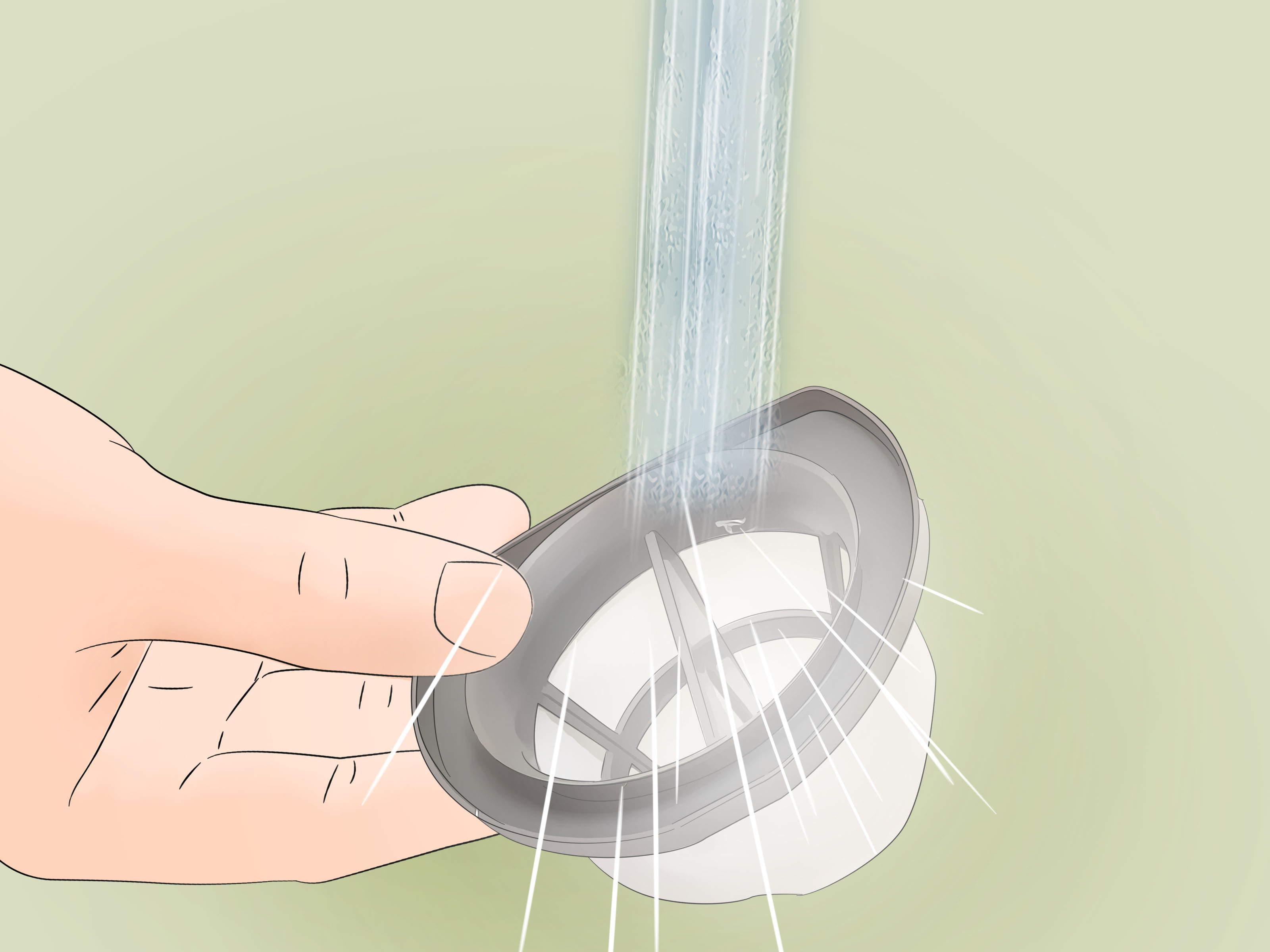
Step 4: Rinse the nozzle under warm water
Rinse both sides of the nozzle. Clear out lint, pet hair, and sand-like debris. If your Bissell includes a nozzle clean-out tool, slide it through the nozzle channel to remove stubborn clogs. A soft brush can help remove residue from edges and grooves.
Step 5: Remove the brush roll cover
Some Bissell models have an easy-clean brush roll cover. Remove it and rinse it under warm water. Wipe away hair and grime. Let it dry fully before reinstalling.
Step 6: Clean the brush roll
Pull away loose hair and debris from the brush roll. If hair is tightly wrapped, carefully cut it with scissors, then unwind it. Avoid cutting brush bristles. Turn the brush roll by hand to make sure it rotates smoothly. If it feels jammed, inspect the ends for string, thread, or carpet fibers.
Step 7: Wipe the brush chamber
The brush chamber can hold sludge, lint, and wet grit. Wipe it with a damp cloth. Pay attention to corners, suction channels, and areas around the sprayers. If spray holes appear blocked, gently clear visible debris according to your manual. Avoid poking aggressively into parts that may be delicate.
Step 8: Reassemble only when dry
After rinsing the nozzle and brush cover, set them aside to air dry. Reattach parts firmly once dry. A loose nozzle or misaligned cover can reduce suction. If your machine suddenly refuses to pick up water after cleaning, check that every part clicked back into place correctly before assuming disaster.
Way 3: Deep Clean Hoses, Tools, and Storage Areas
The third way to clean a Bissell carpet cleaner focuses on portable machines and attachment systems. If you use a hose, stain tool, upholstery tool, pet tool, or crevice attachment, those parts need attention too. They handle some of the grossest messes in the house, then get wrapped neatly against the machine like nothing happened. Suspicious behavior.
Step 1: Flush the hose
For portable Bissell cleaners, remove the tool from the hose and rinse the tool separately. Some models include a self-cleaning hose tool or HydroRinse-style attachment. If yours does, use it after each cleaning session to flush clean water through the hose. If your model allows it, you can also suction clean water from a bowl to rinse the inside of the hose.
Step 2: Clean the attachment tool
Rinse the tool head under warm water. Remove lint, hair, and residue from the spray nozzle and suction opening. If dirt collects around the brush bristles, use a soft toothbrush to loosen it. Let the tool dry before storing it on the machine.
Step 3: Empty and rinse the clean water tank when needed
If you used all the cleaning solution, rinse the clean tank and let it dry. If your manual says leftover solution may remain for the next use, make sure the cap is secure and the machine is stored upright. For longer storage, emptying and rinsing the tank is usually the fresher choice.
Step 4: Wipe the exterior
Use a damp microfiber cloth to wipe the outside of the machine, handle, cord wrap, tank seat, and base. Dried formula can make surfaces sticky. Mud splashes can hide near wheels. Pet hair can cling to everything because pet hair has life goals.
Step 5: Check the suction pathway
Look for clogs where the hose connects, where the tank meets the machine, and around the nozzle opening. A small blockage can cause big suction problems. Remove visible debris gently. If your machine has a removable suction diverter or similar component, clean it only according to the user guide for your model.
Step 6: Store the machine correctly
Once all parts are dry, reassemble the machine and store it in a dry indoor space. Wrap the cord loosely, secure the hose without kinking it, and avoid storing the cleaner where temperatures swing dramatically. A dry machine is a happy machine. A damp machine shoved into a dark closet is how odors begin writing their autobiography.
How Often Should You Clean a Bissell Carpet Cleaner?
For best performance, clean the dirty water tank after every use. Rinse the nozzle and brush roll cover after every full-room carpet cleaning session or anytime the machine has picked up hair, heavy dirt, or pet mess. Flush hoses and tools after each portable cleaning job. Do a deeper inspection before storing the machine for more than a few weeks.
Simple cleaning schedule
- After every use: Empty and rinse the dirty water tank, wipe seals, and let parts dry.
- After messy jobs: Clean nozzle, brush roll, brush chamber, hose, and tools.
- Monthly during frequent use: Inspect suction pathways, sprayers, brush roll ends, and tank gaskets.
- Before long storage: Empty both tanks, dry all parts fully, wrap cord and hose properly.
Common Mistakes to Avoid
Using boiling water
Warm or hot tap water is usually enough. Boiling water can warp or damage plastic tanks and internal parts. If the water is too hot for your hand, it is probably too hot for the machine.
Leaving dirty water in the tank
This is the fastest way to create odor. Empty the tank as soon as you finish cleaning. Your future self will thank you, preferably while breathing normally.
Forgetting the nozzle
A dirty nozzle can reduce suction and leave water behind. If the machine is not extracting well, the nozzle should be one of the first places you check.
Storing parts while wet
Wet tanks, hoses, and tools can develop musty smells. Air dry parts before reassembly and storage.
Using random cleaners in the tank
Carpet cleaner formulas are designed for extraction machines. Dish soap, laundry detergent, vinegar mixtures, or heavy degreasers may create foam, residue, or machine issues. Use compatible formula and follow label directions.
Troubleshooting After Cleaning
If suction is weak
Check that the dirty water tank is seated correctly, the lid is sealed, the float stack is installed properly, and the nozzle is locked in place. Inspect the suction pathway for clogs. Make sure the tank is not full.
If the brush roll is not spinning
Turn off and unplug the machine. Remove hair or string wrapped around the brush. Make sure the brush cover is installed correctly. If the brush still does not turn, check your manual for belt or brush roll maintenance steps.
If the machine smells bad
Clean and dry the dirty water tank, float stack, hose, tools, nozzle, and brush chamber. Odor usually comes from trapped dirty water, damp debris, or residue hidden in the extraction path.
If water is leaking
Check tank caps, gaskets, seals, and alignment. Make sure tanks are not overfilled and are seated properly. Do not press bottom valves while carrying tanks, as some designs can release water if the valve is pushed.
Best Practices for Keeping Your Bissell Cleaner Cleaner
The easiest way to clean a Bissell carpet cleaner is to prevent major buildup in the first place. Vacuum carpet thoroughly before deep cleaning so the machine does not have to swallow loose hair, crumbs, and grit. Pretreat stains lightly instead of overloading the tank with extra formula. Use slow, steady passes so the cleaner can extract as much liquid as possible.
After cleaning carpet, make a quick maintenance routine part of the job. Empty the dirty tank, rinse it, remove hair from the brush, clear the nozzle, and let everything dry. This takes a few minutes, but it can prevent odor, clogs, and poor performance later.
Real-World Experience: What Cleaning a Bissell Carpet Cleaner Actually Feels Like
Here is the honest part: cleaning a Bissell carpet cleaner is not glamorous. Nobody buys a carpet cleaner dreaming about rinsing a dirty tank in the laundry sink. The exciting part is the clean carpet. The maintenance part is where you meet the evidence. And sometimes the evidence has fur.
The first experience many people have is shock. You clean what looked like a “mostly fine” carpet, then empty the dirty water tank and suddenly question every life choice made in that room. The water is darker than expected. The tank has lint floating in it. There may be pet hair forming tiny islands. This is normal. Carpets are excellent secret keepers, and a good extractor exposes them.
The best routine I recommend is to clean the machine immediately while everything is still wet. If you wait until later, residue dries, hair sticks, and the nozzle becomes harder to rinse. Right after cleaning, take the machine to a utility sink or bathtub. Empty the dirty water tank first. Rinse it until the water runs clear. Remove the float stack or separator if your model allows it, because that area often hides fine grit. Set the pieces on a towel with enough airflow to dry.
Next, look at the nozzle. This is where many suction problems begin. A clear nozzle lets you see exactly what is trapped inside, which is both useful and slightly rude. Rinse it from multiple angles. If your model has a clean-out tool, use it. If not, a soft brush can help. Do not use excessive force. You are removing debris, not excavating a driveway.
The brush roll is usually the most satisfying part to clean. Hair wraps around it in tight bands, especially in homes with pets or long-haired humans. Cut the hair carefully and pull it away. Once the brush spins freely again, the machine often feels more powerful during the next use. This one step can make an older cleaner seem less tired.
For portable Bissell cleaners, the hose deserves extra attention. After cleaning upholstery, stairs, car mats, or pet spots, dirty liquid passes through the hose before reaching the tank. If the hose is not flushed, odor can linger. Suctioning clean water through the hose or using the self-cleaning hose tool is a small step that makes a big difference. It also prevents that unpleasant “why does my cleaning machine smell dirty?” moment.
Storage matters more than people think. A carpet cleaner put away damp can smell musty the next time you use it. I like to leave tanks open until fully dry, keep tools detached for a while, and avoid wrapping a wet hose tightly. Once dry, everything can be clicked back into place. The machine looks tidy, smells neutral, and is ready for action.
The main lesson from experience is this: cleaning the cleaner right away saves time later. Five minutes after each use beats thirty minutes of scrubbing dried gunk before the next use. It also helps protect suction, spray performance, and brush movement. A Bissell carpet cleaner is a practical machine, but it rewards good habits. Treat it well, and it will keep pulling shocking amounts of dirt out of carpets like a tiny, wheeled truth detector.
Conclusion
Cleaning a Bissell carpet cleaner is simple when you divide the job into three parts: rinse the tanks, clean the nozzle and brush roll, and flush the hose, tools, and storage areas. The dirty water tank should be emptied and rinsed after every use. The nozzle and brush chamber should be cleared whenever you clean a room, tackle pet messes, or notice weaker suction. Portable hoses and tools should be flushed and dried so odors do not build up.
A clean carpet cleaner performs better, lasts longer, and smells fresher. More importantly, it is ready when life drops coffee, mud, juice, or pet surprises onto your carpet. With a few easy habits, your Bissell can stay in great shape without turning maintenance into a weekend project.