

Parenting labels multiply faster than toddler snack requests. One minute the internet is debating screen time, and the next minute it has invented three new ways to describe the same mom who is just trying to drink her coffee while it’s still warm. Among the most popular modern labels are crunchy mom, silky mom, and scrunchy mom. They sound like hair products, breakfast cereals, or possibly a yoga class for granola enthusiasts, but they’re really shorthand for different parenting vibes.
A crunchy mom usually leans toward natural, low-toxin, eco-conscious, and attachment-focused choices. A silky mom tends to be more comfortable with convenience, mainstream medical care, technology, and modern parenting tools. A scrunchy mom sits happily in the middle, borrowing what works from both sides and refusing to audition for Team Extremes.
The important thing to know is this: these labels are cultural and conversational, not official categories stamped by a parenting board somewhere in Washington. They can be funny, relatable, and occasionally useful, but they can also become overly simplistic. Because real parenting is rarely one thing. It’s usually a little organic, a little store-bought, a little idealistic, and a little “we had cereal for dinner and survived.”
Note: This article is a cultural overview of internet parenting labels. It is not medical advice, a diagnosis, or a rulebook for how families “should” parent.
What Is a Crunchy Mom?
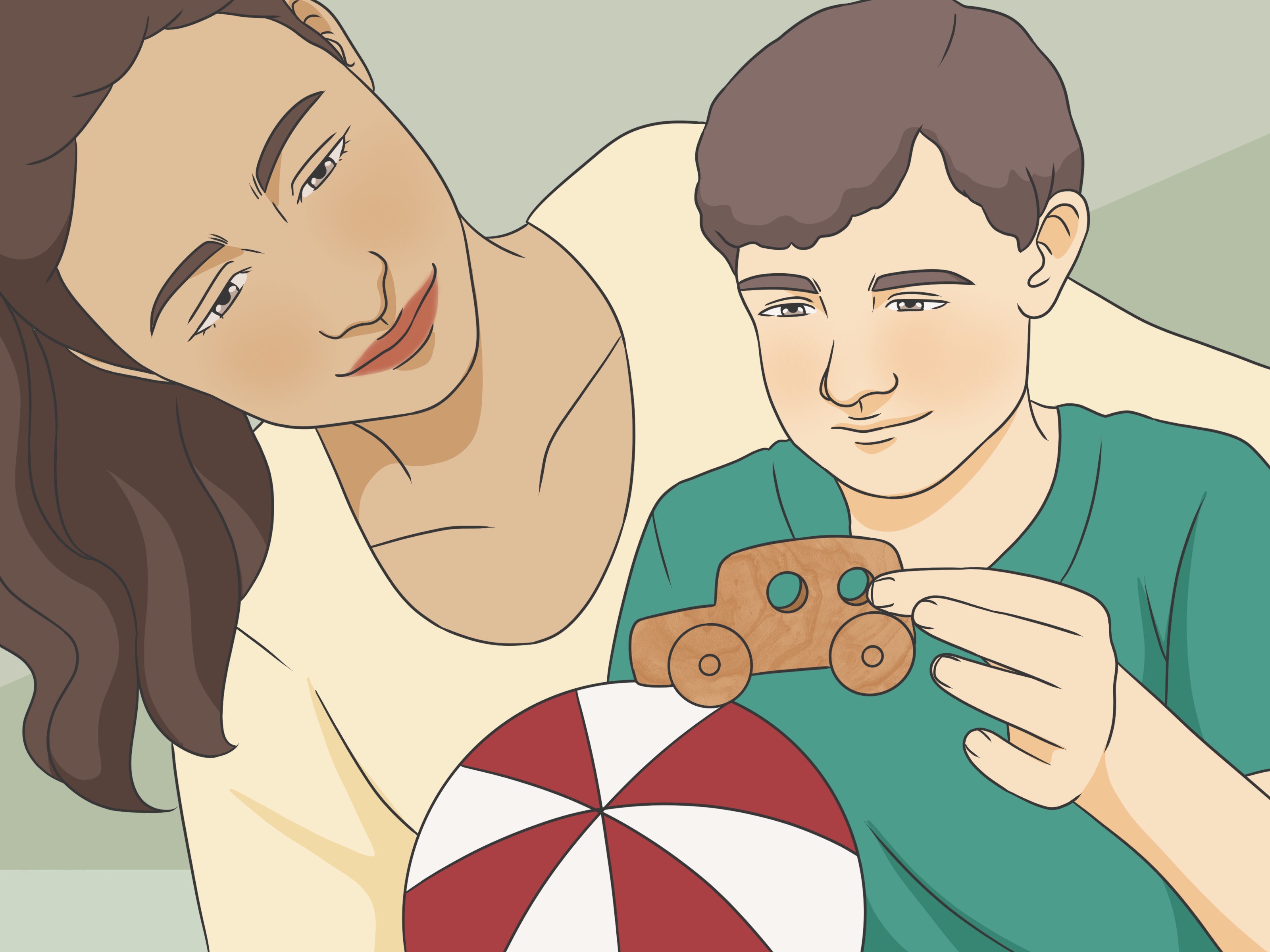
A crunchy mom is usually described as a parent who prefers a more natural, holistic, and intentional lifestyle. She may care deeply about ingredients, sustainability, low-waste routines, and reducing exposure to products she sees as unnecessary or overly processed. In internet shorthand, crunchy parenting often overlaps with ideas like cloth diapering, babywearing, organic food, wooden toys, gentler discipline approaches, and fewer screens.
Of course, not every crunchy mom does every crunchy thing. Some love home-cooked food but use disposable diapers. Some are strict about ingredients but relaxed about sleep routines. The “crunchy” label is less a legal contract and more a vibe: nature-loving, label-reading, reusable-bag-carrying, ingredient-Googling energy.
Common crunchy mom traits
- Prefers more natural or minimally processed foods
- May choose organic products when possible
- Often cares about sustainability and lower-waste living
- May favor babywearing, breastfeeding, or attachment-style routines
- Tends to read product labels like they’re thriller novels
- May be cautious about screen time and heavily branded toys
The appeal of crunchy motherhood is easy to understand. It can feel thoughtful, values-driven, and hands-on. It often reflects a desire to slow down, simplify, and make choices that feel aligned with health, environment, and connection. For many moms, it is not about being trendy. It is about feeling more in control in a world where parenting can sometimes feel like trying to assemble IKEA furniture in a hurricane.
That said, crunchy parenting can also become exhausting when taken as a perfection contest. If every snack, toy, detergent, bedtime decision, and pediatric question becomes a moral referendum, the pressure can be intense. The same values that feel empowering can also become overwhelming when a mom starts thinking she must do everything “the pure way” all the time.
What Is a Silky Mom?
If crunchy moms are often associated with natural living, silky moms are often described as the modern, convenience-friendly counterpart. A silky mom generally feels comfortable with mainstream pediatric guidance, practical shortcuts, and products designed to make daily life smoother. She is less interested in earning points for hand-grinding oats and more interested in getting everyone out the door wearing matching shoes.
Silky parenting is often associated with hospital births, formula or mixed feeding, disposable diapers, store-bought snacks, sleep training, practical baby gear, and a more relaxed attitude about things like screen time, convenience foods, and brand-name products. The silky mom’s motto might as well be: “If it works, it works.”
Common silky mom traits
- Comfortable with mainstream medical care and modern parenting tools
- Uses convenience products without guilt
- May value efficiency over idealized routines
- Often less strict about packaged snacks, screens, or brand choices
- Likely to prioritize parental sanity as a legitimate household resource
- Views shortcuts as survival skills, not character flaws
The silky label is popular because it pushes back against the idea that hard equals better. Not every loving parent wants to make homemade baby food, line-dry cloth diapers, or spend forty minutes researching the spiritual history of sippy cups. Some parents simply want safe, practical solutions that keep family life moving.
Silky moms are often unfairly portrayed as lazy or disconnected, which is an old and tired stereotype. In reality, many are highly intentional. They just define “intentional” differently. For them, protecting time, energy, and mental bandwidth is part of caring for a family. And frankly, there is wisdom in knowing when not to turn snack selection into a graduate thesis.
What Is a Scrunchy Mom?
Now we arrive at the internet’s diplomatic hero: the scrunchy mom. A scrunchy mom blends crunchy and silky traits. She might buy organic strawberries and also keep boxed mac and cheese in the pantry like a responsible citizen. She may babywear on weekends and use a stroller at the mall. She may love dye-free snacks for home but still hand her kid a bright blue cupcake at a birthday party because joy is also a nutrient.
Scrunchy motherhood has exploded in popularity because it feels the most realistic. Plenty of moms are not fully crunchy or fully silky. They are hybrids. They like some natural practices, some modern conveniences, and a whole lot of flexibility. In other words, they parent like actual humans instead of internet caricatures.
Scrunchy moms are often less interested in belonging to a label and more interested in making case-by-case decisions. They might ask, “What works best for my child, my schedule, my budget, and my sanity?” That is not indecisiveness. That is adaptation. And adaptation is basically parenting’s unofficial national anthem.
Crunchy vs. Silky vs. Scrunchy Moms
| Label | Usually Values | Typical Examples |
|---|---|---|
| Crunchy Mom | Natural living, lower-toxin choices, sustainability, attachment-oriented routines | Organic foods, babywearing, cloth diapers, wooden toys, fewer processed products |
| Silky Mom | Convenience, efficiency, mainstream medical advice, modern products | Disposable diapers, formula or flexible feeding, sleep tools, practical gear, store-bought solutions |
| Scrunchy Mom | Balance, flexibility, pragmatism, “take what works and leave the rest” parenting | Organic sometimes, convenience sometimes, no need to pick a permanent side |
Are These Real Parenting Styles?
Not in the formal sense. These are internet-created parenting labels, not official developmental frameworks. They are closer to cultural archetypes than evidence-based categories. That distinction matters.
Why? Because once a label starts sounding official, parents can begin treating it like a scorecard. Suddenly a mom isn’t just choosing diapers or dinner. She’s deciding what kind of woman she is, what kind of mother she appears to be, and whether strangers on social media would approve. That is a lot of emotional drama to pile onto applesauce pouches.
There is also a reason these labels keep spreading online: they offer identity. New parenthood can feel messy, lonely, and strangely public. Labels can provide community, humor, and a quick way to say, “These are my instincts.” But labels can also create pressure to perform a brand of motherhood rather than live a real one.
Why These Labels Resonate With Moms
These labels catch on because they package complicated parenting values into simple, memorable terms. Crunchy sounds earthy and intentional. Silky sounds smooth and modern. Scrunchy sounds flexible, forgiving, and slightly chaotic in the best way. The names are catchy because they make abstract parenting philosophies feel tangible.
They also reflect bigger cultural tensions. Parents are constantly navigating debates about food, sleep, school, safety, screen time, discipline, cost of living, and mental health. Every family is trying to answer the same question in a different accent: “How do we raise kids well without collapsing in the process?” Crunchy, silky, and scrunchy are just shorthand answers to that larger problem.
The Strengths and Pitfalls of Each Label
Crunchy mom strengths
Crunchy parenting can encourage mindfulness, intentional purchasing, sustainable habits, and strong parent-child connection. It often comes with admirable attention to ingredients, routines, and values.
Crunchy mom pitfalls
It can slip into perfectionism, guilt, or social judgment. A parent may start feeling like every compromise is a failure rather than a practical adjustment.
Silky mom strengths
Silky parenting can reduce unnecessary stress, embrace useful tools, and make room for efficiency. It often respects the fact that a functioning family may need convenience, structure, and shortcuts.
Silky mom pitfalls
Its critics may see it as overly relaxed or too dependent on convenience. In some online conversations, silky moms are treated as if easy choices must be careless choices, which is not automatically true.
Scrunchy mom strengths
Scrunchy parenting may offer the healthiest emotional balance of all three labels. It allows experimentation, nuance, and common sense. It says, “I can use reusable snack bags and still buy frozen waffles.” Revolutionary stuff.
Scrunchy mom pitfalls
The only real downside is confusion for people who desperately want a clean category. Scrunchy moms do not always give the internet what it wants: a neat little box and a tidy little argument.
So, Which One Is Best?
Probably none of them by themselves. Or, more accurately, the best approach is the one that helps your family function with safety, love, sanity, and some degree of peace. For many parents, that means being scrunchy by default, even if they identify more strongly with one side.
A mom can trust her pediatrician and still care deeply about ingredients. She can buy organic yogurt and also use disposable diapers on vacation. She can limit screens most days and still bless the television during a stomach bug. Parenting does not require ideological purity. It requires judgment, flexibility, and the occasional willingness to call takeout before anyone starts crying, including the adults.
Real-Life Experiences: What These Labels Look Like in Everyday Parenting
Here’s where the internet labels get interesting: in real life, they blur immediately. Imagine three moms packing lunches on a Tuesday morning. The crunchy mom slices strawberries into a stainless steel container, tucks in homemade muffins, and feels mildly betrayed when her child asks for neon cheese crackers at pickup. The silky mom tosses together yogurt tubes, crackers, and a juice box in under ninety seconds and considers that a masterclass in operational excellence. The scrunchy mom sends leftovers in one compartment, packaged snacks in another, and hopes nobody starts a moral debate over applesauce textures before 8:15 a.m.
Now picture bedtime. The crunchy mom may have a diffuser humming, cotton pajamas laid out, a stack of gentle books ready, and a routine timed like a moonlit ritual. The silky mom has a practical checklist: bath, brush teeth, story, lights out, let’s all meet again tomorrow. The scrunchy mom starts with lavender lotion, ends with a white-noise machine, and at some point negotiates with a tiny person who suddenly needs to discuss dinosaurs, mortality, and why socks feel “emotionally weird.”
Then there’s the playground experience, where labels become comedy. One mom brings organic fruit leather, one brings Goldfish crackers, and one brings both because she knows children are tiny, irrational food critics. One parent is discussing low-toxin sunscreen, another is praising the miracle of online grocery pickup, and another is nodding at both while trying to remove bark mulch from a toddler’s mouth. That parent, for the record, is probably scrunchy.
Illness season is where the categories really get humbled. Many crunchy moms who usually love natural routines may still end up deeply grateful for conventional medical care when a kid is miserable. Many silky moms who adore convenience may suddenly become label detectives when their child develops allergies or sensitivities. Scrunchy moms, meanwhile, often become even more scrunchy, mixing practical medicine, favorite comfort foods, extra cartoons, and whatever household ritual helps everyone survive the week.
Family budgets also shape the experience more than social media admits. Some moms would love more organic options but need affordable groceries. Some prefer reusable everything but do not have the time or laundry capacity. Some adore homemade routines but also work long hours, manage multiple kids, or care for extended family. That is why these labels are best used lightly. They may describe preferences, but they do not tell the whole story of a household.
The most relatable parenting experience, honestly, is realizing that identity shifts by season. A mom can be crunchy with skincare, silky with sleep, scrunchy with food, and utterly feral by Friday afternoon. She can have beautiful values and a messy minivan. She can care about sustainability and still buy the giant box of convenience snacks before a road trip. She can mean well, change her mind, and keep going.
That is what makes these labels both entertaining and limited. They capture tendencies, not whole humans. The lived experience of motherhood is rarely a clean aesthetic. It is a moving target made of love, logistics, fatigue, instincts, expert advice, budget math, and the sudden discovery that your child only likes the expensive berries. If crunchy, silky, or scrunchy helps you laugh and feel seen, great. If not, feel free to skip the label entirely and just be the kind of mom who is trying her best with the information, resources, and emotional bandwidth she has today. In the end, that is the most universal parenting style of all.
Final Thoughts
If you have ever wondered, “What is a crunchy mom?” the simplest answer is this: she is a parent who usually leans natural, holistic, and intentional. A silky mom typically leans practical, modern, and convenience-friendly. A scrunchy mom blends both. But the smartest takeaway is that no label deserves more authority than the needs of your actual family.
Use the labels for humor, self-recognition, and maybe a little solidarity. Just do not let them turn motherhood into a costume contest. Kids do not need perfectly branded parents. They need responsive, thoughtful, flexible adults who love them, learn, adjust, and occasionally know exactly where the emergency fruit snacks are hidden.