

Removing a bandage should not feel like auditioning for a medievalesidue can make a simple dressing change surprisingly dramatic. Pull too quickly and you may take hair, dry skin, or the top layer of irritated skin along for the ride. Rub too aggressively and the area can become redder than it was before the bandage arrived.
The safest approach is usually simple: soften the adhesive, peel slowly and close to the skin, and clean away residue without scrubbing the wound. Warm water, oil-based products, and purpose-made medical adhesive removers are the three most useful options. The best choice depends on where the bandage is located, whether the skin is intact, and whether you are dealing with ordinary tape or a medical product that should remain in place.
Before You Start: Make Sure the Adhesive Should Be Removed
Not everything sticky on the skin is leftover bandage glue. Surgical glue is designed to hold wound edges together and normally loosens on its own. Steri-Strips may also be part of the wound closure rather than an ordinary covering. Picking at either can reopen the incision, delay healing, or introduce bacteria.
If the bandage is simply covering a small scrape, vaccination site, healed blood-draw area, or intact skin, gentle removal is usually reasonable. If it covers stitches, a catheter, a drain, a fresh surgical incision, a deep wound, or an area your clinician told you to keep sealed, follow the discharge instructions instead of improvising with bathroom-cabinet chemistry.
Gather a Few Basic Supplies
- Warm water and a soft washcloth
- Mild, fragrance-free soap
- Baby oil, mineral oil, petroleum jelly, or an oil-based skin cream
- Cotton pads or clean gauze
- A medical adhesive remover wipe or spray, if needed
- A clean towel and moisturizer for intact skin
Wash your hands first. Then inspect the area for blisters, raw skin, drainage, spreading redness, or bleeding. If the skin is already damaged, the goal is not to win a wrestling match with the glue. The goal is to avoid making the injury worse.
Method 1: Use Warm Water and Mild Soap
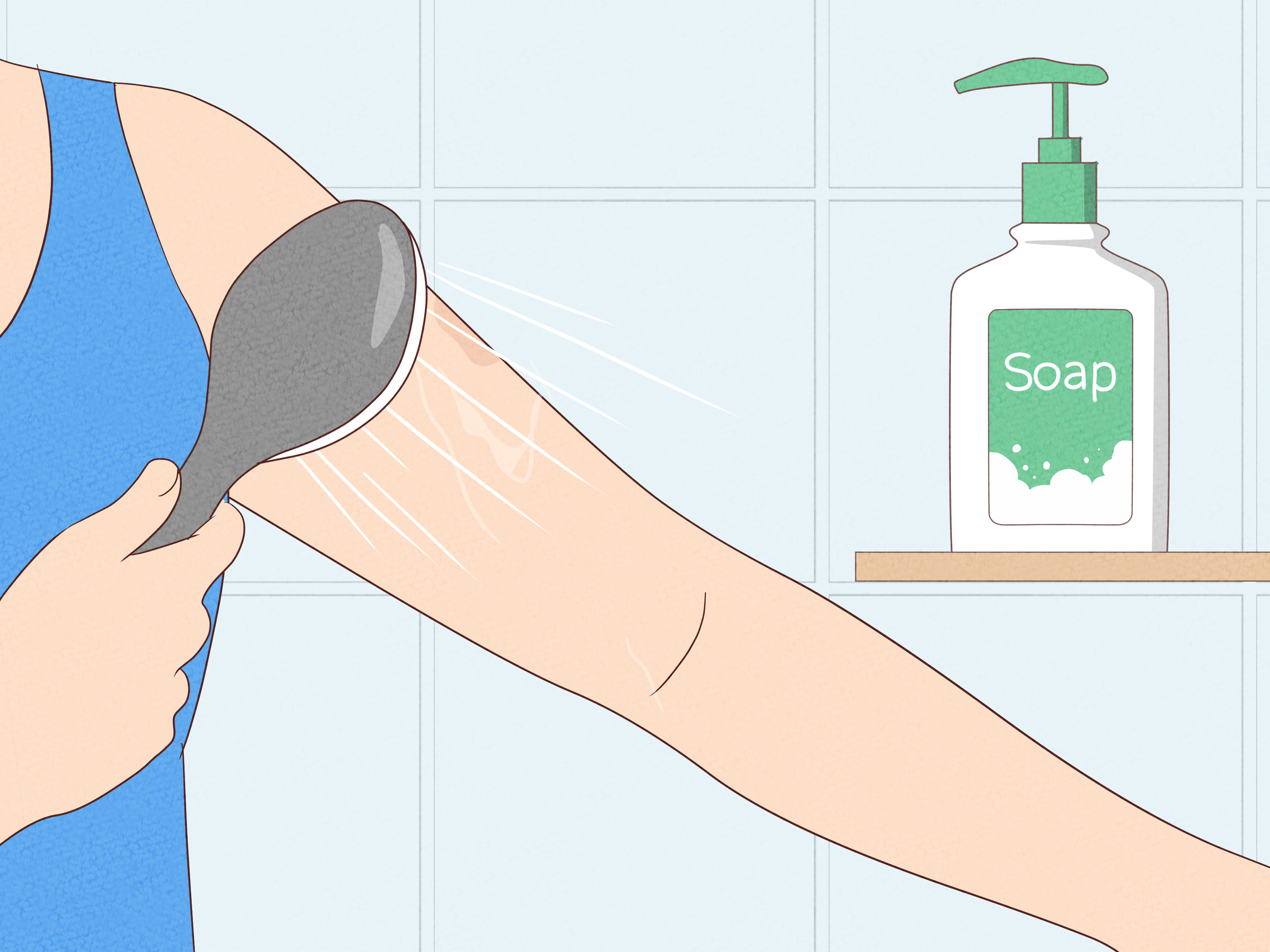
Warm water is the best first move because it is inexpensive, widely available, and less likely to irritate intact skin. Moisture can weaken many common bandage adhesives and soften dried residue. This method works especially well for standard adhesive bandages that have been worn for a day or two.
How to Remove the Bandage With Water
- Soak the bandaged area in warm water for several minutes, or hold a warm, wet washcloth over the bandage.
- Lift one corner gently. If it resists, add more water rather than pulling harder.
- Support the skin with one hand while peeling the bandage back with the other.
- Pull slowly, keeping the bandage low and nearly parallel to the skin instead of lifting straight upward.
- Wash the surrounding intact skin with mild soap and water, then pat it dry.
Peeling close to the skin matters. Pulling upward concentrates force on a small area and can tug on hairs and skin cells. Rolling the adhesive back over itself spreads the force more gradually. Think “low and slow,” not “rip and regret.”
When This Method Works Best
Warm water is useful for children, people with sensitive skin, and anyone removing a small everyday bandage. A shower can be convenient because the water runs over the adhesive while you gently work up an edge. For an upper-arm bandage or another area that cannot be soaked, a wet compress provides the same basic effect.
Do not scrub aggressively around a fresh wound. If the residue does not come away with light washing, leave it for the next method. A little harmless stickiness is preferable to a shiny red patch created by enthusiastic friction.
Method 2: Dissolve Sticky Residue With Oil or Petroleum Jelly
Oil-based products can loosen the bond between adhesive residue and the outer surface of the skin. Baby oil and mineral oil are popular because they spread easily. Petroleum jelly stays in place longer, which can be helpful on a small, stubborn patch. An oil-based cream may also work when you need something gentle and less drippy.
How to Use an Oil-Based Product
- Confirm that the skin is intact and that the product will not run into the wound.
- Apply a small amount of baby oil, mineral oil, petroleum jelly, or oil-based cream to the adhesive residue.
- Let it sit for five to ten minutes so the residue can soften.
- Massage the area lightly with a fingertip, cotton pad, or soft cloth.
- Roll the softened adhesive into small pieces rather than scraping it off.
- Wash the intact skin with mild soap and warm water, then pat it dry.
If the bandage itself is still attached, apply oil along the exposed adhesive edge and allow it to work underneath as you peel. Move a few millimeters at a time. Add more oil whenever the bandage begins fighting back like it has signed a long-term lease.
Choose Simple, Fragrance-Free Products
Fragrance-free mineral oil or plain petroleum jelly is generally a better choice than a heavily scented body oil. Fragrance, essential oils, and botanical ingredients can irritate sensitive or recently covered skin. Cooking oils may loosen residue, but they are messier and are not ideal near a healing wound.
Before using any product over a large area, test a small amount on nearby intact skin. Stop if you develop burning, intense itching, swelling, or worsening redness.
When Not to Use Oil
Do not use oil to loosen surgical glue or wound-closure strips. Oils and ointments can weaken medical adhesives that are supposed to remain attached. Also avoid placing oil beneath a new bandage unless its instructions allow it. Oily skin can prevent a replacement dressing from sticking securely.
Method 3: Use a Medical Adhesive Remover
When warm water and oil are not enough, a medical adhesive remover can make the job faster and gentler. These products are sold as wipes, pads, or sprays and are designed to release medical tapes, dressings, monitoring electrodes, ostomy barriers, and similar adhesives from intact skin.
Many modern adhesive removers use silicone-based formulas that evaporate quickly and leave little residue. They can be particularly helpful when frequent bandage changes have made the skin tender or when a large adhesive dressing must be removed.
How to Use an Adhesive Remover Safely
- Read the label and confirm that the product is intended for use on human skin.
- Test a small area if you have sensitive skin or a history of adhesive reactions.
- Apply the remover at the edge of the tape or directly to leftover residue.
- Wait for the amount of time stated on the package.
- Peel the adhesive back slowly while applying more remover along the release line.
- Clean and dry the skin as directed before applying another dressing.
A product labeled as a medical adhesive remover is not the same thing as a household sticker remover. Products intended for countertops, automotive parts, craft projects, or tools may contain solvents that should not touch skin. Your epidermis is not a kitchen cabinet, even if both currently have mystery glue on them.
Who May Benefit Most
Medical adhesive remover is especially useful for people who frequently wear glucose monitors, heart-monitor electrodes, ostomy products, athletic tape, transdermal patches, or repeated wound dressings. It may reduce the rubbing and pulling that can damage fragile skin.
Older adults, infants, people receiving long-term medical care, and anyone with a history of skin stripping should ask a clinician about low-trauma adhesives, silicone dressings, or protective barrier films.
What You Should Not Use on Bandage Adhesive
Some substances can dissolve glue but are too harsh for routine skin care. Nail polish remover and acetone can dry and irritate skin, and they should never be used near an open wound. Household adhesive removers, paint thinner, gasoline, and industrial solvents are obvious no-go choices.
Rubbing alcohol may remove certain residues, but it can sting, dry the skin, and worsen irritation. It is not the preferred first option, especially on sensitive, cracked, freshly shaved, or inflamed skin.
Also skip razors, tweezers, fingernails, rough exfoliating gloves, pumice stones, and abrasive scrubs. Scraping may remove the glue, but it can remove healthy skin as well. If residue remains after one gentle session, moisturize the intact skin and try again later. Adhesive often becomes easier to remove as natural skin oils and ordinary washing loosen it.
How to Reduce Pain While Peeling Off a Bandage
Technique can matter as much as the product you choose. Hold the nearby skin flat with one hand. With the other, peel the bandage in the direction of hair growth and keep it close to the surface. Work slowly around curved areas such as knees, elbows, and ankles, where the adhesive may grip unevenly.
Do Not Pull the Bandage Straight Up
Pulling straight upward stretches the skin and increases discomfort. Instead, fold the loosened edge backward and pull it over the remaining bandage. This low-angle approach helps separate the adhesive gradually.
Make Removal Easier for Children
For a child, explain what you are doing before touching the bandage. A distraction, slow breathing, or removal during a bath may help. Letting the child hold the washcloth or choose which corner to start with can provide a sense of control.
Avoid promising that it will not hurt at all. “We’ll make it as gentle as possible” is more honest and less likely to trigger a tiny courtroom drama afterward.
Consider a Different Bandage Next Time
If adhesives repeatedly cause pain or rashes, consider a nonstick gauze pad held in place with paper tape, a silicone-based dressing, or another hypoallergenic option recommended by a healthcare professional. Rotate placement when possible, and do not apply tape repeatedly to already irritated skin.
Is It an Adhesive Allergy or Simple Irritation?
Redness shaped exactly like the bandage may be caused by moisture, friction, prolonged contact, trapped sweat, or skin stripping. These problems are examples of irritation rather than a true allergy.
Allergic contact dermatitis is also possible. It may cause intense itching, swelling, bumps, scaling, cracking, or blisters. The reaction may appear several hours or days after exposure and can sometimes spread beyond the original adhesive area.
Remove the suspected product gently and wash intact skin with mild soap and water. Do not immediately cover the same irritated area with another strongly adhesive bandage. If the wound still requires protection, ask a pharmacist, nurse, or doctor about nonadhesive gauze or a lower-irritation alternative.
When a Skin Reaction Needs Medical Attention
Seek medical advice if the rash is severe, spreads, forms blisters, drains fluid, becomes increasingly painful, or does not improve. Trouble breathing, facial swelling, dizziness, or widespread hives require urgent medical care.
When to Call a Healthcare Professional
Get medical help if removing the bandage causes the wound to reopen, bleeding will not stop, or a large area of skin peels away. Contact a clinician for increasing redness, warmth, swelling, pus, fever, red streaks, worsening pain, or an unpleasant odor. These signs may indicate infection or a significant skin injury.
People with diabetes, poor circulation, fragile skin, immune suppression, or chronic wounds should be especially cautious. Even a small skin tear can heal slowly. When in doubt, leave a prescribed dressing alone and ask the medical team that applied it.
Practical Experiences: What Usually Works in Real Life
The most useful lesson from repeated bandage changes is that patience beats strength. Many people begin by grabbing one corner and pulling upward. That works perfectly in commercials, where everyone has hairless arms and suspiciously cheerful skin. In real life, the adhesive often holds more firmly at the edges, especially after sweat, showering, or several days of wear. Softening the bandage first can turn a painful two-minute struggle into a calm five-minute process.
For a small bandage after a blood test, warm water is usually enough. Holding a wet washcloth over the area while brushing your teeth is an easy routine. By the time you finish, the edges often lift with much less resistance. Supporting the skin beside the tape makes a noticeable difference, particularly on the inner arm, where the skin is thin and sensitive.
Oil is most helpful when the bandage is gone but a gray, lint-covered rectangle remains. That residue can survive ordinary soap and collect fuzz from clothing with impressive determination. A small amount of mineral oil or petroleum jelly, left in place for several minutes, often allows the glue to roll into soft little clumps. The temptation is to rub harder when nothing happens immediately. Waiting is usually more effective than scrubbing.
Children often react to anticipation more than the actual removal. Letting a child help press the warm washcloth, choose which corner to start with, or hold the cotton pad can give them a sense of control. Removing the bandage during a bath may also reduce fear because the process feels less clinical. The best strategy is steady and predictable: explain, soften, peel slowly, and pause if the skin stretches.
Hairy areas present their own comedy. Pulling against hair growth can make a tiny adhesive strip feel like a full-body waxing appointment. Peeling in the direction the hair lies, while keeping the tape flat, reduces tugging. For recurring medical patches, trimming long hair with clippers before application may be more comfortable than shaving, which can leave tiny cuts and irritation. Always follow the device instructions because some patches require specific placement.
After surgery, the experience is different because not every sticky-looking material should come off. Patients sometimes mistake clear skin glue or narrow closure strips for leftover tape. The safest habit is to compare the site with the discharge instructions before applying oil or remover. If the instructions say the material should fall off naturally, hands off. The skin may look untidy for a few days, but an untidy incision is better than a reopened one.
People who use medical adhesives regularly often find that prevention matters more than cleanup. Rotating application sites, avoiding irritated areas, using the correct removal technique, and choosing low-trauma products can reduce cumulative damage. A skin barrier product may be appropriate for some devices, but it must be compatible with the adhesive and approved by the healthcare team. Otherwise, the patch may fail early, creating an entirely different sticky situation.
The final practical rule is simple: stop when the skin tells you to stop. Burning, sharp pain, fresh bleeding, blistering, or visible skin lifting are not invitations to try harder. Add more warm water or adhesive remover, pause, and seek professional advice if the dressing is medically important. Successful adhesive removal should leave the skin cleaner, not looking as though it lost an argument with sandpaper.
Conclusion
To remove bandage adhesive from skin, begin with warm water and mild soap, move to a small amount of oil or petroleum jelly for stubborn residue, and use a medical adhesive remover when you need a purpose-made option. Whatever method you choose, peel low and slow, support the skin, and keep products out of open wounds.
Do not remove surgical glue or wound-closure strips before they are ready, and avoid harsh household solvents. If the skin becomes blistered, raw, increasingly red, or painful, stop home treatment and contact a healthcare professional. The goal is not merely to defeat the glue. It is to finish with healthy skin still attachedwhich, frankly, is a very reasonable standard.