

If you have ever pulled a bright red shirt out of the wash and discovered it has lovingly adopted your white socks, congratulations: you have experienced laundry betrayal. It is one of the least glamorous plot twists in domestic life. The good news is that keeping clothes colorful is not magic, and it does not require secret potions mixed under a full moon. The better news is that most color-setting advice can be simplified into a few practical methods that actually work.
When people talk about how to “set colors in clothes,” they usually mean one of two things: either they want to lock in dye after dyeing fabric, or they want to prevent store-bought garments from bleeding, fading, or turning the rest of the laundry into accidental tie-dye. Those are related problems, but they are not exactly the same. And that distinction matters, because the fix for freshly dyed cotton is not always the same fix for your brand-new navy T-shirt.
In this guide, we will cover three realistic ways to set colors in clothes, keep them looking sharp, and reduce the odds of laundry disasters. Along the way, we will also clear up some popular myths, explain when vinegar and salt help, and show you how to treat your colorful wardrobe like it is important enough to survive another season.
Why Clothes Lose Color in the First Place
Before we get into the three methods, it helps to understand the villain of the story. Color loss usually happens because loose dye molecules are not fully bonded to the fabric, or because washing and drying conditions are simply too harsh. Hot water, heavy agitation, strong detergents, crowded loads, and high dryer heat can all make clothes release dye faster or look faded sooner.
Some fabrics are more likely to bleed than others. Dark denim is famous for it. Bright reds, blacks, and richly dyed blues also have a reputation for making laundry day more exciting than anyone asked for. New garments are especially risky, because extra dye can still be lingering near the surface of the fabric. In other words, your new shirt may look confident, but underneath it is emotionally unstable.
That is why color care is not just about a single miracle trick. It is about choosing the right method based on whether the item is freshly dyed, newly purchased, or already part of your regular wardrobe.
Way #1: Use a Commercial Dye Fixative When the Garment Truly Needs Color Locking
Best for freshly dyed clothing and stubborn bleeding items
If you have dyed fabric at home or you have one problem child garment that keeps bleeding every time it sees water, a commercial dye fixative is the closest thing to a real “set it and forget it” solution. This is the most direct method because it is designed specifically to help loose dye bind more effectively and reduce bleeding in future washes.
Now for the important reality check: a dye fixative is not always necessary for every item in your closet. It makes the most sense for garments you have recently dyed yourself, tie-dye projects, craft fabrics, or select commercially dyed items that keep releasing color. If your T-shirt bled once because it was new, you probably do not need to stage a full chemistry experiment in the laundry room.
To use this method well, always read the garment’s care label and the fixative instructions carefully. Different fibers behave differently, and natural fibers such as cotton, linen, rayon, silk, and wool often respond differently from synthetics. In general, the process involves soaking the item in the fixative solution after dyeing or before normal laundering, then rinsing and washing as directed.
The major advantage of this method is that it targets the actual dye issue instead of just trying to manage the symptoms. That makes it especially useful if you create custom clothing, refresh faded fabric with dye, or work on sewing projects that need reliable color retention.
Here is the catch: not every online “hack” works like a true fixative. Many people still swear by soaking clothes in salt or vinegar. That advice has been around forever, mostly because it sounds old-fashioned and wise, like something your grandma would say while folding towels with moral authority. But for already-dyed store-bought clothing, salt or vinegar is not a dependable substitute for a real dye-setting product.
There is one nuance, though. Salt or vinegar can play a role during the dyeing process for certain fibers, depending on the dye method and fabric type. That is different from saying they can rescue every commercially dyed garment after the fact. Think of it this way: adding seasoning while cooking is not the same as throwing salt on a burnt casserole and hoping for redemption.
Way #2: Wash New and Bright Clothes Like They Have Trust Issues
Best for everyday store-bought clothing
If your goal is to set colors in clothes you bought from a store, the smartest method is not dramatic. It is strategic. The first few washes matter most, because new clothing often releases excess dye early on. That means the way you wash a garment can make a big difference in whether the color stays where it belongs.
Start by sorting clothes properly. Yes, it is basic. Yes, it is still worth doing. Separate whites, lights, darks, and heavily saturated colors. If you have a new red shirt, dark jeans, or a black hoodie that looks suspiciously intense, wash it separately or with similar colors the first few times. This single habit prevents a ridiculous number of regrets.
Next, use cold water. Cold water is gentler on dyes than hot water and is one of the easiest ways to reduce bleeding and fading. For darks and bright colors, it is usually the safest starting point unless the care label says otherwise. Hot water may feel like it is working harder, but in many cases it is just making the color more willing to leave the building.
Turn garments inside out before washing. This helps protect the outer surface from friction, which is one of the biggest reasons clothes start looking dull. The color is still there, but the finish begins to look tired, like it stayed up too late binge-watching a show and now has no sparkle left.
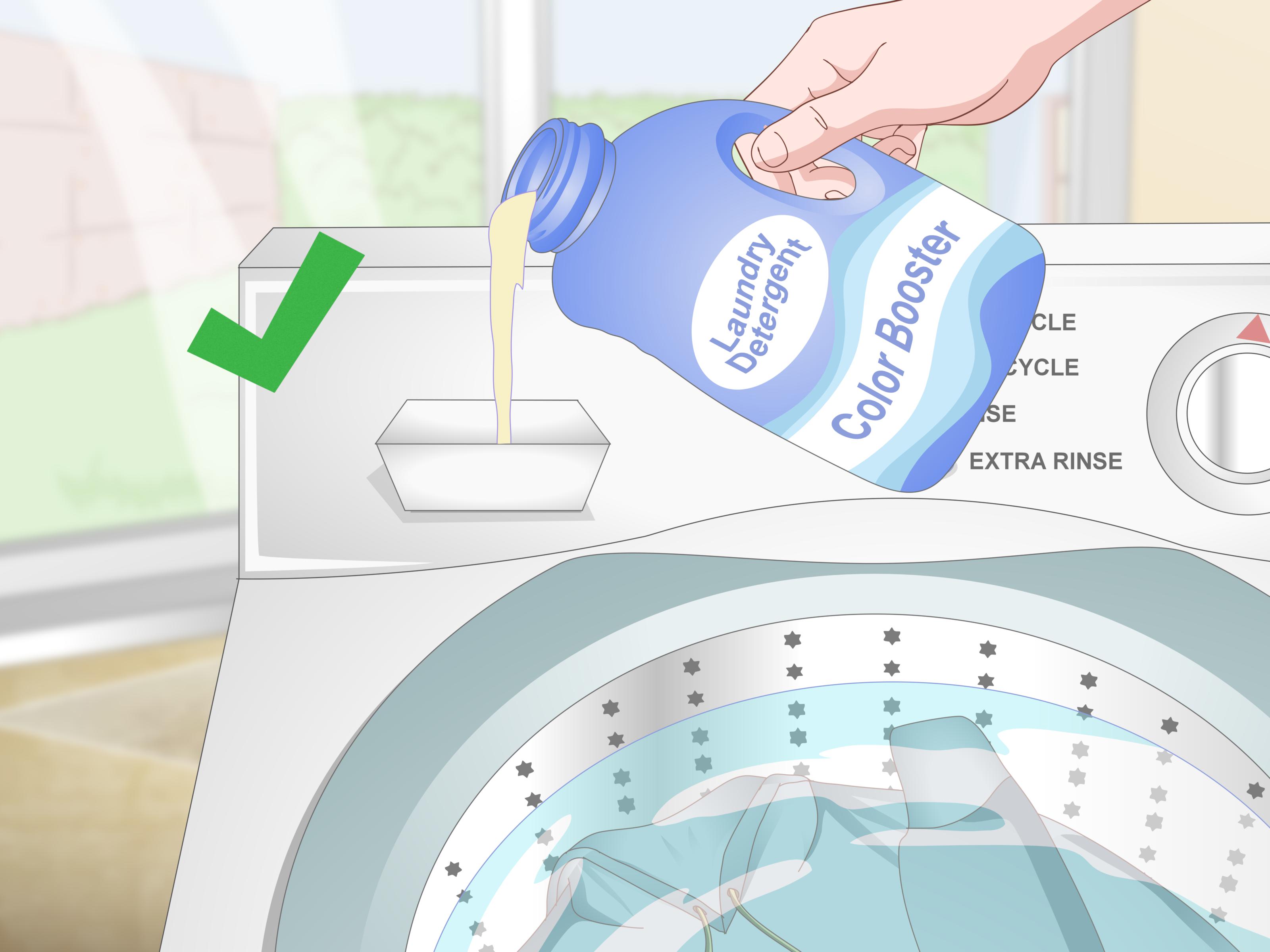
Use a detergent that is appropriate for colored clothing, and avoid pouring in more than you need. Too much detergent can leave residue, and residue can make clothes look dingy rather than vibrant. Gentle laundering is usually better than trying to scrub color into submission.
Another smart move is to test for colorfastness if you suspect an item may bleed. Dampen a hidden area, press it with a white cloth, and see whether dye transfers. It takes less than a minute and can save an entire load of laundry from becoming a tragic pastel experiment.
If you are especially worried about a new garment, consider washing it alone for the first one to three cycles. That may feel annoyingly cautious, but it is far less annoying than explaining to your household why everything is now lightly pink.
Way #3: Preserve Color With Better Drying and Long-Term Fabric Care
Best for keeping clothes vibrant over time
Color setting is not only about the wash. Drying and daily clothing care matter just as much. In fact, some garments do not lose their color in one dramatic moment. They fade little by little through heat, sunlight, abrasion, and overwashing. This method is less about locking in dye once and more about defending your wardrobe from slow, boring destruction.
The first rule is simple: do not over-dry your clothes. High dryer heat is rough on fibers and can speed up fading. If the care label allows machine drying, use lower heat when possible. Better yet, air-dry delicate or richly colored items. That gives fabric a gentler exit from laundry day and helps maintain both shape and color.
Keep darks and brights out of strong direct sunlight for long periods when air-drying. Fresh air is lovely. Harsh sun is less lovely when your black shirt starts drifting into “mysterious charcoal gray.” Hang garments in shade or indirect light when possible.
Wash colorful items only as often as they actually need it. Not every piece of clothing needs immediate laundering after a single short wear. Overwashing creates extra friction and repeated exposure to water, detergent, and motion. If the item is clean, not sweaty, and not stained, it may only need to be aired out and reworn.
Also think about what the garment rubs against. Heavy zippers, rough fabrics, overloaded washer drums, and crowded dryer loads can all wear away the finish of a colorful garment. Give clothes a little space. Laundry is not a mosh pit.
Finally, read care labels like they contain valuable secrets. Because they do. Some fabrics want cold water and a gentle cycle. Others prefer hand washing. Some can handle low heat, while others would rather file a formal complaint. The label is not being bossy. It is trying to save you money.
What About Vinegar and Salt?
This question shows up every time the topic comes up, so let us settle it without starting a family argument. Vinegar and salt are not reliable miracle solutions for setting the color in already-dyed commercial clothing. They may help in specific dyeing processes with certain fibers, but they are not universal fixes for everyday laundry.
That means if you bought a shirt at the mall and it bleeds in the wash, soaking it in vinegar may not solve the root problem. The better response is usually to wash it separately, use cold water, test for colorfastness, or apply a real dye fixative if the garment keeps bleeding and is worth the effort.
In other words, vinegar and salt are supporting actors, not the superhero leads. Useful in the right scene. Overhyped in the wrong one.
Common Mistakes That Make Colors Fade Faster
- Washing darks and whites together because you were “feeling lucky.”
- Using hot water on bright clothes without checking the label.
- Skipping the inside-out step for dark or printed garments.
- Overstuffing the washer so clothes grind against each other.
- Using too much detergent and leaving residue behind.
- Blasting everything on high dryer heat.
- Treating every internet laundry hack like it came down from the mountain on stone tablets.
Which of the 3 Ways Is Best?
The best method depends on the garment and the problem you are trying to solve.
If you have freshly dyed fabric or a garment that repeatedly bleeds, use a commercial dye fixative. If you are dealing with brand-new store-bought clothes, focus on smart washing habits such as sorting, cold water, inside-out washing, and early colorfastness testing. If your clothes are not bleeding but are slowly looking washed-out and tired, improve your drying and long-term care routine.
Most people do best when they combine all three approaches in the right situations. That is the real secret. Laundry is not won by one clever trick. It is won by consistent, slightly boring decisions that stop your clothes from aging like old receipts.
Real-Life Experiences With Setting Colors in Clothes
One of the most common experiences people have with setting colors in clothes starts with overconfidence. A person buys a new pair of dark jeans, tosses them in with a mixed load, and assumes modern civilization has solved color bleeding by now. Then the load comes out looking like everyone attended the same navy-blue family reunion. That moment tends to convert people into careful sorters very quickly.
I have seen the same pattern with bright summer clothes, especially reds and jewel tones. They look cheerful on the rack, but during the first wash they behave like tiny color revolutionaries. The people who have the best outcomes are usually not doing anything dramatic. They simply wash those pieces alone, use cold water, turn them inside out, and avoid rushing everything into a high-heat dryer. It is not glamorous, but it works.
Another common experience happens with handmade or freshly dyed items. People spend time creating custom shirts, tie-dye projects, or refreshed vintage pieces, and then panic because they are afraid the first rinse will wash all that effort away. In those situations, using a real dye fixative tends to feel like the grown-up move. It gives the project a better chance of staying vibrant, and it reduces that nervous feeling that the garment is one rinse away from becoming a pale memory.
There is also a very human tendency to believe that an old home remedy must be correct because it has survived for generations. Plenty of people try vinegar or salt first because it sounds simple, cheap, and delightfully old-school. Sometimes they believe it worked, but often what actually helped was gentler washing afterward, fewer mixed loads, or pure luck. The experience teaches an important lesson: laundry myths survive because they are memorable, not because they are always reliable.
One especially relatable experience is discovering that fading is often a slow-motion problem rather than a one-time disaster. A black T-shirt may never bleed dramatically, yet after months of warm washes, heavy detergent, and hot drying, it starts looking tired and gray. That kind of fading sneaks up on people. Then once they switch to colder washes, gentler cycles, and lower drying heat, they notice newer clothes stay sharper much longer.
Many people also learn that “washing less” can be surprisingly effective. Once they stop laundering every lightly worn item immediately, colors last longer and fabrics look better. It feels almost rebellious at first, like breaking a rule. But for many garments, especially jeans, sweaters, and outer layers, less frequent washing can be part of a smarter color-care routine.
Perhaps the most universal experience is the moment someone realizes that color care is really about paying attention. The people who keep their clothes looking good are not laundry wizards. They just notice which items bleed, which fabrics fade, and which habits cause trouble. After a few mistakes, they build a routine that fits their wardrobe. And that is the comforting part: even if you have already turned one sock load pink, you are still only a few better habits away from laundry redemption.
Conclusion
If you want to set colors in clothes, start by matching the method to the garment. Use a commercial dye fixative for freshly dyed or persistently bleeding items. Wash new and richly colored clothes with cold water, similar shades, and a little extra caution. Then protect color for the long haul by drying gently, washing less often, and following care labels like they are tiny legal documents from the fabric universe.
No single trick will save every garment, but smart laundry habits will save a lot of them. And that is really the goal: brighter clothes, fewer surprises, and a laundry basket that feels slightly less like a gamble.