

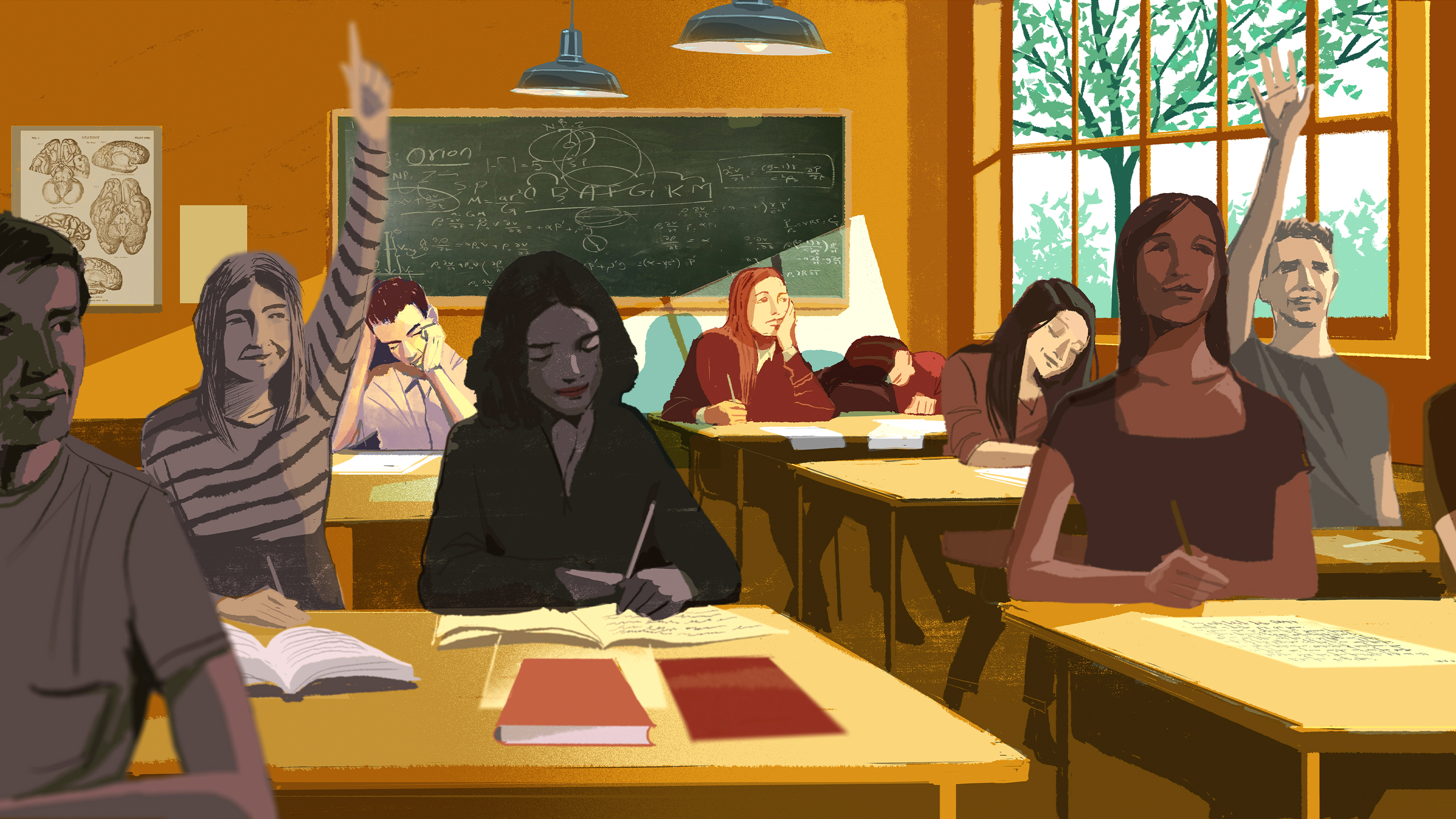
Every teacher eventually meets a student who looks at an assignment as if it just insulted their grandmother. The directions are clear. The pencils are sharp. The class is moving. And one student has entered full statue mode: arms crossed, paper blank, expression set to “absolutely not.”
Work refusal in the classroom can be frustrating, especially when it interrupts learning, slows down routines, or feels personal. But here is the important truth: refusal is usually not the real problem. It is a signal. A student who refuses to work may be avoiding failure, anxiety, embarrassment, boredom, confusion, sensory overload, a power struggle, or a task that feels impossible. In other words, the blank worksheet is often telling a story before the student is ready to tell it out loud.
Addressing work refusal in the classroom requires more than repeating, “You need to get started.” If that worked, teachers would have solved the problem before lunch on the first Monday of September. Effective support combines calm responses, clear expectations, relationship-building, student choice, academic scaffolding, and consistent follow-through. The goal is not to “win” against the student. The goal is to help the student re-enter learning with dignity, skills, and a path forward.
What Is Work Refusal in the Classroom?
Work refusal happens when a student avoids, delays, ignores, rejects, or shuts down in response to an academic task. It may look quiet, loud, dramatic, or almost invisible. One student tears up a worksheet. Another puts their head down. Another jokes with friends until the assignment disappears into the fog. Another says, “I don’t care,” which often means, “I care so much that failing would feel unbearable.”
Work refusal is different from occasional procrastination. Everyone has days when their motivation is running on one tired AA battery. A pattern of refusal, however, deserves closer attention. If a student frequently avoids writing, refuses math, skips independent work, melts down during transitions, or submits almost nothing despite being present, the behavior is communicating a need.
Many behavior specialists recommend looking at the function of the behavior. In plain English: What is the student getting or avoiding by refusing? Common functions include escaping a difficult task, gaining adult attention, avoiding peer judgment, controlling an overwhelming situation, or delaying work that triggers anxiety. Once teachers understand the function, they can choose a response that actually fits.
Why Students Refuse to Work
1. The Assignment Feels Too Difficult
A student may refuse because the task is beyond their current skill level. This is especially common when students have gaps in reading, writing, math, executive functioning, language processing, or organization. If a child cannot decode the paragraph, plan the essay, remember multi-step directions, or start without a model, refusal may be self-protection. “I won’t do it” feels safer than “I can’t do it.”
2. The Student Fears Failure
Some students would rather look defiant than look unsuccessful. This is especially true for students who have experienced repeated academic failure. A blank page can feel like a public scoreboard. Refusal becomes armor. Unfortunately, it is armor made of cardboard: it protects the student for a moment but blocks learning over time.
3. The Work Feels Meaningless
Students are more likely to engage when work feels purposeful, appropriately challenging, and connected to their lives. If assignments feel like endless compliance exercises, some students unplug. This does not mean every lesson needs fireworks, a fog machine, and a theme song. It does mean students benefit from understanding why the work matters and having some voice in how they complete it.
4. The Student Wants Control
Children and teenagers spend much of the school day being told where to sit, when to talk, what to read, how to line up, and when they may use the restroom. For some students, refusal becomes one of the few ways to feel powerful. A teacher who enters a power struggle may accidentally make refusal more rewarding. The student thinks, “Finally, I found the button that controls the room.”
5. Anxiety, Stress, or Trauma Is Getting in the Way
Work refusal may be connected to anxiety, school avoidance, bullying, family stress, grief, depression, perfectionism, or trauma. A student who seems unmotivated may actually be overwhelmed. When stress rises, the brain is not in its best “let’s compare fractions” mode. It is in survival mode, and survival mode is notoriously bad at completing graphic organizers.
6. The Classroom Environment Is Too Stimulating
Noise, bright lights, crowded spaces, peer conflict, unpredictable routines, and rapid transitions can trigger refusal. Some students need environmental adjustments before they can access the task. A calmer seat, a visual checklist, noise reduction, or a predictable start routine can make a bigger difference than another lecture about responsibility.
A Practical Response Plan for Work Refusal
Step 1: Stay Calm and Avoid the Public Showdown
The first rule of work refusal is simple: do not turn the assignment into a courtroom drama. Public confrontation often increases shame and resistance. Instead of saying, “Why aren’t you working?” across the room, try a quiet, neutral approach.
Useful phrases include:
- “I can see getting started is hard right now. Let’s do the first one together.”
- “You have two options: write three bullet points or talk me through your idea first.”
- “Take one minute, then choose where you want to begin.”
- “I’m going to check on two students, then I’ll come back and help you start.”
The tone matters. Calm does not mean weak. Calm means the adult is steering the bus, not wrestling the steering wheel from row four.
Step 2: Reduce the Starting Line
Many students refuse because the task feels too big. Lower the barrier to entry without lowering the learning goal. Ask for the first sentence, the first problem, the first sketch, the first underline, or the first two minutes. Momentum often matters more than motivation. Students do not always feel ready before they begin; sometimes they feel ready because they began.
For example, instead of “Complete the whole worksheet,” say, “Circle the three problems you think you can try first.” Instead of “Write your essay,” say, “Write one claim. It does not have to be fancy. We are building the house, not choosing curtains yet.”
Step 3: Offer Controlled Choices
Choice is one of the most effective tools for addressing work refusal in the classroom. The key is to offer choices that are acceptable to the teacher and meaningful to the student. Avoid fake choices like, “Do you want to do the work or get a zero?” That is not choice; that is a threat wearing a tiny mustache.
Better options include:
- “Do you want to start with the odd problems or the even problems?”
- “Would you rather type or handwrite?”
- “Do you want to work at your desk or the side table?”
- “Would you like to show learning through a paragraph, diagram, or short presentation?”
- “Do you want help now or after you try number one?”
Controlled choices protect the learning target while giving the student a sense of agency. This is especially helpful for students who refuse when they feel trapped.
Step 4: Teach the Missing Skill
If refusal is caused by a skill gap, consequences alone will not solve it. A student who cannot organize ideas needs instruction in planning. A student who freezes during independent work may need a checklist. A student who refuses group projects may need social scripts, role clarity, or practice asking for help. Behavior support and academic instruction should work together, not live in separate filing cabinets.
Teachers can ask, “What skill would make this task possible?” The answer might be decoding, note-taking, emotional regulation, time management, flexible thinking, sentence starters, or simply knowing what “analyze” means. Academic vocabulary has taken down many brave students.
Step 5: Reinforce Attempts, Not Just Completion
Students with a history of refusal need to experience success early and often. Praise should be specific and connected to behavior: “You started with the first sentence even though it felt hard,” or “You asked for help instead of shutting down.” This kind of feedback teaches students what to repeat.
Reinforcement does not have to be candy, stickers, or a classroom economy complex enough to require a tax accountant. Attention, encouragement, quick progress checks, choice time, leadership roles, and visible progress tracking can all reinforce engagement.
What to Do Before Work Refusal Happens
Create Predictable Routines
Predictability lowers anxiety. When students know how class begins, how materials are used, how to ask for help, and what to do when stuck, there are fewer moments where refusal can sneak in wearing tap shoes. Post directions, model routines, practice transitions, and revisit expectations after breaks.
Use Precorrection
Precorrection means noticing when refusal is likely and giving support before the behavior appears. If a student often refuses after lunch, before writing, or during long independent tasks, prepare the path. A teacher might say, “Today’s writing task has three steps. I’ll help you start step one before independent work begins.” This is not giving special treatment; it is preventing a predictable pothole.
Build Relationships Before You Need Them
Students are more likely to accept redirection from adults who know them beyond their missing assignments. A two-minute conversation about soccer, art, video games, pets, music, or weekend plans can create emotional credit. Later, when the teacher says, “I know you can get started,” the student hears it differently.
Design Work That Allows Entry Points
Classroom tasks should include ways for students at different readiness levels to begin. This might include sentence frames, worked examples, vocabulary previews, graphic organizers, partner rehearsal, visuals, chunked directions, or extension options. Differentiation is not making thirty different lesson plans. It is building enough ramps so more students can enter the work without needing a rescue helicopter.
What to Do During the Refusal Moment
When a student refuses, the teacher’s job is to reduce escalation and preserve the possibility of learning. A useful sequence is: pause, approach privately, validate briefly, offer a small next step, give time, and return.
For example: “I can tell this is not working for you yet. Start by highlighting the directions. I’ll come back in two minutes, and we’ll choose the first problem together.” Then walk away. That final part is important. Standing over a student can turn support into pressure. Nobody does their finest thinking while being watched like the last slice of pizza.
If the student continues to refuse, avoid repeated verbal demands. Repeating the same instruction louder rarely unlocks a new part of the brain. Instead, provide a clear, calm limit: “The work still needs to be attempted. You can begin here or at the support table. I’ll help either way.” Then follow the classroom plan consistently.
What to Do After the Refusal
The best time to solve work refusal is usually not during the refusal. After the student is calm, have a brief problem-solving conversation. Keep it respectful and specific.
Try questions such as:
- “What part made it hard to start?”
- “Was the work confusing, too long, boring, stressful, or something else?”
- “What can we try next time before you get stuck?”
- “What signal can you use when you need help but do not want attention?”
- “What is one part of the assignment you can complete today?”
The conversation should end with a plan, not a sermon. A plan might include a help card, a reduced first chunk, a timer, a partner preview, a different seat, or a check-in at the start of class.
Examples of Work Refusal and Teacher Responses
Example 1: The Student Who Says, “This Is Stupid”
A seventh grader refuses a writing prompt and announces, “This is stupid.” Instead of debating the literary value of the prompt like a tiny courtroom attorney, the teacher responds privately: “You may not like the prompt. You still need to show the skill. Choose one: write about this topic, connect it to a topic you care about, or record your first idea before writing.” The teacher validates the feeling but keeps the learning expectation.
Example 2: The Student Who Puts Their Head Down
A student shuts down during math. The teacher quietly places a sticky note on the desk: “Try #1 only. I’ll check back.” The student lifts their head after a minute and attempts the first problem. The teacher praises the start: “That was the hardest part. Keep going with #2, or call me over.” The task becomes manageable instead of monstrous.
Example 3: The Student Who Argues
A student tries to pull the teacher into a debate: “Why do we even need this?” The teacher answers briefly: “Today we’re practicing evidence because strong arguments need proof. You can choose article A or B.” Then the teacher moves on. The response is short, respectful, and not available for a 14-minute detour.
When Work Refusal Requires a Team Approach
If work refusal is frequent, intense, or connected to emotional distress, it should not rest on one teacher’s shoulders. A team approach may include classroom teachers, special educators, counselors, school psychologists, administrators, family members, and the student. The team can review patterns, identify triggers, examine academic data, and decide whether additional supports are needed.
For students with disabilities or suspected disabilities, schools may need to consider accommodations, behavior intervention supports, or evaluation procedures consistent with applicable laws and school policies. Supports might include modified workload, extended time, assistive technology, checklists, breaks, alternative response formats, or a formal behavior plan. The key is to match support to need, not to guess and hope the copier jams before the next worksheet.
Common Mistakes to Avoid
Mistake 1: Taking Refusal Personally
Work refusal can feel disrespectful, but responding from hurt or anger usually escalates the problem. The student is not necessarily rejecting the teacher. Often, the student is rejecting shame, confusion, fear, or overload.
Mistake 2: Using Only Punishment
Consequences may be necessary, but punishment without instruction rarely builds missing skills. If a student refuses because writing is hard, detention does not teach paragraph structure. If a student refuses because anxiety is high, a zero may confirm the fear that school is unsafe.
Mistake 3: Rescuing Too Much
On the other hand, removing every difficult task can accidentally teach students that refusal works. The better move is to reduce the barrier while keeping the expectation. Help the student start, adjust the pathway, and maintain the learning goal.
Mistake 4: Ignoring Small Attempts
Students who refuse work may make tiny attempts that adults overlook. A name on the paper, one sentence, one problem, or one question can be the beginning of re-engagement. Notice it. Name it. Build from it.
Experience-Based Lessons From Classrooms
Teachers who have worked through chronic work refusal often describe the same lesson: the first win is not a finished assignment. The first win is a student staying in the room, taking out the paper, answering one question, accepting help, or returning to the task after a break. Progress is often smaller than adults want, but bigger than it looks.
Consider a student who refuses every independent reading response. At first, the teacher assumes the student is being stubborn. After a few private conversations, the real issue appears: the student reads slowly and worries classmates will notice. The teacher begins offering audio support, shorter response chunks, and the option to discuss ideas before writing. The student does not become a reading-response enthusiast overnight. No marching band arrives. But the student begins completing three sentences, then five, then a full paragraph. The refusal was not solved by a louder demand. It was reduced by removing humiliation from the task.
In another common classroom scenario, a student refuses math whenever multi-step problems appear. The student says, “I’m not doing this,” and pushes the paper away. A teacher tries a different approach: the student receives a worked example, a checklist, and permission to complete the first problem with a partner before working independently. The teacher also praises strategy use rather than speed. Over time, the student learns that confusion is not an emergency. That is a major shift. Many students refuse because they interpret struggle as proof that they are bad at the subject. Teachers can help redefine struggle as part of learning, not a flashing neon sign that says “failure.”
Another experience many educators recognize involves students who use humor to avoid work. The class laughs, the task disappears, and the student becomes the mayor of Distractionville. A helpful response is not to crush the humor but to redirect it. The teacher might say quietly, “You are genuinely funny. First finish the opening question, then I want your best example for the discussion.” This preserves the student’s identity while making it clear that comedy is not a substitute for learning. A student who feels seen is more likely to cooperate than a student who feels publicly shut down.
Teachers also learn that family communication works best when it is specific and balanced. Calling home only when refusal happens can make school feel like a complaint factory. A better pattern is to share the concern, describe what has been tried, ask what helps at home, and report small improvements. For example: “Today Jordan started the assignment after choosing to type instead of handwrite. That helped. We are going to try the same support tomorrow.” This kind of message builds partnership instead of panic.
Finally, experienced teachers know that consistency beats intensity. A dramatic one-day intervention rarely changes a long-standing pattern. What helps is a steady routine: greet the student, preview the task, offer a controlled choice, support the first step, reinforce effort, and follow up calmly. The routine may feel ordinary, but ordinary is powerful. Students who refuse work often live in a cycle of conflict and avoidance. Predictable adult support gives them a new script. Over time, “I won’t” can become “I’ll try the first one,” and in many classrooms, that sentence is worth celebrating.
Conclusion
Addressing work refusal in the classroom is not about forcing compliance through bigger threats or softer expectations. It is about understanding what the behavior communicates and responding with skill. Students need calm adults, clear routines, meaningful choices, academic scaffolds, emotional safety, and consistent accountability. They also need teachers who can see beyond the crossed arms and blank page.
When educators treat work refusal as a solvable problem rather than a personal insult, the classroom changes. The teacher becomes less reactive. The student becomes less defensive. The assignment becomes less like a battlefield and more like a bridge. Not every student will engage immediately, and not every strategy will work the first time. But with patience, data, teamwork, and a little well-timed humor, teachers can help more students move from refusal to participation, one manageable step at a time.