

Note: This article is for educational purposes and should not replace care from an exotic-pet veterinarian. Guinea pigs are tiny, dramatic potatoes with delicate bodies, so parasite treatment should be based on an accurate diagnosis and safe dosing.
Guinea pigs are excellent at many things: wheeking for vegetables, judging you from across the room, and turning a cardboard box into prime real estate. Unfortunately, they are also vulnerable to skin parasites, especially mites and lice. These pests may sound like a small nuisance, but in guinea pigs they can cause serious itching, hair loss, scabs, pain, skin infections, weight loss, and in severe mange cases, even seizures or life-threatening illness.
The tricky part is that mites and lice are not the same problem. Lice are insects that can often be seen crawling through the coat or clinging to hair shafts as tiny pale eggs called nits. Mites, on the other hand, may be microscopic. The most concerning guinea pig mite is Trixacarus caviae, a burrowing mange mite that can make a guinea pig intensely itchy and miserable. Another mite, Chirodiscoides caviae, lives on the fur and may cause milder signs. Guinea pig lice, including Gliricola porcelli and Gyropus ovalis, are usually species-specific, meaning they prefer guinea pigs rather than humans, cats, or dogs.
The good news: mites and lice in guinea pigs are treatable. The less-good news: guessing, bathing, spraying random pet-store products, or using dog and cat flea treatments can make things worse. Here are three smart, vet-guided ways to treat mites and lice in guinea pigs while keeping your little hay-powered roommate safe.
Way 1: Confirm the Problem Before Treating It
The first step in treating mites and lice in guinea pigs is knowing what you are dealing with. Hair loss does not automatically mean parasites. Guinea pigs can lose fur from fungal infections such as ringworm, barbering from cage mates, ovarian cysts in female guinea pigs, poor nutrition, wounds, allergies, or bacterial skin infections. Treating the wrong condition wastes time and may allow the real problem to become more painful.
Look for the Signs of Mites
Mites often cause intense itching, scratching, biting at the skin, dandruff-like flakes, crusting, thickened skin, and bald patches. Mange mites can be especially brutal. A guinea pig with mange may act frantic, twitch when touched, squeal in pain, lose weight, or stop eating normally. Some guinea pigs with severe infestations may develop seizures because the itching and discomfort are so extreme.
Because mange mites burrow into the skin, you may not see anything crawling. That is why “I checked and didn’t see bugs” does not rule out mites. Guinea pigs are not being mysterious on purpose; the parasites are simply very good at hiding.
Look for the Signs of Lice
Lice are usually easier to spot. Under bright light, gently part the hair around the neck, ears, shoulders, rump, and back. You may see tiny white, yellowish, or pale moving insects near the skin. You may also see nits attached to hair shafts. Heavy lice infestations can cause scratching, rough coat, hair thinning, scabs, and dry or flaky skin.
Lice may look less dramatic than mange, but they still deserve quick attention. Young, elderly, underweight, pregnant, stressed, or already-sick guinea pigs can struggle more with parasites because their immune systems and grooming habits may not keep the infestation under control.
Get a Veterinary Diagnosis
An exotic-pet veterinarian may diagnose mites or lice through a physical exam, hair examination, tape test, combing, or skin scraping under a microscope. In some cases, mites do not show up easily even with testing, so the vet may diagnose based on symptoms and response to treatment. A vet may also check for ringworm or bacterial infection if the skin is crusty, red, broken, or spreading.
This step matters because guinea pigs are sensitive animals. Many common flea sprays, shampoos, and spot-on products made for cats or dogs are not appropriate for them. A product that is safe for a Labrador is not automatically safe for a two-pound guinea pig who believes lettuce is a personality trait.
Way 2: Use Vet-Approved Parasite Medication Safely
Once mites or lice are suspected or confirmed, treatment usually involves an antiparasitic medication prescribed or recommended by a veterinarian. Common options may include ivermectin, selamectin, moxidectin-based products, or other topical treatments selected by the vet. Because there are few products labeled specifically for guinea pigs, veterinarians often use medications “off-label,” which means they are used in a species or manner not listed on the original product label.
Off-label does not mean reckless. In veterinary medicine, it can be perfectly appropriate when done by a qualified veterinarian using accurate weight-based dosing. The key phrase is accurate weight-based dosing. Guinea pigs should be weighed in grams, not guessed by vibes. A tiny dosing mistake can become a big problem in a small animal.
Treating Mites
For mange mites, veterinarians commonly use ivermectin or selamectin. These medications target the parasites, but treatment often needs to be repeated because parasite life cycles include eggs and immature stages. Your vet will determine the schedule. Do not stop after one treatment just because your guinea pig looks a little less itchy. Parasites love half-finished treatment plans the way guinea pigs love cilantro.
Severely affected guinea pigs may need more than parasite medication. If a guinea pig is weak, dehydrated, not eating, losing weight, or has open sores, the vet may recommend pain control, fluids, nutritional support, antibiotics for secondary infection, or hospitalization. Mange can be intensely painful, so comfort care is not a luxury; it is part of proper treatment.
Treating Lice
Lice treatment may involve topical antiparasitic medication, ivermectin, or another vet-approved product. Since lice and their eggs live on the coat, your vet may recommend repeat treatment to catch newly hatched lice. Some topical treatments can remain active for a period of time, but the best schedule depends on the product, the guinea pig’s weight, the severity of infestation, and whether other animals in the home are affected.
Never use dog or cat flea collars, flea dips, random insect sprays, essential oils, or “natural parasite cures” on guinea pigs. Essential oils can irritate the skin and respiratory tract, and many insecticides are unsafe for small mammals. Garlic, tea tree oil, vinegar baths, and internet potion-making should stay far away from your guinea pig. Your pet is not a salad dressing experiment.
Should You Bathe a Guinea Pig With Mites or Lice?
Bathing is not always the first step. In mange cases, bathing too early can be painful and stressful. A guinea pig with severe mange may be so sensitive that handling, rubbing, shampooing, or towel-drying can worsen distress. If medicated bathing is needed, it should be done only with veterinary guidance.
For lice or fur mites, a vet may sometimes recommend a medicated shampoo or rinse, especially when the coat is greasy, flaky, or heavily contaminated. Even then, bathing must be gentle. Keep water warm but not hot, support the guinea pig securely, avoid the eyes and ears, rinse thoroughly, and dry completely in a warm room. A damp guinea pig can chill quickly.
Way 3: Treat the Environment and Every Guinea Pig in the Group
Medication helps the guinea pig, but environmental cleaning helps stop the comeback tour. Mites and lice can spread through direct contact with infested guinea pigs and contaminated bedding, cage materials, hides, blankets, grooming tools, or shared play areas. Adult parasites may survive off the host for a short time, and eggs or debris may remain in the environment.
Treat All Guinea Pigs Who Live Together
If one guinea pig has mites or lice, the others in the same enclosure should usually be checked and treated as directed by a veterinarian. Some guinea pigs carry parasites with few or no obvious signs. If you treat only the itchy guinea pig and leave the quiet cage mate untreated, the infestation may bounce back like a bad sequel.
Quarantine is also important when bringing home a new guinea pig. A new arrival should be housed separately at first and examined for skin problems, lice, hair loss, crusting, or scratching before introductions. Parasites often enter a home through newly adopted animals, shared equipment, or bedding that has been exposed to other guinea pigs.
Clean the Cage Thoroughly
During treatment, remove and replace disposable bedding. Wash fleece liners, towels, cuddle sacks, and soft hides in hot water and dry them completely. Scrub cage bases, food bowls, water bottles, ramps, and plastic hides with pet-safe cleaning methods. Vacuum carpets and play areas where the guinea pig has roamed. Throw away heavily contaminated cardboard tunnels or chew toys that cannot be cleaned well.
Wooden houses and toys are harder because parasites and eggs may hide in cracks. Depending on your vet’s advice, you may need to remove wooden items temporarily, replace them, or clean them as safely as possible. Avoid strong fumes, harsh chemicals, or scented disinfectants around guinea pigs. Their respiratory systems are sensitive, and a cage that smells like a lemon-scented swimming pool is not a healthy habitat.
Reduce Stress and Improve General Care
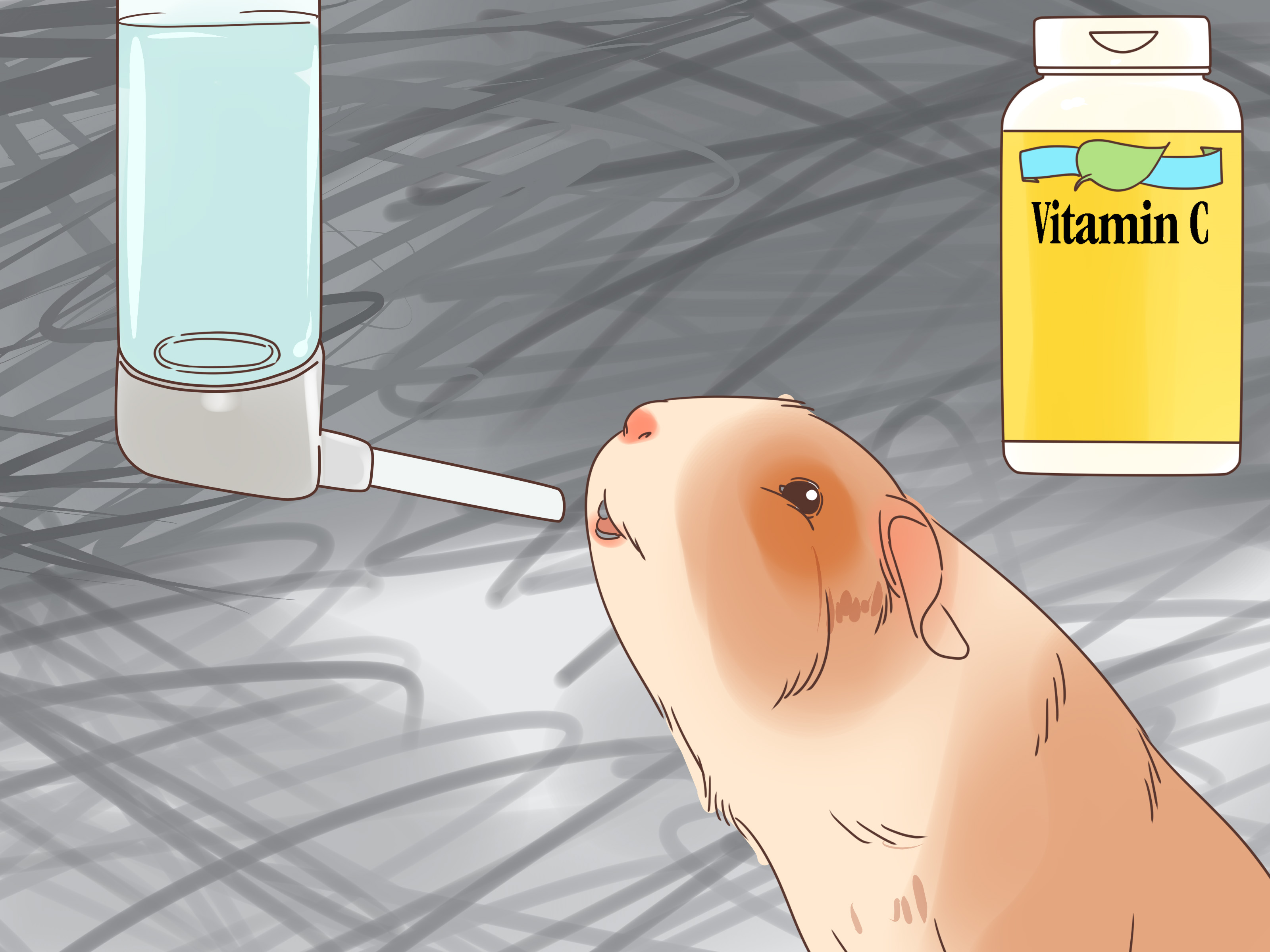
Stress can make parasite problems worse. Guinea pigs under stress may groom less, eat less, and show symptoms more dramatically. Support recovery with unlimited grass hay, fresh water, daily vitamin C from appropriate foods or supplements, a clean cage, soft bedding, safe hiding places, and calm handling. Keep the enclosure dry, well-ventilated, and away from temperature extremes.
Nutrition matters, too. A guinea pig with poor diet or low vitamin C may have weaker skin and slower healing. Offer high-quality hay, a measured amount of plain guinea pig pellets fortified with vitamin C, and safe vegetables such as bell pepper, romaine lettuce, cilantro, and leafy greens. Avoid sugary treats and sudden diet changes while your guinea pig is recovering.
When Mites and Lice Become an Emergency
Some cases can wait for a scheduled exotic-vet appointment; others should not. Seek urgent veterinary care if your guinea pig stops eating, becomes lethargic, loses weight, develops seizures, has open bleeding sores, cries when touched, scratches constantly, has swollen or infected skin, or seems weak. Guinea pigs can decline quickly when pain or appetite loss is involved.
A guinea pig that has not eaten normally for several hours deserves attention. Their digestive systems depend on steady food intake, especially hay. If pain from mites causes a guinea pig to stop eating, the parasite problem can turn into a gastrointestinal emergency.
Common Mistakes to Avoid
Mistake 1: Treating Without Weighing
Medication dosing should be based on accurate body weight. A kitchen scale that reads in grams is one of the most useful tools a guinea pig owner can own. It helps catch weight loss early and helps the veterinarian prescribe safely.
Mistake 2: Using Cat or Dog Flea Products Without Approval
Some medications used in cats or dogs may be used off-label by veterinarians, but many are unsafe for guinea pigs. Do not assume a product is safe because the bottle says “small animals” or because someone online used it once and their guinea pig survived to complain about dinner.
Mistake 3: Bathing First, Asking Questions Later
Bathing a guinea pig with painful mange can worsen stress. If the skin is raw, crusted, or extremely sensitive, call a vet before shampooing.
Mistake 4: Forgetting the Cage
If bedding, fleece, hides, and play areas are not cleaned, parasites may return. Cleaning is not glamorous, but neither is watching lice throw a reunion party.
Mistake 5: Treating Only One Guinea Pig
Parasites spread easily between cage mates. Even guinea pigs without symptoms may need treatment if they live with the affected animal.
Prevention: How to Keep Parasites From Coming Back
The best prevention plan is boring in the most beautiful way: clean bedding, regular health checks, careful quarantine, low stress, and prompt veterinary care when something looks wrong. Check your guinea pig’s coat weekly. Part the hair around the ears, neck, shoulders, rump, and belly. Look for dandruff, scabs, thinning fur, crawling lice, nits, or sore spots. Weigh your guinea pig once a week and write the number down.
Keep the cage clean and dry. Replace wet bedding quickly, wash fleece regularly, and avoid overcrowding. Do not share brushes, beds, tunnels, or blankets between unfamiliar guinea pigs unless they have been cleaned. If you adopt from a rescue, pet store, breeder, or rehoming situation, schedule a wellness exam and quarantine the newcomer before introductions.
Prevention does not mean routine parasite medication for every healthy guinea pig unless your veterinarian recommends it. Overusing medication can create unnecessary risk, expense, and confusion. A clean environment and good observation are often the better long-term tools.
Real-Life Care Experiences: What Owners Often Notice During Treatment
Many guinea pig owners first discover parasites during an ordinary cuddle session. One day the piggy is sitting calmly in a lap, and the next day there is frantic scratching, dandruff, or a bald spot behind the shoulder. The first emotional reaction is usually panic, followed by guilt. Owners often wonder, “Did I do something wrong?” In many cases, the answer is no. Parasites can arrive through contact with other guinea pigs, contaminated bedding, previous living conditions, or a new cage mate. The important thing is not blame; it is quick, safe action.
A common experience with mites is that the guinea pig seems unusually sensitive to touch. An owner may reach to pet the back, and the guinea pig suddenly jumps, twitches, squeals, or runs away. This can be mistaken for attitude. Guinea pigs do have opinions, of course, but sudden touch sensitivity can signal pain. Owners who have dealt with mange often describe the improvement after proper treatment as dramatic. The guinea pig begins resting more comfortably, scratching less, eating better, and accepting gentle handling again. Fur regrowth takes longer, but comfort may improve before the coat looks normal.
Lice experiences are different because owners may actually see the pests. Under a bright lamp, tiny pale insects may move near the base of the hair. Nits may look like small grains stuck to the fur. This discovery is unpleasant, but it can also be helpful because visible lice make the problem easier to identify. Owners often feel embarrassed, but lice are not a moral failure. They are parasites, not a housekeeping review committee.
During treatment, the hardest part is often staying consistent. The guinea pig may look better after the first dose, but repeat treatment and cleaning are still important. Owners who succeed usually make a simple checklist: weigh the guinea pig, give medication exactly as prescribed, wash fleece, replace bedding, clean hides, vacuum the play area, and mark the next treatment date on a calendar. This turns a stressful situation into a manageable routine.
Another practical lesson is to monitor appetite closely. A recovering guinea pig should keep eating hay and producing normal droppings. If scratching decreases but appetite drops, that is still a problem. Pain, stress, medication reactions, or secondary illness can affect eating. Experienced owners know that guinea pigs do not have much room for “wait and see” when food intake changes.
Finally, owners often learn to separate internet advice from veterinary advice. Forums and videos can help you recognize signs, but they cannot weigh your guinea pig, examine the skin, identify ringworm, or calculate safe medication. The best results usually come from combining careful home observation with an exotic vet’s treatment plan. In other words: be the detective, but let the vet be the pharmacist.
Conclusion
Treating mites and lice in guinea pigs comes down to three core steps: confirm the problem, use vet-approved medication safely, and clean the environment while treating all exposed guinea pigs. Mites can be invisible and painful, while lice may be visible but still irritating and contagious among guinea pigs. Both problems are manageable when handled early and correctly.
Your guinea pig depends on you to notice the small clues: extra scratching, flaky skin, bald patches, crusting, weight loss, or a change in behavior. Do not reach for random sprays or flea products. Reach for your exotic vet’s phone number, a gram scale, fresh bedding, and a calm plan. With the right treatment, your guinea pig can get back to the important business of eating hay, demanding snacks, and acting like the tiny landlord of your home.