

Hamsters may be tiny, but when their skin gets irritated, itchy, flaky, or bald in patches, the problem can feel enormous. One day your pocket-sized roommate is happily stuffing bedding into its cheeks like a furry interior designer. The next day, you notice scratching, hair loss, scabs, redness, or crusty skin around the ears and face. Suddenly, “cute hamster moment” becomes “urgent detective mission.”
The good news? Many hamster skin problems can improve with the right care. The not-so-good news? You should not guess, Google a random remedy, and start playing bathroom-sink veterinarian. Hamsters are delicate animals, and skin disease may be caused by mites, fungal infections such as ringworm, bacterial irritation, wounds, allergies, poor bedding, nutritional issues, stress, or even an underlying illness. Treating the wrong cause can waste time and make your hamster more uncomfortable.
This guide explains three practical ways to treat skin disease in hamsters: getting a proper diagnosis and veterinary treatment, cleaning and adjusting the habitat, and supporting recovery with gentle daily care. Think of it as a calm, sensible care plannot a magic potion, not a TikTok experiment, and definitely not a reason to put lotion from your bathroom cabinet on a hamster.
Understanding Hamster Skin Disease Before You Treat It
Before jumping into treatment, it helps to understand what “skin disease” can mean in hamsters. It is not one single condition. It is a group of symptoms that may have different causes. A hamster with mites may scratch constantly and develop thinning fur. A hamster with ringworm may show circular bald patches with flaky or crusty skin. A hamster with an allergy may become itchy after exposure to dusty, scented, pine, or cedar bedding. A hamster with a bite wound may develop swelling, redness, or a scab that needs medical care.
Common signs of hamster skin problems
Watch for these symptoms:
- Hair loss or thinning fur
- Dry, flaky, or scaly skin
- Redness, swelling, or crusty patches
- Frequent scratching or rubbing
- Small scabs, sores, or bite wounds
- Greasy-looking fur or rough coat
- Bald patches around the face, ears, back, belly, or tail
- Behavior changes such as hiding, reduced appetite, or low energy
A small bald patch is not always an emergency, but it is always worth taking seriously. Hamsters are prey animals, which means they often hide illness until they feel really unwell. By the time a hamster looks obviously sick, the problem may already be advanced.
Way 1: Get a Vet Diagnosis and Use the Right Treatment
The most important way to treat skin disease in hamsters is to find out what is actually causing it. This usually requires an exotic-pet veterinarian or a small-animal vet experienced with hamsters. Why? Because mites, ringworm, allergies, wounds, and bacterial infections can look annoyingly similar. Your hamster cannot point to a rash and say, “Excuse me, human, this is fungal.”
Why diagnosis matters
A veterinarian may examine your hamster’s skin, fur, ears, teeth, weight, and overall condition. Depending on the symptoms, the vet may perform a skin scraping to look for mites, check hair samples, examine lesions, or recommend fungal testing if ringworm is suspected. If there is a lump, wound, or abscess, the vet may need to evaluate whether it is infected or something more serious.
This step prevents one of the biggest mistakes hamster owners make: treating every skin problem like mites. Mites are common, but they are not the only villain in the hamster skincare drama. Ringworm requires antifungal care. A wound may need cleaning and possibly antibiotics. Allergic irritation may improve only after the bedding or environment changes. Guessing can delay the real solution.
Treating mites in hamsters
Mites are tiny parasites that can live on or in the skin. Some hamsters carry small numbers without obvious symptoms, but stress, age, illness, or a weakened immune system may allow mites to multiply. Signs can include intense scratching, dandruff-like flakes, bald patches, crusting, or irritated skin.
A vet may prescribe an antiparasitic medication such as ivermectin or selamectin, depending on the type of mite, the hamster’s size, and the condition. Do not use dog, cat, or livestock parasite treatments unless a veterinarian specifically tells you to. Many products made for larger animals are far too strong for hamsters. A “tiny drop” of the wrong product can still be dangerous.
If mites are confirmed, treatment often involves more than medication. You also need to clean the cage, replace bedding, and remove contaminated nesting material. Otherwise, your hamster may be treated and then re-exposed to the same problem. That is like taking a shower and then putting on yesterday’s muddy sockstechnically possible, but deeply unhelpful.
Treating ringworm in hamsters
Ringworm is not a worm. It is a fungal infection of the skin. In hamsters, it may cause circular areas of hair loss, scaly skin, redness, or crusting. Some hamsters can carry fungal infection with only mild signs, while others develop more obvious patches.
Ringworm matters because it can spread between animals and people. If your hamster may have ringworm, wash your hands after handling your pet or anything in the cage, avoid close face contact, and have other pets checked if needed. Your vet may prescribe antifungal medication or topical treatment. The exact plan depends on the severity of the infection and your hamster’s health.
Do not use human antifungal creams without veterinary direction. Some ingredients may be unsafe if your hamster licks them. Hamsters groom themselves constantly, so anything placed on their skin can quickly become something they swallow.
Treating wounds, scabs, and infections
If your hamster has a cut, bite wound, swelling, pus, or a painful-looking sore, veterinary care is the safest route. Wounds can happen from fighting with another hamster, sharp cage accessories, rough bedding, bar rubbing, or accidental injury. A wound may look small from the outside while infection develops underneath.
A vet may clean the wound properly, check for abscesses, and prescribe medication if needed. Never squeeze lumps or scabs at home. Also avoid alcohol, hydrogen peroxide, essential oils, or strong antiseptics unless your vet instructs you to use a specific product. Hamster skin is sensitive, and harsh products can damage healing tissue.
Way 2: Clean the Habitat and Remove Skin Irritants
The second major way to treat hamster skin disease is to fix the environment. A hamster’s cage is not just a bedroom. It is the kitchen, gym, bathroom, pantry, tunnel system, and secret snack bunker. If that environment contains irritants, parasites, fungus, damp bedding, or sharp surfaces, skin problems can continue even after medication.
Replace unsafe or irritating bedding
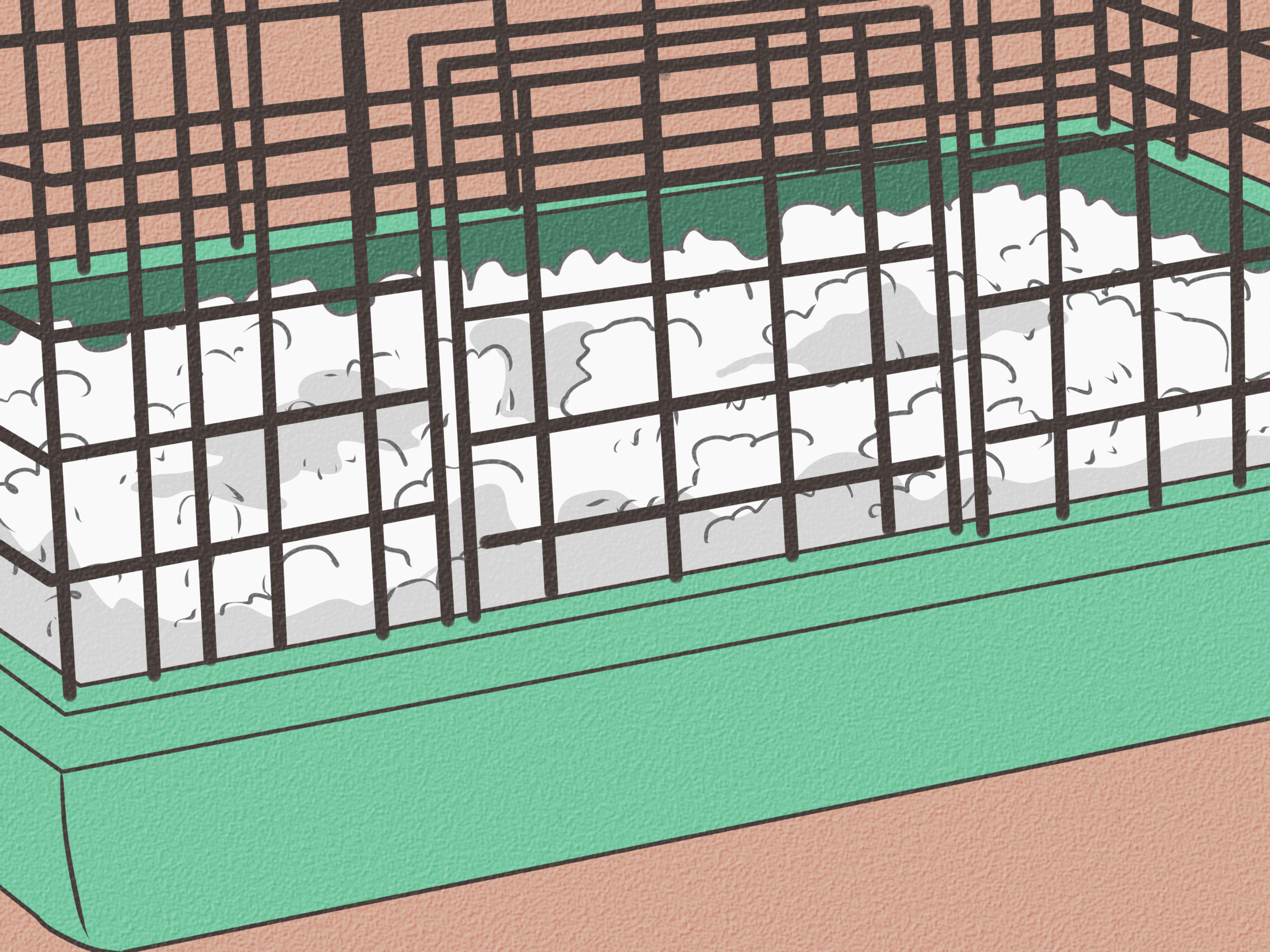
Bedding is one of the first things to check. Avoid cedar and pine shavings, especially scented or dusty versions. These can irritate the skin and respiratory system. Safer choices usually include paper-based bedding or kiln-dried aspen, depending on your hamster’s needs and your vet’s advice.
Also avoid scented bedding, dusty bedding, fluffy cotton nesting material, and anything that clumps like cat litter. Dust can worsen itching and irritation. Scented products may smell pleasant to humans, but to a hamster’s sensitive nose, “spring meadow fragrance” may as well be a perfume explosion in a closet.
Deep-clean the cage during treatment
If your hamster is being treated for mites, ringworm, or an infection linked to dirty bedding, cleaning is part of the treatment plan. Remove old bedding, nesting material, leftover food, and any cardboard items that cannot be disinfected. Wash hard surfaces with hot water and a pet-safe cleaning method recommended by your vet. Rinse thoroughly and dry everything before adding fresh bedding.
Clean food bowls, water bottles, wheels, hides, and tunnels. If an item is wooden, porous, moldy, or heavily soiled, it may need to be replaced. Porous materials can hold fungal spores, mites, or bacteria. During a confirmed contagious skin issue, simple cage setups are often easier to clean until your hamster recovers.
Keep the cage dry and well-ventilated
Damp bedding can make skin problems worse. Check water bottles for leaks and remove wet bedding quickly. Spot-clean toilet areas regularly, and do full cleanings as needed without over-cleaning so aggressively that your hamster becomes stressed. Balance is the goal: clean enough to protect health, but not so often that the hamster feels its entire world has been erased every morning.
Place the cage away from drafts, direct sunlight, smoke, strong odors, and loud areas. Stress can weaken a hamster’s overall condition and may make recovery slower. A quiet, stable environment helps your hamster heal.
Separate hamsters if fighting is possible
Many hamsters, especially Syrian hamsters, should live alone. Fighting can cause wounds, scabs, stress, and infection. If two hamsters are housed together and one has skin injuries, separate them safely and speak with a vet. Even dwarf hamsters that sometimes tolerate company can start fighting. A bite wound on a tiny animal can become serious quickly.
Way 3: Support Healing With Gentle Daily Care
Once your hamster has a vet-approved treatment plan and a clean habitat, daily care becomes the third key step. This does not mean hovering over the cage with a clipboard and a tiny nurse hatalthough, emotionally, you may be there. It means observing carefully, reducing stress, and helping your hamster stay comfortable while treatment works.
Monitor symptoms every day
Check your hamster’s skin and coat daily, preferably when it is already awake. Look for changes in bald patches, redness, scabs, scratching, appetite, activity, and droppings. Weigh your hamster weekly if possible, using a small kitchen scale. Weight loss can be an early sign that something more serious is happening.
Write down what you notice. For example: “Monday: bald patch behind left ear, scratching often, eating normally.” “Thursday: less scratching, patch looks less red.” Notes help your vet decide whether treatment is working.
Handle gently and keep sessions short
A hamster with itchy or painful skin may not want to be handled much. Keep handling brief unless medication requires it. Wash your hands before and after contact, especially if ringworm is suspected. Use slow movements and avoid touching sore areas. If your hamster becomes stressed, return it to the cage and try again later.
For nervous hamsters, a mug, small box, or safe container can help with transport during cage cleaning. This reduces the chance of dropping or chasing the hamster around the cage like a fluffy ping-pong ball.
Feed a balanced diet and fresh water
Good nutrition supports skin and coat health. Offer a high-quality hamster food as the main diet, with safe fresh foods in small amounts as appropriate. Avoid sugary treats, sticky foods, and sudden diet changes. Fresh water should always be available.
Do not try to fix skin disease with random supplements unless your vet recommends them. Extra vitamins or oils can cause digestive problems or unbalance the diet. For hamsters, more is not always better. Sometimes more is just more chaos.
Avoid home remedies that can harm hamsters
Many popular home remedies are risky for hamsters. Avoid essential oils, tea tree oil, coconut oil treatments, human dandruff shampoo, flea sprays, alcohol, hydrogen peroxide, and medicated creams unless specifically prescribed or approved by your vet. Hamsters groom constantly, and they can ingest substances placed on their fur.
Also avoid bathing your hamster in water unless a veterinarian instructs you. Water baths can chill and stress hamsters, and they can strip natural oils from the coat. Hamsters usually clean themselves with grooming and sand baths, depending on species and setup.
When Hamster Skin Disease Is an Emergency
Some skin problems can wait for a regular appointment, but others need urgent veterinary care. Contact a vet quickly if your hamster has open wounds, bleeding, swelling, pus, severe hair loss, intense scratching, crusting around the eyes or ears, loss of appetite, weight loss, lethargy, difficulty breathing, or a sudden behavior change.
You should also seek prompt care if the skin issue spreads quickly, if more than one pet develops symptoms, or if people in the household develop suspicious itchy or circular rashes. Ringworm and some parasites can involve both animals and humans, so early action protects everyone.
Prevention: How to Lower the Risk of Future Skin Problems
Prevention is not glamorous, but it works. A healthy hamster environment can reduce the chance of recurring skin disease. Use safe bedding, clean wet areas often, provide a roomy cage, offer enrichment, avoid overcrowding, and monitor your hamster’s weight and behavior. Check the skin during normal handling, especially around the ears, face, belly, back, and tail.
Quarantine new hamsters before introducing them to a shared space or placing supplies near your current pet. Buy supplies from reliable sources, freeze or inspect natural items when appropriate, and avoid bringing in used wooden accessories unless they can be properly sanitized. A bargain hideout is not a bargain if it arrives with mystery mites and regret.
Practical Experiences: What Hamster Owners Often Learn the Hard Way
Experience has a way of teaching hamster owners lessons that no care sheet can fully capture. The first lesson is that small symptoms deserve attention. Many owners initially notice “just a little scratching” or “one tiny bald spot” and assume it will go away. Sometimes it does, especially if the cause is mild friction or a temporary irritation. But when scratching continues for several days, the patch grows, or the skin becomes flaky, it is time to act. Waiting too long can turn a manageable problem into a stressful one.
A common real-life scenario involves bedding. An owner switches to a new scented bedding because it smells cleaner to humans. A week later, the hamster starts scratching and develops dry-looking skin. The fix may be as simple as removing the irritant and switching back to unscented paper bedding, but only after ruling out mites or infection. The lesson? If your hamster could write product reviews, many scented bedding products would receive one star and a dramatic complaint.
Another experience involves cage cleaning during mite treatment. Some owners give the medication exactly as prescribed but forget to clean the habitat thoroughly. The hamster improves, then starts scratching again. The problem is not always that the medicine failed. Sometimes the environment keeps reintroducing the issue. Replacing bedding, washing accessories, and removing porous contaminated items can make the difference between recovery and repeat problems.
Ringworm teaches a different lesson: protect the whole household. Owners may feel embarrassed when a vet mentions a fungal infection, but ringworm is not a sign of being dirty. It is a contagious skin fungus that can happen even in caring homes. The practical response is simple: follow veterinary treatment, wash hands, clean the cage carefully, avoid close contact until cleared, and monitor other pets and people. Calm prevention beats panic every time.
Many owners also learn that hamsters dislike being fussed over when sick. A hamster recovering from skin disease may need medication, observation, and a clean cage, but it also needs quiet. Constant handling can increase stress. The best care often looks boring: fresh water, safe bedding, a clean wheel, proper food, gentle handling, and daily notes. Hamsters appreciate boring more than we do. Boring means safe.
Finally, owners learn the value of having an exotic vet before there is a crisis. Searching for a hamster-savvy vet at midnight while your pet scratches frantically is nobody’s idea of a relaxing hobby. Save clinic numbers ahead of time. Keep a small transport carrier ready. Know your hamster’s normal weight and behavior. When something changes, you will be prepared instead of scrambling.
The biggest experience-based takeaway is this: treating skin disease in hamsters is not about one miracle cure. It is about combining the right diagnosis, the right medication, the right habitat, and patient observation. Your hamster may be small enough to fit in your hand, but its care deserves full-size attention.
Conclusion
Skin disease in hamsters can be caused by mites, ringworm, wounds, allergies, bedding irritation, infection, stress, or hidden illness. The safest treatment starts with a veterinary diagnosis, followed by proper medication if needed, careful cage cleaning, safer bedding, and gentle daily support. Avoid guessing, avoid harsh home remedies, and never use dog or cat products on a hamster without veterinary direction.
If your hamster has hair loss, scabs, itching, redness, or crusty skin, treat it as a health signal. With quick attention and a clean, calm environment, many hamsters can recover well and return to their usual routine of running on the wheel at 2 a.m. like they are training for the tiny Olympics.