

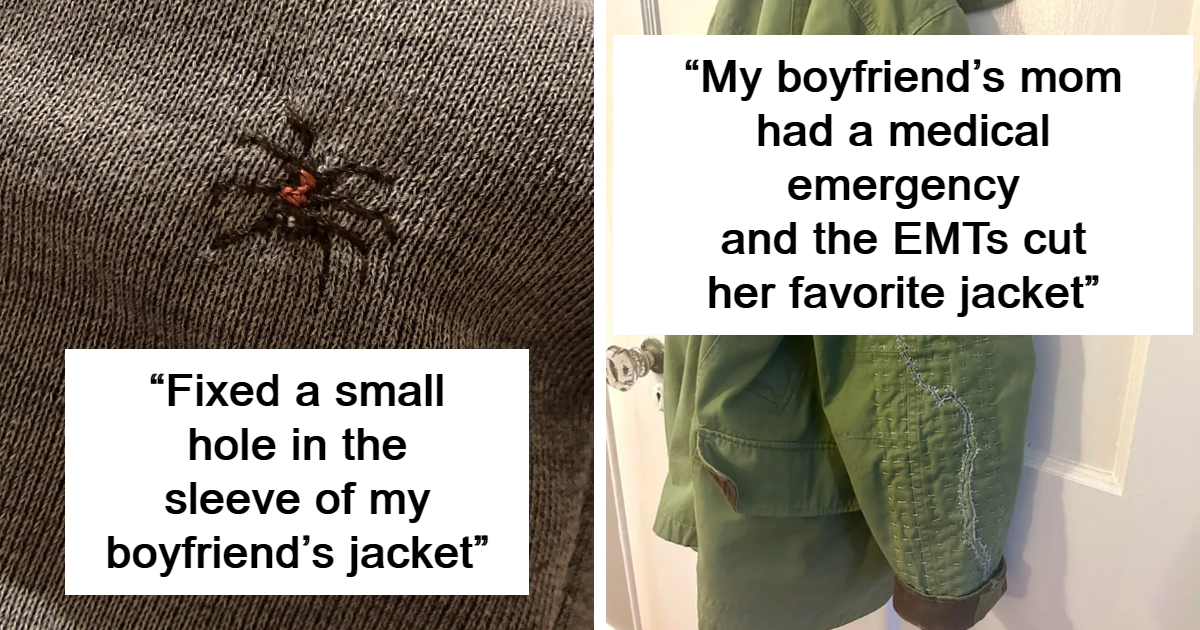
There are two kinds of repairs in this world: the ones that try to sneak past you in a trench coat, and the ones that walk into the room wearing sequins. Visible mending belongs firmly in the second category.
A crack, rip, stain, or missing piece does not have to be the end of an object’s story. Sometimes it is the plot twist. A patched jacket can become more personal than it was when it left the store. A chipped bowl can turn into a conversation starter. A scratched table can develop the kind of character that expensive “distressed” furniture spends years trying to fake.
Visible repair is not about pretending damage never happened. It is about making the fix part of the design. Think contrasting thread, bold fabric patches, colorful ceramic seams, brass hardware, mismatched tiles, and clever reinforcements that say, “Yes, this survived. And yes, it looks fantastic now.”
Why Visible Mending Is Having a Major Moment
For a long time, repair was treated like an embarrassing secret. A torn elbow was supposed to disappear. A chipped plate was supposed to vanish from the cabinet. A scratched dresser was supposed to be replaced by a newer, shinier version with less personality and more assembly instructions.
Thankfully, that mindset is changing. Visible mending celebrates the history of an object instead of erasing it. It also makes practical sense. Keeping useful things in service can reduce waste, save money, and help us appreciate what we already own. More importantly, it gives everyday objects a second chance to become interesting.
From Japanese-inspired ceramic repair to decorative darning, sashiko stitching, patchwork, salvaged hardware, and creative woodworking, visible repair proves that flaws can become features. Sometimes the best makeover starts with a disaster and a very determined person holding a needle.
30 Visible Repairs That Turned Damage Into Design
-
1. The Denim Knee That Became a Tiny Galaxy
A worn-through jeans knee can become a canvas for blue, silver, and white embroidery. Add a few stitched stars, and suddenly that accidental hole looks less like laundry failure and more like a wearable night sky.
-
2. The Sweater Elbow With a Bright Wool Patch
Instead of using a matching patch that tries to disappear, a contrasting wool oval can turn a tired sweater into something that looks intentionally academic, vaguely artistic, and ready to discuss poetry in a coffee shop.
-
3. The Ceramic Bowl With Golden-Looking Seams
A broken ceramic bowl repaired with visible metallic lines becomes more than a rescued dish. The repaired cracks create a map-like pattern that makes the piece feel collected, storied, and much too cool to hide in the back of a cabinet.
-
4. The Backpack Zipper Reinforced With Neon Thread
A failing zipper seam can be strengthened with bright hand stitching. The repair may not be subtle, but it sends a cheerful message: this backpack has survived school, travel, snack crumbs, and at least one chaotic Monday.
-
5. The Leather Boot With a Colored Stitch Line
A split leather seam can be repaired with sturdy waxed thread in red, mustard, or electric blue. The bold stitches add a handmade look that makes the boots feel less factory-produced and more like loyal adventure companions.
-
6. The Chair Seat Rewoven With Mismatched Cord
When a woven chair seat gives up, colorful rope or cord can bring it back. The final pattern may look like a summer camp art project in the best possible way: bright, useful, and impossible to ignore.
-
7. The Torn Canvas Tote With a Fruit Patch
A small rip near the bottom of a tote bag is the perfect excuse for a lemon, strawberry, mushroom, or tomato patch. Suddenly, the repair looks like a design decision instead of evidence that gravity won another round.
-
8. The Cracked Mug Turned Into a Planter
Not every ceramic repair needs to return an item to drinking duty. A cracked mug can be visibly patched or carefully repurposed as a succulent planter, pencil holder, or tiny home for a dramatic-looking cactus.
-
9. The Jacket Sleeve With Patchwork Panels
A ripped sleeve can be repaired with layered fabric scraps in complementary colors. Denim, corduroy, plaid, and canvas can work together surprisingly well, proving that “I had leftover fabric” is sometimes a legitimate fashion strategy.
-
10. The Wooden Table With a Butterfly Inlay
A crack in a wooden tabletop can be stabilized with a visible bowtie or butterfly inlay. The contrasting wood shape becomes a handsome detail that feels more like fine craftsmanship than an emergency rescue mission.
-
11. The Raincoat Patched With Bright Waterproof Fabric
A tear in a raincoat does not need a boring gray patch. A geometric piece of waterproof material in orange, teal, or yellow can transform the repair into a cheerful weatherproof badge of honor.
-
12. The Sock With a Loudly Darned Heel
A visibly darned sock heel may sound old-fashioned until you see one done in rainbow thread. Then it looks like the sock attended art school, learned confidence, and came back with excellent opinions about color.
-
13. The Scratched Dresser With Painted Details
Deep scratches on a dresser can become branches, vines, lightning bolts, or abstract lines. With careful sanding and paint, the damage becomes part of a custom design rather than a reason to abandon perfectly good furniture.
-
14. The Broken Tile Replaced With a Mosaic Surprise
One damaged kitchen or bathroom tile can be replaced with a tiny mosaic made from colorful scraps. It may not match the original floor, but that is exactly why everyone who notices it will love it.
-
15. The Notebook Cover Stitched Back Together
A favorite notebook with a torn spine can be repaired using visible thread, embroidery floss, or waxed cord. The repaired binding gives the notebook the look of a well-traveled journal that definitely contains important secrets.
-
16. The Couch Cushion With Decorative Sashiko Stitching
A torn cushion seam can be reinforced with repeating stitches that form waves, grids, or small geometric patterns. The repair becomes texture, and the couch looks more curated than the one that arrived in a giant cardboard box.
-
17. The Old Skateboard With a Resin-Filled Crack
A cracked deck that is no longer safe for riding can still become wall art. A visible resin fill, painted line, or wood inlay can turn it into a display piece with a story instead of a sad object in the garage.
-
18. The Broken Picture Frame With Brass Corner Plates
A damaged wooden frame can be strengthened with visible brass corner braces. The hardware adds a vintage, industrial look and makes the frame feel like it belongs around something important, such as a family photo or a very serious cat portrait.
-
19. The Ripped Quilt With a Memory Patch
A quilt repair can become especially meaningful when the patch comes from an old shirt, baby blanket, concert tee, or piece of fabric with a family story. The repair does more than fix a hole; it adds another layer of memory.
-
20. The Book With a Colorful Cloth Spine
A beloved book with a damaged binding can be reinforced with patterned cloth or decorative paper. The repair gives the book a handmade library feel, like it has survived several dramatic readings and one overly enthusiastic backpack.
-
21. The Lamp Shade With Embroidered Repairs
A small tear in a fabric lampshade can be covered with stitched flowers, stars, leaves, or simple lines. When the light shines through, the mending becomes part of the glow instead of something to hide.
-
22. The Torn Canvas Sneaker With Bold Thread
Canvas shoes often rip near the toe crease, but visible stitches can hold the fabric together while adding personality. Use contrasting embroidery floss, and the repair can look like a tiny lightning bolt racing across the shoe.
-
23. The Broken Drawer Pull Replaced With Something Unexpected
When a drawer pull snaps, a mismatched knob, leather loop, vintage spoon handle, or smooth stone can become the replacement. The result is a furniture detail that looks discovered rather than purchased.
-
24. The Frayed Blanket Edge With a Color Border
A worn blanket edge can be saved with blanket stitch, bias tape, or a crocheted border. A bright trim can make the whole blanket feel refreshed, even if it still has the emotional support qualities of an ancient marshmallow.
-
25. The Torn T-Shirt With Appliqué Shapes
A stain or hole can disappear beneath an appliqué cloud, heart, fruit slice, animal, or abstract fabric shape. The repaired shirt becomes more expressive, proving that a wardrobe mishap can be one patch away from becoming a favorite.
-
26. The Chipped Vase Given a New Role
A visibly repaired vase can become a decorative object even when it is no longer suitable for water. Fill it with dried flowers, paintbrushes, or wooden spoons, and let its repaired lines become part of the display.
-
27. The Worn Rug With a Hand-Sewn Patch
A rug hole can be stabilized with a fabric or woven patch that contrasts on purpose. It may look unconventional, but that little island of color can make the entire room feel warmer and more lived-in.
-
28. The Bike Basket Fixed With Colored Zip Ties
When a wire basket breaks, carefully placed zip ties can reinforce the weak spots. Use several colors in a repeating pattern, and the repair looks less like a quick fix and more like a custom accessory.
-
29. The Garden Pot With a Mosaic Crack Cover
A cracked terracotta pot can be repaired or stabilized with mosaic pieces, grout, and weather-friendly materials. The patchwork finish makes the pot look like something from a cheerful backyard studio rather than the recycling bin.
-
30. The Favorite Hoodie With a Patch That Tells a Story
The best visible repairs are often the personal ones. A patch from a trip, a team logo, a fabric scrap from a loved one, or a hand-stitched symbol can turn a damaged hoodie into something no store could replace.
How to Make a Visible Repair Look Intentional
The secret to a good visible repair is not perfection. It is confidence. Pick a color palette, repeat a stitch pattern, use a patch shape that feels deliberate, or choose a material that contrasts in a pleasing way. A repair looks intentional when it has rhythm.
For fabric, use strong thread and reinforce the area around the damage, not just the hole itself. For wood, ceramic, furniture, electrical devices, or anything that affects safety, structural stability, food contact, or heat, use the correct repair method or consult a qualified professional. A cool repair should not turn into an exciting story for the emergency room.
Most importantly, do not rush to make the repair invisible. Let it show. Let it be colorful. Let it have a little attitude. Your things do not need to look untouched to remain useful, beautiful, or worth keeping.
Visible Mending Is Proof That “Ruined” Is Often Just a Bad First Draft
Visible mending gives damaged objects a second identity. A rip becomes embroidery. A crack becomes a line of light. A missing knob becomes a tiny design upgrade. The repaired version may not look brand-new, but that is the point. Brand-new has never survived anything.
The next time something tears, chips, scratches, or snaps, pause before replacing it. It may be frustrating. It may be inconvenient. It may require a trip to the sewing kit, hardware store, repair shop, or craft drawer that has somehow become a portal to another dimension. But it may also become your chance to make something better than it was before.
What Visible Mending Feels Like Once You Try It
Visible mending has a funny way of changing how you look at your belongings. Before you repair something, a rip can feel like a tiny insult. Your favorite jeans split at the knee, your tote bag gets snagged on a door handle, or your mug develops a chip after one unfortunate meeting with the kitchen counter. The first instinct is usually annoyance. The second instinct is often, “Well, that is probably done for.”
Then you mend it, and the object changes. More surprisingly, your relationship with it changes too. A patch is not just fabric over a hole. It is evidence that you paused, decided the item mattered, and gave it another chance. That may sound dramatic for a sock, but socks have feelings. Probably. At minimum, they have very busy lives and deserve better than being retired after one heel gives up.
There is also a quiet satisfaction in choosing colors, thread, shapes, and materials. You start noticing that a repair can reflect your personality. A bright red stitch might feel playful. A carefully matched patch might feel calm and classic. A wildly mismatched piece of plaid may feel like the visual equivalent of saying, “Yes, I made this choice, and no, I will not be taking questions.”
Visible repair can also make everyday life feel less disposable. Instead of seeing a damaged item as a failure, you begin to see it as a problem with several possible solutions. Can it be stitched? Glued? Reinforced? Reframed? Repurposed? Turned into something else? This mindset is useful far beyond clothes and furniture. It encourages patience, creativity, and the ability to look past a first impression.
Of course, not everything should be repaired at home. Some items are unsafe once damaged, and some fixes require special tools, materials, or professional knowledge. But for the things that can be mended, visible repair offers a small rebellion against the idea that everything has to stay flawless to stay valuable.
That is why these repairs feel so good. They are practical, but they are also personal. They make room for accidents, history, and change. A visibly repaired item carries proof that someone cared enough to keep it going. And in a world full of objects designed to be replaced, that little bit of care can look downright beautiful.