

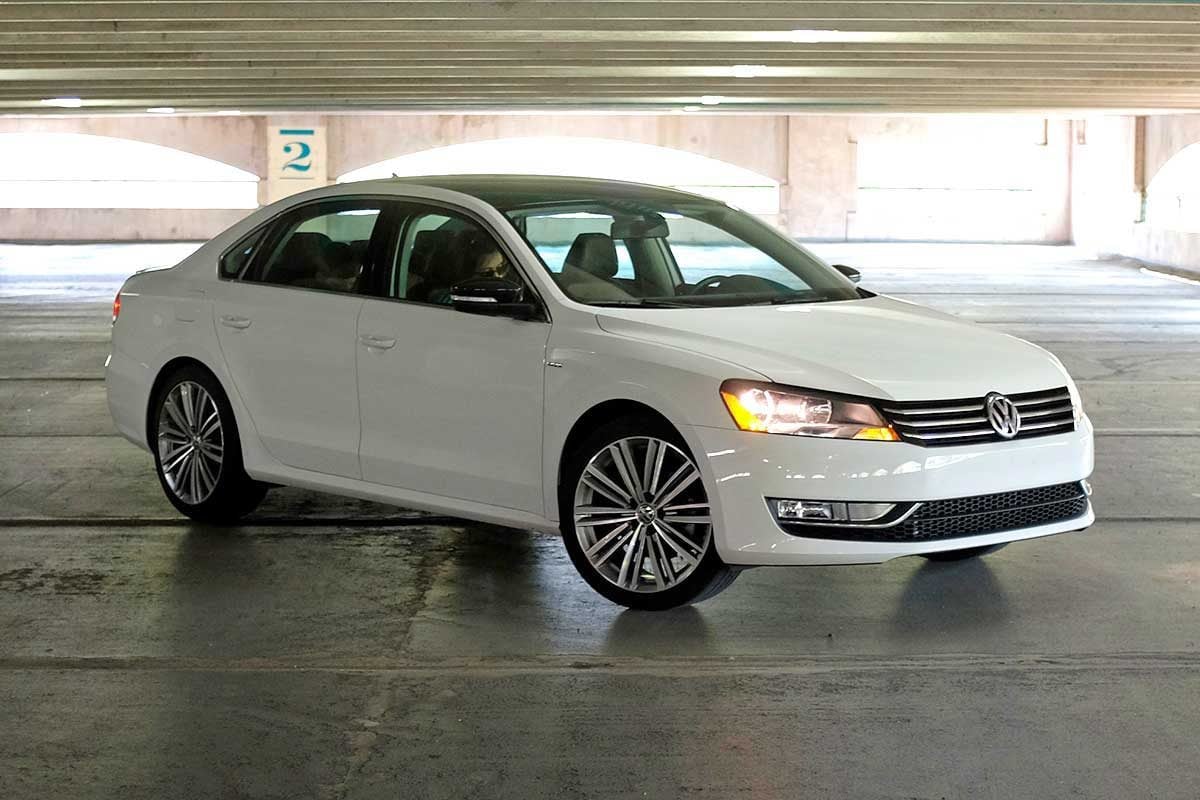
Volkswagen has issued a major safety recall affecting 114,478 vehicles in the United States because the driver-side front airbag inflator may explode during deployment. Yes, “explode” is the word nobody wants attached to the thing designed to save your face. The recall centers on certain Volkswagen Beetle and Passat models equipped with Takata SDI-D driver frontal airbag inflators, a component that can become dangerous after long-term exposure to heat, humidity, and repeated temperature swings.
The official recall is listed by the National Highway Traffic Safety Administration as NHTSA Recall No. 24V-834. Volkswagen’s internal recall codes are 69EG and 69GQ. The fix is straightforward: dealers will replace the driver-side front airbag module at no cost to customers. The not-so-straightforward part is making sure owners of older vehicles actually check their VIN and schedule the repair before a minor crash becomes a very dramatic science experiment.
What Is the Volkswagen Airbag Recall About?
The recall involves the driver-side frontal airbag inflator. In normal circumstances, an airbag inflator triggers a controlled chemical reaction that fills the airbag in a fraction of a second. When everything works properly, the airbag helps prevent the driver’s head and upper body from striking the steering wheel, dashboard, or windshield.
In the affected Volkswagens, however, the inflator may rupture because the propellant inside can degrade over time. The risk increases with long-term exposure to high absolute humidity, high temperatures, and repeated temperature cycling. In plain English: years of heat, moisture, and weather changes can make the inflator unstable. If it ruptures during airbag deployment, sharp metal fragments could enter the cabin and strike the driver or passengers.
This is part of the wider Takata airbag safety crisis, one of the largest and most serious vehicle recall issues in automotive history. Takata inflators have been linked to deaths and injuries in the United States, and regulators continue to push automakers to identify and repair vehicles that may still contain risky inflators.
Which Volkswagen Models Are Included?
The recall affects select Beetle and Passat vehicles from several model years. Owners should not rely only on model year because recall eligibility can depend on the exact production date, equipment, and prior repair history. The best move is to check the 17-digit VIN.
| Affected Volkswagen Vehicle | Potential Units Involved | Production Dates Listed |
|---|---|---|
| 2017-2019 Volkswagen Beetle | 18,253 | July 13, 2016 to September 15, 2018 |
| 2017-2019 Volkswagen Beetle Convertible | 13,456 | July 7, 2016 to September 15, 2018 |
| Volkswagen Passat Wagon vehicles listed in the recall population | 5,324 | October 21, 2005 to November 6, 2006 |
| 2006-2007 Volkswagen Passat Sedan | 22,573 | February 15, 2005 to November 6, 2006 |
| 2012-2014 Volkswagen Passat | 54,872 | April 26, 2011 to July 23, 2014 |
Together, those groups add up to 114,478 potentially affected vehicles. The recall report states that the estimated percentage with the defect is 100 percent for the recall population, meaning every vehicle in the defined group is treated as needing the replacement.
Why Can an Airbag Inflator Become Dangerous?
Airbags deploy with astonishing speed. NHTSA explains that an inflator starts a chemical reaction that fills the airbag in less than one-twentieth of a second. That is faster than most people can blink, sneeze, or realize they forgot to cancel a free trial.
The affected Takata SDI-D inflators use phase-stabilized ammonium nitrate, often shortened to PSAN. In these recalled vehicles, the inflators are desiccated, meaning they include a drying agent intended to control moisture. Even so, regulators have continued evaluating the long-term safety and service life of these inflators as vehicles age.
The concern is not that an airbag is bad. Airbags save lives. The concern is that a defective inflator can turn a life-saving device into a fragmentation hazard. If the inflator housing breaks apart, metal pieces can be propelled toward occupants. That is why drivers should treat this recall as urgent even if the car seems perfectly normal.
Is There a Warning Light or Symptom?
Unfortunately, no reliable warning symptom is listed for this defect. The recall report identifies the warning as “N/A.” That means you should not wait for an airbag light, dashboard message, odd noise, or mystical vibration in the steering wheel. A vehicle can feel completely fine and still be included in the recall.
This is why VIN checks matter. The VIN is the 17-character vehicle identification number usually visible through the windshield on the driver’s side dashboard. It also appears on registration documents, insurance cards, and the driver-side door jamb label. If your Volkswagen is on the list, the VIN is your golden ticket to a free safety repair.
What Will Volkswagen Dealers Do?
Volkswagen dealers will replace the driver-side front airbag module free of charge. The new replacement airbags listed in the recall report do not contain ammonium nitrate. That matters because the recalled component’s risk is tied to the long-term behavior of the original inflator chemistry.
The recall schedule listed dealer notification for November 1, 2024, and owner notification by December 27, 2024. If you bought the car used, moved recently, or treat mail like a decorative countertop accessory, you may never see the letter. Do not wait for one. Check the VIN yourself and call an authorized Volkswagen dealer.
How to Check Your Volkswagen Recall Status
To check whether your Beetle or Passat is affected, use the NHTSA recall lookup tool or Volkswagen’s official recall and service campaign lookup. Enter the VIN, review any open recall notices, and schedule service with a dealer. You can also call Volkswagen customer service at the number listed in the recall report or contact NHTSA’s Vehicle Safety Hotline.
If your vehicle has an open recall, the repair should be completed without delay. Safety recalls are not upsells, extended-warranty mysteries, or dealership confetti. They are manufacturer-backed repairs for safety defects, and owners should not be charged for the recall remedy.
Why Older Cars Need Extra Attention
Many vehicles in this recall are older, and that is exactly why the issue deserves attention. Older cars often change hands multiple times. The first owner may have received recall letters, the second owner may have ignored them, and the third owner may be driving around with no idea that the steering wheel contains a part with a serious safety history.
Used-car buyers should make recall checks part of the buying process, right next to “Does the transmission behave?” and “Why does the trunk smell like wet gym socks?” A clean exterior and a charming price do not guarantee that safety campaigns were completed. Before buying a used Volkswagen Beetle or Passat, search the VIN for open recalls and ask for service records.
How Serious Is the Exploding Airbag Risk?
The risk is serious because the possible outcome is severe injury or death. Volkswagen’s recall filing notes that the recalled inflators currently do not pose an unreasonable risk to drivers, but NHTSA is concerned that after additional time the inflator may not perform properly in a crash. In other words, this is a preventive recall designed to remove risk before time, heat, humidity, and bad luck team up.
That distinction matters. Some owners hear “no known injuries” and translate it as “I can handle this later.” That is not the best interpretation. Recalls are often issued before widespread incidents occur. The purpose is to fix a known safety concern before it becomes a headline with flashing lights and a tow truck.
What Owners Should Do Right Now
1. Check the VIN
Start with the VIN, not guesses based on model year. A recall can include certain vehicles and exclude others that look identical from the driveway. The VIN tells the truth, even when the badge and model year are being vague.
2. Contact a Volkswagen Dealer
If your vehicle is affected, call an authorized Volkswagen dealer and ask to schedule recall service for campaign 69EG or 69GQ. Have your VIN ready. Dealers can confirm parts availability and appointment timing.
3. Do Not Pay for the Recall Repair
The driver-side front airbag module replacement is free for customers. If you are asked to pay for unrelated maintenance, that is separate. The recall remedy itself should not cost you anything.
4. Keep Proof of Completion
After the repair, save the invoice or service record. Even if the total is zero dollars, the paperwork proves the recall was completed. That can help with resale value and future peace of mind.
What This Recall Means for Used Volkswagen Buyers
If you are shopping for a used Beetle or Passat, this recall should not automatically scare you away. These cars can still be practical, stylish, and enjoyable. The Beetle has personality for days, and the Passat has long been appreciated for its roomy cabin and highway comfort. But open recalls change the buying conversation.
Ask the seller for the VIN before you visit. Run a recall check. If the airbag recall is open, either require the seller to complete it before purchase or plan to schedule the repair immediately after buying. Do not accept “I think it was fixed” as proof. “I think” is fine for guessing how many fries are left in the bag, not for airbag safety.
Dealers selling used vehicles should also be transparent about open recalls. Private sellers may be less informed, so buyers need to be proactive. A five-minute VIN check can prevent a serious safety issue from riding along with you for years.
How This Fits Into the Larger Takata Recall Story
The Volkswagen recall is one chapter in a much larger Takata airbag saga. Across the U.S. auto industry, tens of millions of Takata airbag inflators have been recalled because of rupture risks. The issue has affected many manufacturers, not just Volkswagen, and regulators have repeatedly urged owners to check for open recalls.
Heat and humidity have been recurring themes in the Takata story. Vehicles in hotter and more humid climates can face greater risk over time because environmental exposure may accelerate propellant degradation. Still, owners in cooler regions should not ignore the recall. Cars travel, relocate, get sold across state lines, and age whether parked in Phoenix, Miami, Denver, or a quiet garage in Ohio.
Common Questions About the Volkswagen Airbag Recall
Can I keep driving my recalled Volkswagen?
Unless Volkswagen or NHTSA issues a specific “do not drive” warning for your VIN, the vehicle may not be under a stop-driving order. However, owners should schedule the free repair promptly. The longer a recalled airbag remains in service, the longer the risk remains unresolved.
Will the airbag explode randomly?
The main concern is an inflator rupture during airbag deployment in a crash. The recall language focuses on what can happen when the airbag is activated. That said, the safety risk is serious enough that owners should not delay the remedy.
How long does the repair take?
Repair time can vary by dealer workload and parts availability. The physical replacement may be relatively quick, but scheduling is the part that depends on local demand. Call ahead, provide your VIN, and ask how long the dealership expects the appointment to take.
What if I never received a recall letter?
You may still be affected. Mail can go to a previous owner or old address. Always check the VIN directly through official recall lookup tools.
Owner Experiences and Practical Lessons From Airbag Recalls
Airbag recalls tend to reveal something funny about car ownership: most of us remember oil changes, tire rotations, and the exact sound our car makes when we pretend it is “probably nothing,” but recall notices often disappear into the paperwork swamp. A recall letter arrives, gets placed on the kitchen counter, migrates under a grocery receipt, and eventually becomes archaeology.
Owners who have dealt with airbag recalls often describe the same first reaction: surprise. The car may start normally, drive smoothly, and show no warning lights. That makes the recall feel abstract, almost like a weather alert for a town you do not live in. But airbag defects are different from cosmetic flaws or minor convenience issues. The system is designed to protect you only in the worst moment, which means you may never know there is a problem until the exact second you need it to work.
A practical experience many owners share is that the VIN check is faster than expected. It takes less time than choosing a streaming show and involves far fewer arguments. Once the VIN is entered, the recall status becomes clear. If there is an open campaign, the next step is calling the dealer. Some owners find appointments immediately; others may need to wait for parts or choose a different dealership. Being polite but persistent helps. So does saying the recall code clearly and confirming that the repair is free.
Another lesson is to clean out the driver area before the appointment. Technicians need access to the steering wheel and airbag module. Removing personal items, steering wheel covers, loose accessories, and dashboard decorations can make the visit smoother. If your car interior currently looks like a mobile storage unit, this is your sign. The dealership does not need to meet your emergency granola bar collection.
Used-car owners have an extra challenge. Many recalled Volkswagens have lived several lives. One owner may have moved from Texas to Pennsylvania. Another may have sold the car through a private listing. A third may have inherited it from a relative who kept every maintenance receipt except, naturally, the recall notice. That is why recall checks should become routine. Check when you buy a car, check when you renew insurance, and check once or twice a year. It is boring, but so are seat belts until the day they matter.
Families with teen drivers should be especially careful. A Beetle or older Passat can be an affordable first car, but parents should confirm that all safety recalls are complete before handing over the keys. The same goes for college students driving older cars between home and campus. A free recall repair is one of the simplest safety upgrades available, and unlike new tires or brake work, it should not come with a bill.
The final experience-based takeaway is simple: do not let the dramatic phrase “exploding airbag risk” turn into panic, but do let it turn into action. Safety recalls are manageable when handled early. Check the VIN, schedule the appointment, keep the paperwork, and move on with a safer car. That is far better than ignoring the issue because the dashboard is quiet.
Conclusion: Check the VIN, Book the Fix, Keep Driving Safer
The 114,000 Volkswagen recall over exploding airbag risk is a serious reminder that vehicle safety does not end when the car leaves the showroom. Certain Beetle and Passat models may contain driver-side Takata inflators that can become dangerous after years of exposure to heat and humidity. The defect may not trigger a warning light, and the car may drive normally, which makes owner action even more important.
Volkswagen’s remedy is to replace the driver-side front airbag module free of charge. Owners should check their VIN, contact an authorized Volkswagen dealer, and complete the repair as soon as possible. For used-car shoppers, this recall is also a useful reminder: always check open recalls before buying. A car can be shiny, charming, and freshly detailed while still hiding an unresolved safety campaign.
Airbags are supposed to be silent heroes, not surprise villains. Give yours the quick background check it deserves.