

There are two kinds of people in the world: people who have twisted an ankle, bumped a knee, or pulled a muscleand people who are simply waiting for their dramatic sidewalk debut. When a minor soft tissue injury happens, the classic first-aid advice is often the same: use the RICE method. RICE stands for rest, ice, compression, and elevation, a simple home-care approach designed to reduce pain, control swelling, and protect the injured area during the early stage of healing.
The RICE method is not magic, and it does not turn a sprained ankle into a superhero ankle overnight. What it can do is help you respond quickly and calmly when a mild injury happens. Used correctly, RICE may ease discomfort, limit swelling, and create a better environment for recovery. Used incorrectlysay, by putting ice directly on your skin until your foot feels like a frozen burritoit can cause problems. This guide explains how RICE works, when to use it, when not to use it, and how to avoid the common mistakes that slow recovery.
What is the RICE method?
The RICE method is a first-aid strategy commonly used for minor musculoskeletal injuries such as sprains, strains, bruises, and mild overuse flare-ups. It includes four steps:
- Rest: Stop or reduce activity that causes pain.
- Ice: Apply cold therapy to reduce pain and swelling.
- Compression: Use gentle pressure to help control swelling.
- Elevation: Raise the injured area above heart level when possible.
RICE is most useful during the first 24 to 48 hours after an acute injury. Think of it as the “calm things down” phase. The goal is not to shut healing off; inflammation is part of the body’s repair process. The goal is to manage excessive pain and swelling so you can protect the area, move safely when appropriate, and avoid turning a small problem into a larger one.
When should you use RICE?
RICE may be helpful for common minor injuries, including a twisted ankle, mild wrist sprain, pulled hamstring, sore knee after a sudden awkward movement, or a bruise from bumping into furniture that clearly had a personal grudge. It is often used for soft tissue injuries involving muscles, tendons, and ligaments.
However, RICE is not a substitute for medical care. You should seek medical attention if you have severe pain, obvious deformity, inability to bear weight, numbness, tingling, a cold or pale limb, an open wound, rapidly worsening swelling, a suspected fracture, a dislocation, or pain that does not improve after a couple of days. If you heard a pop, cannot move the joint, or feel that something is seriously wrong, trust that instinct and get evaluated.
How RICE works: The science behind each step
Rest: Protect the injury without becoming a statue
Rest means avoiding activities that increase pain or stress the injured area. If you sprain your ankle, this may mean staying off it, using crutches, or skipping running for a few days. If you strain a muscle, it may mean pausing the movement that caused the injury and giving the tissue time to settle.
But rest does not always mean total immobility. Long periods of complete rest can lead to stiffness, weakness, and slower return to normal function. Many modern sports-medicine professionals prefer the idea of relative rest: protect the injury early, then gradually reintroduce gentle movement as pain allows. In other words, do not run a marathon on a sprained ankle, but do not assume the couch is your new legal residence either.
Ice: Cool pain and swelling safely
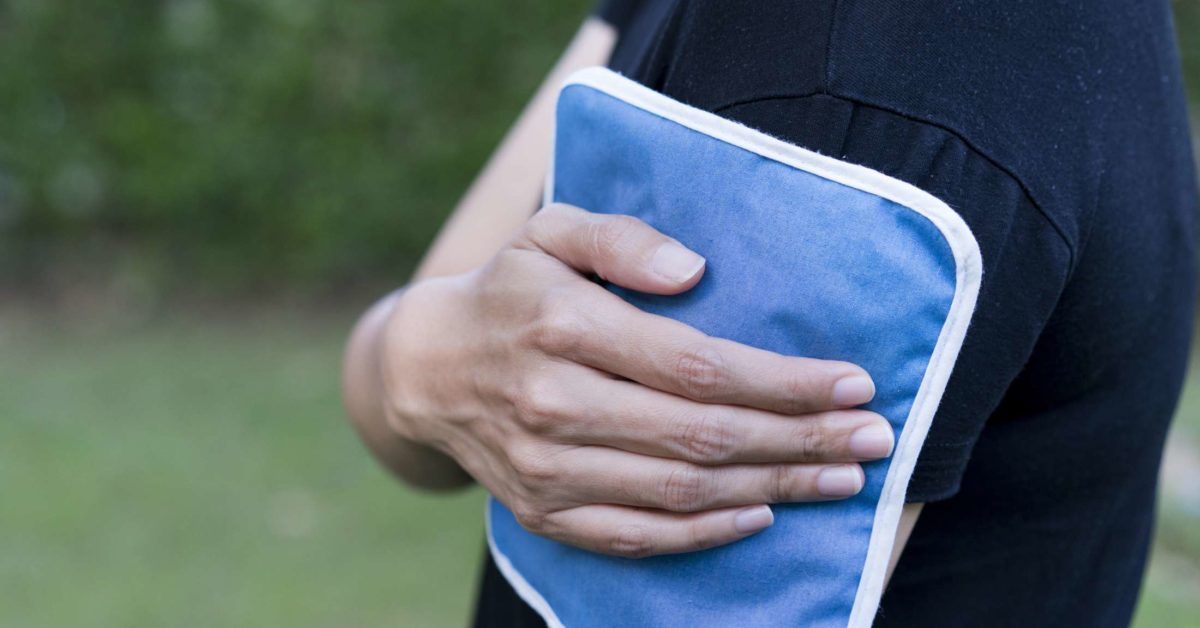
Ice, cold packs, or a bag of frozen peas wrapped in a towel can help reduce pain and swelling after a fresh injury. Cold therapy lowers skin temperature, slows local blood flow temporarily, and can reduce nerve activity, which helps dull pain. It is especially useful right after an injury or when swelling is prominent.
Apply ice for about 15 to 20 minutes at a time, several times a day during the first day or two. Always place a thin towel or cloth between the cold source and your skin. Never apply ice directly to bare skin, and do not fall asleep with an ice pack on. Frostbite is not a recovery strategy; it is a new problem wearing a cold hat.
Compression: Gentle pressure, not a wrestling hold
Compression means wrapping the injured area with an elastic bandage, compression sleeve, or soft wrap to help limit swelling. The pressure encourages fluid control and can make the injured area feel more supported. This is common for ankle sprains, knee injuries, wrist sprains, and muscle strains.
The key word is gentle. A compression wrap should feel snug but not tight. If your fingers or toes become numb, tingly, cold, blue, or more painful, the wrap is too tight. Loosen it immediately. Compression should support healing, not cut off circulation like a tiny fabric villain.
Elevation: Let gravity do some paperwork
Elevation means raising the injured body part above the level of your heart when possible. This helps reduce fluid buildup by encouraging drainage away from the injured area. For an ankle or knee injury, lying down with the leg propped on pillows can help. For a wrist or hand injury, resting the arm on pillows or using a sling may be useful.
Elevation works best when combined with rest and compression. It is especially helpful during the first 24 to 48 hours, when swelling may be most noticeable. If you can elevate comfortably while reading, watching TV, or questioning your life choices after missing one stair, you are doing it right.
Step-by-step: How to use RICE after a minor injury
When an injury happens, stop the activity right away. Continuing to play, run, lift, or “walk it off” can make tissue damage worse. Check the injured area for severe swelling, deformity, open wounds, numbness, or inability to move or bear weight. If any red flags are present, seek medical care.
For a mild injury, begin with rest. Reduce pressure on the injured area. Next, apply ice wrapped in a cloth for 15 to 20 minutes. Repeat every few hours as needed during the first 24 to 48 hours. Add compression with an elastic bandage if appropriate, making sure it is snug but not restrictive. Finally, elevate the area above your heart whenever you can.
After the first couple of days, reassess. If pain and swelling are improving, gentle movement may help restore flexibility and prevent stiffness. If symptoms are not improving, if pain is increasing, or if you cannot use the injured area normally, it is time to talk with a healthcare professional.
RICE for common injuries
Ankle sprain
An ankle sprain is one of the most common reasons people use RICE. After rolling your ankle, stop walking on it if it hurts. Ice it, wrap it lightly, and elevate it. If you cannot bear weight, have significant bruising, or feel pain over the bone, get checked for a fracture. Not every “sprain” is actually a sprain, and ankles are famously dramatic.
Muscle strain
A muscle strain happens when muscle fibers are overstretched or torn. RICE can help reduce early pain and swelling. Once pain improves, gentle range-of-motion exercises and gradual strengthening are usually important. Returning too quickly can turn a small strain into a recurring issue that keeps showing up like an unwanted sequel.
Wrist or hand sprain
For a mild wrist sprain, resting the hand, icing the area, using light compression, and elevating the wrist may reduce discomfort. But wrist injuries can be tricky. If pain is severe, grip strength is reduced, swelling is significant, or pain persists, medical evaluation is important.
Knee twist or minor bruise
RICE may help after a mild knee twist, bump, or bruise. Avoid putting weight on the knee if it is painful, use ice, apply gentle compression, and elevate the leg. Seek care if the knee locks, gives way, swells quickly, looks deformed, or cannot support your weight.
What RICE cannot do
RICE can support early symptom control, but it cannot repair a torn ligament, reset a dislocated joint, heal a fracture instantly, or diagnose the seriousness of an injury. It also does not replace rehabilitation. Many injuries need progressive movement, strengthening, balance training, and time to fully recover.
RICE is also not ideal for every situation. Do not use compression over open wounds unless directed by a medical professional. Be cautious with ice if you have poor circulation, reduced skin sensation, certain nerve conditions, or conditions that make cold exposure risky. If you are unsure, ask a healthcare provider.
RICE vs. newer approaches: PRICE, POLICE, PEACE and LOVE
In recent years, sports-medicine experts have questioned whether traditional RICE places too much emphasis on rest and icing. Newer approaches, such as PRICE and POLICE, add protection and optimal loading. The idea is simple: protect the injury early, but do not rest so long that the body becomes stiff and weak.
You may also hear about PEACE and LOVE, a newer framework for soft tissue injury recovery. It emphasizes protection, education, compression, elevation, gradual loading, optimism, blood flow, and exercise. The big message is not that RICE is useless. The message is that RICE is best viewed as early first aid, not the entire recovery plan.
A practical way to think about it is this: use RICE to calm pain and swelling in the beginning, then shift toward safe movement and rehabilitation as symptoms allow. Your body likes support, but it also likes motion. It is needy that way.
Common RICE mistakes to avoid
One common mistake is icing for too long. More cold does not mean more healing. Stick with short sessions and protect your skin. Another mistake is wrapping too tightly. Compression should not cause numbness, tingling, or color changes.
People also make the mistake of resting too long. If pain is improving, gentle movement may help restore range of motion. On the other hand, returning to full activity too soon can reinjure the area. The sweet spot is gradual progress: enough protection to avoid harm, enough movement to rebuild confidence and function.
Finally, do not ignore warning signs. Severe pain, major swelling, deformity, fever, redness spreading from the injury, inability to bear weight, or symptoms that worsen instead of improve deserve medical attention.
When to switch from ice to heat
Ice is usually preferred during the early stage of a fresh injury, especially when swelling is present. Heat may be more helpful later, once swelling has gone down and stiffness becomes the main problem. Heat increases blood flow and can relax tight muscles, but using heat too early on a swollen injury may make swelling worse.
A simple rule: cold for new swelling and sharp pain; heat for later stiffness and muscle tightness. If you are unsure, start conservatively and ask a healthcare professional, especially if the injury is significant.
Real-life experience: What using RICE actually feels like
The RICE method sounds neat and tidy on paper. In real life, it usually begins with a very ungraceful moment. Maybe you step off a curb wrong, land from a pickup basketball game like a folding chair, or reach for something under the couch and discover your shoulder has filed a complaint. The first experience is usually surprise, followed by pain, followed by the classic human response: “I’m fine.” Spoiler: sometimes you are not fine.
One practical lesson from real-life injuries is that the first decision matters. Stopping early can prevent a mild injury from becoming a stubborn one. Many people try to finish the workout, the game, the yard project, or the grocery trip because they do not want to be dramatic. But soft tissue injuries often get worse when stressed immediately after they happen. Resting right away may feel inconvenient, but it is usually less inconvenient than limping for two weeks because pride was driving the bus.
Ice is another step that feels simple but requires common sense. A cold pack can bring quick relief, especially when the injured area feels hot, swollen, or throbbing. The trick is patience. People sometimes expect one icing session to fix everything. It will not. Ice is more like turning down the volume on symptoms. It helps, but it does not erase the injury. Wrapping the ice in a towel, setting a timer, and taking breaks are small habits that prevent skin irritation and keep the process safe.
Compression often becomes the “I think I know what I’m doing” step. Many people wrap an ankle or wrist too tightly because tighter feels more serious, like the injury is being handled by a tiny emergency department made of elastic. But good compression should feel supportive, not punishing. If your toes look pale or your fingers tingle, loosen the wrap. The goal is swelling control, not mummification.
Elevation is the step people tend to skip because it looks too easy. Yet it can make a noticeable difference, especially at the end of the day. After an ankle sprain, for example, swelling often increases when the foot hangs down for hours. Propping the leg above heart level while resting can reduce that heavy, puffy feeling. It is one of the few recovery steps that pairs beautifully with a movie, a book, or pretending you are “being productive” while actually doing nothing.
The biggest real-world lesson is that RICE is a beginning, not a complete recovery plan. Once the first wave of pain and swelling improves, most people need gentle movement, gradual strengthening, and a careful return to activity. If you only rest and never rebuild, the injured area may stay weak or stiff. If you rush back too soon, the injury may come back with a tiny marching band. Smart recovery means listening to symptoms, progressing slowly, and getting professional help when pain does not follow the expected path.
Conclusion
Rest, ice, compression, and elevation remain a useful first-aid approach for many minor sprains, strains, bruises, and soft tissue injuries. RICE can help reduce pain and swelling during the early stage, especially in the first 24 to 48 hours. The method works best when used safely: rest without total unnecessary immobility, ice with skin protection, compression without cutting off circulation, and elevation whenever practical.
Still, RICE is not the whole story. Modern injury care often emphasizes protection, gradual movement, and rehabilitation after the early pain and swelling settle. If symptoms are severe, unusual, or not improving, medical evaluation is the smart move. Your body is good at healing, but sometimes it appreciates a professional opinionand occasionally an X-ray.