

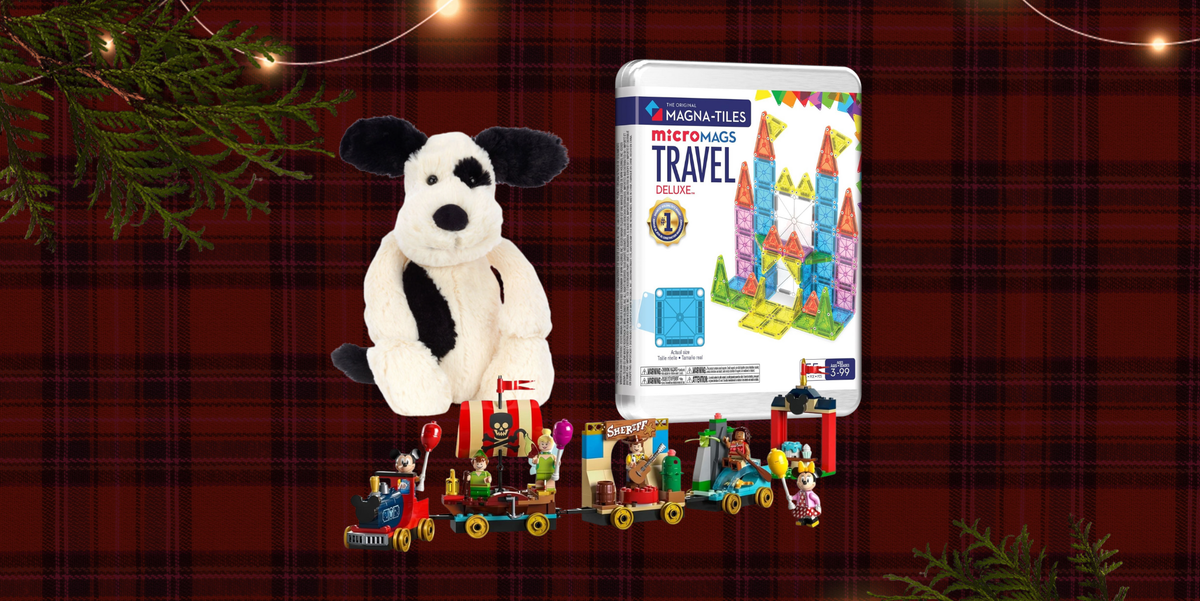
Shopping for a 4-year-old is a delightful little adventure. They are old enough to have very strong opinions, young enough to believe a cardboard box is luxury real estate, and energetic enough to make a living room feel like a trampoline park with throw pillows. The best toys and gifts for 4-year-olds in 2025 should do more than look cute in a gift bag. They should help preschoolers build confidence, practice problem-solving, move their bodies, tell stories, create art, and proudly announce, “I did it myself!” approximately 47 times a day.
At this age, children are developing imagination, social skills, coordination, early language, counting, emotional awareness, and fine motor strength. That makes 4 a golden age for pretend play sets, construction toys, puzzles, art supplies, early STEM kits, outdoor toys, screen-free storytelling, and hands-on gifts that survive both enthusiasm and snack crumbs. Below is a carefully curated list of 35 excellent toy and gift ideas for 4-year-olds in 2025, with practical buying tips for parents, grandparents, aunts, uncles, and anyone trying not to buy something that sings forever without an off switch.
How to Choose the Best Gifts for 4-Year-Olds
A great gift for a 4-year-old usually checks three boxes: it matches the child’s stage, invites repeat play, and does not create unnecessary safety headaches. Look for age labels, sturdy construction, washable materials, and pieces that are large enough for safe play. For ride-on toys, add a helmet. For art toys, choose washable supplies unless you enjoy living dangerously. For electronic toys, check that batteries are secure and avoid items with loose magnets or tiny parts that can be swallowed.
Most importantly, choose toys that let kids do something. Preschoolers love pressing buttons, but they learn more from building towers, making pretend soup, solving a puzzle, dressing a doll, launching a foam rocket, or creating a purple dinosaur with three eyes because “that is how science works.”
35 Best Toys and Gifts for 4-Year-Olds of 2025
1. Magnetic Tile Building Set
Magnetic tiles are a superstar gift because they combine construction, color recognition, geometry, and open-ended imagination. Kids can build castles, garages, rocket ships, animal houses, or something they call “a banana airport.” Choose large, sealed magnetic tiles from reputable brands and inspect them regularly for cracks.
2. LEGO DUPLO Building Set
LEGO DUPLO sets are ideal for 4-year-olds who love building but are not ready for tiny bricks everywhere. Trains, animal sets, houses, and construction themes support storytelling and fine motor skills. They are also durable enough to survive dramatic tower collapses.
3. Wooden Block Set
Classic wooden blocks never go out of style. They help with balance, planning, spatial reasoning, and patience. A 4-year-old may start with a simple tower and end with an entire neighborhood, complete with a “no grown-ups allowed” hotel.
4. Kid-Safe Cardboard Construction Tool
For creative kids, a kid-safe cardboard cutter or construction kit can turn shipping boxes into forts, robots, tunnels, and costume pieces. This type of toy is especially fun for families who already receive too many packages and want the boxes to have a second career.
5. Pretend Play Kitchen
A play kitchen is one of the best gifts for imaginative preschoolers. It encourages role-play, language development, sharing, sequencing, and social skills. Add pretend food, pots, pans, and a tiny apron for the full “chef who only serves plastic pizza” experience.
6. Wooden Pretend Food Set
Sliceable fruits, vegetables, sandwiches, and picnic sets are satisfying for little hands. They teach food vocabulary, sorting, counting, and pretend cooking. Bonus: the child may start preparing you wooden broccoli for breakfast.
7. Doctor or Veterinarian Kit
A doctor or vet kit helps children process real-life experiences through play. Stethoscopes, bandages, thermometers, and plush patients encourage empathy and storytelling. It is also a wonderful gift for kids who like helping others.
8. Dress-Up Costume Set
Costumes let 4-year-olds become firefighters, astronauts, chefs, superheroes, animals, doctors, or royalty before lunch. Choose washable, easy-on pieces with simple closures. Dress-up play supports confidence, language, and emotional expression.
9. Dollhouse or Family Playset
A dollhouse with chunky figures gives children a stage for everyday storytelling. They can act out bedtime, school, visits, parties, and sibling negotiations. Look for pieces sized appropriately for preschoolers and avoid sets with tiny accessories.
10. Baby Doll with Accessories
Baby dolls are excellent for nurturing play. Bottles, blankets, strollers, and soft clothing help children practice caregiving, routines, and emotional understanding. A machine-washable doll is always a smart choice because preschool love can be sticky.
11. Animal Figure Collection
Dinosaurs, farm animals, safari animals, ocean creatures, and pets are perfect for sorting, storytelling, and early science conversations. Choose sturdy figures with realistic details and rounded edges. Add a simple storage bin so the lion does not end up under the couch forever.
12. Train Set
Wooden trains, plastic track systems, and preschool-friendly train sets encourage planning and cause-and-effect thinking. Kids can design routes, build stations, and create delivery missions. Train sets are especially good for independent play and cooperative play with siblings.
13. Toy Cars and Track Set
Cars, ramps, and tracks are reliable crowd-pleasers. They support hand-eye coordination, prediction, and physics basics like speed and gravity. A simple track with chunky cars is better for 4-year-olds than complicated sets that require an adult engineer on standby.
14. Age-Appropriate Puzzle Set
Four-year-olds are often ready for more challenging puzzles, such as 36-piece, 48-piece, or even 60-piece designs depending on the child. Puzzles build patience, visual discrimination, and problem-solving. Choose themes they love: animals, trucks, space, princesses, maps, or dinosaurs.
15. Cooperative Board Game
Cooperative games are brilliant for preschoolers because everyone works toward a shared goal. They teach turn-taking, counting, color recognition, and graceful losing without turning game night into a tiny courtroom drama.
16. Memory Matching Game
A matching game is simple, affordable, and surprisingly powerful. It helps with concentration, visual memory, vocabulary, and patience. Pick one with favorite animals, characters, foods, or vehicles to keep the child engaged.
17. Screen-Free Audio Player
Screen-free audio players with story figures or cards are a fantastic gift for quiet time, bedtime, travel, and independent listening. They encourage language development and imagination without handing a preschooler a tablet loaded with accidental app purchases.
18. Storytime Projector
A story projector turns bedtime into a small theater. Kids can watch images on the wall while listening to a story, making it a cozy bridge between books and independent sleep routines. Choose simple controls and sturdy cartridges or discs.
19. Picture Book Gift Set
Books are never boring when you choose the right ones. Look for funny read-alouds, rhyming stories, interactive books, alphabet books, and stories about friendship, feelings, bedtime, or preschool. A book set pairs beautifully with pajamas or a plush toy.
20. Washable Art Easel
An art easel with a chalkboard, whiteboard, or paper roll gives young artists space to create big masterpieces. Add washable markers, chunky chalk, and paint cups. The keyword is washable. Repeat it like a parenting mantra.
21. Mess-Free Coloring Set
Mess-free coloring kits are ideal for travel, restaurants, and parents who have already scrubbed marker off a wall this year. Special paper and markers allow creativity without turning the dining table into modern art.
22. Play-Dough Set
Play-dough builds hand strength, creativity, and sensory exploration. Sets with rollers, cutters, pretend bakery tools, or animal molds are especially engaging. Store dough properly unless you want colorful little fossils by morning.
23. Beginner Craft Kit
Look for preschool craft kits with stickers, foam shapes, large beads, washable glue sticks, safety scissors, and simple instructions. Crafting supports fine motor skills and gives kids the joy of making something they can proudly display on the fridge.
24. Large Lacing Beads
Large lacing beads help children practice hand-eye coordination, patterning, color recognition, and patience. They are simple but deeply useful. Choose oversized beads and thick cords designed for preschoolers.
25. Balance Bike
A balance bike is one of the best active gifts for 4-year-olds. It helps children develop coordination and confidence before moving to a pedal bike. Always pair it with a properly fitted helmet.
26. Three-Wheel Scooter
A stable scooter encourages outdoor movement, balance, and independence. Look for a low deck, easy steering, quality wheels, and adjustable handlebars. Again, the helmet is not optional; it is part of the gift.
27. Indoor Balance Beam
Foam or wooden balance beams are great for rainy days. They support coordination, core strength, and confidence. Many sets can be rearranged into different paths, which keeps the fun fresh.
28. Stomp Rocket
A stomp rocket is pure preschool joy. Kids stomp, rockets fly, everyone cheers, and basic physics sneaks in wearing a party hat. Choose foam rockets and use them in an open outdoor space.
29. Musical Instrument Set
Egg shakers, tambourines, xylophones, drums, and rhythm sticks encourage listening, coordination, and creative expression. For family peace, choose instruments with pleasant tones. A tiny drum is fun; a tiny marching band at 6 a.m. is character-building.
30. Counting Cash Register
A toy cash register introduces counting, pretend shopping, money concepts, and social play. Kids can scan pretend groceries, make change, and announce that one carrot costs “one hundred dollars.” Inflation is tough in the playroom.
31. Beginner Coding Robot
Preschool coding toys introduce sequencing, direction, logic, and problem-solving without requiring reading skills. Look for button-based robots designed for ages 4 and up. The best ones feel like play first and learning second.
32. Kid Binoculars or Nature Explorer Kit
Binoculars, magnifying glasses, bug viewers, and nature journals make outdoor walks more exciting. They encourage curiosity, observation, and early science. Choose durable, child-sized tools with soft eye cups and a neck strap that is safe and breakaway.
33. Water Table or Sand Table
A water table or sand table can entertain preschoolers for ages. Scooping, pouring, measuring, and pretending all happen naturally. It is sensory play, science play, and “please let me have five more minutes” play in one package.
34. Gardening Kit for Kids
A child-sized gardening set with gloves, tools, seeds, and a watering can gives kids a sense of responsibility. Fast-growing plants such as beans, sunflowers, or herbs make the experience more rewarding. Dirt is included free of charge by nature.
35. Plush Toy or Interactive Pet
A soft plush animal is comforting, portable, and often becomes a child’s loyal sidekick. Interactive pets can add sounds, movement, or nurturing routines. Choose toys with secure seams, washable surfaces, and battery compartments that stay firmly closed.
Best Gift Categories by Personality
For the Builder
Choose magnetic tiles, DUPLO, wooden blocks, train tracks, or a cardboard construction kit. These gifts support planning, persistence, and creativity.
For the Little Performer
Go with costumes, musical instruments, puppets, story projectors, or pretend play sets. These gifts encourage confidence, language, and social imagination.
For the Active Kid
Balance bikes, scooters, stomp rockets, balance beams, and outdoor sports toys help burn energy in a healthy way. Add safety gear and plenty of open space.
For the Quiet Creator
Art easels, mess-free coloring, play-dough, craft kits, puzzles, and books are excellent choices for focused, hands-on play.
Safety Tips Before You Buy
Always check the manufacturer’s age recommendation, especially for toys with small parts, batteries, magnets, projectiles, or cords. Avoid toys that are extremely loud, cheaply made, or likely to break into sharp pieces. For stuffed toys, look for strong seams and secure eyes. For riding toys, include a helmet. For art supplies, choose nontoxic and washable materials. For online shopping, buy from reputable retailers and be cautious of suspiciously cheap third-party listings with unclear safety information.
Also remember that age 4 does not magically make every child ready for every toy labeled 4+. Some children still mouth objects, some are rough on toys, and some have younger siblings in the home. When in doubt, choose larger pieces, simpler mechanisms, and gifts that invite supervised play.
Real-Life Experience: What Actually Works for 4-Year-Olds
After watching preschoolers play with gifts in real homes, one thing becomes obvious: the toy that wins is not always the flashiest one. It is the toy that gives the child control. A 4-year-old wants to decide where the train goes, what the doll is feeling, why the dinosaur is visiting the kitchen, and whether the block tower is a castle or a “pizza museum.” Open-ended toys tend to stay interesting longer because they change with the child’s imagination.
Construction toys are a perfect example. A magnetic tile set may look simple on day one, but by day seven it can become a zoo, a rocket launch station, a birthday cake factory, or a parking garage for every toy car in the house. Parents often notice that these toys encourage longer attention spans because there is no single correct answer. The child experiments, fails, rebuilds, and learns that wobbling is not the end of the world. It is just engineering with more giggles.
Pretend play gifts are equally powerful. A doctor kit can help a child feel less nervous before a checkup. A play kitchen can turn a shy child into a confident host serving invisible soup. Dress-up clothes give kids permission to try on bravery, kindness, silliness, and leadership. These are not just cute moments for family photos; they are meaningful practice for social and emotional growth.
Art supplies also deserve a permanent place in the gift conversation. Four-year-olds are not trying to create gallery-ready work. They are learning how colors mix, how pressure changes a line, how scissors move, and how ideas become visible. The best art gifts give enough structure to prevent frustration but enough freedom to avoid turning creativity into homework. Washable materials are a gift to adults, too.
Active toys can be lifesavers, especially when a child has more energy than the household Wi-Fi router. Balance bikes, scooters, stomp rockets, and indoor balance beams help kids practice coordination while giving them a healthy way to move. The trick is to match the toy to the space available. A scooter is fantastic outside; a balance beam may be better for apartments or rainy days.
Screen-free audio toys and books are also popular because they create calm without removing imagination. A child can listen to a story while building, resting, or settling down before bed. For many families, these gifts become part of daily routines, which is the secret sign of a truly successful present.
The biggest lesson is this: the best gift for a 4-year-old does not need to be complicated. It should be safe, sturdy, inviting, and flexible. When a toy helps a child build, pretend, move, create, solve, or care for something, it has a strong chance of becoming more than a present. It becomes part of childhood.
Conclusion
The best toys and gifts for 4-year-olds of 2025 are the ones that meet preschoolers right where they are: curious, energetic, imaginative, emotional, funny, and proudly independent. From magnetic tiles and pretend kitchens to balance bikes, puzzles, craft kits, story players, and outdoor explorer sets, the smartest gifts combine fun with real developmental value. Choose toys that encourage creativity, movement, problem-solving, language, and social play, and you will give more than a wrapped present. You will give a child a new way to explore the world.