

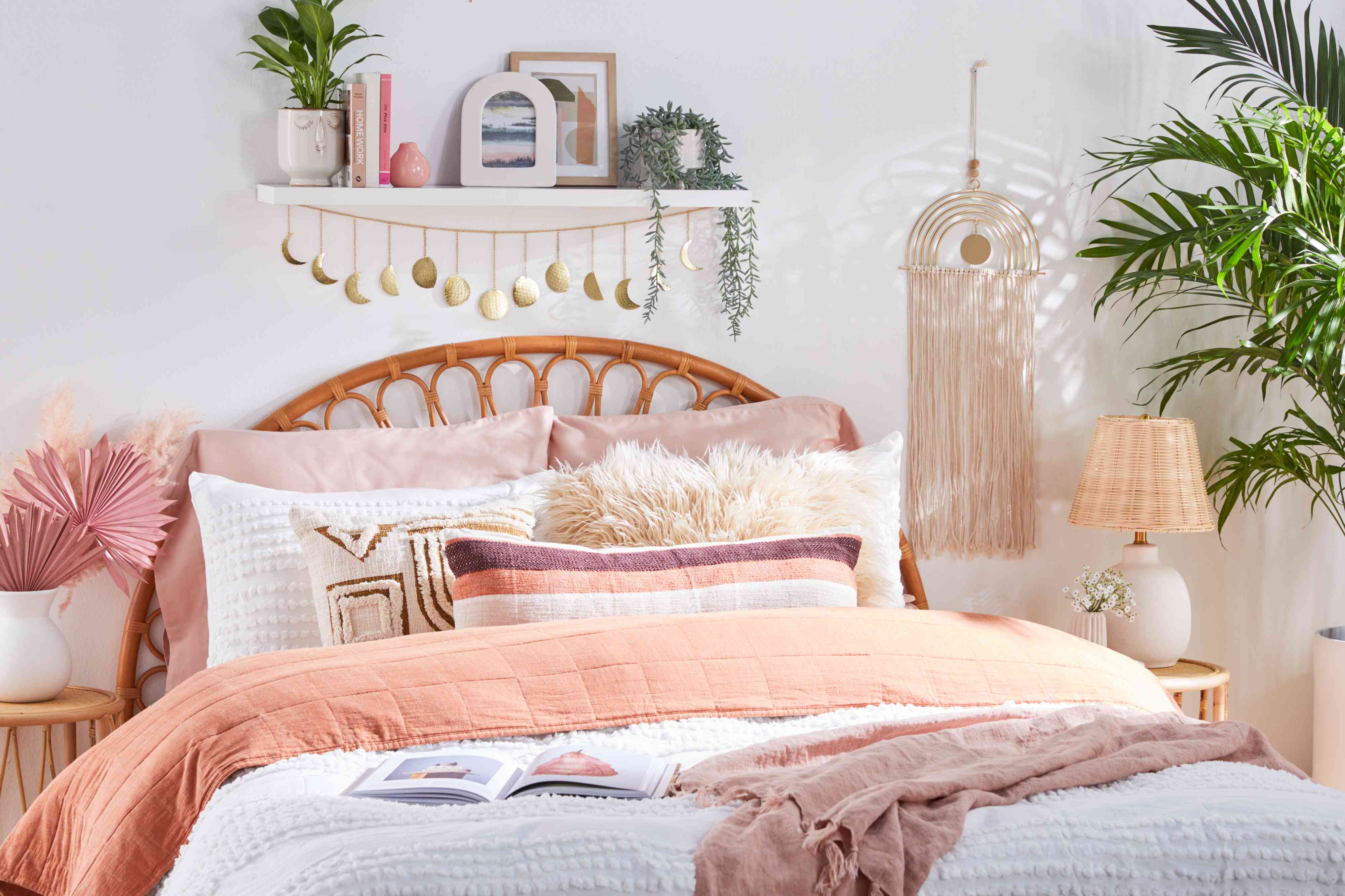
If your room currently looks like it was decorated by “whatever was on sale” and “that chair holding seven hoodies,” welcome. You are among friends. The good news is that creating an aesthetic room does not require celebrity money, a design degree, or a mysterious ability to fold throws like a catalog stylist. It mostly takes intention, a little editing, and a willingness to admit that overhead lighting sometimes behaves like an interrogation lamp.
The best aesthetic room ideas blend beauty with comfort. A trendy space is not just pretty for photos; it should feel good when you wake up, study, read, relax, or scroll for “just five minutes” and accidentally enter another time zone. The smartest room makeover ideas use layered lighting, texture, thoughtful color palettes, renter-friendly decor, and a few personality-packed details that make the room feel unmistakably yours.
Below, you will find 37 aesthetic room ideas that work for bedrooms, studio apartments, dorms, and cozy corners that need a little more charm and a lot less “default setting.” Whether your style leans minimalist, earthy, vintage, soft-girl, moody, eclectic, or somewhere between Japandi calm and dopamine decor chaos, these ideas can help you build a trendy space that still feels livable.
Why Aesthetic Room Design Works
A beautiful room is really a well-edited mood. The most inviting spaces balance color, shape, texture, light, and function. That means your decor should not only look stylish but also solve real problems: poor lighting, bare walls, clutter, awkward layouts, or a general lack of soul. In other words, yes, the mirror should be cute, but it should also bounce light and make the room feel bigger. Multitasking is not just for people answering emails while reheating coffee.
37 Aesthetic Room Ideas to Upgrade Your Space
Color, Walls, and Big-Impact Backdrops
- Choose a signature color palette. Pick three to five tones and repeat them throughout the room. A consistent palette makes even budget decor feel curated, whether you love creamy neutrals, earthy greens, dusty pinks, or moody plum-browns.
- Try a peel-and-stick accent wall. Removable wallpaper is one of the easiest ways to give a trendy space instant personality. Florals, subtle stripes, mural prints, and textured neutrals all add depth without demanding a long-term commitment.
- Paint the room in a soft, cozy shade. Warm white, sage, muted blue, or mauve can shift the mood fast. If you want the room to feel calmer, lean into colors that feel gentle rather than shouty.
- Create a painted headboard effect. Instead of buying a bulky headboard, paint an arch, rectangle, or color block behind the bed. It is affordable, graphic, and oddly satisfying, like eyeliner that actually goes on straight.
- Go for color drenching. Paint the walls, trim, and even shelving in a similar shade for an immersive look. This works especially well in small rooms because it makes the space feel intentional instead of chopped up.
- Add a mural or oversized wall art. One large visual statement often works better than ten tiny pieces fighting for attention. Think abstract art, a dreamy landscape, or a black-and-white photo print with scale.
- Use wall paneling or faux molding. Even simple trim details can make a plain room feel elevated. This is perfect if you want your bedroom decor to look more expensive without replacing all your furniture.
- Decorate the ceiling. Aesthetic rooms do not stop at eye level. Paint the ceiling a soft tint, add peel-and-stick stars, or use subtle ceiling medallions if you want a room that feels thoughtfully layered.
Lighting Ideas That Save the Vibe
- Layer your lighting. Every stylish room needs more than one light source. Combine overhead light, a bedside lamp, ambient glow, and task lighting so the room works for every mood from homework to hibernation.
- Swap harsh bulbs for warm ones. If your room lighting feels like it belongs in a dentist’s office, warmer bulbs can instantly soften the whole space. Tiny change, dramatic payoff.
- Add wall sconces. Plug-in sconces are ideal for small bedrooms because they free up nightstand space and look more polished than a lonely lamp doing all the work.
- Use LED strip lights the grown-up way. Tucked behind a headboard, under shelves, or around a mirror, they can look sleek and atmospheric. The key is subtle placement, not “gaming cave meets spaceship runway.”
- Hang string lights with intention. Instead of draping them randomly like festive noodles, frame a window, line a shelf, or trace a canopy bed for a softer, more designed effect.
- Bring in a sculptural table lamp. Lighting can double as decor. A mushroom lamp, ceramic lamp, pleated shade, or vintage brass base adds shape and personality even when switched off.
- Place a mirror near light sources. Mirrors help bounce light around the room, making it feel brighter and larger. This is one of the oldest tricks in the design book because, frankly, it still works.
Texture, Bedding, and Soft Layers
- Invest in beautiful bedding. Your bed is usually the largest visual element in the room, so start there. Linen, cotton, quilted textures, and tonal layering make the whole space feel intentional.
- Mix at least three textures. Pair crisp sheets with a chunky knit throw, velvet cushion, or boucle accent pillow. Texture keeps neutral rooms from looking flat and makes colorful rooms feel richer.
- Add an oversized throw blanket. Drape it at the foot of the bed or over a chair. A casual throw says, “I live stylishly,” even if five minutes earlier you were eating crackers in bed.
- Use an area rug to anchor the space. A rug softens the room, adds pattern, and defines zones. Even a simple neutral rug can make the room feel finished instead of vaguely temporary.
- Hang floor-to-ceiling curtains. Mount curtains higher than the window to make the room look taller and more dramatic. It is a classic designer move that gives small rooms a little main-character energy.
- Try a canopy or bed drape. Sheer fabric around a bed adds softness and romance without a total furniture overhaul. It is especially effective in rooms that need vertical interest.
Furniture and Layout Tricks for a Trendy Space
- Choose furniture with curves. Rounded mirrors, arched bookcases, scalloped edges, and curved chairs can soften a boxy room. They make the space feel more current and less rigid.
- Float furniture when possible. Not everything has to be pressed flat against the wall. Pulling a chair or bed slightly away from the edge can make a room feel more designed and less like a storage diagram.
- Use a picture ledge as a nightstand. In small rooms, a narrow wall shelf can hold a lamp, book, and water glass without eating up floor space. Tiny room, big brain move.
- Try a bench or stool at the foot of the bed. It adds function and visual polish. Use it for seating, books, baskets, or the ceremonial placement of clothes that are not dirty but not exactly clean.
- Add hidden storage pieces. Ottomans, under-bed bins, and lidded baskets help keep the room clean, and nothing kills an aesthetic faster than clutter breeding in plain sight.
- Create zones in one room. Use a rug, curtain divider, or shelf to separate a sleeping area from a desk or vanity. This makes studio apartments and multipurpose bedrooms feel more intentional.
- Style open shelving carefully. Mix books, framed prints, candles, boxes, and sculptural objects. Leave breathing room so the shelf looks collected rather than like a yard sale with commitment issues.
Decor Details That Add Personality
- Build a gallery wall. Use art, postcards, photos, prints, and small objects in a tight palette for a collected look. This is one of the easiest ways to make a room feel personal and stylish.
- Lean a large floor mirror. A tall mirror makes the room feel bigger and adds instant drama. It also serves the practical purpose of letting you check whether your outfit says “effortless” or “accidental.”
- Add houseplants at different heights. One trailing plant, one upright plant, and one tiny desk plant can bring a room to life. Greenery softens hard edges and makes a trendy room feel fresher.
- Display books as decor. Stack them on nightstands, shelves, or a bench. Books add color, height, and character, plus they make you look mysterious and literate even when you are rereading the same three comfort titles.
- Use candles and diffusers. An aesthetic room should feel good, not just photograph well. Scents like cedar, vanilla, fig, linen, or bergamot can help define the atmosphere.
- Incorporate vintage or thrifted pieces. A single antique mirror, secondhand lamp, or worn wood side table gives the room soul. Perfect rooms often feel sterile; collected rooms feel alive.
- Try dopamine decor in small doses. If you love bold colors and quirky shapes, add them through art, pillows, or a fun lamp instead of overwhelming the whole room. A little joy goes a long way.
- Bring in natural materials. Rattan, linen, jute, wood, stone, and woven baskets make a room feel grounded. These textures are especially useful in Japandi, earthy, and quiet-luxury inspired spaces.
- Personalize one “hero corner.” Style a desk, vanity, reading chair, or record nook with intention. A single beautiful corner can set the tone for the whole room and makes your space feel designed instead of merely occupied.
How to Make These Aesthetic Room Ideas Work Together
The secret is not using all 37 ideas at once unless your design goal is “stylish treasure hunt.” Start with the basics: color palette, lighting, bedding, and one strong wall treatment. Then add storage, texture, and a few personality pieces. A room feels trendy when the elements talk to each other. If the rug says earthy calm, the neon poster should at least be a polite conversationalist.
It also helps to choose a loose style direction. For example, a soft minimalist room might combine warm white walls, linen bedding, a curved lamp, and one oversized print. An eclectic aesthetic room could mix floral wallpaper, vintage frames, sculptural lighting, and color-blocked bedding. A cozy small bedroom might lean on floating shelves, picture-ledge nightstands, wall sconces, and layered curtains to maximize style without sacrificing space.
What It Actually Feels Like to Live in an Aesthetic Room
There is a reason people keep chasing the perfect room makeover. A well-designed space changes your daily experience in quiet but noticeable ways. You do not just see the difference; you feel it the second you walk in. The room stops feeling like a random container for your stuff and starts feeling like a place with a pulse. The light is softer. The bed looks inviting instead of accidental. The chair in the corner becomes a reading spot rather than a laundry monument. Suddenly, the room supports your routines instead of silently judging them.
One of the best parts of creating a trendy space is how it can change your habits without demanding a complete personality transplant. A room with layered lighting makes evenings feel calmer. A desk corner with art, a plant, and better organization can make work or study a little less painful. A full-length mirror, good curtains, and a rug can make an ordinary morning routine feel more pulled together. It is not magic, exactly, but it is suspiciously close for something involving pillows.
There is also a confidence boost that comes from having a room that reflects your taste. Maybe you discover you love earthy textures, warm mauves, and vintage wood. Maybe your version of aesthetic is playful, colorful, and a little weird in the best way. Maybe you want your bedroom decor to feel like a boutique hotel, a creative studio, or a soft cloud where stress is not allowed to enter without knocking. Whatever your direction, the experience becomes more personal once the room begins to tell the truth about who you are and what makes you comfortable.
People often assume stylish rooms are high-maintenance, but the opposite can be true. When a room is thoughtfully arranged, it is easier to keep clean, easier to use, and easier to enjoy. Hidden storage cuts visual chaos. A consistent color palette makes new purchases easier. Purposeful decor means fewer random objects hanging around just because they had nowhere else to go. The room starts working with you. That alone can make the space feel more peaceful.
And then there is the emotional side. Aesthetic room ideas are not only about trends; they are about building a backdrop for your real life. This is the room where you crash after a long day, talk to friends, read, plan, study, celebrate small wins, and recover from chaotic weeks. When the space feels comforting, it becomes easier to rest. When it feels inspiring, it becomes easier to create. When it feels like yours, it becomes easier to breathe.
That is why the best room design is never just visual. It is sensory, practical, and personal. It is the warm glow of a lamp instead of a harsh ceiling bulb. It is the feel of washed linen sheets. It is the little shelf that keeps your favorite book, lip balm, and water within reach. It is the plant in the corner that somehow makes the whole room feel more alive. Tiny details create a larger emotional effect, and that is what makes a room memorable.
If you are starting from scratch, do not worry about getting everything perfect right away. Most beautiful rooms evolve. They grow one lamp, one art print, one thrifted find, one new throw pillow at a time. The most charming spaces usually have history in them. They look lived in, loved, edited, and real. So build slowly, pay attention to what makes you feel good, and let your room become stylish in a way that still makes sense for daily life. Trendy is great. Trendy and comfortable is elite.
Conclusion
The best aesthetic room ideas do more than copy what is trending online. They help you shape a space that feels cozy, functional, and undeniably personal. Start with lighting, color, and bedding, then build in texture, art, storage, and a few standout details. Whether your dream room is calm and neutral, vintage and layered, or playful and color-rich, the goal is the same: create a trendy space that feels good to live in every single day.