

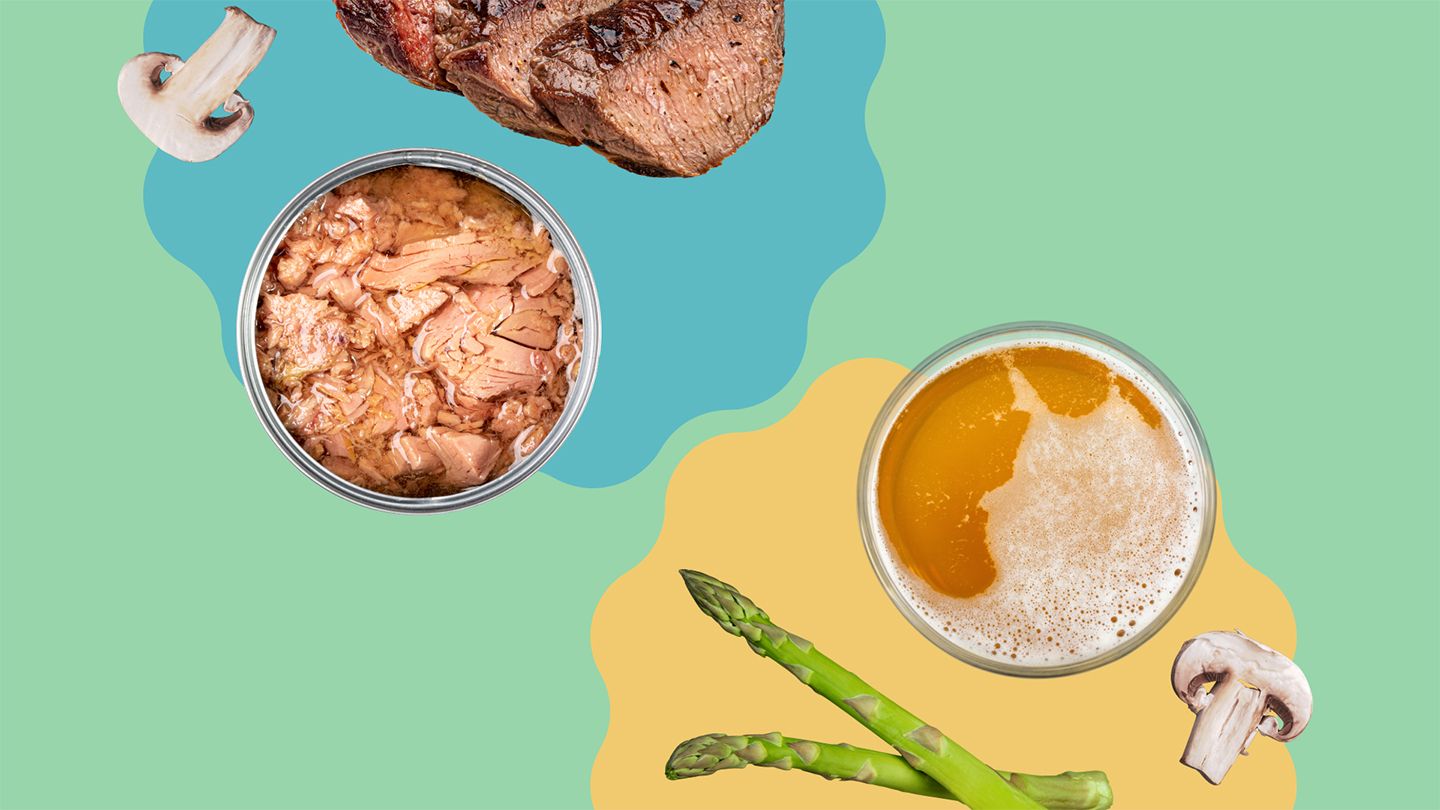
Uric acid may sound like something that belongs in a chemistry lab, but it is actually part of everyday biology. Your body makes it when it breaks down substances called purines, which are found naturally in your cells and in many foods. Most of the time, uric acid leaves the body through urine without causing drama. But when levels climb too high, it can collect in the blood and, for some people, contribute to gout flares or kidney stone risk.
The tricky part? Uric acid is not controlled by one single food. It is influenced by genetics, kidney function, medications, hydration, body weight, alcohol intake, and overall eating patterns. Still, food choices matter. Some food groups are more likely to push uric acid upward, especially when eaten often, in large portions, or alongside other risk factors. In other words, your plate is not the whole storybut it is definitely a chapter worth reading.
This guide breaks down the four major food groups that can increase uric acid levels, with practical examples, smarter swaps, and a realistic approach that does not require you to live on plain lettuce and sadness.
Understanding Uric Acid Before Blaming Dinner
Uric acid is produced when the body breaks down purines. Purines are present in many foods, but they are especially concentrated in some animal-based foods and certain alcoholic drinks. When uric acid builds up faster than the body can remove it, blood levels may rise. This condition is known as hyperuricemia.
High uric acid does not always cause symptoms. Some people have elevated uric acid and never experience gout. Others may develop sudden joint pain, swelling, redness, or tenderness, often starting in the big toe, ankle, knee, or other joints. The goal of a uric-acid-conscious diet is not to fear every bite, but to reduce repeated exposure to the foods and drinks most strongly associated with higher levels.
A useful rule of thumb: occasional servings are different from daily habits. A single steak dinner is not the same as steak, bacon, beer, and soda becoming a weekly food festival. Your body can handle variety. What it dislikes is being repeatedly handed the same metabolic homework with no weekend off.
1. Organ Meats, Red Meats, and Some Processed Meats
When it comes to foods that can increase uric acid levels, organ meats usually sit at the top of the list wearing a tiny crown of purines. Liver, kidney, sweetbreads, and similar organ meats are especially rich in purines, which can lead to increased uric acid production during digestion.
Common examples
- Liver
- Kidney
- Sweetbreads
- Beef
- Lamb
- Pork
- Venison and other game meats
- Bacon, sausage, and other processed meats
Red meat does not need to disappear from everyone’s diet, but frequent large portions can be a problem for people who are prone to high uric acid or gout. Beef, pork, lamb, and game meats generally contain more purines than many white meats and plant-based proteins. Processed meats can add another issue: they are often high in sodium and saturated fat, which may not directly create uric acid but can make the overall diet less supportive of heart, kidney, and metabolic health.
Why this group matters
Purines from animal tissue are broken down into uric acid. The more often a person eats high-purine meats, especially in large portions, the more raw material the body has for uric acid production. This does not mean a person must become vegetarian overnight. It does mean that meat portions, frequency, and choices deserve attention.
Smarter swaps
Try choosing smaller portions of poultry, eggs, low-fat dairy, tofu, lentils, or beans as part of a balanced diet. Although some legumes contain purines, plant-based purines do not appear to behave the same way as high-purine animal foods for many people. That is good news for anyone who does not want dinner to become a sad parade of boiled chicken.
For a practical plate, aim for a modest protein serving, plenty of vegetables, whole grains, and water. If you enjoy red meat, consider saving it for occasional meals rather than making it the star of every dinner. Your joints may appreciate the scheduling change.
2. Certain Seafood and Shellfish
Seafood has a health halo for good reasons. Fish can provide protein, omega-3 fats, minerals, and other nutrients. But for uric acid management, not all seafood plays equally nice. Some types are high in purines and may contribute to higher uric acid levels or gout flare risk in sensitive individuals.
Seafood commonly listed as higher in purines
- Anchovies
- Sardines
- Herring
- Mackerel
- Trout
- Mussels
- Scallops
- Shrimp
- Lobster
- Crab
The seafood category can be confusing because fish is generally considered healthy. That is why the best advice is not “never eat seafood,” but “choose carefully and watch portions.” A person managing gout or high uric acid may still be able to include small amounts of fish, especially when guided by a clinician or dietitian.
Why shellfish can be sneaky
Shellfish often appears in meals that are rich, salty, or paired with alcohol. Think shrimp cocktail at a party, mussels with wine, or crab cakes with creamy sauce. The seafood itself may contain purines, and the full meal pattern can add extra stress through sodium, alcohol, or large portions. Basically, the seafood may not be acting alone; it brought friends.
How to make seafood choices more uric-acid friendly
If seafood is part of your diet, keep portions moderate and avoid stacking multiple high-purine choices in the same meal. Instead of a giant seafood platter, choose one small serving and balance it with vegetables, whole grains, and water. Grilling, baking, or steaming is usually better than deep-frying or drowning seafood in heavy sauces.
People with frequent gout flares may need stricter limits on certain seafood, especially during active flares. During symptom-free periods, some individuals can tolerate occasional portions. Personal response matters, so keeping a food and symptom journal can be surprisingly helpful. Yes, it is less glamorous than a detective notebook, but it can reveal patterns your memory politely edits out.
3. Alcohol, Especially Beer and Distilled Spirits
Alcohol deserves its own category because it can affect uric acid in more than one way. It may increase uric acid production, reduce the body’s ability to remove uric acid efficiently, and contribute to dehydration. Beer is often considered especially problematic because it contains purines from brewer’s yeast in addition to alcohol.
Alcoholic drinks most often linked with uric acid concerns
- Beer
- Distilled spirits such as whiskey, vodka, rum, and gin
- Heavy or frequent alcohol intake of any kind
Wine is sometimes described as less strongly associated with gout than beer or liquor, but that does not make it a free pass. Alcohol affects hydration and uric acid handling, so moderation still matters. During a gout flare, many medical sources advise avoiding alcohol completely.
Why beer gets singled out
Beer is a double troublemaker. It contains alcohol, which can interfere with uric acid removal, and it also contains purines. That combination can make it more likely to raise uric acid or trigger symptoms in people who are susceptible. If uric acid had a group chat, beer would probably be muted.
Practical alternatives
Water is the obvious choice, but it does not have to be boring. Sparkling water with citrus, unsweetened iced tea, mint water, or chilled herbal tea can make alcohol-free choices feel less like punishment. If you do drink, avoid binge drinking, hydrate between drinks, and consider discussing safe limits with a healthcare professionalespecially if you have gout, kidney disease, high blood pressure, or take medications.
The goal is not moral judgment. It is chemistry. Your kidneys are already working hard. They do not need a surprise party hosted by beer, dehydration, and salty snacks.
4. Sugary Drinks, High-Fructose Foods, and Sweetened Processed Snacks
Not all uric-acid-raising foods are high in purines. Fructose is the major exception. When the body processes fructose, it can increase uric acid production. That makes sugary drinks and high-fructose processed foods important to watch, even though they are not “meaty” or “seafoody” in any way.
Common sources of added fructose and sugar
- Regular soda
- Sweet tea
- Fruit drinks and fruit punch
- Energy drinks
- Sweetened coffee drinks
- Candy
- Packaged pastries
- Sweetened cereals
- Cookies, cakes, and desserts
- Foods containing high-fructose corn syrup
Whole fruit is different from soda or candy. Fruit contains water, fiber, vitamins, minerals, and antioxidants. Most people do not need to avoid whole fruit unless their healthcare provider gives specific advice. The bigger issue is added sugar, especially in drinks, because liquid sugar is easy to consume quickly and does not satisfy hunger the same way solid food does.
Why sweet drinks are a big deal
A large soda or sweetened beverage can deliver a heavy sugar load in minutes. The body processes that sugar, and fructose metabolism can contribute to uric acid production. Over time, frequent sugary drinks may also support weight gain and insulin resistance, both of which can make uric acid management more difficult.
Simple swaps that actually feel doable
Replace soda with sparkling water, unsweetened tea, infused water, or diluted 100% juice used occasionally rather than daily. If you love sweet coffee drinks, try reducing syrup pumps gradually. Taste buds adapt, but they need a little notice. Nobody likes being surprised by unsweetened coffee on a Monday morning.
For desserts, portion size matters. A small dessert after a balanced meal is very different from using pastries, candy, and soda as everyday fuel. Aim for a pattern where sweet foods are occasional treats, not the main cast of the afternoon snack lineup.
Foods That Are Often Better Choices for Uric Acid Management
Once people learn about uric acid, they sometimes ask, “So what can I eat?” The answer is: more than you think. A uric-acid-friendly eating pattern often looks similar to a heart-healthy diet: plenty of vegetables, fruits, whole grains, low-fat dairy, nuts, seeds, and moderate portions of lean protein.
Helpful options to include more often
- Low-fat milk, yogurt, and cottage cheese
- Eggs
- Tofu and soy foods
- Beans and lentils in moderate portions
- Whole grains such as oats, brown rice, and quinoa
- Vegetables of many colors
- Whole fruits, especially vitamin C-rich choices
- Water and unsweetened beverages
Vegetables are worth defending here. Some vegetables contain purines, but research and clinical guidance generally do not treat purine-rich vegetables the same way as organ meats or high-purine seafood. For most people, vegetables should remain on the plate. Broccoli is not the villain. It is just trying to help.
How to Lower Uric Acid Without Making Food Miserable
Managing uric acid is easier when the strategy is realistic. Extreme diets can backfire because they are hard to maintain and may remove foods that support overall health. Instead of building a long list of forbidden foods, focus on patterns.
Start with frequency
If you eat red meat five times a week, try reducing it to two or three. If you drink soda daily, begin by replacing one serving with water or unsweetened tea. If beer is a regular weekend habit, consider alcohol-free alternatives or fewer drinks. Small changes repeated consistently can beat dramatic changes abandoned by Thursday.
Watch combinations
A high-purine meal plus alcohol plus dehydration is a common trouble combination. For example, a large steak dinner with beer and very little water may be harder on uric acid levels than a modest serving of meat with vegetables, whole grains, and water. The whole meal matters.
Stay hydrated
Hydration supports kidney function and helps the body remove waste products, including uric acid. Water is not a magic cure, but it is one of the simplest habits to improve. Keep a bottle nearby, add lemon or cucumber if plain water bores you, and do not wait until you feel like a raisin in sneakers.
Do not stop medication without medical advice
Diet can help, but it may not be enough for people with gout or persistently high uric acid. Some people need medication to lower uric acid and prevent flares. If you take prescribed medicine, do not stop it just because you had a salad. Salads are good; they are not pharmacists.
Real-Life Experience: What It Feels Like to Change Your Uric Acid Diet
Changing the way you eat for uric acid management can feel simple on paper and strangely emotional in real life. Food is routine, comfort, celebration, convenience, culture, and sometimes the only thing standing between you and a terrible mood. So when someone says, “Just avoid red meat, shellfish, beer, and sugary drinks,” it can sound like they are casually removing the fun section of the menu.
A realistic experience often begins with confusion. One article says seafood is healthy. Another says seafood may raise uric acid. One person says beans are fine. Another says beans have purines. Then a relative appears at dinner with extremely confident advice based on something they heard in 1998. The first lesson is that uric acid management is not about memorizing every purine chart on the internet. It is about identifying the biggest triggers and building a pattern you can repeat.
For many people, drinks are the easiest first win. Replacing soda with sparkling water or unsweetened tea can reduce added fructose without requiring a full kitchen makeover. It may feel boring for the first week, especially if your taste buds are used to drinks that taste like melted candy. But after a while, overly sweet beverages may start to taste too heavy. That is when the change begins to feel less like discipline and more like a new normal.
Meat portions are another practical adjustment. Instead of building a plate around a huge steak, try using meat as one part of the meal. Add roasted vegetables, rice, potatoes, salad, or soup to make the plate feel full. People often discover that they do not miss giant portions as much as they expectedthey miss flavor. Herbs, garlic, citrus, vinegar, pepper, and low-sodium seasoning can help keep meals interesting without relying on oversized servings of high-purine meats.
Eating out can be the hardest part. Restaurant meals are often large, salty, rich, and paired with alcohol or sweet drinks. A helpful approach is to decide on one indulgence, not four. If you want a burger, skip the beer and soda. If you want seafood, keep the portion moderate and drink water. If dessert is the plan, choose a lighter main dish. This approach keeps meals enjoyable while reducing the “everything all at once” effect.
Another common experience is learning that perfection is unnecessary. One imperfect meal does not erase progress. The body responds to patterns, not just isolated moments. Guilt is not a nutrient, and it does not lower uric acid. What helps is returning to the habits that work: hydration, balanced meals, smaller portions of high-purine foods, fewer sugary drinks, and honest tracking of symptoms.
The most useful tool may be a simple food and flare journal. Write down meals, drinks, hydration, sleep, stress, and symptoms. Over time, patterns may appear. Maybe beer is a clear trigger. Maybe large seafood meals cause trouble. Maybe sugary drinks make things worse when combined with dehydration. This personal information is powerful because gout triggers can vary from person to person.
Finally, it helps to focus on addition, not only restriction. Add water. Add low-fat yogurt. Add fruit. Add vegetables. Add satisfying breakfasts. Add meals that make you feel steady instead of sluggish. A uric-acid-conscious diet should not feel like punishment. Done well, it becomes a practical way to support joints, kidneys, energy, and long-term healthwithout turning every meal into a medical spreadsheet.
Conclusion
The four food groups most likely to increase uric acid levels are organ and red meats, certain seafood and shellfish, alcohol, and sugary or high-fructose foods and drinks. These foods do not affect everyone in exactly the same way, but they are common targets for people managing high uric acid or gout risk.
The best approach is balanced, not extreme. Limit the biggest triggers, choose smaller portions, drink more water, reduce added sugar, and build meals around vegetables, whole grains, low-fat dairy, and moderate protein. If you have gout, kidney disease, frequent joint pain, or high uric acid on lab tests, talk with a healthcare professional for personalized guidance.
Note: This article is for educational purposes only and should not replace medical advice, diagnosis, or treatment from a qualified healthcare professional.