

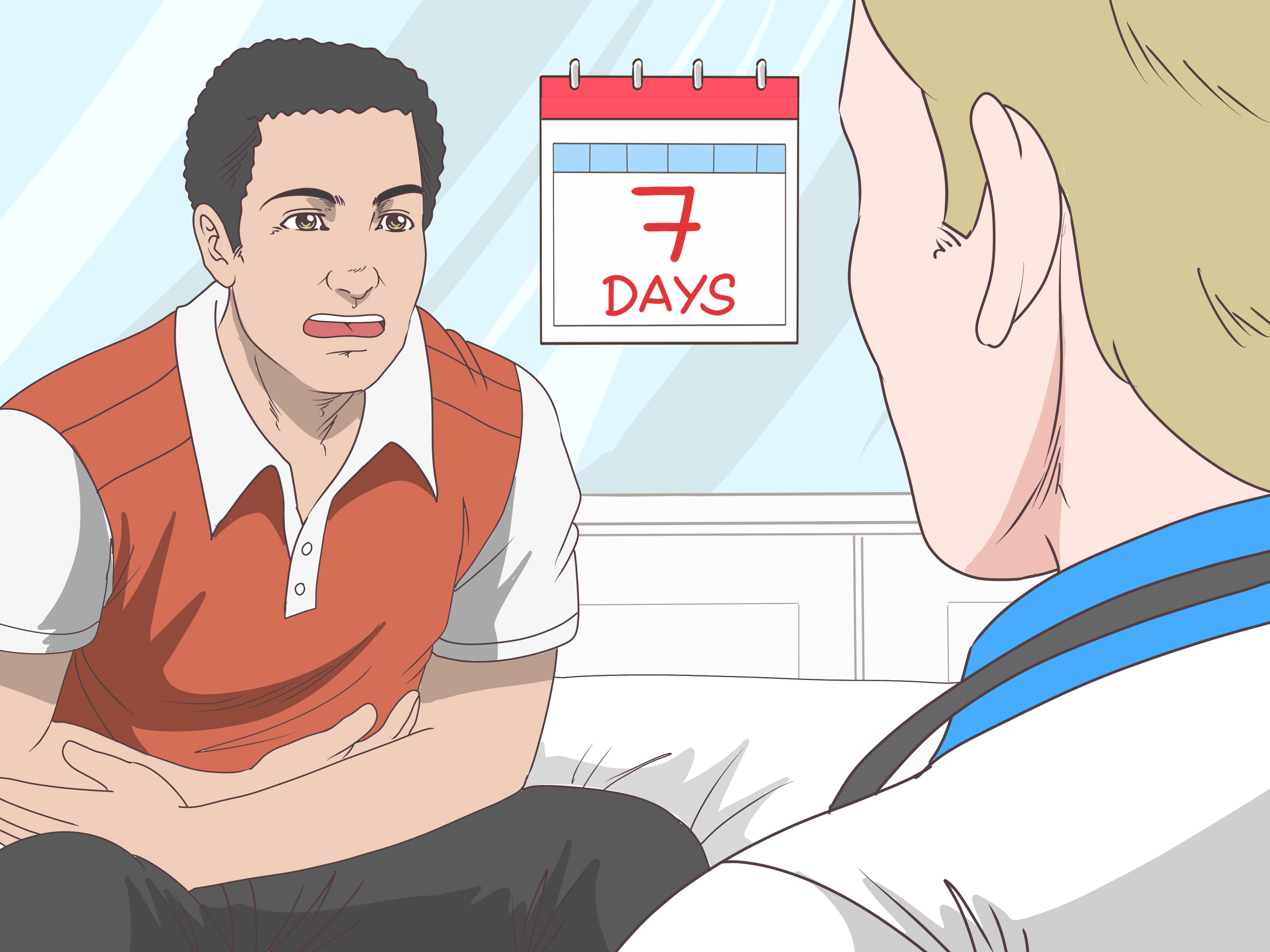
Food poisoning stomach cramps have a unique talent for ruining your plans, your appetite, and your faith in potato salad. One minute you are enjoying dinner; the next, your abdomen is hosting a dramatic off-Broadway production called Revenge of the Suspicious Leftovers. The cramps may come with nausea, vomiting, diarrhea, fever, weakness, and that deeply unfair feeling that your stomach has filed a formal complaint against you.
The good news: most mild cases of food poisoning improve with home care, especially hydration, rest, gentle foods, and smart symptom management. The less glamorous news: your body may need time to remove the irritating germs or toxins, and rushing the process usually backfires. Food poisoning cramps often happen because the digestive tract is inflamed and contracting more than usual. Those contractions help move unwanted invaders out, but they can feel like your intestines are doing sit-ups without your permission.
This guide explains four simple ways to treat food poisoning stomach cramps safely at home, when to call a doctor, what to eat, what to avoid, and how to prevent a repeat performance. It is written in plain American English, with practical examples, a tiny bit of humor, and zero encouragement to “detox” with something that tastes like lawn clippings.
What Causes Food Poisoning Stomach Cramps?
Food poisoning, also called foodborne illness, happens when you eat or drink something contaminated with bacteria, viruses, parasites, toxins, or harmful chemicals. Common culprits include undercooked poultry, raw or undercooked eggs, unpasteurized dairy or juice, contaminated produce, improperly stored leftovers, raw seafood, and foods left too long at room temperature.
Stomach cramps are one of the most common food poisoning symptoms. They may appear within a few hours of eating contaminated food, or sometimes days later, depending on the germ involved. Cramps often arrive with diarrhea because the intestines are irritated and moving faster than normal. Vomiting may happen when the stomach decides, very rudely, that everything must leave immediately.
Most mild cases resolve on their own in a day or two, although some infections can last longer. The main goal is not to “kill” the illness with extreme home remedies. The goal is to protect your body while it recovers, especially by preventing dehydration. Dehydration is the sneaky villain in food poisoning: it does not wear a cape, but it can make you dizzy, weak, confused, and much sicker.
1. Rehydrate Slowly and Replace Electrolytes
If you remember only one thing from this article, make it this: hydration is the foundation of food poisoning treatment. When vomiting or diarrhea shows up, your body loses water and electrolytes such as sodium and potassium. Those electrolytes help your nerves, muscles, and fluid balance work properly. Lose too much, and your stomach cramps may feel worse because your whole system is stressed.
Take Small Sips Instead of Big Gulps
When your stomach is sensitive, chugging water is like dumping a bucket into a tiny sink: it may come right back up. Instead, sip slowly. Try one or two teaspoons every few minutes if nausea is strong. If that stays down, gradually increase to small mouthfuls. Ice chips can also help when drinking feels impossible.
Clear fluids are often easiest at first. Good options include water, oral rehydration solution, clear broth, diluted apple juice, weak tea, or electrolyte drinks. Oral rehydration solutions are especially useful if diarrhea is frequent because they are designed to replace both fluids and minerals. Sports drinks can help some people, but they may contain a lot of sugar and may not replace electrolytes as well as true oral rehydration solutions.
Watch for Signs of Dehydration
Pay attention to warning signs such as very dark urine, urinating much less than usual, dry mouth, dizziness when standing, racing heartbeat, extreme thirst, unusual sleepiness, or confusion. In children, warning signs include no tears when crying, fewer wet diapers, unusual fussiness, or unusual sleepiness. Food poisoning is uncomfortable; dehydration is dangerous.
A simple home strategy is the “sip schedule.” Set a timer for every five minutes and take a small sip. This is not exciting, but neither is lying on the bathroom floor wondering why you ever trusted room-temperature shrimp. Small, steady fluids are often better than heroic gulps.
2. Rest Your Stomach, Then Return to Bland Foods
When cramps, nausea, vomiting, and diarrhea are intense, your digestive system needs a break. That does not mean starving yourself for days. It means giving your stomach time to calm down before asking it to process a cheeseburger, hot wings, or your “emotional support nachos.”
Start With a Short Food Pause
If you are actively vomiting, avoid solid food for a few hours and focus on fluids. Once you can keep liquids down, slowly introduce gentle foods. Do not rush. Your digestive tract just went through a tiny natural disaster; it does not need a buffet.
Good first foods include bananas, rice, applesauce, toast, crackers, plain noodles, oatmeal, boiled potatoes, soup, broth, and boiled vegetables. These foods are bland, low in fat, and generally easier to digest. Plain chicken or eggs may be added later if you feel ready and can tolerate them.
The BRAT Diet Can Help, But Do Not Live There Forever
The BRAT dietbananas, rice, applesauce, and toasthas long been used for upset stomachs because it is gentle and low in fiber. It can be helpful for a short period, especially when diarrhea is active. However, it is not nutritionally complete, so think of it as a temporary bridge back to normal eating, not a long-term lifestyle. Your body needs protein, healthy carbohydrates, and a range of nutrients to fully recover.
Avoid Foods That Can Make Cramps Worse
For the first day or two, avoid greasy foods, fried foods, spicy meals, alcohol, caffeine, heavy dairy products, and very sugary drinks. These can irritate the gut or worsen diarrhea. If coffee is your personality, this may feel cruel, but your intestines are currently negotiating peace terms. Let them win this round.
Also avoid large meals. Try small portions every few hours. A few crackers and broth may be better than a full plate. If a food worsens cramps, back off and return to fluids for a while.
3. Use Gentle Comfort Measures for Cramps
Food poisoning stomach cramps usually come from intestinal irritation, gas, inflammation, and strong muscle contractions. You cannot instantly command your intestines to behave like polite dinner guests, but you can reduce discomfort while the illness runs its course.
Try Warmth, Positioning, and Quiet Rest
A warm compress or heating pad on the abdomen may help relax tense muscles and soothe cramping. Use low or medium heat, wrap the heating pad in a towel, and avoid falling asleep with it on. Warmth should feel comforting, not like you are slow-roasting yourself.
Rest in a position that reduces abdominal pressure. Some people feel better lying on their side with knees slightly bent. Others prefer sitting upright, especially if nausea or reflux is present. Gentle breathing can help too: inhale slowly through your nose, exhale slowly through your mouth, and remind your stomach that everyone is on the same team.
Skip Intense Exercise
This is not the moment to prove your commitment to fitness. Strenuous exercise can worsen dehydration, nausea, and cramps. Light walking around the room may help gas move, but keep it gentle. If you are weak, dizzy, or feverish, rest. The gym will survive without you.
Be Careful With Pain Relievers
If you have fever or body aches, some adults may consider acetaminophen according to label directions, but avoid taking multiple products that contain it. Nonsteroidal anti-inflammatory drugs such as ibuprofen or naproxen may irritate the stomach in some people, especially when vomiting or dehydrated. If you have liver disease, kidney disease, ulcers, take blood thinners, are pregnant, or have other medical conditions, ask a healthcare professional before taking medication.
Most importantly, do not try to “numb” severe abdominal pain and ignore it. Severe, localized, worsening, or persistent pain can signal something more serious than ordinary food poisoning, such as appendicitis, gallbladder disease, pancreatitis, or severe infection. When pain feels unusual or intense, get medical advice.
4. Use Medicine Wisely and Know When to Call a Doctor
Over-the-counter medicines can sometimes help, but they are not always the best choice. Food poisoning is often your body’s attempt to remove harmful germs or toxins. Slowing diarrhea too aggressively can be risky in certain situations.
When OTC Medicine May Help
For adults with mild diarrhea, no fever, and no blood in the stool, bismuth subsalicylate may help calm an upset stomach and reduce diarrhea. Some adults may use loperamide for loose stools if there is no fever and no bloody diarrhea. Always follow package directions and avoid using adult medicines for children unless a pediatrician says it is safe.
Do not use anti-diarrhea medicines if you have bloody diarrhea or fever. These may be signs of bacterial or parasitic infection that needs medical evaluation. Also avoid bismuth subsalicylate if you are allergic to aspirin, take blood thinners, have certain bleeding disorders, are pregnant unless your clinician approves, or are giving it to a child or teenager recovering from a viral illness.
Antibiotics Are Not Always Needed
Many cases of food poisoning improve without antibiotics. Antibiotics only help specific bacterial infections and can be unnecessary or harmful in others. A healthcare provider may recommend stool testing or antibiotics if symptoms are severe, prolonged, linked to an outbreak, or involve high-risk patients.
Call a Doctor for Red Flags
Seek medical care if you have diarrhea lasting more than three days, fever higher than 102°F, bloody diarrhea, repeated vomiting that prevents you from keeping liquids down, signs of dehydration, severe abdominal pain, confusion, fainting, or symptoms that are getting worse instead of better.
People at higher risk should be more cautious. This includes adults age 65 and older, children under 5, pregnant people, and anyone with a weakened immune system or serious chronic condition. For these groups, food poisoning can become serious more quickly, so it is smart to contact a healthcare professional earlier.
What Not to Do When You Have Food Poisoning Cramps
When cramps hit, the internet may offer you a carnival of questionable cures. Please do not treat your digestive tract like a science fair project. Avoid alcohol, extreme fasting, “colon cleanses,” large doses of laxatives, essential oils taken by mouth, or homemade remedies that promise to “flush toxins.” Your body already has a toxin-removal department. It is called your liver, kidneys, and digestive system, and they do not need a motivational influencer shouting at them.
Do not prepare food for others while you are sick, especially if you have vomiting or diarrhea. Wash hands thoroughly after using the bathroom. Clean contaminated surfaces. If you suspect a specific food made you sick, throw it away and clean anything it touched. Nobody wants leftovers with a sequel.
How to Prevent Food Poisoning Next Time
Once you recover, prevention becomes very attractive. Food poisoning has a way of turning people into kitchen-safety philosophers. The basic prevention rules are simple: clean, separate, cook, and chill.
Clean
Wash your hands with soap and water before preparing food, after touching raw meat, after using the bathroom, and before eating. Clean cutting boards, counters, utensils, and reusable grocery bags. Germs are tiny, invisible, and absolutely not invited.
Separate
Keep raw meat, poultry, seafood, and eggs away from ready-to-eat foods. Use separate cutting boards when possible. Cross-contamination is how harmless salad becomes a crime scene.
Cook
Use a food thermometer. Color is not a reliable safety test. Poultry, ground meat, fish, eggs, and leftovers should be cooked or reheated to safe temperatures. Guessing is fine for choosing socks, not for chicken.
Chill
Refrigerate perishable foods promptly. Do not leave cooked food sitting out for hours, especially in warm weather. Bacteria love the temperature danger zone more than people love free samples.
Real-Life Experience: What Food Poisoning Cramps Feel Like and What Actually Helps
Food poisoning is one of those experiences people remember with suspicious clarity. You may forget where you parked yesterday, but you will remember the exact sandwich, picnic plate, airport salad, or “probably still good” leftover that turned your evening into a bathroom-based survival documentary.
A common experience starts with a strange stomach rumble. At first, it is easy to blame normal indigestion. Maybe you ate too quickly. Maybe the sauce was spicy. Maybe your stomach is simply being dramatic. Then the cramps sharpen. They may come in waves, building for a few seconds, easing, and returning like an annoying doorbell. Nausea may rise, and suddenly every smell in the room becomes personally offensive.
One practical lesson from people who have been through it: do not wait too long to hydrate. Many people think, “I’ll drink later when my stomach settles.” The problem is that vomiting and diarrhea can drain fluids quickly. Small sips early can make recovery smoother. A bottle of oral rehydration solution, a cup of broth, or even ice chips can feel surprisingly heroic at 2 a.m.
Another experience-based tip is to create a “recovery zone.” Keep water, electrolyte solution, tissues, a trash bag or bowl, clean towels, a thermometer, and your phone nearby. This saves you from wandering around the house while dizzy or cramped. It also prevents the classic mistake of sprinting across the room while your digestive system is making executive decisions.
Food choices are another lesson learned the hard way. Many people feel a little better and immediately eat something ambitious. The stomach then responds with a strongly worded memo. Start boring. Crackers, toast, rice, bananas, applesauce, soup, oatmeal, and plain noodles may not thrill your taste buds, but they are less likely to restart the cramp parade. When you can eat bland foods without symptoms getting worse, gradually return to a normal diet.
Rest matters more than people expect. Food poisoning can make the body feel heavy, shaky, and sore. That weakness is not laziness; it is recovery. Your immune system and digestive system are working. Give them the quiet shift. Cancel nonessential plans, avoid heavy chores, and sleep when you can. This is not defeat. This is strategic horizontal living.
Warmth can also be comforting. A heating pad on low, a warm blanket, or a warm bath once dizziness has passed can help the body relax. It will not cure the infection, but comfort counts. Food poisoning is miserable enough; take the small wins.
The biggest experience-based warning is to respect red flags. People often try to “tough it out,” especially adults who are used to pushing through discomfort. But bloody diarrhea, high fever, severe dehydration, confusion, fainting, severe pain, or vomiting that will not let fluids stay down should not be treated like a normal upset stomach. Getting medical care is not overreacting. It is common sense wearing clean shoes.
Finally, after the storm passes, most people become more suspicious of leftovers. This is healthy suspicion. Label food dates, refrigerate promptly, reheat thoroughly, and throw away anything questionable. The phrase “when in doubt, throw it out” may sound wasteful until you compare it with another night of stomach cramps. Then it sounds like poetry.
Conclusion
Food poisoning stomach cramps are painful, inconvenient, and occasionally humbling, but most mild cases can be managed at home with the right care. The four simple ways to treat food poisoning stomach cramps are: rehydrate slowly and replace electrolytes, rest your stomach and return to bland foods, use gentle comfort measures, and manage medicines wisely while watching for warning signs.
Do not force food, do not chug liquids, do not ignore dehydration, and do not use anti-diarrhea medicine when fever or bloody diarrhea is present. Give your digestive system time to recover, and call a healthcare provider if symptoms are severe, prolonged, or happening in a high-risk person.
Medical note: This article is for general education only and does not replace professional medical advice, diagnosis, or treatment. If symptoms are severe, unusual, or worsening, contact a healthcare professional or seek urgent care.