

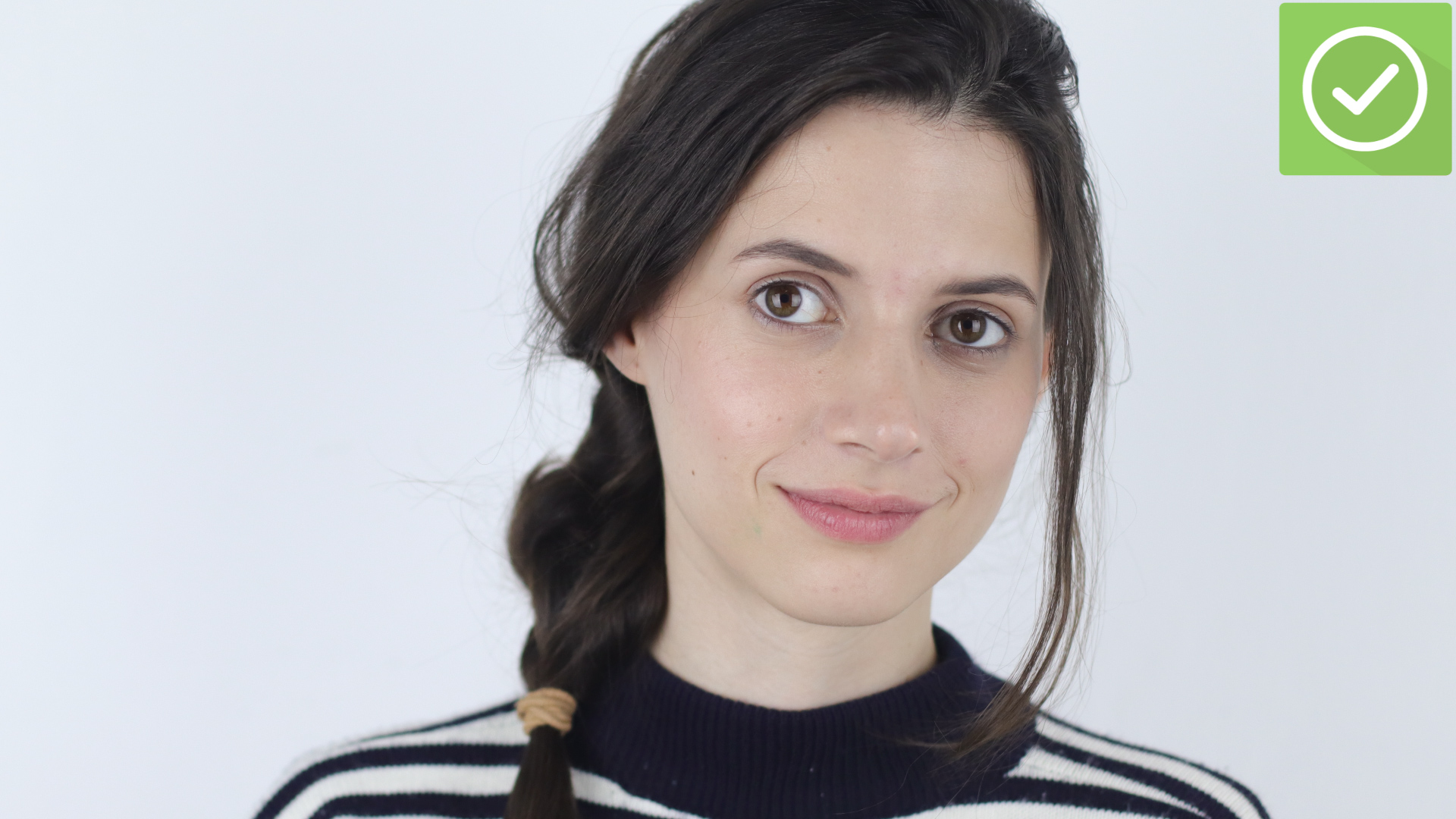
A ponytail is the little black dress of hairstyles: simple, reliable, and somehow appropriate for school drop-off, a job interview, a wedding reception, and a “my dry shampoo is doing community service today” kind of morning. The best part? You do not need a celebrity glam squad, a suitcase of products, or arms made of elastic to make one look polished.
Still, there is a big difference between “I tied my hair up because the weather attacked me” and “I intentionally created a flattering ponytail hairstyle.” Placement, texture, tension, parting, hair type, and the right finishing touch can completely change the final result. A low ponytail can look elegant and soft. A high ponytail can lift the face and add energy. A sleek ponytail can look modern and expensive. A braided ponytail can keep hair controlled while adding detail and personality.
This guide breaks down 4 ways to make a ponytail, with easy steps, styling tips, and practical examples for straight, wavy, curly, thick, fine, short, medium, and long hair. Grab a brush, a hair tie, a few bobby pins, and maybe a mirror that has seen your worst hair days and kept your secrets.
Before You Start: Ponytail Prep That Makes Every Style Better
Before choosing your ponytail style, spend two minutes preparing your hair. This is the difference between “effortless chic” and “tiny escape hairs staging a rebellion.”
Use the Right Hair Tie
Choose a snag-free elastic, spiral hair tie, scrunchie, or covered band. Avoid old elastics with exposed rubber or metal pieces because they can tug, dent, or break strands. If your hair is thick, use a strong elastic or two thinner elastics together. For fine hair, a smaller no-snag elastic often gives better grip without slipping.
Decide on Your Texture
A ponytail does not always need freshly washed hair. In fact, second-day hair often holds better because it has natural grip. If your hair is oily, use dry shampoo at the roots. If it is frizzy, smooth a tiny amount of lightweight cream or serum over the outer layer. If it is flat, add volumizing spray or gently tease the crown.
Protect Your Scalp
A ponytail should feel secure, not painful. Tight ponytails worn often can pull on the hairline and scalp. For everyday wear, keep the tension comfortable, switch up your ponytail placement, and let your hair down when possible. Your follicles are loyal, but they are not superheroes.
1. The Classic Low Ponytail
The classic low ponytail is clean, timeless, and beginner-friendly. It works beautifully for work, errands, casual dinners, and those “I want to look organized even though my inbox says otherwise” days. This style sits at the nape of the neck or slightly above it, creating a soft, elegant shape.
Best For
This ponytail is ideal for medium to long hair, fine hair, straight hair, wavy hair, and anyone who wants a neat style without too much tension. It also works well with a middle part, side part, or brushed-back finish.
What You Need
- Brush or wide-tooth comb
- Snag-free hair elastic
- Light hairspray or smoothing cream
- Bobby pin, optional
- Small sectioning comb, optional
How to Make a Classic Low Ponytail
- Detangle your hair. Brush gently from the ends upward to reduce pulling and breakage.
- Choose your part. A middle part looks modern and balanced, while a deep side part adds softness and a little drama.
- Gather hair at the nape. Use your hands for a relaxed look or a brush for a polished finish.
- Secure with an elastic. Wrap the hair tie until the ponytail feels stable but not tight enough to make your eyebrows look permanently surprised.
- Smooth flyaways. Rub a small amount of styling cream between your palms, then lightly glide over the top layer.
- Hide the elastic, optional. Take a small strand from the ponytail, wrap it around the hair tie, and pin it underneath.
Styling Tips for a Better Low Ponytail
For a professional look, keep the sides smooth and tuck the ponytail behind the ears. For a romantic look, pull out two face-framing pieces and wave them lightly. For fine hair, tease the underside of the ponytail just a little to create fullness. For curly hair, define the ends with curl cream before gathering the hair so the ponytail keeps its natural bounce.
If your low ponytail looks flat, gently pinch and lift the hair at the crown after securing it. This adds shape without making the style messy. A low ponytail should whisper “effortless,” not “I gave up at 7:42 a.m.”
2. The High Ponytail
The high ponytail is energetic, youthful, and surprisingly versatile. It can look sporty with natural texture, glamorous with curls, or sleek with a smooth finish. Placement matters: the ponytail usually sits at the crown or slightly above it, creating lift and movement.
Best For
This style works well for long hair, medium hair, thick hair, textured hair, and anyone who wants a lifted look. It is also great for workouts, events, and warm days when your hair has decided your neck is its vacation home.
What You Need
- Brush or paddle brush
- Strong hair elastic
- Dry shampoo or texture spray
- Bobby pins
- Optional curling iron or heatless curls
How to Make a High Ponytail
- Flip your head slightly forward. This makes it easier to gather hair high without bumps underneath.
- Brush hair upward. Follow the natural direction toward the crown. Use a boar-bristle brush or smoothing brush for a cleaner result.
- Hold the ponytail in place. Position it around the crown, not too far forward and not too low.
- Secure firmly. Wrap the elastic until the ponytail feels lifted and stable.
- Tighten gently. Split the ponytail into two sections and pull outward to raise the base slightly.
- Add volume to the tail. Mist with texture spray or dry shampoo, then fluff with your fingers.
How to Make a High Ponytail Look Fuller
If your ponytail looks thinner than expected, try the double ponytail trick. Create one small ponytail at the crown using the top half of your hair. Then gather the lower half into a second ponytail directly beneath it. Let the top ponytail fall over the lower one. From the front and sides, it looks like one longer, fuller ponytail. Hair magic? Maybe. Hair strategy? Absolutely.
You can also add curls or waves to the ponytail after securing it. Curling the tail in sections gives movement and makes the style look more intentional. If using heat, keep the tool at a safe temperature for your hair type and apply heat protectant first.
High Ponytail Mistakes to Avoid
Do not pull so tightly that your scalp feels sore. Do not brush curly hair aggressively if you want to keep curl definition. Do not overload the roots with heavy oils because the ponytail may slide down. And do not panic if the first attempt has bumps. Even professional-looking ponytails sometimes require a second round. Hair has opinions.
3. The Sleek Ponytail
The sleek ponytail is polished, shiny, and elegant. It is perfect for special events, office looks, date nights, formal outfits, and any moment when you want your hair to look like it pays rent in a luxury apartment. This style can be high, mid-height, or low, but the key is smoothness and control.
Best For
A sleek ponytail works for straight, wavy, curly, relaxed, natural, thick, and fine hair. The product choices may change depending on texture, but the basic technique stays the same: smooth the surface, secure the base, and finish with shine.
What You Need
- Fine-tooth comb
- Smoothing brush
- Gel, styling cream, or pomade
- Strong hair elastic
- Edge brush or clean toothbrush
- Shine spray or light serum
How to Make a Sleek Ponytail
- Start with detangled hair. Smooth hair in sections so the surface lies neatly.
- Apply styling product. Use gel for stronger hold, cream for softer control, or pomade for stubborn flyaways.
- Create your part. A sharp middle part looks modern, while a side part feels classic and flattering.
- Brush hair into position. Use slow, firm strokes to guide the hair toward your chosen ponytail placement.
- Secure the ponytail. Keep one hand steady at the base while wrapping the elastic with the other.
- Detail the hairline. Smooth baby hairs or edges with a small brush and a tiny amount of gel.
- Finish with shine. Add a light mist of shine spray or a pea-size amount of serum on the ponytail length.
For Curly and Natural Hair
For curly, coily, or natural hair, work in sections and use moisture-friendly products. A leave-in conditioner, curl cream, or gel can help smooth the outer layer while keeping the ponytail soft. If you want a sleek base with a textured tail, define the ponytail curls separately after securing the style.
A scarf can help set the sleek finish. After styling, wrap a silk or satin scarf around the hairline for 10 to 15 minutes. When you remove it, the top usually looks smoother and more polished. It is like pressing “save” on your hairstyle.
Make It Event-Ready
To elevate a sleek ponytail, wrap a strand of hair around the elastic. Add a satin bow, pearl pins, metallic cuff, or minimalist barrette. For evening looks, straighten or curl the ponytail length so it matches the vibe of your outfit. A sleek low ponytail with a center part and wrapped base can look especially chic with statement earrings.
4. The Braided Ponytail
The braided ponytail combines control with style. It keeps hair secure while adding texture, shape, and visual interest. You can braid the ponytail itself, add small accent braids at the front, or create a high braided ponytail for a bold look.
Best For
This style works for medium to long hair and is especially helpful when you want your ponytail to stay put. It is great for school, work, festivals, workouts, summer days, and events where loose hair would become a wind-powered face curtain.
What You Need
- Brush or comb
- Two hair elastics
- Texture spray or light styling cream
- Bobby pins
- Optional decorative ribbon or cuff
How to Make a Simple Braided Ponytail
- Create a regular ponytail. Choose high, mid-height, or low placement.
- Divide the ponytail into three sections. Keep the sections as even as possible.
- Braid the length. Cross the right section over the middle, then the left section over the middle, repeating until you reach the ends.
- Secure with a small elastic. Leave one to two inches at the bottom for a softer finish.
- Pancake the braid. Gently pull the sides of the braid outward to make it look fuller.
- Set the style. Mist lightly with hairspray or smooth frizz with a tiny amount of cream.
Fun Braided Ponytail Variations
For a sporty style, create a high ponytail and braid it tightly. For a softer style, make a low ponytail and braid loosely. For a boho look, leave face-framing pieces out and pull the braid apart slightly. For a polished style, slick the base first, then braid the ponytail into a neat three-strand braid.
If your hair is layered, shorter pieces may poke out of the braid. Use a little styling cream before braiding, or place tiny clear elastics along the braid to create a bubble-braid effect. This is a great option when your layers have apparently formed a labor union.
How to Choose the Right Ponytail for Your Face Shape and Occasion
The best ponytail is not only about hair length. It is also about balance. A high ponytail can visually lift the face and highlight cheekbones. A low ponytail can soften features and create an elegant line. A side-part ponytail can add asymmetry, while a middle part creates a clean, modern frame.
For round faces, a high ponytail with volume at the crown can add length. For oval faces, almost any ponytail placement works. For square faces, loose pieces around the face can soften the jawline. For heart-shaped faces, a low or mid ponytail with face-framing layers can balance the forehead and chin.
For casual days, try a classic low ponytail or relaxed high ponytail. For work, a sleek low ponytail looks neat and professional. For parties, add curls, a wrapped base, or accessories. For workouts, a braided ponytail or secure high ponytail keeps hair controlled without needing constant adjustment.
Common Ponytail Problems and Quick Fixes
Problem: The Ponytail Slips Down
Use texture spray, dry shampoo, or a stronger elastic. Freshly washed hair can be slippery, so adding grip helps. You can also cross two bobby pins over the elastic underneath the ponytail for extra support.
Problem: The Crown Looks Bumpy
Brush in small sections and use your free hand to smooth the hair as you gather it. For sleek styles, apply product before securing the ponytail, not after. Once the elastic is in, bumps become stubborn little mountains.
Problem: The Ponytail Looks Thin
Try the double ponytail method, tease the underside of the tail, curl the ends, or use a volumizing spray. A ribbon or scarf can also add fullness visually by drawing attention to the base.
Problem: Flyaways Take Over
Spray hairspray onto a clean toothbrush or edge brush, then lightly smooth flyaways into place. Avoid spraying too much directly onto the hair, or the style can look stiff.
Hair-Care Tips for Wearing Ponytails Often
Ponytails are convenient, but wearing the same tight style every day can stress the same areas of your scalp. Rotate between high, low, and loose ponytails. Use soft hair ties when possible. Sleep with your hair down, in a loose braid, or in a satin scrunchie instead of a tight ponytail.
If your scalp hurts, your ponytail is too tight. If you notice breakage around your hairline, switch to gentler styles and avoid heavy extensions or constant tension. A great ponytail should make your day easier, not start a long-term argument with your edges.
Extra Experience Section: Real-Life Lessons From Making Ponytails
After experimenting with ponytails in real life, one truth becomes very clear: the “easy ponytail” is easy only after you understand your own hair. The same method that creates a smooth, shiny ponytail on straight hair may create frizz on curls. The same elastic that holds fine hair perfectly may surrender immediately when faced with thick hair. The trick is not finding one universal ponytail rule. The trick is learning how your hair behaves when it is brushed, gathered, secured, and styled.
One practical experience is that ponytails usually look better when the hair has a little grip. Freshly washed hair can feel clean and lovely, but it often slips out of place. For a high ponytail, second-day hair is often easier to manage. A little dry shampoo at the roots can help the style hold longer and add volume. For a sleek ponytail, however, freshly washed and blow-dried hair can work well if you use smoothing products and brush carefully.
Another lesson is that placement changes everything. A ponytail placed too low can sometimes make the hair look flat, especially if the crown has no volume. A ponytail placed too high may feel playful but not always right for professional settings. A mid-height ponytail is often the safest choice when you want something flattering but not too formal. When in doubt, place the ponytail at the point where the back of your head naturally curves. That spot usually creates a balanced shape.
Texture also matters. A ponytail with a perfectly smooth base and a curled tail can look polished for dinner or events. A ponytail with loose waves and soft pieces around the face feels more relaxed. A braided ponytail is practical when you need the style to last through wind, heat, or a long day. The more active the day, the more structure your ponytail needs. Your hair may enjoy drama, but your schedule probably does not.
Accessories can completely change the mood of a ponytail. A black elastic is simple and invisible. A velvet scrunchie feels casual and soft. A satin bow looks feminine and romantic. A metallic cuff makes the style feel more modern. Even wrapping a small section of hair around the base can make a basic ponytail look intentionally styled. This is one of the easiest upgrades because it takes less than a minute but makes the final look appear more finished.
It is also worth mentioning that mirrors can lie by omission. The front of a ponytail may look perfect while the back has bumps, loose sections, or a strange little loop that nobody invited. Using a second mirror or taking a quick phone photo from the back can help, especially before events. It may feel dramatic, but so is discovering a hair lump in a photo later.
Finally, comfort is the ultimate test. A ponytail that looks beautiful but gives you a headache is not a success. Loosen the base, use a softer elastic, or choose a lower placement. The best ponytail should stay secure, flatter your face, and let you forget about your hair for a while. That is the real beauty of this classic hairstyle: when done well, it looks good, feels good, and gives you one less thing to negotiate with in the mirror.
Conclusion
Learning how to make a ponytail is not just about pulling hair back and hoping for the best. With the right prep, placement, products, and finishing details, a ponytail can be casual, elegant, sporty, sleek, romantic, or bold. The classic low ponytail gives you timeless polish. The high ponytail adds lift and energy. The sleek ponytail creates a refined, modern look. The braided ponytail adds control and personality.
Start with the version that fits your day, then customize it for your hair type and personal style. Use gentle hair ties, avoid painful tension, and do not be afraid to add volume, accessories, curls, or texture. A ponytail may be simple, but simple does not mean boring. Sometimes the easiest hairstyle in the room is also the smartest one.
Note: This original article was created by synthesizing practical guidance from reputable U.S. beauty, hair-care, and dermatology resources, then rewritten in a natural, publication-ready style without source links or unnecessary citation markers.