

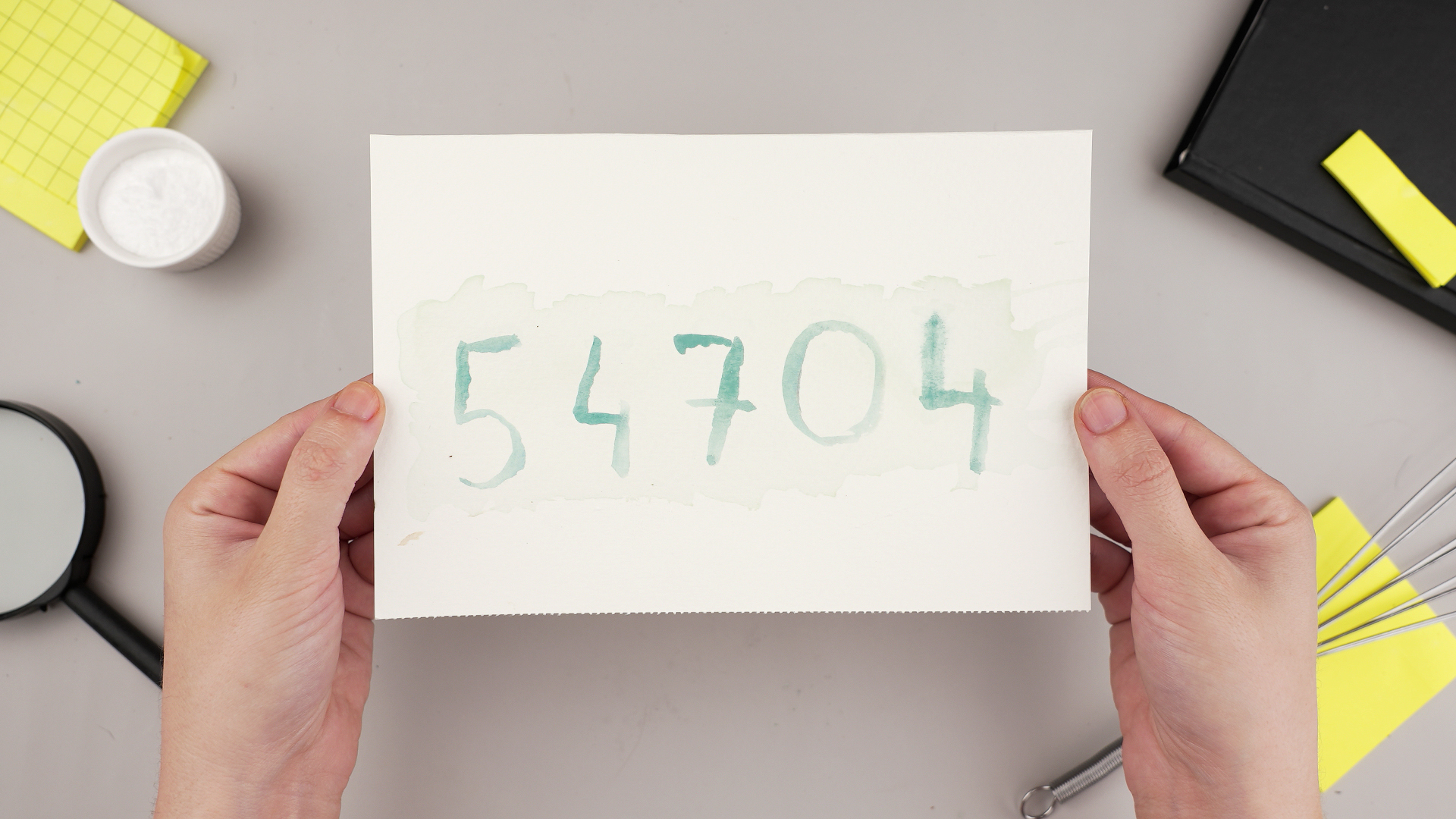
Note: This article is written for web publishing and is based on established household chemistry: baking soda is sodium bicarbonate, a mild base; grape juice, red cabbage, and turmeric can act as color-changing pH indicators; and heat-based paper experiments should avoid open flames and use adult supervision.
Introduction: Secret Messages, Kitchen Chemistry, and One Very Sneaky Spoonful of Baking Soda
Invisible ink sounds like something from a spy movie, a pirate map, or a kid who really does not want their sibling reading their notes. The good news? You do not need a secret government lab, a dramatic trench coat, or a laser hidden inside a wristwatch. You can make invisible ink with baking soda using simple supplies from the kitchen.
Baking soda invisible ink works because baking soda, also known as sodium bicarbonate, is a mild alkaline substance. When it dries on paper, it can become nearly impossible to see. Later, the hidden message can be revealed with a chemical developer such as purple grape juice, turmeric, or red cabbage juice. These natural materials change color when they touch basic substances. In other words, your grocery shelf is quietly running a tiny chemistry department.
This guide covers 4 ways to make invisible ink with baking soda, including a classic grape juice method, a turmeric developer, a red cabbage indicator, and a gentle heat option. You will also learn why the reaction works, how to avoid common mistakes, and how to turn this simple science experiment into a fun classroom activity, rainy-day project, treasure hunt, or party game.
Before we begin, one safety note deserves a front-row seat: do not use candles, stovetops, lighters, or open flames to reveal invisible ink. Paper and fire are not friends. They are more like two dramatic relatives who should not sit next to each other at Thanksgiving. Use the chemical reveal methods whenever possible, and use heat only with adult supervision.
What You Need to Make Baking Soda Invisible Ink
The basic invisible ink recipe is beautifully simple. You only need baking soda, water, paper, and something to write with. The “magic” comes later when you reveal the message.
Basic Supplies
- 1 tablespoon baking soda
- 1 tablespoon water
- Small bowl or cup
- Cotton swab, small paintbrush, or toothpick
- White paper or light-colored cardstock
- Paper towel or washable surface cover
- A developer, such as grape juice, turmeric mixture, red cabbage juice, or gentle heat
Basic Baking Soda Ink Recipe
Mix equal parts baking soda and water until the baking soda mostly dissolves. A small amount of cloudy residue is normal. Dip a cotton swab or small brush into the mixture and write your message on white paper. Let the paper dry completely. When dry, the writing should become nearly invisible.
For best results, write lightly. If you soak the paper, the message may wrinkle, leave visible marks, or shout, “Hello, I am definitely a secret message.” The goal is subtle, not soggy.
Method 1: Reveal Baking Soda Invisible Ink with Purple Grape Juice
The grape juice method is one of the best ways to make invisible ink with baking soda because it is simple, colorful, and does not require heat. Purple grape juice contains natural pigments that can behave like pH indicators. When the acidic grape juice touches the alkaline baking soda message, the color changes and reveals the hidden writing.
Steps
- Make the baking soda ink by mixing 1 tablespoon baking soda with 1 tablespoon water.
- Use a cotton swab or small brush to write a secret message on white paper.
- Let the paper dry completely. This may take 15 to 30 minutes depending on how much liquid you used.
- Pour a small amount of purple grape juice into a cup.
- Use a clean brush or cotton ball to lightly paint the grape juice over the paper.
- Watch the message appear in a darker color.
Why It Works
Baking soda is basic, while grape juice is acidic and contains color-changing plant pigments. When the juice touches the dried baking soda, the pH changes around the written areas. That color shift makes the secret message visible. The result may look gray, blue, greenish, brown, or dark purple depending on the juice concentration and paper type.
Tips for Better Results
Use concentrated purple grape juice if possible. Regular grape juice works, but the darker version usually makes the message easier to read. Brush gently so you do not tear the paper. Also, test your juice on a small sample message before creating your masterpiece. Nobody wants to write “Meet me by the cookie jar” and discover the message looks like modern art.
Method 2: Reveal Baking Soda Ink with Turmeric
Turmeric is famous for turning soup golden, staining cutting boards, and making white shirts nervous. It is also useful in science experiments because turmeric contains curcumin, a natural compound that changes color in basic conditions. When turmeric touches baking soda, it can shift toward reddish-brown or orange-red tones.
Steps
- Prepare your baking soda ink with equal parts baking soda and water.
- Write a message on white paper using a cotton swab or small paintbrush.
- Let the paper dry fully.
- Mix 1 teaspoon turmeric powder with 2 to 3 tablespoons warm water. Stir well. The mixture will look cloudy because turmeric does not dissolve perfectly in water.
- Use a brush to paint a thin layer of turmeric mixture over the dried paper.
- The hidden baking soda writing should appear in a deeper reddish or brownish color.
Why It Works
Turmeric acts as a natural pH indicator. On plain paper, it usually leaves a yellow stain. On areas containing dried baking soda, the alkaline material changes the turmeric’s color. This contrast reveals the message.
Important Cleanup Tip
Turmeric stains easily. Cover your table, wear old clothes, and do not use your family’s fancy napkins unless you enjoy explaining yourself dramatically. If you are doing this with kids, turmeric is fun but messy, so treat it like glitter’s spicy cousin.
Method 3: Reveal Baking Soda Invisible Ink with Red Cabbage Juice
Red cabbage juice is a classic kitchen chemistry indicator. It changes color when it meets acids and bases. Since baking soda is a base, red cabbage juice can reveal a hidden message by changing color where the invisible ink was applied.
How to Make Red Cabbage Indicator
- Chop a few leaves of red cabbage.
- Place the cabbage in a heat-safe bowl.
- Ask an adult to pour hot water over the cabbage.
- Let it sit for 10 to 15 minutes until the water turns purple.
- Strain the liquid and let it cool before using.
Steps to Reveal the Message
- Write your message with baking soda and water.
- Let the paper dry until the writing is no longer visible.
- Dip a clean brush into the cooled cabbage indicator.
- Paint gently over the paper.
- The hidden writing should appear in a greenish, bluish, or darker color.
Why It Works
Red cabbage contains anthocyanins, natural pigments that change color depending on pH. In acidic solutions, cabbage juice may look pink or red. In neutral conditions, it is often purple. In basic conditions, it can turn blue-green. When the cabbage juice touches the baking soda writing, the color change reveals the message.
Best Use for This Method
This method is excellent for science lessons because it visually connects invisible ink, acids, bases, and pH indicators. You can also create a comparison chart by testing vinegar, lemon juice, baking soda water, plain water, and soap solution with cabbage juice. Congratulations: your kitchen has become a laboratory, but with better snacks.
Method 4: Reveal Baking Soda Ink with Gentle Heat
Heat can also reveal baking soda invisible ink, but this method needs extra caution. Chemical reveal methods are safer and usually better for younger experimenters. If you use heat, do it only with adult supervision and never use open flames.
Steps
- Write your message using the baking soda and water solution.
- Let the paper dry completely.
- Place the paper on a heat-safe surface.
- Have an adult use a warm iron over a protective towel or a hair dryer on a low setting.
- Warm the paper gradually until the message becomes visible.
Why It Works
The baking soda solution can slightly affect the paper fibers where the message is written. When heat is applied carefully, those treated areas may darken faster than the surrounding paper, revealing the writing. However, too much heat can scorch or damage the paper, so patience is important.
Safety Rules for Heat Revealing
- Never use a candle, lighter, stovetop, or open flame.
- Do not leave heated paper unattended.
- Use low, controlled heat.
- Keep water nearby for cleanup, not as an emergency plan for risky behavior.
- Stop immediately if the paper smells burnt or begins to brown too much.
Heat revealing can be interesting, but grape juice, turmeric, and red cabbage are usually safer, cleaner, and more colorful. Plus, nobody has to explain why the science project smells like toasted homework.
How to Write Better Secret Messages
Invisible ink is easy, but making it work well takes a little technique. The first trick is to keep the ink mixture balanced. Equal parts baking soda and water usually work well, but you can add a few extra drops of water if the mixture feels gritty. Too much baking soda may leave white powder on the page. Too much water may wrinkle the paper.
The second trick is to use the right writing tool. Cotton swabs make thick letters that are easy to reveal. Toothpicks create thin lines but may scratch the paper. Small paintbrushes are great for drawings, maps, symbols, and dramatic spy signatures.
The third trick is drying time. A message that is not fully dry may still be visible in the light. Let the paper sit flat until it looks blank. If you are impatient, wave it gently in the air. Do not use high heat to dry it unless an adult is helping.
Fun Ideas for Baking Soda Invisible Ink
Create a Treasure Hunt
Write clues with baking soda invisible ink and hide them around the house. Each clue can lead to the next location. Reveal them with grape juice or cabbage juice. The final prize can be candy, stickers, a small toy, or the greatest treasure of all: getting to choose the next movie.
Make Secret Greeting Cards
Write a visible message on the front of a card, then hide a second message inside using invisible ink. Give the recipient a small “developer kit” with a cotton ball and a small cup of grape juice. This turns a simple card into an interactive surprise.
Design a Spy Classroom Activity
Teachers can use baking soda invisible ink to introduce acids, bases, pH indicators, chemical reactions, observation skills, and controlled variables. Students can compare which developer creates the clearest message: grape juice, turmeric, red cabbage juice, or gentle heat. They can record results and discuss why different indicators produce different colors.
Make Invisible Art
Instead of writing words, paint stars, flowers, symbols, or secret codes. Once dry, reveal the artwork with a colorful developer. This is especially fun with turmeric or red cabbage because the final image looks like a surprise watercolor painting.
Common Mistakes and How to Fix Them
The Message Does Not Appear
The baking soda solution may have been too weak, or the developer may not be strong enough. Try using a darker grape juice concentrate, a stronger cabbage indicator, or a little more baking soda in the ink mixture.
The Message Is Visible Before Revealing
You may have used too much liquid or too much baking soda. Write with less ink next time and allow the paper to dry completely. Smooth paper can also show water marks more easily, so try thicker paper or cardstock.
The Paper Wrinkles
Too much water causes wrinkling. Use a light touch and avoid soaking the page. If you are making a card or display piece, cardstock works better than thin printer paper.
The Colors Look Weak
Natural indicators vary. Some grape juices are darker than others. Some turmeric mixtures are stronger than others. Red cabbage can change color depending on the water and cabbage freshness. Science is not broken; it is just being dramatic.
The Science Behind Baking Soda Invisible Ink
The science behind this experiment comes down to three ideas: solubility, pH, and color change. Baking soda dissolves partly in water, allowing you to brush it onto paper. When the water evaporates, tiny amounts of baking soda remain behind. The paper looks blank because the residue is pale and thin.
When you apply a pH-sensitive developer, the hidden baking soda changes the color of the developer only where the message was written. This is why grape juice, red cabbage juice, and turmeric can reveal the message. They contain natural pigments that respond to acidity or alkalinity.
Heat works differently. Instead of using a color-changing liquid, it makes the treated paper darken more noticeably. Still, the heat method is less beginner-friendly because it can scorch paper if handled carelessly. For most home and classroom activities, the chemical reveal methods are the better choice.
of Real-World Experience: What This Experiment Teaches Beyond the “Wow” Moment
Making invisible ink with baking soda is one of those experiments that looks simple at first, then quietly teaches more than expected. The first experience most people notice is the suspense. You write something, wait for it to dry, and suddenly the paper looks blank. Even though you know the message is there, the blank page still feels oddly mysterious. That small moment of doubt is what makes the reveal satisfying.
One useful lesson from this activity is patience. If you rush the drying stage, the paper may still show damp marks. Kids often want to reveal the message immediately, which is understandable because waiting is not exactly the most thrilling part of science. But the experiment works best when the water fully evaporates. That waiting period teaches a simple but important idea: some reactions and observations need time.
Another experience is learning that “more” is not always better. More baking soda does not automatically mean a better message. Too much powder can leave visible crystals. Too much water can wrinkle the paper. Too much grape juice can soak the page and blur the words. The best version usually comes from balance: light writing, full drying, and gentle revealing. That is a surprisingly good life lesson for an experiment involving a spoon and a secret note.
This activity also helps people understand that chemistry is not only something in textbooks. It is in grape juice, turmeric, cabbage, paper, and the little orange box of baking soda sitting in the refrigerator. When a hidden message appears, chemistry becomes visible. That is powerful because abstract ideas like acids, bases, and pH indicators suddenly have a job to do. They are no longer vocabulary words; they are solving a mystery.
In a classroom, this project often creates great discussion. Students start asking questions naturally: Which developer works best? Does cardstock work better than printer paper? What happens if the baking soda solution is diluted? Can blueberry juice reveal the message too? These questions turn a fun craft into a real investigation. Instead of simply following directions, students begin testing variables.
At home, the experiment works well as a low-cost family activity. It does not require expensive kits, and the supplies are familiar. Parents can turn it into a birthday game, a rainy-day challenge, or a secret message exchange. The cleanup is usually easy, except for turmeric, which deserves respect. Turmeric stains like it has a personal mission.
The biggest takeaway is that baking soda invisible ink combines creativity with science. You can write jokes, clues, maps, riddles, or secret compliments. You can reveal them with color-changing liquids and talk about why the colors appear. That combination of play and explanation is what makes the activity memorable. It feels like magic, but it teaches real chemistry. And honestly, the best science experiments are the ones that make people say, “Wait, do that again.”
Conclusion
Learning how to make invisible ink with baking soda is a fun, affordable, and surprisingly educational way to explore basic chemistry. With just baking soda, water, paper, and a natural developer, you can create secret messages that appear through color-changing reactions. Purple grape juice is the classic choice, turmeric adds a bold golden twist, red cabbage juice turns the project into a pH lesson, and gentle heat offers another reveal method when handled safely.
The best part is that this activity can be adapted for many purposes: classroom science, party games, treasure hunts, secret cards, or creative art. It is simple enough for beginners but flexible enough for experiments with variables and comparisons. Just remember to avoid open flames, protect surfaces, and let the ink dry completely before revealing.