

Brakes are like your car’s “undo” button. Except… you don’t get a second try if they’re not working. The good news? Most brake problems announce themselves with noise, weird smells, warning lights, or a pedal that suddenly feels like a stale marshmallow. The better news? You can troubleshoot a lot of this stuff without being a certified wizardjust a reasonably observant human with a flashlight.
This guide walks you through four practical ways to troubleshoot your brakes, using the same logic that reputable U.S. auto and safety sources recommend: start with symptoms, confirm with quick checks, and know when to stop playing detective and call in a pro.
Before You Start: A 60-Second Safety Reset
If your brakes feel unsafepedal goes to the floor, the car won’t stop normally, or you’re hearing loud metal-on-metal grindingdon’t “just test it again.” Park somewhere safe, and get help. Brake systems are one place where curiosity should be paired with caution (and occasionally a tow truck).
What you’ll want nearby
- A flashlight (your phone counts)
- Paper towels or a rag
- Gloves (optional, but your hands will thank you)
- Your owner’s manual (the underrated blockbuster of the glove box)
1) Decode the Clues: Sounds, Smells, and Feel
The fastest brake troubleshooting starts with your senses. Your car has been trying to talk to you. The problem is it speaks fluent “squeal,” “shake,” and “smells-like-toast.”
Brake noises: what they usually mean
- High-pitched squeal during braking: Often a wear indicator on the pads doing its jobbasically a tiny metal “reminder alarm.” Sometimes it can also be dust, light corrosion, or a small pebble lodged where it doesn’t belong.
- Grinding (especially a harsh metallic sound): Frequently means pads are worn down and you’re into metal contact. This can chew up rotors fast, turning a “pad replacement” into a “why is my wallet crying?” situation.
- Clicking or clunking when braking: Could be loose hardware, worn caliper slides, or pads shifting in their brackets. (Translation: something isn’t held as tightly as it should be.)
- Squeal after a brake job: New pads can squeak if they weren’t bedded in properly, if hardware is missing, or if slide pins/backing plates weren’t lubricated correctly. It’s not always dangerous, but it’s always worth investigating.
Smells: your nose is a diagnostic tool
- Burning smell after heavy braking: Can happen after long downhill driving or repeated hard stops. This may indicate overheating, which can reduce braking effectiveness (commonly described as brake fade).
- Sharp chemical smell: Could suggest overheated components or fluid-related issues. If it’s persistent, don’t ignore it.
Feel: what the pedal and car behavior are telling you
- Soft or spongy brake pedal: Often points to air/moisture in the lines, a fluid leak, or hydraulic issues. If pumping the pedal temporarily firms it up, that’s a strong clue you’ve got air in the system or pressure isn’t holding.
- Pedal pulsation or steering shake while braking: Commonly linked to rotor surface issuesuneven deposits or thickness variation which many drivers call “warped rotors.” You feel it most at higher speeds or during moderate-to-hard stops.
- Car pulls left or right when braking: Often a sign of uneven braking forcethink stuck caliper, uneven pad wear, or a hose issue restricting fluid flow on one side.
A quick, safe “symptom test” drive
If the car feels safe enough for a short test, do this in an empty parking lot: apply the brakes gently, then moderately, and note: noise, pull, vibration, and pedal firmness. If anything worsens quickly, stop testing. Brakes aren’t a “let’s see what happens” hobby.
2) Check the Hydraulic Basics: Brake Fluid, Leaks, and the Pedal
Most modern cars use hydraulic brakes, which means brake fluid is the messenger carrying your pedal force to the calipers. If the messenger is missing, contaminated, or escaping the building… the message doesn’t get delivered.
Step 1: Check brake fluid level (and don’t just glance)
Pop the hood and find the brake fluid reservoir (usually near the back of the engine bay on the driver’s side). The reservoir is typically translucent with MIN and MAX marks.
- Low fluid: Can indicate pad wear (fluid level drops as pads wear) or a leak. The difference matters, so don’t assume it’s “normal.”
- Very dark fluid: Brake fluid can degrade over time and absorb moisture. Old fluid is more prone to heat-related problems and can contribute to a soft pedal.
- Correct type: Your owner’s manual specifies DOT rating (DOT 3, DOT 4, etc.). Mixing incorrect fluid isn’t a fun science experiment.
Step 2: Look for leak evidence (the “where is it wet?” method)
Brake fluid leaks are serious because a small leak can become a big one at the worst possible moment. Check for wetness around:
- The brake master cylinder area
- Brake lines and hose connections (especially near wheels)
- Inside of tires or the ground where you park
- Calipers (disc brakes) or backing plates (drum brakes)
Soft or spongy brake pedal troubleshooting checklist
If your brake pedal feels soft, work through these possibilities:
- Air in the brake system: Often happens after brake work, a leak, or overheating that boils fluid and introduces compressible bubbles. This is why bleeding brakes restores firmnessif everything else is healthy.
- Fluid contamination/moisture: Many brake fluids are hygroscopic, meaning they absorb moisture over time. Moisture lowers the boiling point, which can contribute to spongy pedal feel during hot braking conditions.
- Failing master cylinder (internal leak): Sometimes the pedal sinks slowly under steady pressure. That’s not a vibe; it’s a sign you need professional diagnosis.
- Worn hoses: Rubber brake hoses can degrade and expand under pressure, contributing to a soft feel.
What about a very hard pedal?
A hard brake pedal can be linked to a brake booster/vacuum assist issue (or less commonly, restrictions in the system). If the pedal suddenly feels much harder and stopping takes more effort, that’s a “schedule service immediately” cluenot a “turn up the radio” clue.
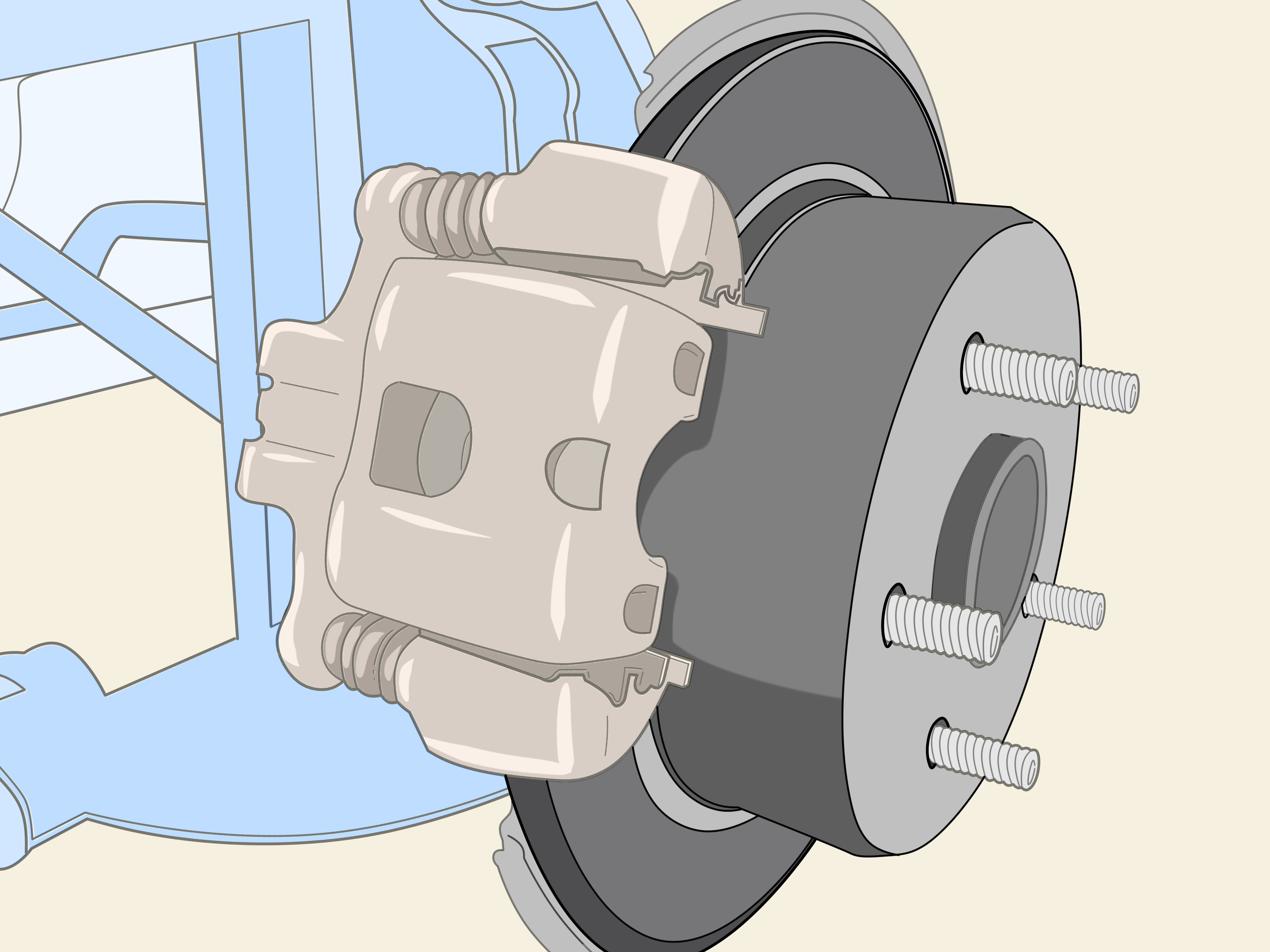
3) Inspect the Hardware: Pads, Rotors, Calipers, and Hoses
If the symptoms point to wear or imbalance, it’s time to look at the parts that actually do the stopping. You don’t need to dismantle the entire wheel assembly to spot obvious issues.
Brake pads: the most common culprit
Many wheels let you peek at pad thickness through the spokes. You’re looking at the friction materialnot the metal backing plate. If the pad looks very thin, uneven, or you’re hearing the classic wear-indicator squeal, you’re likely due for pads.
- Uneven pad wear left-to-right: Can suggest a sticking caliper or slide pin issues.
- Uneven inner vs. outer wear on the same wheel: Often points to caliper slide problems.
- Glazing (shiny, glassy look): Can happen after overheating and may reduce bite, contributing to longer stops or noise.
Rotors: vibration and pulsation aren’t always “warping”
When people say “warped rotors,” they usually mean they feel pulsation in the pedal or steering wheel shake. In many cases, the issue is related to rotor thickness variation or uneven pad material deposits on the rotor face. The result feels the same from the driver’s seat: the brakes grab and release in tiny cycles.
If you notice pulsation:
- Check whether it’s worse at highway speeds.
- Notice if it happens only under harder braking (heat can make the symptom more obvious).
- Look for visible scoring, hot spots, or uneven rotor appearance through the wheel (when possible).
Calipers and slide pins: the “one side is doing all the work” problem
A sticking caliper or dry slide pin can cause:
- Pulling to one side while braking
- One pad wearing faster than the other
- Heat smell from one wheel
- Noise that persists even with newer pads
If one wheel looks dustier than the other, or one rotor is noticeably more discolored, that’s a clue worth taking seriously.
Hoses and lines: small parts, big consequences
Brake hoses flex every time you steer and drive. Over time, they can crack, swell, or internally deteriorate. A failing hose can restrict flow, which may contribute to pulling, dragging brakes, or uneven pad wear. If you see cracking, wetness, or obvious damage near the hose, don’t DIY “hope” as a repair strategy.
4) Read the Electronics: Warning Lights, ABS, and “Why Is My Car Yelling at Me?”
Modern vehicles have two kinds of brake-related panic buttons on the dash: the brake system warning and the ABS light. They are related, but not the same.
Brake warning light: treat it like an emergency email
A brake warning light can mean a few things depending on the car: parking brake engaged, low brake fluid, or a system fault. If it’s on while driving and you’re sure the parking brake is fully released, check brake fluid immediately and consider getting the vehicle inspected right away.
ABS light: usually you still have normal brakes, but the “anti-lock superpower” may be off
If the ABS light comes on, many vehicles will still brake normally, but the anti-lock function may be disabled until the fault is fixed. In everyday stops you might not notice, but in a panic stop or slick conditions, ABS can help maintain steering control.
Common ABS-related troublemakers
- Wheel speed sensor issues: Sensors and wiring can fail or get damaged, preventing proper wheel-speed readings.
- Low brake fluid: Low fluid can sometimes trigger brake-related warnings and should be addressed promptly.
- Electrical/connection faults: Corrosion, loose connectors, or damaged wiring can set codes.
What to do when a brake or ABS light appears
- Don’t ignore it and “see if it goes away.” (That’s how little problems become plot twists.)
- Check brake fluid level.
- If braking performance changes, avoid driving and get help.
- If performance seems normal, schedule a diagnostic scan. A shop can read ABS codes quickly and point to the real cause.
When to Stop Troubleshooting and Call a Professional
Here are “stop now” situations:
- The brake pedal goes to the floor or feels suddenly much softer than usual
- The car pulls hard to one side under braking
- You hear loud grinding (metal-on-metal) or feel severe vibration
- Brake warning light is on and fluid is low (possible leak)
- You smell burning repeatedly after normal driving, or one wheel seems abnormally hot
Troubleshooting is great. Becoming a cautionary tale is not.
Prevent the Next Brake Mystery
Once you’ve diagnosed (or fixed) the issue, a little maintenance goes a long way:
- Follow the owner’s manual: Especially for brake fluid type and service intervals.
- Avoid riding the brakes: Long downhill braking creates heat, which can reduce effectiveness and stress components.
- Bed-in new pads properly: Proper break-in helps create even transfer layers and can reduce noise and vibration.
- Don’t cheap out on missing hardware: Clips, shims, and proper lubrication matter for noise control and even wear.
- Pay attention early: A squeal today can be a rotor replacement tomorrow if ignored.
Real-World Brake Troubleshooting Stories (and What They Taught Me)
Let’s talk about the stuff that doesn’t show up in perfect diagrams: real brake problems in the wild, where your “test environment” is a grocery store parking lot and your “lab assistant” is a neighbor who always knows a guy.
The first story: the mystery squeal that only happened in the morning. Every cold start, the car backed out of the driveway with a noise that sounded like a violin being asked to do heavy metal. Thenpoofit disappeared after a few stops. The fix wasn’t dramatic. Light surface rust forms on rotors overnight, especially in humid weather. A few normal brake applications scrub it off. Lesson learned: not every noise is a catastrophe, but patterns matter. If a sound is consistent, getting worse, or paired with poor stopping power, it’s not “quirky.” It’s a clue.
Next: the soft pedal that played peekaboo. The driver said the pedal felt mushy sometimes, but then it would feel “fine” after pumping it. That temporary improvement is a classic hint that something hydraulic is offoften air in the system or pressure not holding like it should. In this case, the fluid level was a bit low and there was dampness near one wheel. Tiny leak, big potential consequences. Lesson learned: if pumping changes pedal feel, don’t celebrateinvestigate.
Then there’s the “warped rotors” diagnosis that everyone gives because it’s an easy phrase. A friend complained about steering wheel shake under braking at highway speeds. The rotors looked okay at a glance, but the vibration was real. The final fix involved addressing rotor surface condition and pad beddingbecause uneven deposits and thickness variation can mimic warping. Lesson learned: the seat-of-the-pants symptom is real, but the underlying cause can be more nuanced than the nickname.
My personal favorite: the ABS light that showed up like an uninvited party guest. Brakes felt normal, but the dash was lit up like a holiday decoration. A scan revealed a wheel speed sensor issue. The driver could still brake, but ABS might not help in a panic stopexactly when you want it. Lesson learned: warning lights aren’t just “suggestions.” They’re the car telling you a system has stepped out of the lineup.
Finally: the one-wheel heat problem. After a short drive, one front wheel was noticeably hotter than the other, with a faint burning smell. That’s often a red flag for dragging brakespossibly a sticking caliper or slide pins. Let that go long enough and you can cook pads, glaze rotors, and reduce braking performance. Lesson learned: if one wheel is doing all the suffering, the whole system will eventually complain.
Put all these stories together and you get the real takeaway: brake troubleshooting isn’t about memorizing one symptom-to-one-fix. It’s about noticing changes, confirming them with simple checks, and responding earlybefore the car turns your commute into an action movie. And unless you want your vehicle to star in “Fast & Questionable Decisions,” your best move is to treat brakes like the safety system they are.
Conclusion
To troubleshoot your brakes effectively, start with what your car is telling you: noises, smells, vibrations, pull, and pedal feel. Then check the basicsbrake fluid and leak signsfollowed by visible wear on pads and rotors. Finally, take warning lights seriously: ABS and brake system alerts are often the earliest (and most honest) heads-up you’ll get.
If anything suggests a loss of braking ability, don’t gambleget the vehicle inspected. The goal of brake troubleshooting isn’t to win a DIY trophy. It’s to stop safely, every time, without drama.