

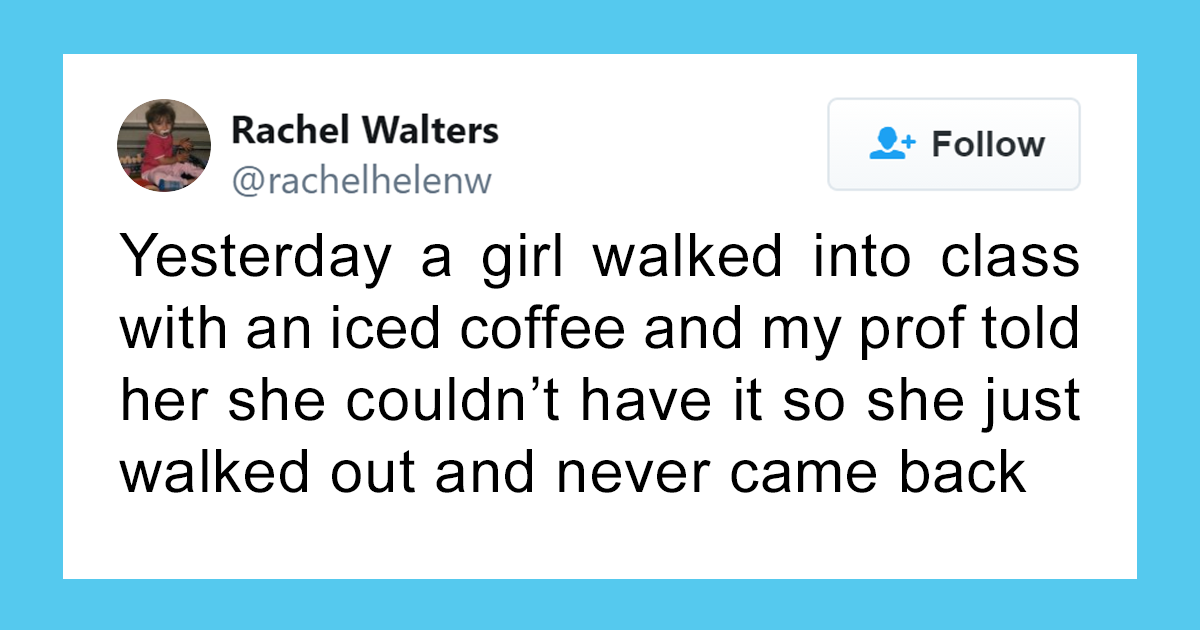
High school teaches you how to find the hypotenuse, identify symbolism in a 200-year-old novel, and ask permission before going to the bathroom. College teaches you what happens when nobody reminds you to attend class, wash your sheets, answer important emails, or stop spending your grocery money on iced coffee.
The biggest college life lessons rarely appear in a syllabus. They arrive through missed deadlines, questionable roommate negotiations, awkward conversations, empty bank accounts, and the shocking discovery that “I’ll do it later” is not a functional academic strategy. College is not simply harder high school. It is a crash course in independence, personal responsibility, relationships, money management, and figuring out who you are when nobody is constantly supervising you.
These 40 college survival tips explore the practical truths many students learn during freshman yearand often within the first few weeks.
Academic Lessons College Teaches Fast
1. Nobody Is Coming to Remind You
Your professor may announce a deadline once, place it in the syllabus, and never mention it again. Missing it because you “didn’t know” usually earns sympathy measured in microscopic units. A calendar becomes less of an accessory and more of an emergency-management system.
2. Free Time Is Usually Disguised Work Time
Those mysterious three-hour gaps between classes look like opportunities for naps and snacks. Sometimes they are. More often, they are the perfect time to study, visit office hours, complete errands, or prevent tonight’s workload from becoming tomorrow morning’s crisis. University academic-support programs consistently recommend deliberately scheduling unstructured time instead of assuming it will manage itself.
3. Reading the Syllabus Is a Survival Skill
The syllabus contains deadlines, grading rules, attendance policies, required materials, and answers to questions students will later email at 11:58 p.m. Reading it carefully can save time, points, money, and one mildly irritated reply from a professor.
4. Intelligence Cannot Replace Preparation
Being naturally smart may help, but college courses reward consistent effort. A student who reviews material weekly often outperforms the brilliant classmate who begins studying six hours before the exam while bargaining with several higher powers.
5. Rereading Is Not the Same as Learning
Highlighting an entire chapter in neon yellow creates an attractive page, not necessarily a durable memory. Practice questions, spaced review, self-testing, and explaining concepts from memory are usually more useful than repeatedly staring at familiar sentences. Research-based study guidance particularly supports retrieval practiceactively recalling information rather than merely reviewing it.
6. Asking for Help Is a Strength
Tutoring centers, writing labs, academic advisers, teaching assistants, librarians, and study groups exist because college is challenging. Waiting until the final week to seek help is like calling the fire department after the building has become decorative ash.
7. Office Hours Are an Underrated Opportunity
Office hours are not punishment chambers for failing students. They are scheduled opportunities to clarify material, discuss ideas, receive feedback, and build professional relationships. Showing up prepared with specific questions can turn an intimidating course into a manageable one.
8. A Bad Grade Is Information, Not an Identity
Your first disappointing score may feel like a formal announcement that you have fooled everyone. It is not. It is feedback about your preparation, strategy, understanding, or time management. Analyze it, make adjustments, and continue.
9. Participation Matters More Than Looking Cool
Remaining silent because you fear giving an imperfect answer may protect you from ten seconds of embarrassment, but it also prevents practice and connection. Most classmates are too busy worrying about themselves to permanently archive your slightly incorrect comment.
10. Small Assignments Become Large Consequences
Skipping one discussion post seems harmless. Skipping six becomes a letter-grade problem wearing tiny disguises. Completing routine work steadily is usually easier than attempting an end-of-semester rescue mission.
Time, Health, and Daily-Life Lessons
11. Sleep Is Not Optional Maintenance
College culture sometimes treats exhaustion as proof of ambition. In reality, sleep supports attention, memory, mood, and academic performance. Research involving first-year college students has linked shorter nightly sleep early in the semester with lower end-of-term grades.
12. Your Body Notices Everything
Living on energy drinks, vending-machine crackers, and four hours of sleep eventually produces consequences. Regular meals, water, movement, and rest are not glamorous productivity tricks. They are basic operating requirements for a human brain.
13. Laundry Has a Deadline
You may technically own 14 shirts, but that fact becomes irrelevant when all 14 are on the floor. Doing one manageable load regularly is easier than facing a textile mountain on Sunday night with no detergent and one surviving sock.
14. Cleaning Is Easier Before the Smell Develops
A shared room can move from “slightly untidy” to “possible scientific discovery” with impressive speed. Five minutes of daily maintenance prevents the kind of deep cleaning that requires gloves, courage, and emotional support.
15. Basic Cooking Saves Money and Morale
You do not need to master French cuisine. Learn five simple meals: eggs, pasta, rice, a basic protein, and something involving vegetables. Being able to feed yourself at 8:30 p.m. protects both your budget and your relationship with delivery apps.
16. Time Management Means Making Choices
You cannot attend every event, join every club, accept every invitation, work every shift, and still perform well academically. A schedule is not about squeezing in everything. It is about deciding what deserves your limited hours.
17. Procrastination Charges Interest
Delayed work does not disappear. It accumulates anxiety, reduces your options, and usually returns at the least convenient time. Starting imperfectly for 15 minutes is better than waiting three days for motivation to arrive in formalwear.
18. Mental Health Deserves Early Attention
Homesickness, anxiety, loneliness, burnout, and depression are not moral failures. College can combine academic pressure, financial strain, changing relationships, and major life transitions. Campus counseling, health services, trusted faculty, and peer-support programs are best used before a struggle becomes an emergency.
19. Rest Is Different From Avoidance
Taking an evening off after sustained work can restore energy. Watching nine consecutive episodes because an assignment feels uncomfortable is avoidance wearing comfortable pants. Learn to recognize which one you are doing.
20. Your Routine Will Save You When Motivation Leaves
Motivation is enthusiastic but unreliable. A simple routinewake up, attend class, eat, study, exercise, and sleep at consistent timeskeeps life moving even when inspiration has taken an unauthorized vacation.
Money Lessons High School Often Skips
21. A Bank Balance Is Not a Spending Target
Seeing $600 in your account does not mean you have $600 available for entertainment. Some of that money already belongs to rent, books, transportation, food, and future emergencies. Budgeting means giving dollars jobs before they wander away.
22. Small Purchases Are Still Purchases
A $6 drink does not destroy a budget. Buying one every morning, adding lunch, paying delivery fees, and repeating the routine might. Track spending for one month; the results may be educational, humbling, and lightly caffeinated.
23. “Free” Usually Has Conditions
Free trials renew. Free checking accounts may charge certain fees. Free campus events may require registration. Read the details before agreeing to anything that asks for your card number or signature.
24. Credit Cards Are Tools, Not Extra Income
A credit limit is borrowed money, not a surprise scholarship. Carrying a balance can add interest and other costs to ordinary purchases. The safest beginner habit is to charge only what you can repay in full and monitor every transaction.
25. Banking Fees Punish Inattention
Overdrafts, out-of-network ATM charges, and monthly account fees can quietly drain a student budget. Compare accounts, enable balance alerts, and understand the rules attached to any bank product promoted on campus.
26. Financial Aid Money Must Last
A large refund at the beginning of the semester can create temporary millionaire energy. That money may need to cover books, meals, transportation, housing, and supplies for several months. Divide it by the number of weeks it must support.
27. Borrowing Has a Future Version of You Attached
Student loans may make education possible, but they remain obligations. Understand whether a loan is federal or private, how much you are accepting, and what repayment could look like. Federal Student Aid also requires students seeking federal loans to complete the FAFSA process.
28. An Emergency Fund Buys Options
Even a small reserve can cover medicine, transportation, a replacement charger, or an unexpected trip home. The amount may begin modestly. The important lesson is that not every surprise should become new debt.
Roommates, Friendships, and Social Lessons
29. Your Roommate Does Not Need to Be Your Best Friend
A successful roommate relationship requires respect, communication, and workable boundariesnot matching personalities. Discuss sleep schedules, cleaning, guests, food, noise, and shared property before annoyance becomes an international incident.
30. Unspoken Expectations Create Spoken Arguments
People cannot follow rules they do not know exist. Calmly discuss concerns while they are small. Campus residential staff and mediation processes can also help students navigate roommate conflicts that they cannot resolve alone.
31. Friendship Requires Repeated Effort
College friendships rarely appear fully formed during orientation. They grow through repeated contact: sitting near someone in class, attending club meetings, sharing meals, or sending the brave little message that says, “Want to study together?”
32. Not Every Friendship Is Permanent
Some people will be important for one semester, one course, or one difficult chapter of your life. A relationship can be meaningful without lasting forever. Growth sometimes changes compatibility.
33. Popularity Is Less Valuable Than Belonging
Knowing many people may look impressive, but having a few dependable friends is usually more useful. Seek relationships where you can be honest, receive support, laugh loudly, and occasionally borrow a stapler without completing an application.
34. Boundaries Protect Good Relationships
You are allowed to decline invitations, refuse to lend money, protect study time, and leave situations that feel unsafe. Saying no clearly is not rude. It is a core adult skill.
35. Alcohol Can Turn Bad Judgment Into Real Harm
College drinking is often portrayed as harmless entertainment, but misuse can contribute to injuries, crashes, violence, sexual assault, academic problems, and alcohol-related health risks. Make a plan, stay with trusted people, never drive after drinking, and seek emergency help when someone may have alcohol poisoning.
36. Personal Safety Requires Attention, Not Paranoia
Learn campus emergency procedures, save important phone numbers, use well-lit routes, tell friends where you are going, and use escort services when available. Awareness is not fear; it is practical preparation.
Identity, Career, and Adulthood Lessons
37. You Are Allowed to Change Your Mind
Your major, career plan, friendships, beliefs, and goals may evolve. Changing direction after learning more is not failure. It is evidence that you are paying attention.
38. Networking Is Mostly Being a Decent Human
Networking does not require cornering an executive near a tray of cheese cubes. Ask thoughtful questions, show interest, follow through, help others when possible, and stay in touch. Relationships grow before you need favors.
39. Experience Often Matters Beside the Degree
Internships, campus jobs, volunteer work, research, clubs, and personal projects help you test careers while building evidence of your abilities. A diploma tells employers what you studied; experience helps show what you can do.
40. Independence Includes Knowing When to Depend on Others
Adulthood does not mean solving every problem alone. Mature independence includes recognizing when you need advice, medical care, financial guidance, academic support, or a conversation with someone who understands the situation better than you do.
What These College Life Lessons Feel Like in Real Life
The lessons above sound tidy when arranged beneath numbered headings. Real college experiences are considerably messier. They tend to arrive at inconvenient moments, usually while you are carrying a backpack, missing a charger, and wondering whether cereal qualifies as dinner.
Imagine a student named Jordan arriving on campus with strong grades and complete confidence. In high school, Jordan’s teachers reminded the class about every major assignment. Parents handled groceries, laundry detergent appeared through unexplained household magic, and the school day followed a predictable structure.
During the first week of college, Jordan discovers that Monday and Wednesday classes begin at 9:00 a.m., while Tuesday’s first class starts at noon. Tuesday morning therefore becomes “free time.” Jordan stays awake until 3:00 a.m., sleeps until 11:35, and arrives in class carrying one notebook, no breakfast, and the facial expression of a person who has recently lost an argument with gravity.
By week three, the freedom becomes expensive. Several small assignments have disappeared into the learning-management system. The laundry basket has developed geological layers. Jordan has spent far more than expected because every meal purchased individually seemed “only about ten dollars.” Meanwhile, a roommate conflict is growing because one person likes silence at midnight and the other believes midnight is when speakers achieve their true potential.
None of these problems is catastrophic. Together, however, they create constant stress. That is one of college’s most important hidden lessons: your quality of life is often shaped less by one dramatic decision than by dozens of tiny repeated choices.
Jordan begins making adjustments. All deadlines go into a digital calendar with alerts one week and two days in advance. The three-hour break between classes becomes a library study block. Sunday afternoon becomes laundry and meal-preparation time. A weekly spending limit replaces the optimistic financial system known as “I’m probably fine.”
The roommate conversation is uncomfortable but productive. They agree on quiet hours, guest rules, and headphones after 11:00 p.m. Neither person gets everything desired, which is how compromise generally announces that it is working.
Academically, Jordan visits a professor’s office after performing poorly on the first exam. Instead of receiving judgment, Jordan receives practical advice: stop rereading the textbook passively, practice retrieving concepts without notes, and begin reviewing earlier. The next score improvesnot because Jordan suddenly becomes smarter, but because the strategy becomes better.
There are still mistakes. Jordan joins too many organizations, forgets one meeting, catches a cold during midterms, and sends at least one email beginning with “Dear Professor” while forgetting to replace the word “Professor” with the professor’s actual name. College competence does not arrive as a dramatic transformation. It develops through correction.
By the end of the year, Jordan is not a perfectly organized adult. Nobody is. Jordan simply understands that freedom and responsibility are roommates too. You rarely get one without the other. The ability to choose how you spend your time also means accepting the results. The chance to meet hundreds of people requires learning boundaries. The opportunity to shape your future requires asking for help, trying unfamiliar things, and occasionally admitting that your original plan was terrible.
These experiences are why college can teach far more than academic content. A student may forget the details of an introductory lecture but remember how to recover from failure, advocate for personal needs, manage limited money, communicate during conflict, and continue working when confidence is low. Those lessons remain useful long after the final exam has been graded.
Conclusion: College Is a Classroom With No Walls
The most valuable college life lessons are often learned outside lectures. They appear in residence halls, bank statements, office-hour conversations, group projects, friendships, mistakes, and quiet moments when you realize that your choices are increasingly your own.
You do not need to master all 40 lessons immediately. Start with a calendar, a realistic budget, enough sleep, honest communication, and the willingness to ask for help. College will supply the remaining practicewhether you requested it or not.
Editorial note: This article synthesizes practical guidance from U.S. universities, the American Psychological Association, the Consumer Financial Protection Bureau, Federal Student Aid, and national campus health and safety resources.