

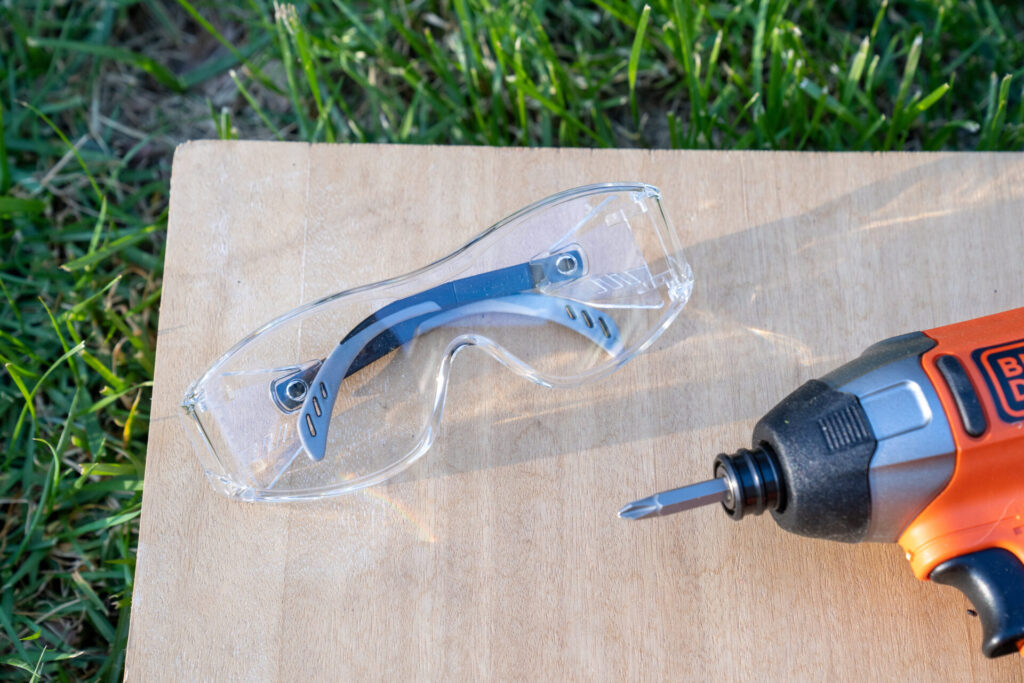
If your current eye protection is a dusty freebie pair living at the bottom of a toolbox next to three mystery screws and a dried-up marker, this guide is for you. The best safety glasses should do three things well: protect your eyes, stay comfortable long enough to keep them on your face, and avoid fogging up the second you start working hard. That sounds obvious, but plenty of glasses ace the “technically eyewear” part and fail the “actually usable” part.
For this guide, I focused on models that stand out for the features that matter most in real life: ANSI-rated impact protection, wraparound coverage, anti-fog performance, lens clarity, comfort during long wear, and practical options for people who wear prescription glasses or work in dusty conditions. In other words, I skipped the pairs that look fine hanging on a peg and feel like punishment after 20 minutes.
The result is a list of five standout picks for DIYers, tradespeople, yard warriors, shop users, and anyone else whose eyeballs deserve better than “good luck out there.”
How I Chose the Best Safety Glasses
Not all protective eyewear is created equal. A good pair of safety glasses starts with proper certification, but that is only the beginning. A pair can meet the standard and still make you miserable if it pinches your nose, fogs up in five seconds, or slides off your face every time you lean forward.
Here is what mattered most when narrowing the field:
1. ANSI rating and impact protection
If you are shopping for real protection, look for eyewear marked to ANSI/ISEA Z87.1. In plain English, that means the eyewear is built and tested to meet recognized performance standards for eye protection. If you see Z87+, that indicates high-impact protection, which is especially important for jobs involving flying debris, grinding, cutting, or power tools.
2. Lens material and coatings
Polycarbonate lenses are the gold standard for most safety glasses because they are lightweight, impact resistant, and usually offer UV protection. I also prioritized anti-fog and anti-scratch coatings because clear vision is not a luxury feature. It is the difference between staying focused and pulling your glasses off every three minutes to mutter dramatic things under your breath.
3. Coverage and fit
Wraparound coverage, side protection, comfortable temple arms, and a stable nose bridge matter more than most people realize. Good safety glasses should feel secure without turning your head into a clamp experiment. Extra points went to models with gaskets, side shields, or over-the-glasses designs for specialized needs.
4. Real-world usefulness
I favored models that make sense for actual people doing actual work: cutting lumber, mowing, drilling masonry, wiring panels, cleaning with chemicals, using shop tools, or moving between hot and cool environments where lenses love to fog for no apparent reason other than spite.
The 5 Best Safety Glasses for 2025
1. Best Overall: 3M Virtua CCS Safety Glasses
If you want one pair that does a lot of things right without demanding a heroic budget, the 3M Virtua CCS is the best overall pick. It consistently shows up near the top of reputable review lists for a reason. The design is simple, lightweight, and practical, but the standout feature is the removable foam gasket that helps reduce dust and small debris sneaking in around the edges.
That matters more than it sounds. Plenty of safety glasses protect you from direct hits but still allow sawdust, plant debris, or fine particles to invade from below or the sides. The Virtua CCS improves that coverage while still feeling like glasses instead of a full science-fair face rig. It also offers wraparound coverage, anti-fog options, and strong UV filtering, making it a smart choice for indoor and outdoor use.
Why it stands out: balanced comfort, broad coverage, removable gasket, and a price that does not feel like a workplace tax.
Best for: woodworking, garage projects, landscaping, household repairs, and general jobsite use.
2. Best Anti-Fog Pick: Milwaukee Performance Safety Glasses
Foggy lenses are one of the fastest ways to turn safety glasses into forehead decorations. That is why the Milwaukee Performance Safety Glasses earn the anti-fog crown. They are designed specifically for clear vision in sweaty, humid, and fast-changing conditions, which makes them a great fit for active job sites and warm-weather work.
Milwaukee has leaned hard into durable jobsite eyewear, and this pair reflects that. The lenses are built for fog resistance and scratch resistance, while the frame stays comfortable enough for extended wear. That combination is ideal if you are moving between indoors and outdoors, wearing other PPE, or doing physically demanding tasks where cheap lenses usually give up and become tiny steamed bathroom mirrors.
These glasses are also a strong option for people who want a more modern, performance-style feel instead of the classic bulky shop-glasses look.
Why it stands out: excellent fog resistance, durable coatings, and all-day comfort on active jobs.
Best for: construction, warehouse work, HVAC, summer yard work, and anyone who runs warm.
3. Best for Prescription Glasses Wearers: NoCry OverSpecs
If you wear prescription glasses, you already know the usual eyewear question: “Do I really need to choose between seeing clearly and not getting smacked in the eye by debris?” Thankfully, no. The NoCry OverSpecs are built to fit over many prescription frames while still giving you proper protective coverage.
This is not a tiny detail. A lot of “over-glasses” options technically fit, but only if your regular frames are roughly the size of a postage stamp. NoCry’s design is more generous, with integrated side protection and wraparound coverage that makes it much more practical for everyday users. It is a smart solution for home workshops, labs, yard work, and DIY projects where swapping into prescription safety eyewear is not realistic.
They are also a handy pick for occasional users who want one pair that works without needing a second trip, second invoice, or second opinion from their optometrist.
Why it stands out: easy over-glasses fit, side shields, and straightforward value for people who need protective eyewear without abandoning their regular vision correction.
Best for: DIYers, homeowners, students, lab users, and casual workshop use.
4. Best for Dust and Debris Control: Klein Tools Professional Full-Frame Gasket Safety Glasses
When standard safety glasses feel a little too open around the edges, the Klein Tools Professional Full-Frame Gasket Safety Glasses step in nicely. These are ideal for people who want more coverage than a typical wraparound pair but still prefer glasses over full goggles.
The removable gasket is the star here. It helps reduce dust and debris entry while keeping the glasses light and wearable. Klein also built in anti-fog performance, scratch resistance, UV protection, and a flexible frame with rubber contact points for comfort and grip. Translation: more coverage, less slipping, and fewer annoying moments where you stop mid-task because something somehow teleported behind the lens.
This is a strong pick for tradespeople and serious DIY users who regularly deal with insulation fibers, sawdust, concrete dust, or other airborne irritation. It is not a replacement for sealed chemical splash goggles when the job truly calls for those, but it is an excellent middle ground.
Why it stands out: extra coverage without going full goggle, removable gasket, and comfort designed for longer wear.
Best for: carpentry, electrical work, remodeling, shop cleanup, and dusty jobs.
5. Best Outdoor / Sporty Option: Ergodyne Skullerz Dagr Safety Glasses
If you hate the traditional “lab assistant meets hardware aisle” look, the Ergodyne Skullerz Dagr might be your pair. These safety glasses bring a more athletic design, strong grip, and excellent wraparound coverage, which makes them especially appealing for outdoor work and active use.
The frame is designed to flex without feeling flimsy, and the half-frame style helps preserve lower and peripheral vision. That makes them a smart choice for moving jobs where visibility matters, especially outdoors. The non-slip features also help them stay put when you are sweating, climbing, bending, or generally moving like someone who has actual things to do.
This pair is especially appealing for users who want safety glasses they will actually keep wearing instead of treating like emergency costume accessories. They look sharper than many industrial pairs, and that matters. Comfortable gear gets used. Uncomfortable gear gets “temporarily set down” and forgotten.
Why it stands out: sporty fit, secure grip, strong sun protection, and great peripheral visibility.
Best for: landscaping, outdoor construction, mowing, general maintenance, and mobile work.
Quick Buying Advice: Which Pair Should You Choose?
If you only want the short version, here it is:
- Choose 3M Virtua CCS if you want the best all-around value and broad usefulness.
- Choose Milwaukee Performance if fogging is your personal villain origin story.
- Choose NoCry OverSpecs if you wear prescription glasses and want an easy solution.
- Choose Klein Full-Frame Gasket if you work around lots of dust and floating debris.
- Choose Ergodyne Skullerz Dagr if you want a more athletic, outdoor-friendly pair.
What to Look for Before You Buy
Check the marking first
Do not buy based on style alone. Look for proper ANSI marking, and when the job involves higher impact risk, prioritize Z87+. If the product page treats safety certification like a shy secret, move along.
Match the lens tint to the work
Clear lenses are the default for indoor use and low light. Smoke or gray tints are better for bright outdoor conditions. Indoor/outdoor lenses are useful if you move between lighting conditions all day. Yellow or contrast-enhancing lenses can help in certain environments, but they are not a magic trick.
Think about other PPE
If you wear earmuffs, respirators, or hard hats, low-profile temple arms and secure fit become even more important. Bulky eyewear plus bulky PPE equals pressure points, shifting frames, and a rapidly declining mood.
Know when glasses are not enough
Safety glasses are excellent for many tasks, but they are not the answer to every hazard. For chemical splashes, heavy dust, or situations with fluid exposure, sealed goggles or a face shield used with appropriate eyewear may be a better choice. That is not overkill. That is knowing the difference between “good enough” and “actually appropriate.”
When You Should Skip Safety Glasses and Use Goggles Instead
This article focuses on safety glasses, but it would be irresponsible not to mention goggles. If you are working with chemical splash hazards, fine dust, heavy debris, or anything likely to get around the edges of standard eyewear, step up to goggles. A classic example is the DEWALT DPG82 Concealer, a well-regarded sealed-style option for dust and debris protection.
In other words, the best safety glasses are not always the best eye protection for the specific hazard in front of you. The smartest move is to match the protection to the task. Your eyes are not a great place to improvise.
Experience Matters: What Good Safety Glasses Feel Like in Real Life
Let’s talk about the part spec sheets never really capture: the experience of wearing safety glasses when real work starts. Not when you first put them on and admire yourself in the garage window like a low-budget action hero. I mean 30 minutes later, when you are sweating, bending, reaching, cutting, sanding, mowing, or drilling overhead.
A bad pair announces itself immediately. First, the nose bridge starts nagging. Then the temples pinch. Then the lenses fog. Then you lift them “for just a second” to wipe them clean, which is exactly how debris seems to launch itself toward your eye with the timing of a prank show producer. Cheap safety glasses often fail in tiny, annoying ways, and those tiny failures add up fast.
A good pair, on the other hand, quietly disappears into the job. You notice that the lenses stay clear when you carry lumber from the cool garage into the humid driveway. You notice that the frames stay put while you look down to measure, then up to cut. You notice that sawdust is hitting the lenses instead of your eyelashes, which is a very underrated morale booster.
That is especially true for homeowners and DIYers who only wear protective eyewear occasionally. If the pair feels awkward or flimsy, it tends to live in a drawer until the next “I’ll be careful” project. But when the glasses are comfortable, clear, and easy to grab, they become part of the routine. That is the whole game. The best safety glasses are often the ones you do not argue with before putting them on.
People who work outdoors usually care about a different set of experiences. They want glare reduction, secure grip, and something that does not bounce around every time they move. A wraparound frame with decent grip points can make a huge difference when mowing, trimming, roofing, or working in bright sun. You feel less distracted, less tempted to adjust them constantly, and more likely to leave them on from start to finish.
Then there is the anti-fog issue, which sounds boring until you have dealt with it on a hot day. Anyone who has worn eyewear while moving between temperature zones knows the feeling: one second you can see, the next second your lenses look like they just emerged from a dishwasher. Strong anti-fog performance is not just a comfort perk. It helps you stay focused and keeps you from lifting your glasses in exactly the environment where you most need them.
Prescription-glasses wearers have their own version of this experience. When over-the-glasses protection fits poorly, you get pressure, weird lens overlap, and side gaps that make the whole setup feel like a compromise. When it fits well, though, it is a relief. You can see properly, stay protected, and stop doing that awkward “head tilt plus squint” move that nobody enjoys.
In the end, the real experience of good safety glasses is simple: less fiddling, less fogging, less slipping, and a lot more trust. That trust matters. Because when sparks, chips, dust, weeds, metal fragments, or cleaning splash decide to get ambitious, you really want your eye protection to be having a better day than they are.
Final Verdict
If I had to recommend just one pair to most readers, I would go with the 3M Virtua CCS. It offers the best blend of protection, comfort, coverage, and value for a wide range of work. But the right choice depends on how you actually use your eyewear. If fog is your main issue, go Milwaukee. If you wear prescription glasses, choose NoCry OverSpecs. If you want more dust control, Klein is the smarter pick. If your work is outdoors and active, Ergodyne earns its spot.
The best safety glasses are not the flashiest pair on the shelf. They are the pair that fits your face, matches your hazards, stays comfortable under pressure, and protects your vision without giving you a new problem to solve. That is a pretty good deal for something standing between your eyes and flying nonsense.