

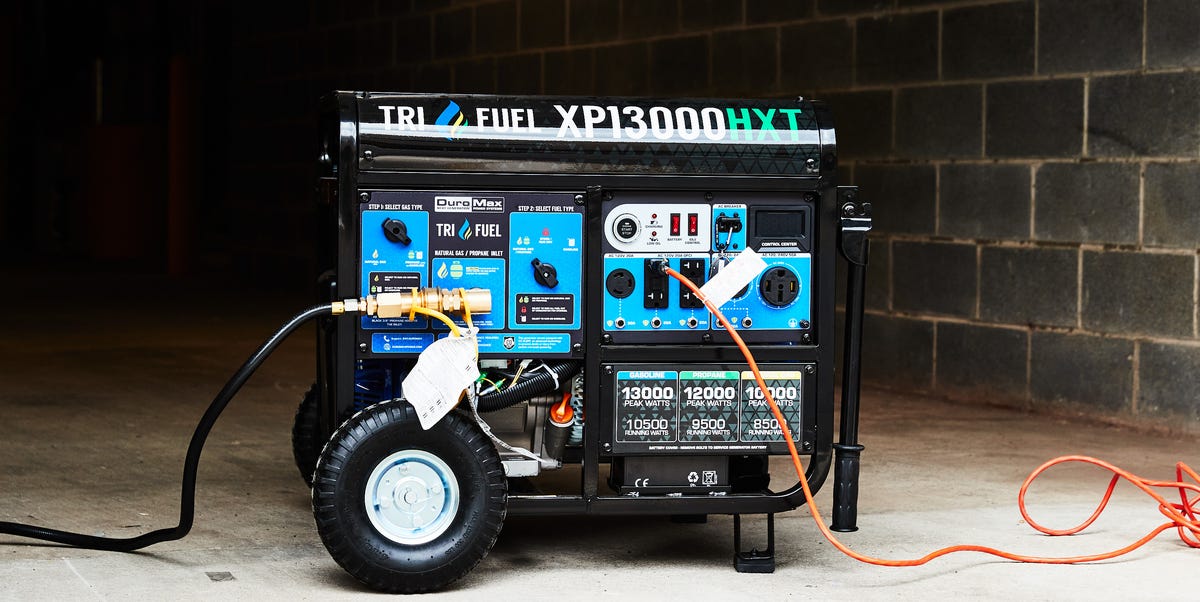
A home generator is one of those appliances you barely think about until the lights go out, the Wi-Fi dies, and suddenly everyone in the house starts acting like they’ve been dropped into the 1800s. Whether you own a portable unit for storm season or a standby generator that kicks on automatically, regular maintenance is what separates a hero machine from an expensive lawn ornament.
The good news is that generator maintenance is not rocket science. The bad news is that ignoring it can lead to hard starts, rough running, stale fuel problems, weak batteries, clogged filters, surprise shutdowns, and the kind of outage drama that makes you question every life decision that brought you to this moment. A little routine care goes a long way.
In this guide, we’ll cover five practical generator maintenance tips that help keep your backup power system reliable, efficient, and ready for the next storm, heat wave, or random neighborhood blackout. You’ll also find a few real-world examples, common mistakes to avoid, and an experience-based section at the end that digs into what homeowners often learn the hard way.
Why Generator Maintenance Matters
Generators are built to work hard, but they are not built to thrive on neglect. A generator has fuel, air, oil, ignition components, moving parts, and in many standby systems, batteries and electronic controls. Every one of those parts needs some level of inspection or upkeep. If one weak link fails, the whole system can stumble right when you need it most.
Good maintenance does four things at once: it improves reliability, extends equipment life, helps the generator run more efficiently, and reduces the chances of unsafe operation. That means fewer emergency repairs, fewer no-start surprises, and a much better chance your refrigerator, sump pump, HVAC, and coffee maker survive the next outage with dignity intact.
Tip #1: Check Oil, Filters, and Spark Plugs Before They Check Out on You
If generators had a love language, it would probably be clean oil. Engine oil lubricates internal components, helps manage heat, and reduces wear. Low, dirty, or old oil is one of the fastest ways to shorten engine life. On portable generators, it is smart to check the oil level before each major use and after extended run times. On standby generators, follow the owner’s manual and any maintenance alerts from the control panel.
Air filters matter just as much. A dirty air filter makes the engine work harder, reduces airflow, and can contribute to rough performance. Fuel filters can also become restricted over time, especially if fuel sits too long or picks up debris. Spark plugs deserve attention too, because a fouled or worn plug can cause hard starts, misfires, and poor combustion.
What to do
Create a simple maintenance habit: inspect oil, air filter condition, fuel filter condition, and spark plug status on a regular schedule. For many homeowners, that means a quick check before storm season, another check after any long outage, and a deeper inspection during annual service.
Example: A homeowner runs a portable generator for three days after an ice storm, then rolls it back into the garage and forgets about it. Six months later, the next outage hits, and the unit cranks like it just woke up from a century-long nap. The usual suspects? Old oil, stale fuel residue, and a spark plug that looks like it has seen things.
The big takeaway is simple: clean oil and healthy replaceable parts keep the engine happy. And a happy engine is much less likely to embarrass you during a blackout.
Tip #2: Treat Fuel Like a Priority, Not an Afterthought
Fuel problems are one of the most common reasons generators fail to start properly. Gasoline does not stay fresh forever. Over time, it can degrade, form gum and varnish, and clog the fuel system. That is especially true when a portable generator sits unused between emergencies.
If you own a gasoline-powered portable generator, you generally have two smart storage options: store it dry according to the manufacturer’s instructions, or use fresh fuel treated with a stabilizer and run the generator long enough for that treated fuel to circulate through the system. What you do not want is half-old fuel sitting around like a science experiment with a pull cord.
For propane or natural-gas standby generators, the issue is less about stale gasoline and more about keeping fuel supply lines, valves, and connections in good condition. A blocked line, a valve issue, or debris around exposed components can affect performance or prevent startup.
What to do
Use the fuel type recommended by your manufacturer. Store gasoline in approved containers, in a proper location away from living areas and ignition sources. Rotate stored gasoline if appropriate, and never assume last season’s fuel is “probably fine.” In generator language, “probably fine” often translates to “not starting tonight.”
Example: A family stores a portable generator with untreated gas after hurricane season. Months later, the engine starts, sputters, and quits. They spend half the outage watching tutorial videos instead of keeping the freezer cold. A bottle of fuel stabilizer and ten extra minutes before storage could have saved the day.
Tip #3: Run the Generator Regularly So It’s Not a Stranger to Itself
Generators need exercise. That sentence sounds funny, but it is true. Standby generators often have an automatic exercise cycle or self-test that runs periodically to keep the engine and electrical systems ready. Portable generators benefit from being started and run occasionally as well, especially before storm season.
Regular operation helps identify small problems before they turn into emergency failures. Maybe the battery is weakening. Maybe the engine is running rough. Maybe the unit starts, but output is unstable. These are better discoveries on a calm Saturday than during a midnight outage in August when the house feels like a toaster oven.
For standby units, the exercise feature is a major advantage. It helps the system self-check and maintain readiness. But you still need to verify that the system is in automatic mode, that alerts are cleared, and that maintenance reminders are not being ignored like unread emails from the dentist.
What to do
For standby systems, confirm the exercise schedule is set correctly and the unit is ready for automatic operation. For portable systems, run the unit outdoors according to safety instructions from time to time, especially before severe weather season. Listen for unusual noises, watch for rough running, and confirm it powers the loads you expect it to handle.
A practical trick is to add generator exercise to your home maintenance calendar. Tie it to something easy to remember, like the start of each month or the weekend you change HVAC filters. Your future self will be thrilled.
Tip #4: Don’t Ignore the Battery, Connections, and the Area Around the Unit
Many homeowners focus on oil and fuel but forget the battery. That is a mistake, especially for standby generators. A weak battery is one of the top reasons a standby generator fails to start when utility power drops. Corroded terminals, poor charging, and age-related battery failure can all undermine reliability.
Beyond the battery, the generator’s environment matters more than many people realize. Leaves, grass clippings, dirt, nesting debris, and overgrown shrubs can interfere with airflow and cooling. Water intrusion is also a concern. Sprinklers, gutter runoff, standing water, or poor drainage around the pad can create problems over time.
What to do
Inspect the battery, terminals, cables, and charge status on a schedule that matches your system and manual. For standby generators, have the battery tested during regular service and replace it when recommended. Also check the area around the generator enclosure and keep it clean and clear. Good airflow is not optional.
If you have a permanently installed unit, do a quick walk-around every month. Look for rust, rodent activity, loose panels, leaks, branches, weeds, and signs of water getting where it should not. This is the least glamorous part of generator ownership, but it is also one of the most valuable.
Think of it this way: if your generator is wearing a blanket of leaves and has a tired battery, it is not “stored naturally.” It is being set up for failure with decorative landscaping.
Tip #5: Practice Safe Operation While You Maintain It
Maintenance is not just about mechanical reliability. It is also about safe use. Home generators can create serious hazards, especially carbon monoxide poisoning, fire, and electric shock. A generator that runs perfectly but is operated unsafely is still a problem.
Portable generators must always be used outdoors, away from doors, windows, and vents. Never run one inside a home, garage, basement, crawlspace, or partially enclosed area. Keep it dry, let it cool before refueling, and use properly rated extension cords when appropriate. Never backfeed a house by plugging the generator into a wall outlet. If you want a portable generator connected to home circuits, have a transfer switch installed by a qualified electrician.
Maintenance and safe operation go hand in hand. While inspecting the unit, also check your carbon monoxide detectors, extension cords, fuel storage practices, and operating setup. Your generator should be ready to provide electricity, not a cautionary tale.
What to do
Build a safety checklist into your maintenance routine. Confirm detector batteries are good. Review where the generator will sit during an outage. Make sure fuel is stored properly. Check cords and plugs for damage. Verify everyone in the household knows the basic do’s and don’ts. The best time to review safety is before you are tired, hot, and trying to solve problems in the dark.
A Simple Maintenance Routine Homeowners Can Actually Follow
Before storm season
Inspect oil, filters, spark plugs, battery condition, and fuel status. Run a test cycle. Confirm you have the right cords, fuel, and safety gear. Make sure your CO detectors are working.
After a long outage
Check oil level and condition, look for leaks, inspect the air filter, and note any performance issues. If the generator ran hard for many hours, move up the next service instead of waiting.
At least annually
Schedule a more thorough inspection and service based on the manufacturer’s instructions. For standby systems, this is also a good time to test the battery, inspect fuel delivery components, and review controller alerts.
Common Generator Maintenance Mistakes
One, storing gasoline too long and hoping for the best. Two, forgetting the battery. Three, skipping exercise runs because “it worked last year.” Four, letting debris crowd the enclosure. Five, treating the owner’s manual like optional literature. Your manual may not be a thrilling beach read, but it does contain the exact schedule and procedures for your model.
Another common mistake is assuming a generator is either “working” or “broken,” with no middle ground. In real life, generator problems usually arrive gradually. The engine starts a little slower. It runs a little rougher. The battery weakens. The fuel gets older. The filter gets dirtier. Maintenance catches the gray-area problems before they become blackout disasters.
Final Thoughts
If you want your home generator running strong, do not wait for a storm warning to start caring. Keep up with oil and replaceable parts, manage fuel properly, exercise the unit regularly, pay attention to the battery and surroundings, and fold safety into every maintenance step. None of this is flashy. All of it works.
The smartest generator owners are not the ones with the fanciest models. They are the ones whose equipment starts when needed, powers what matters, and does not create extra problems during an already stressful outage. In other words, they do the boring stuff ahead of time, and then they get to look brilliant later.
Experience Corner: What Homeowners Learn the Hard Way About Generator Maintenance
Talk to enough homeowners who have lived through hurricanes, ice storms, grid hiccups, or summer outages, and you start hearing the same stories over and over. The first story usually begins with confidence. “We bought a generator, so we’re covered.” The second part is where the plot twists. “It wouldn’t start.” Or, “It ran for ten minutes and quit.” Or, “We realized at 11 p.m. that the extension cord we had was absolutely the wrong cord.” Generator ownership has a funny way of rewarding preparation and punishing optimism.
One common experience is the stale-fuel surprise. A homeowner buys a portable generator after a major storm, uses it once, then stores it away with old gasoline in the tank. Months later, another outage hits. The engine sputters, coughs, and behaves like it is personally offended by the idea of working. That moment teaches a lasting lesson: fuel maintenance is not a detail. It is the difference between backup power and a noisy paperweight.
Another big lesson involves standby generators and batteries. Many people assume that because the unit is permanently installed, it is somehow self-sustaining forever. Then one day the utility power drops, the transfer switch waits, and nothing happens. The culprit is often a weak battery or overdue service. Homeowners usually describe that experience with the same tone people use when talking about locking themselves out of the house in slippers. It is humbling.
There is also the “I meant to do that later” problem. People notice small issues and postpone them. Maybe there is a maintenance alert on the control panel. Maybe the unit sounds a little rough during its exercise cycle. Maybe there are weeds growing up around the enclosure. None of it feels urgent when the sun is shining. Then the outage arrives, and suddenly every delayed task becomes very urgent indeed.
The most experienced generator owners tend to develop simple habits instead of heroic rescue plans. They label fuel containers. They keep extra oil on hand. They save the manual somewhere obvious. They test their unit before storm season. They replace worn cords instead of pretending electrical tape is a personality trait. They know where the generator will sit, what it will power, and how long their fuel supply is likely to last.
In other words, real-world experience usually turns people into believers in routine. Not because routine is exciting, but because it makes outages less chaotic. And that may be the best generator tip of all: the more ordinary your maintenance habits are, the less dramatic your emergency is likely to become.