

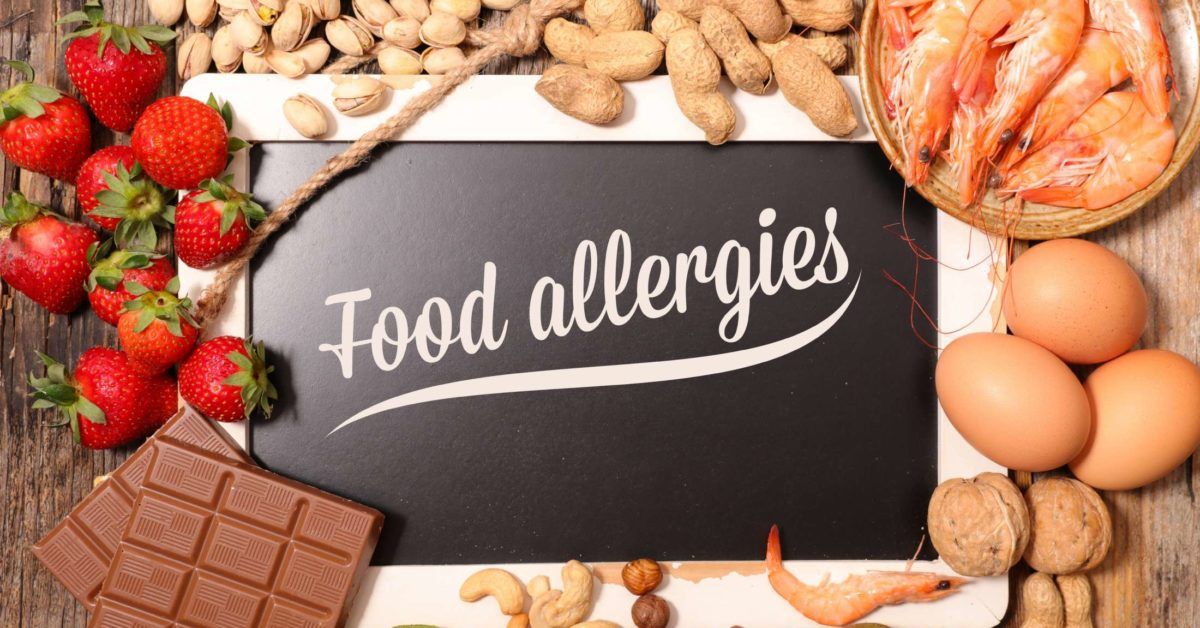
Food allergies have a sneaky way of turning everyday moments into high-stakes detective work. One minute you are choosing a granola bar, ordering tacos, or packing lunch for school; the next, you are squinting at an ingredient list like it contains the launch codes. If you or someone you love lives with food allergies, you already know the routine: read, ask, double-check, repeat, and try not to panic when someone says, “I’m pretty sure it’s fine.”
The good news is that dealing with food allergies becomes much more manageable when you build a reliable system. A food allergy does not mean life must become tiny, boring, or wrapped in bubble wrap. It means you need clear information, smart habits, good communication, and a plan for emergencies. Think of it less like living in fear and more like becoming the CEO of your own safety departmentwith snacks.
This guide covers five practical tips for dealing with food allergies, including how to understand your triggers, avoid cross-contact, read food labels, dine out safely, and prepare for allergic reactions. You will also find real-life-style experiences at the end to help make these tips easier to apply in daily life.
Understanding Food Allergies Before You Manage Them
A food allergy happens when the immune system mistakenly treats a food protein as a threat. Instead of calmly saying, “Thanks for the peanut,” the immune system may react with symptoms such as hives, swelling, stomach pain, vomiting, coughing, wheezing, throat tightness, dizziness, or, in severe cases, anaphylaxis. Anaphylaxis is a medical emergency and can become life-threatening quickly.
The major food allergens commonly discussed in the United States include milk, eggs, peanuts, tree nuts, fish, crustacean shellfish, wheat, soy, and sesame. However, people can be allergic to other foods too. That is why personalized medical guidance matters. Your allergy story may not look exactly like someone else’s, even if you both avoid the same food.
Food allergies are also different from food intolerances. Lactose intolerance, for example, can cause digestive discomfort, but it does not usually involve the immune system in the same dangerous way as a true milk allergy. This difference matters because the safety plan, emergency preparation, and level of avoidance may be very different.
Tip 1: Get a Clear Diagnosis and Build a Written Allergy Action Plan
The first rule of dealing with food allergies is simple: know what you are dealing with. Guessing is for game shows, not immune-system drama. If you suspect a food allergy, talk with a qualified healthcare professional, preferably an allergist. A proper evaluation may include a detailed medical history, skin prick testing, blood testing for specific IgE antibodies, or a medically supervised oral food challenge when appropriate.
Why self-diagnosis can backfire
It may be tempting to remove every suspicious food from your diet after one bad reaction. But unnecessary food restriction can make meals stressful, limit nutrition, and create confusion. On the other hand, ignoring a true allergy can be dangerous. A professional diagnosis helps you understand what to avoid, what might be safe, and what symptoms should trigger emergency care.
Create an allergy action plan
An allergy action plan is a written guide that explains what to do if exposure happens. It should include the person’s allergens, common symptoms, emergency contacts, medication instructions, and when to use epinephrine if it has been prescribed. This plan is especially important for children, schools, day care centers, camps, caregivers, babysitters, coaches, and relatives who believe “just a little” is a harmless measurement. Spoiler: it is not.
If you or your child has been prescribed epinephrine, learn how to use it correctly. Practice with a trainer device if available, check expiration dates, and carry it as directed. Antihistamines may help with some mild symptoms, but they are not a substitute for epinephrine during anaphylaxis. For severe symptoms, epinephrine should be used promptly, and emergency medical help should be contacted right away.
Tip 2: Become a Label-Reading Detective
Reading food labels is one of the most important food allergy management habits. Packaged foods in the United States must clearly identify major food allergens when they are ingredients. That can appear in the ingredient list or in a “Contains” statement, such as “Contains: Milk, Wheat, Soy.” Sesame is now included among the major food allergens that must be declared on many packaged foods.
Read every label, every time
Yes, even for the crackers you have bought 47 times. Food manufacturers can change ingredients, suppliers, processing methods, or packaging without sending you a dramatic movie trailer first. A product that was safe last month may contain a new ingredient today. Make label reading a routine, not a special occasion.
Look for the allergen’s common name and its less obvious forms. For example, milk may appear as casein, whey, butter, cream, or lactose-containing ingredients. Egg may appear in albumin or mayonnaise. Wheat may hide in soy sauce, breadcrumbs, or some processed foods. Sesame may appear as tahini, benne, gingelly, or sesame oil. When in doubt, contact the manufacturer before eating the product.
Understand “may contain” warnings
Precautionary statements such as “may contain peanuts,” “processed in a facility with tree nuts,” or “made on shared equipment” are often used to warn about possible cross-contact. These statements are not always standardized, so they can be frustrating. Still, they should be taken seriously, especially for people with a history of severe reactions. Ask your allergist how to interpret these warnings for your specific risk level.
Also remember that allergen labeling rules for packaged foods do not always apply in the same way to restaurant meals, bakery items, deli foods, bulk bins, or foods prepared by friends. That homemade cookie may look innocent, but if it shared a mixer with peanut butter dough, it has a secret life.
Tip 3: Prevent Cross-Contact at Home
Cross-contact happens when an allergen accidentally gets into a food that should be allergen-free. It can occur through shared knives, cutting boards, toasters, pans, counters, oil, grills, hands, dish towels, or condiment jars. For example, a knife used in peanut butter and then dipped into jelly can turn the jelly into a problem for someone with a peanut allergy.
Set up your kitchen for success
A safer kitchen does not have to look like a laboratory, although a few labels and rules help. Store allergen-free foods separately when possible. Use clearly marked containers. Keep safe snacks in a dedicated area. Consider separate cutting boards, utensils, pans, or appliances for allergy-safe cooking, especially for high-risk allergens.
Wash hands with soap and water before preparing allergy-safe food. Hand sanitizer may be useful in many situations, but soap and water are better for physically removing food proteins from hands. Clean counters, tables, and cooking tools thoroughly. Teach everyone in the household that “clean enough” is not the same as “allergy-safe.” Crumbs are tiny, but they have big main-character energy.
Build simple household rules
Try rules such as no double-dipping in shared jars, no eating allergen-containing foods in bedrooms, no sharing cups or utensils, and no mystery leftovers without labels. If the allergen is allowed in the home, create a cleanup routine after it is eaten. If the allergy is severe, some families choose to keep the allergen out of the house completely. The right choice depends on medical advice, age, reaction history, household habits, and comfort level.
For children, use age-appropriate education. Younger kids can learn phrases like, “No thank you, I have a food allergy,” or “I only eat food from my lunchbox.” Older kids and teens should learn how to read labels, ask questions, carry medication, and speak up confidently. Independence is important, but safety skills should grow with it.
Tip 4: Communicate Clearly When Eating Away From Home
Dining out with food allergies can feel like a group project where your health depends on everyone doing their part. The goal is not to be difficult. The goal is to be clear. Restaurants, cafeterias, airlines, hotels, parties, and school events all involve extra variables, so communication is your best friend.
Call ahead and ask specific questions
Before visiting a restaurant, check the menu online and call during a less busy time. Ask whether the kitchen can safely accommodate your allergy. Be specific: “I have a severe allergy to cashews and pistachios. Are nuts used in sauces, desserts, salads, or shared cooking areas?” This is more useful than saying, “Is this safe?” because “safe” means different things to different people.
When ordering, tell the server about the allergy clearly and ask them to notify the kitchen. A chef card can help because it lists allergens and cross-contact concerns in writing. Choose simpler dishes with fewer ingredients. Grilled chicken, plain rice, steamed vegetables, and basic sauces may be easier to evaluate than a 19-ingredient fusion masterpiece named “Chef’s Whimsical Surprise.” Surprise is fun for birthdays, not allergy management.
Know when to walk away
If the staff seems unsure, dismissive, or too rushed to answer questions, it is okay to leave. That is not rude; it is responsible. The same applies at parties or family gatherings. If the ingredients are unknown, the serving spoons are shared, or the host says, “I think it only has a little almond flour,” choose a safe backup meal. Keeping a trusted snack in your bag can save the day and your mood.
Travel also requires planning. Pack safe foods, bring extra medication, keep prescriptions accessible, and learn key allergy phrases if traveling internationally. For children, make sure schools, camps, and caregivers have the allergy action plan, emergency medication, and clear instructions. Food allergy safety works best when everyone knows the plan before there is a problem.
Tip 5: Prepare for Emergencies Without Living in Fear
Even careful people can have accidental exposures. That is why emergency preparation is not pessimism; it is peace of mind wearing sensible shoes. If epinephrine has been prescribed, carry it consistently and make sure trusted people know where it is and how to use it.
Recognize symptoms early
Allergic reactions can look different from person to person. Symptoms may include hives, itching, swelling of the lips or tongue, throat tightness, coughing, wheezing, vomiting, diarrhea, stomach cramps, dizziness, fainting, or a sense that something is very wrong. Severe reactions may involve breathing trouble, low blood pressure, or symptoms in more than one body system.
Do not wait for a reaction to become dramatic before acting according to your allergy action plan. Some people hesitate because they are embarrassed, unsure, or hoping symptoms will pass. But with anaphylaxis, quick action matters. After epinephrine is used, emergency medical care is still needed because symptoms can return or require further treatment.
Talk with your doctor about treatment options
For many years, food allergy management centered on strict avoidance and emergency treatment. Those are still essential. However, treatment options have expanded for some people. Peanut oral immunotherapy and medications that may reduce reactions from accidental exposure may be options for certain patients under specialist care. These treatments are not cures, and they do not mean a person can casually eat their allergen. They may add a layer of protection, but avoidance and emergency readiness remain important.
The best treatment plan is personal. It should consider age, allergy type, reaction history, asthma status, lifestyle, anxiety level, nutrition needs, and access to care. A registered dietitian can also help if major foods are removed from the diet, especially for children, athletes, picky eaters, or anyone who does not want dinner to become a sad rotation of three “safe” foods.
Extra Experience Section: Real-Life Lessons for Dealing with Food Allergies
One of the biggest lessons people learn after living with food allergies is that confidence comes from routines. At first, everything may feel overwhelming. Grocery shopping takes longer. Restaurant menus feel like homework. Birthday parties become complicated. Even friendly comments like “I made this just for you” can create pressure. Over time, however, the process gets easier because you learn what questions to ask and which habits protect you best.
For example, imagine a parent packing lunch for a child with a peanut allergy. In the beginning, the parent may check every label three times, worry about cafeteria tables, and send long messages to teachers. That stress is understandable. But after creating a systema safe lunchbox, labeled snacks, classroom instructions, an allergy action plan, and regular conversations with the childthe day becomes less frightening. The child also learns simple rules: eat only approved food, never trade snacks, wash hands, and tell an adult immediately if symptoms appear.
Another common experience happens when eating with friends. Someone may say, “It does not have nuts,” but they may not know that pesto can contain pine nuts, desserts may use almond flour, or fried foods may share oil. A helpful approach is to stay polite but specific: “Thank you for checking. Could I see the ingredient label?” or “Was this made with shared utensils?” Clear questions reduce awkwardness because they focus on facts, not blame.
Many adults with food allergies also learn the value of backup plans. Keeping safe snacks at work, in a backpack, or during travel can turn a stressful situation into a minor inconvenience. If the restaurant cannot accommodate your allergy, you still have something to eat. If a flight is delayed, you are not stuck choosing between hunger and risk. A granola bar may not be glamorous, but in the allergy world, a safe snack is basically a superhero in a wrapper.
Social pressure can be surprisingly difficult. People with food allergies may feel embarrassed about asking questions or declining food. Children may worry about standing out. Teens may take risks because they do not want to seem different. Adults may avoid bringing up allergies on dates or business lunches. The best experience-based advice is to practice short, calm explanations before you need them. Try saying, “I have a serious food allergy, so I need to check ingredients,” or “I cannot eat that, but thank you for offering.” You do not owe anyone a dramatic speech. Safety is enough of a reason.
Another practical lesson is that people respond better when you make the next step easy. Instead of only saying, “I cannot eat dairy,” you might say, “I can eat plain grilled chicken, rice, fruit, and vegetables without butter.” Instead of telling a host, “Everything is risky,” offer to bring a dish you know is safe. This reduces confusion and helps others support you.
Finally, dealing with food allergies is not just about avoiding danger; it is about protecting quality of life. The goal is to eat, travel, celebrate, and participate as fully as possible while staying prepared. Some days will be annoying. Some labels will be confusing. Some restaurants will make you want to carry a magnifying glass and a tiny courtroom gavel. But with a clear diagnosis, smart planning, strong communication, and emergency readiness, food allergies can become manageable instead of all-consuming.
Conclusion
Dealing with food allergies takes practice, but it does not have to take over your life. Start with a clear diagnosis and a written allergy action plan. Read labels carefully, prevent cross-contact at home, communicate clearly when eating away from home, and stay ready for emergencies. These five food allergy tips create a strong safety net for everyday life.
The most important mindset is preparation without panic. Food allergies deserve respect, but they do not get to steal every joyful meal, school event, vacation, or dinner with friends. With the right habits, you can make safer choices, reduce stress, and enjoy food with more confidence.
Note: This article is for educational purposes only and should not replace medical advice. Anyone with suspected or diagnosed food allergies should work with a qualified healthcare professional for personalized diagnosis, treatment, and emergency planning.