

Every dog owner eventually becomes an expert in one glamorous life skill: dealing with poop. It is not the reason anyone adopts a puppy, frames a “welcome home” photo, or buys a tiny sweater that says “spoiled,” but it comes with the territory. The good news? Learning how to dispose of dog poop properly is simple, sanitary, and surprisingly important for your home, your neighborhood, and the environment.
Dog waste is not fertilizer, no matter how confidently it sits on the grass pretending to be useful. Unlike cow manure, dog poop may contain parasites, bacteria, and other germs that can be harmful to people, pets, soil, and waterways. When left on sidewalks, lawns, parks, trails, or near storm drains, it can wash into local water systems and contribute to bacteria and nutrient pollution. That means one forgotten pile is not just a “watch your step” problem. It is a tiny environmental villain wearing no cape.
This guide explains simple ways to dispose of dog poop in 10 practical steps. Whether you live in an apartment, own a backyard, hike with your dog, or simply want to stop doing the awkward one-handed leash-and-bag dance, these tips will help you clean up quickly, safely, and with minimal drama.
Why Proper Dog Poop Disposal Matters
Picking up after your dog is more than good manners. It is public health, water protection, pest control, and neighbor diplomacy all rolled into one very small bag.
Dog feces can carry organisms such as roundworms, hookworms, Giardia, Salmonella, E. coli, and other pathogens. Not every pile is dangerous, but you cannot tell by looking. Sadly, poop does not come with a warning label. Children playing in yards, gardeners, other dogs, and anyone who accidentally steps in contaminated soil can be exposed.
There is also the water issue. Rainwater can carry pet waste from yards, streets, and parks into storm drains, streams, lakes, and beaches. Once there, it may add nutrients and bacteria that harm water quality. That is why many cities encourage residents to scoop, bag, and trash pet waste instead of leaving it outdoors.
And then there is the social contract. Nobody wants to start the day by discovering a surprise under their shoe. Picking up after your dog keeps sidewalks clean, prevents odor, and proves you are a responsible human being rather than the mysterious neighborhood “poop ghost.”
Step 1: Carry Dog Poop Bags Every Time You Leave Home
The easiest way to dispose of dog poop is to be prepared before your dog assumes the position. Keep bags near the leash, in your coat pocket, in your car, and attached to your dog’s leash with a dispenser. If you have ever said, “I’ll only be outside for two minutes,” your dog has probably interpreted that as a personal challenge.
Choose bags that are strong, leak-resistant, and large enough for your dog’s size. Tiny bags may work for a Chihuahua, but they are a cruel joke if you walk a Great Dane. For extra confidence, especially on long walks, carry two or three more bags than you think you need.
Helpful bag habits
Store rolls in predictable places. Replace the roll before it runs out. Keep a backup in your wallet, backpack, stroller, or treat pouch. If you hire a dog walker, make sure they know where the bags are and where the filled bags should go.
Step 2: Pick Up Dog Poop Immediately
The best time to pick up dog poop is right after it happens. Waiting makes the job smellier, messier, and more likely to be forgotten. Fresh waste is easier to collect, less likely to spread across grass or pavement, and less likely to attract flies.
If your dog poops in your yard, do not let the piles “age gracefully.” They will not become vintage. Make cleanup part of your daily routine or schedule a yard sweep at least several times a week. Homes with multiple dogs may need daily cleanup, especially in warm or rainy weather.
Why speed matters
Prompt cleanup helps limit contact with parasites and bacteria. It also reduces odor and keeps other pets from sniffing, stepping in, rolling in, orbecause dogs are mysterious creaturestrying to eat it.
Step 3: Use the Inside-Out Bag Method
The classic inside-out bag method is fast, clean, and beginner-friendly. Put your hand inside the bag like a glove. Pick up the poop through the bag, then use your other hand to pull the open end of the bag back over the waste. Now the poop is inside the bag and your hand is still emotionally intact.
On grass, gather from underneath so you collect as much as possible. On pavement, use a gentle scraping motion with the bag. If the stool is loose, use a thicker bag, paper towel, disposable scoop, or a small portable tool. Nobody wins an award for touching more than necessary.
For messy situations
If your dog has diarrhea, cover the area with absorbent material such as paper towels, then bag the waste. At home, rinse hard outdoor surfaces only after removing solids, and avoid washing waste directly into storm drains. If diarrhea continues, contact your veterinarian because it may signal illness, parasites, diet issues, or stress.
Step 4: Tie the Bag Securely
Once the waste is inside the bag, tie a tight knot. This reduces odor, prevents leaks, and protects sanitation workers, neighbors, and anyone else who handles trash. A securely tied bag is also easier to carry without feeling like you are transporting a biological time bomb.
For large dogs or long walks, double-bagging can be useful. It is especially helpful if the first bag feels thin, if the waste is wet, or if you need to carry it for a while before finding a trash can.
Do not leave bagged poop on the ground
Bagging dog poop and leaving it beside a trail, curb, tree, or park bench is not disposal. It is litter with a plot twist. If you bag it, carry it until you can place it in an approved trash receptacle.
Step 5: Put Bagged Dog Poop in the Trash
For most households, the simplest dog poop disposal method is to place the tied bag in the trash. Many municipalities recommend putting pet waste in garbage, often in a sealed or leak-proof bag. Use your own trash bin when possible, or a public litter basket where local rules allow it.
If you live in an apartment or condo, check building rules. Some communities have dedicated pet waste stations. Use them properly, close the lid, and do not overstuff the container. If the bin is full, carry the bag to another approved trash can. Balancing a poop bag on top of a full bin is not “almost disposing of it.” It is creating tomorrow’s problem.
Neighbor bin etiquette
Avoid tossing dog poop into a neighbor’s private trash can unless you have permission. Even when the law is unclear, the smell is very clear. Good etiquette is simple: use your own bin, a public bin, or a designated pet waste container.
Step 6: Flush Dog Poop Only When Local Rules Allow It
In some places, flushing dog poop may be allowed because wastewater treatment systems can process it. However, this comes with major rules. Never flush plastic bags, compostable bags, “biodegradable” bags, wipes, litter, or anything except the poop itself. Bags can clog plumbing and damage wastewater equipment.
Before flushing dog waste, check your local utility guidance. Homes with septic systems should be especially careful because extra solids and pathogens may stress the system. If your city says dog poop can be flushed, drop only the waste into the toilet, then wash your hands thoroughly. If your city says no, use the trash.
Important warning
Do not flush cat feces or cat litter. This article focuses on dog poop, and cat waste has different concerns. Keep pet waste rules species-specific, because plumbing does not appreciate creative interpretations.
Step 7: Create a Backyard Cleanup Routine
If your dog uses your yard, create a cleanup system that is easy enough to maintain. Keep a lidded outdoor trash can lined with a sturdy garbage bag, a pooper scooper, disposable bags, gloves, and hand sanitizer nearby. The less effort it takes, the more likely you are to stay consistent.
For small yards, walk a grid pattern so you do not miss anything. For larger yards, divide the space into sections. Clean high-traffic areas first, such as near patios, gates, children’s play zones, and garden beds. If you have kids, make the dog bathroom area separate from play areas whenever possible.
How often should you clean the yard?
Daily is ideal for multiple dogs or small spaces. Every two to three days may work for one dog in a larger yard. After heavy rain, clean as soon as practical because moisture spreads waste and odor. In summer, frequent pickup helps reduce flies. In winter, do not wait for snow to melt and reveal a horror museum.
Step 8: Know What to Do on Trails, Parks, and Beaches
When hiking, camping, visiting parks, or walking near beaches, follow posted rules. Many outdoor areas require dog owners to pack out pet waste. That means you carry the bag with you until you reach an approved trash can. Yes, even if the trash can is far away. Your dog packed the snacks in their stomach; you pack the results out.
Some backcountry guidance may allow burying dog waste in certain places, similar to human waste disposal rules, but this depends on location. In many busy recreation areas, packing it out is the preferred choice because buried waste can still create sanitation issues, attract wildlife, or contaminate water.
Trail tip
Bring a smell-proof pouch, hard-sided container, or dedicated outer pocket for filled bags. This makes long hikes much more pleasant. Do not tie bags to tree branches or leave them beside the trail “for later.” Later has a way of disappearing.
Step 9: Be Careful With Composting Dog Waste
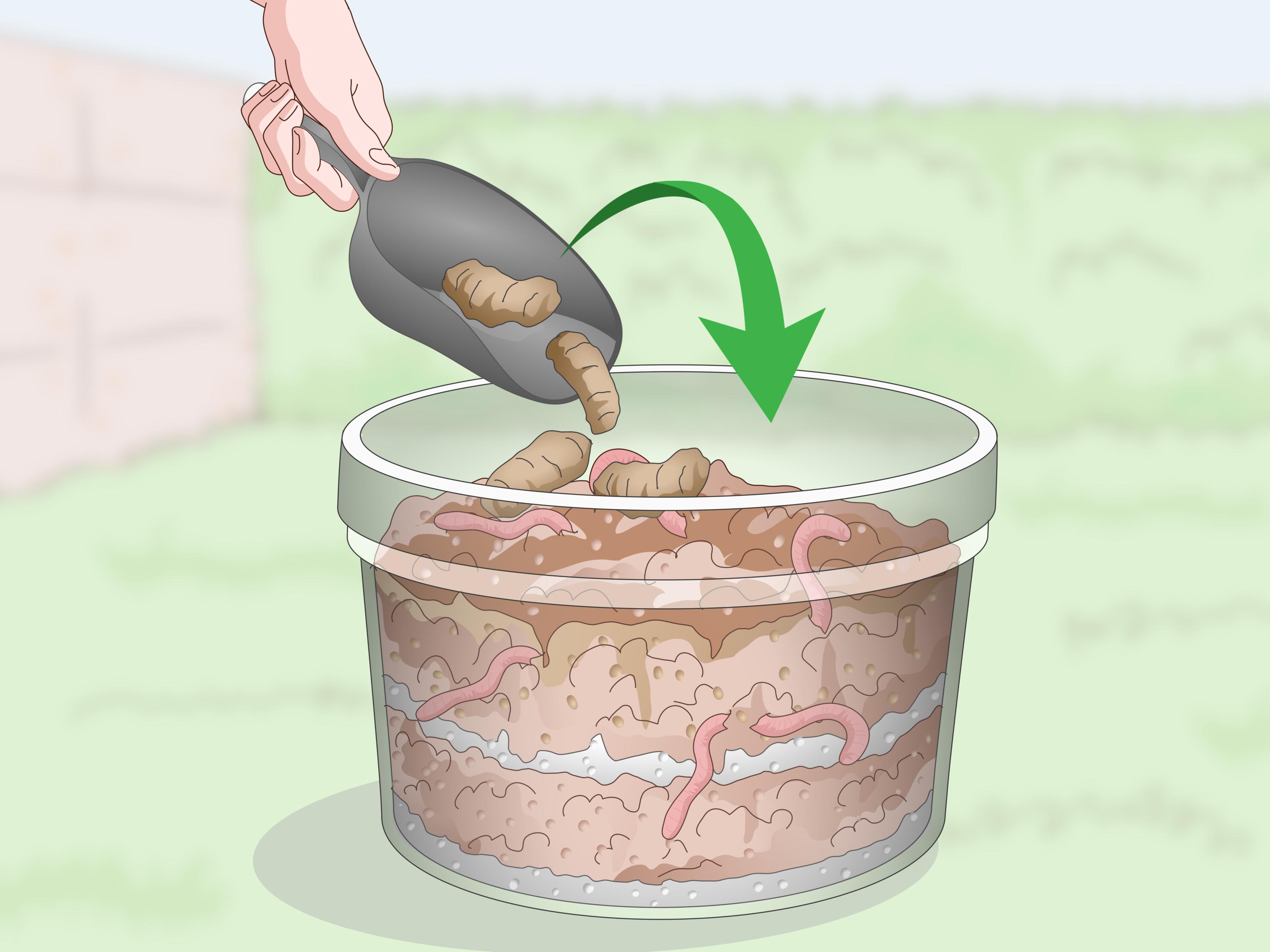
Composting dog poop is possible only with special precautions, and it is not the same as tossing it into your regular backyard compost bin. Standard home compost piles often do not get hot enough for long enough to kill harmful pathogens. Because of that, many extension and municipal sources advise against adding dog or cat feces to ordinary compost.
If you want to compost dog waste, use a dedicated pet waste composting system, follow a proven recipe, monitor temperature with a long-stem thermometer, add a carbon source such as sawdust, and keep the system separate from food-garden compost. Finished dog waste compost should be used only on ornamental plants, landscaping, shrubs, or non-edible areasnot vegetables, herbs, fruit trees, or anything you plan to eat.
Composting rule of thumb
If you cannot monitor temperature, control moisture, manage odor, keep pests out, and use the finished compost safely, do not compost dog poop. Trash disposal is usually safer and simpler for everyday pet owners.
Step 10: Choose Bags Wisely, But Do Not Fall for Greenwashing
Many dog poop bags are marketed as biodegradable, compostable, plant-based, earth-friendly, or guilt-free. Some are better than others, but the label does not magically solve disposal. A compostable bag usually needs a composting facility that accepts pet waste. Many facilities do not. If the bag goes to a landfill, it may not break down as advertised because landfills are compacted and low in oxygen.
A practical choice is to use strong bags made with post-consumer recycled content or certified compostable bags only if your local pet waste composting program accepts them. The most important thing is still this: pick up the waste and put it where your community says it belongs.
Best bag checklist
Look for bags that are leak-resistant, easy to open, properly sized, and honest about disposal. Avoid thin bags that tear, heavily scented bags that irritate your nose, or vague “eco” claims without clear instructions.
Common Dog Poop Disposal Mistakes to Avoid
Leaving poop because “it is natural”
Dog poop is natural in the same way a skunk is natural: that does not mean you want it near your picnic blanket. Pet waste can carry pathogens and contribute to polluted runoff.
Throwing poop into yard waste or recycling
Dog poop does not belong in recycling. It usually does not belong in yard waste or curbside compost unless your local program specifically accepts pet waste. When in doubt, trash it.
Using private bins without permission
Even a neatly tied bag can smell terrible in someone else’s bin. Use your own container or a public receptacle.
Forgetting to wash your hands
After handling pet waste, wash your hands with soap and water. If you are away from home, use hand sanitizer until you can wash properly.
Real-Life Experiences and Practical Lessons From Dog Poop Duty
Dog poop disposal sounds simple until real life adds weather, traffic, distractions, and one very enthusiastic dog pulling toward a squirrel. Many dog owners learn their best habits through small disasters. The first lesson usually arrives on a peaceful walk when the dog chooses the most public possible location: in front of a restaurant patio, beside a school pickup line, or directly under the judging eyes of a neighbor watering roses. In that moment, having a bag ready feels less like preparation and more like superhero equipment.
Apartment dwellers often discover that convenience matters more than motivation. If bags are stored in a drawer across the room, they will be forgotten. If they are clipped to the leash, stocked near the door, and backed up with an extra roll in a coat pocket, cleanup becomes automatic. A small covered trash can near the building’s pet area can also make life easier, as long as management allows it and it is emptied often. Nobody wants the lobby to smell like a dog park in August.
Backyard owners face a different challenge: invisible accumulation. One pile is easy to ignore. Ten piles become a weekend project nobody volunteered for. The most successful routine is usually short and frequent. A five-minute yard sweep after morning coffee is far better than a Saturday excavation. People with multiple dogs often keep a scooper, lined outdoor bin, and disposable gloves in one dedicated spot. That setup turns cleanup from a “where is everything?” chore into a quick maintenance habit.
Rain teaches another memorable lesson. Wet dog poop is harder to pick up, spreads faster, and smells worse. After storms, it is smart to check the yard, patio edges, and low spots where runoff collects. On walks, thicker bags and a few paper towels can rescue the situation when the ground is muddy or your dog’s stomach is not cooperating. If loose stool happens often, the solution is not just better cleanup; it is a vet conversation.
Trail walkers learn the value of carrying systems. A tied bag swinging from one finger for three miles is nobody’s idea of outdoor bliss. A smell-proof pouch, small hard container, or dedicated pack pocket makes hiking with dogs much more pleasant. The key lesson is mental: once you bag it, it is yours until a proper trash can appears. Leaving it beside the path for pickup “on the way back” is risky because hikes change, memories fail, and other people should not have to admire your abandoned bag sculpture.
Families with kids often develop the strongest systems because the stakes are obvious. A clean yard means children can run, roll, and play without parents shouting “watch out!” every thirty seconds. It also teaches responsibility. Older kids can help refill bag dispensers, remind adults to bring bags, or point out missed spots, though actual waste handling should be age-appropriate and followed by handwashing.
The biggest experience-based takeaway is this: dog poop disposal works best when it is easy, immediate, and boring. Make the right action the default. Keep supplies visible. Pick up right away. Tie bags tightly. Use approved trash or local disposal options. Wash your hands. Then go back to enjoying the best parts of dog ownership: wagging tails, dramatic greetings, and the fact that your dog believes every walk is a grand expedition.
Conclusion
Disposing of dog poop properly is not complicated, but it does require consistency. Carry bags, pick up immediately, seal waste securely, and place it in the right trash container unless your local rules allow another safe method. Be cautious with flushing, avoid regular compost bins, and never leave bagged poop outdoors. A few seconds of cleanup protects people, pets, lawns, sidewalks, waterways, and your reputation as a decent neighbor.
In the end, responsible dog ownership is made of small habits. Feeding, walking, training, vet care, and yes, poop duty. Your dog may never thank you for your excellent waste management skills, but your shoes, your neighbors, and your local creek certainly would if they could.
Note: This HTML body is written for web publishing and avoids source-link clutter inside the article while following current public guidance on safe pet waste disposal.