

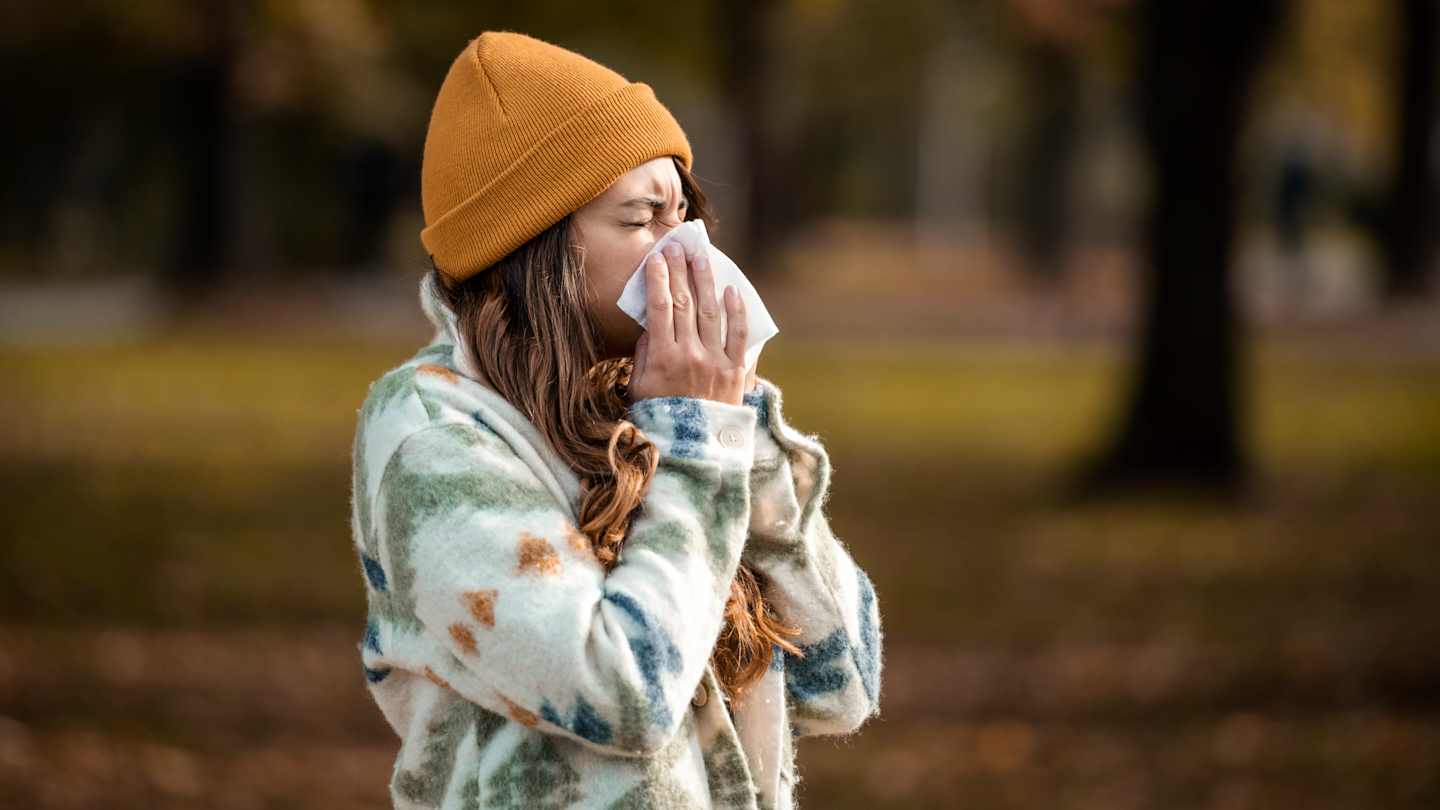
Spring is lovely. The flowers bloom, the birds sing, and your nose suddenly decides to perform a one-person trumpet solo. If you deal with seasonal allergies, you already know that pollen is not just “outside stuff.” It rides in on your shoes, clings to your hair, parks itself on your sofa, and somehow ends up in your bed like an uninvited guest with excellent hiding skills.
The good news? You do not need to live in a plastic bubble or interrogate every daisy within a 10-mile radius. Keeping your house pollen-free is mostly about building smart habits: blocking pollen before it enters, cleaning it without launching it back into the air, filtering indoor air properly, and making your bedroom a true allergy-safe zone. This guide breaks down five practical, realistic tips for reducing pollen indoors, with examples you can actually use in a busy home.
While no house can be 100% pollen-proof, you can make your home feel much more comfortable during allergy season. Think of it as turning your house from “pollen nightclub” into “calm, breathable retreat.” Much better music, fewer sneezes.
Why Pollen Gets Inside Your Home So Easily
Pollen is tiny, lightweight, and extremely good at traveling. Tree pollen, grass pollen, and weed pollen can float through the air, settle on outdoor surfaces, and attach to clothing, shoes, pets, hair, bags, and open windows. On dry, windy days, pollen counts often rise, and your home becomes vulnerable every time a door swings open or a window stays cracked “just for a little fresh air.”
For people with pollen allergies, exposure can trigger sneezing, congestion, itchy eyes, coughing, sinus pressure, postnasal drip, and poor sleep. People with allergic asthma may also notice wheezing or chest tightness when pollen levels are high. That is why controlling indoor pollen is not just about tidiness; it is about creating a healthier indoor environment.
The best strategy is layered. One habit helps, but several habits working together make the biggest difference. Closing windows helps. So does changing clothes after yard work. So does vacuuming with the right filter. The goal is not perfection. The goal is fewer pollen particles hanging around your living room like they pay rent.
Tip 1: Keep Windows and Doors Closed During High Pollen Times
The easiest way to reduce pollen indoors is also the one people resist the most: keep windows and doors closed when pollen counts are high. Yes, fresh air feels wonderful. Unfortunately, during peak pollen season, that “fresh breeze” may arrive carrying enough pollen to turn your coffee table into a sneeze runway.
Use Air Conditioning Instead of Open Windows
When possible, use air conditioning to cool your home instead of opening windows. This is especially important on dry, windy days, during peak pollen seasons, and in the morning when certain pollen levels may be higher. If your HVAC system has a quality filter and is maintained properly, it can help reduce the amount of outdoor pollen that circulates indoors.
Make sure your HVAC filter is replaced according to the manufacturer’s schedule. During heavy allergy season, some households may need to check filters more often, especially if pets, dust, or outdoor debris are also part of the indoor-air drama. A clogged filter cannot do its job well. It is basically a bouncer who fell asleep at the door.
Check Pollen Counts Before Ventilating
If you love opening windows, try to be strategic. Check local pollen counts first. On lower-pollen days, brief ventilation may be less irritating than leaving windows open for hours. Avoid opening windows when grass is being mowed nearby, when wind is strong, or when you can visibly see pollen coating cars, patio furniture, or sidewalks.
Also remember that screen windows do not block pollen effectively. Screens are great for bugs, not microscopic allergy troublemakers. A window screen may keep out a fly, but pollen can stroll through like it owns the place.
Tip 2: Create a “Pollen Drop Zone” at the Door
One of the smartest ways to keep your house pollen-free is to stop pollen at the entrance. Every time someone comes inside, they may bring pollen on shoes, jackets, backpacks, sports gear, hats, and even grocery bags. A simple entryway routine can dramatically reduce how much pollen spreads through the house.
Take Shoes Off Indoors
Make your home a shoes-off zone during allergy season. Place a sturdy doormat outside and another washable mat inside. Better yet, keep a shoe rack or basket near the door so outdoor shoes do not wander into bedrooms, carpets, or play areas.
This small habit is especially helpful after mowing the lawn, gardening, walking through parks, or standing near flowering plants. Shoes collect pollen, dust, soil, and other outdoor particles. Letting them travel through the house is like giving pollen a guided tour.
Change Clothes After Outdoor Activities
If you have been outside for a while, especially during high pollen season, change into clean indoor clothes when you come home. Put outdoor clothes directly into a hamper or laundry area instead of tossing them on the bed, chair, or sofa. Your couch does not need a botanical souvenir.
This is particularly important for children after sports practice, anyone who gardens, and people who work outdoors. If your allergies are severe, showering after outdoor exposure can remove pollen from your skin and hair before it transfers to pillows and bedding.
Wipe Down Bags and Pet Paws
Pollen also hitchhikes on pets. Dogs and cats can carry pollen on their fur and paws, especially after rolling in grass or walking through weeds. Use a damp cloth or pet-safe wipe to clean paws and fur before your pet curls up on rugs, beds, or upholstered furniture.
Backpacks, gym bags, and reusable shopping bags can also bring pollen inside. You do not need to scrub them like evidence in a detective show, but a quick wipe or designated storage spot near the door can help keep pollen contained.
Tip 3: Clean Smart, Not Just More Often
Cleaning is essential for pollen control, but the method matters. If you dry dust aggressively, you may simply launch pollen into the air and then breathe it in while feeling very productive. That is not cleaning; that is pollen confetti.
Use Damp Microfiber Cloths
For surfaces like windowsills, shelves, door frames, tables, and baseboards, use a lightly damp microfiber cloth. Damp cleaning helps trap pollen instead of sending it airborne. Focus on areas where pollen tends to settle: entryways, window tracks, ceiling fan blades, blinds, and surfaces near doors.
Wash or replace cleaning cloths frequently. A dirty cloth can spread allergens around instead of removing them. If you are sensitive to pollen, consider wearing a mask while cleaning, especially when vacuuming, changing filters, or tackling dusty areas.
Vacuum With a HEPA or Small-Particle Filter
Vacuum carpets, rugs, and upholstered furniture regularly using a vacuum with a HEPA filter or a small-particle filter. Standard vacuums may stir fine particles back into the air, which is the opposite of what you want when your nose is already filing a formal complaint.
High-traffic areas near entrances may need more frequent vacuuming during pollen season. Bedrooms, living rooms, stairs, and pet lounging spots also deserve extra attention. If you have washable rugs, clean them regularly according to care instructions.
Mop Hard Floors Often
Hard floors are easier to manage than thick carpets because pollen cannot hide as deeply. Use a damp mop or microfiber floor system to capture particles. Sweeping with a dry broom may push pollen into the air, so damp mopping is usually a better allergy-season choice.
If possible, reduce clutter. Pollen loves cluttered surfaces because it has more places to settle. Fewer decorative items on shelves means fewer tiny pollen parking lots. Minimalism suddenly sounds less like a design trend and more like a sinus survival plan.
Tip 4: Upgrade Your Indoor Air Filtration
Air filtration can be a major help when used correctly. A good air purifier or properly maintained HVAC filter can reduce airborne particles, including pollen, dust, and pet dander. However, not all filters are equal, and even the best purifier cannot fix a house that keeps inviting pollen through open windows.
Choose the Right Air Purifier for the Room
Look for a portable air cleaner designed for the size of the room where you plan to use it. Bedrooms are often the best place to start because you spend many hours there while sleeping. A unit that is too small for the room may run constantly but still struggle to clean the air effectively.
HEPA filters are commonly recommended because they are designed to capture very small airborne particles. For pollen control, also pay attention to Clean Air Delivery Rate, often called CADR. A higher CADR means the purifier can clean more air in a given time, assuming it is used in the right room size.
Run the Purifier With Windows Closed
An air purifier works best when it is not fighting a constant stream of outdoor pollen. Keep windows and doors closed while the purifier runs. Place the unit where air can move freely around it, not hidden behind curtains, shoved under furniture, or trapped in a corner like it is being punished.
Replace filters on schedule. A dirty filter loses efficiency and may reduce airflow. Put filter replacement dates on your calendar, because “I’ll remember” is the official slogan of forgotten maintenance tasks everywhere.
Use HVAC Filters Wisely
If your home has central heating and cooling, choose an HVAC filter compatible with your system. Higher-rated filters can capture more particles, but not every system can handle every filter type. A filter that is too restrictive may reduce airflow and strain equipment. When in doubt, check your HVAC manual or ask a qualified technician.
Air filtration works best as part of a complete strategy: closed windows, cleaner entry habits, regular dusting, and bedroom protection. Think of filters as your indoor air defense team, not a magic wand.
Tip 5: Make Your Bedroom an Allergy-Safe Zone
Your bedroom deserves special attention because pollen exposure at night can lead to congestion, coughing, itchy eyes, and poor sleep. If you wake up feeling like your pillow is stuffed with ragweed and regret, your bedroom routine may need an upgrade.
Wash Bedding Weekly
Wash sheets, pillowcases, and blankets regularly during pollen season. Weekly washing is a smart baseline for many households, especially if you have been spending time outdoors. Use the warmest water that is safe for the fabric, and dry bedding indoors rather than outside.
Line-drying sheets in the sunshine sounds charming, like something from a countryside movie. During pollen season, though, outdoor drying can turn clean bedding into a pollen collection project. Your sheets may come back smelling fresh but carrying allergens that trigger symptoms overnight.
Keep Outdoor Clothes Off the Bed
Do not sit or lie on the bed in clothes worn outside during high pollen days. This one habit can make a big difference. Pollen on jeans, jackets, hats, and hair transfers easily to pillows and blankets. Once pollen is in your bedding, you get to spend the night breathing it in. Romantic? No. Efficient? Unfortunately, yes.
Keep a hamper near the bedroom or bathroom so outdoor clothes have a proper landing spot. Showering before bed can also help, especially after yard work, sports, hiking, or long walks outside.
Limit Pets on the Bed During Pollen Season
Pets are family, but they are also adorable pollen delivery systems. If your allergies flare badly, consider keeping pets off the bed during peak pollen season. At minimum, wipe their paws and fur after outdoor time and wash pet bedding often.
This does not mean your dog is the villain. Your dog is innocent, fluffy, and possibly confused about why the couch now has rules. The pollen is the problem. The dog is just the unpaid intern carrying it indoors.
Extra Strategies for a More Pollen-Free Home
Do Not Dry Laundry Outside
Clothes, towels, and bedding dried outdoors can collect pollen before you bring them inside. During allergy season, use an indoor drying rack or dryer when possible. This is especially important for pillowcases, sheets, and children’s clothing.
Clean Window Areas Regularly
Windowsills, tracks, blinds, and curtains collect pollen easily. Even if windows stay closed most of the time, pollen can build up around frames and screens. Use a damp cloth on hard surfaces and wash curtains according to care labels.
Control Indoor Humidity
Humidity does not remove pollen by itself, but keeping indoor humidity in a comfortable range can help reduce other allergy triggers, such as mold and dust mites. A dehumidifier may be useful in damp rooms like basements, bathrooms, and laundry areas. Avoid letting indoor air become overly damp, especially in spaces with poor ventilation.
Plan Outdoor Chores Carefully
Yard work can bring a heavy pollen load into the house. If possible, avoid mowing or gardening on high pollen days. Wear sunglasses and a hat outdoors, and change clothes afterward. Shower before relaxing on upholstered furniture or getting into bed.
Common Mistakes That Let Pollen Take Over
Even clean homes can struggle with pollen if a few habits work against you. One common mistake is opening windows all day because the weather feels nice. Another is vacuuming with an old or low-quality vacuum that blows fine particles back into the room. Dry dusting, skipping HVAC filter changes, wearing outdoor shoes inside, and putting outdoor clothes on the bed can also undo your hard work.
Another overlooked mistake is cleaning only when symptoms become unbearable. Pollen control works best as a routine. Small daily habits are easier than one giant cleaning session where you end up sneezing into a roll of paper towels and questioning your life choices.
My Real-Life Experience: What Actually Helps Keep a Home Pollen-Free
In real homes, pollen control is not glamorous. Nobody throws a parade because you remembered to wipe the dog’s paws. But the results can be surprisingly noticeable. The biggest improvement often comes from treating the entryway like a checkpoint. Shoes come off. Jackets stay near the door. Bags do not get tossed on the bed. It feels strict for about three days, and then it becomes normal.
One practical routine that works well is the “outside reset.” After spending time outdoors, especially after mowing, gardening, sports, or a long walk, change clothes as soon as you get home. If pollen counts are high, shower before sitting on fabric furniture or getting into bed. This may sound like extra effort, but it is much easier than waking up at 2 a.m. with a blocked nose and one functioning nostril doing the work of a tiny exhausted hero.
Bedrooms are where many people notice the biggest allergy difference. Keeping windows closed, washing bedding weekly, and not allowing outdoor clothes on the bed can make sleep feel cleaner. If you use an air purifier, the bedroom is usually the best starting point. Run it with the door closed for a while before bedtime, and keep the area around the purifier clear. Do not hide it behind a laundry basket and expect miracles. Airflow needs space.
Cleaning style matters too. Damp dusting is far better than waving a dry cloth around like you are conducting an orchestra of allergens. A damp microfiber cloth on windowsills, shelves, and door frames can pick up pollen instead of making it airborne. Vacuuming slowly also helps. Many people rush vacuuming like they are late for a flight, but slower passes give the machine more time to pull particles from carpet and rugs.
Pet owners may need a few extra steps. A dog that loves rolling in grass can bring in a shocking amount of pollen. A quick paw wipe at the door, regular brushing, and frequent washing of pet bedding can help. You do not have to turn your home into a laboratory. You just need repeatable habits that fit real life.
Another helpful experience: do not wait until the house feels dusty. During pollen season, light maintenance beats dramatic rescue cleaning. Wipe entry surfaces every couple of days. Vacuum high-traffic areas more often. Replace filters before they look like ancient artifacts. Keep laundry moving so outdoor clothes do not pile up in bedrooms.
Finally, be realistic. Pollen will still sneak in. Someone will forget and open a window. A child will sprint across the carpet wearing grass-covered sneakers. A pet will look innocent while carrying half the backyard on its fur. That is normal. The goal is progress, not perfection. When your habits reduce the total pollen load, your home becomes easier to breathe in, easier to sleep in, and much less likely to feel like the outdoors moved in without asking.
Conclusion
Keeping your house pollen-free starts with prevention: close windows during high pollen times, use air conditioning when possible, and create a simple entryway routine. From there, clean with damp cloths, vacuum with a HEPA or small-particle filter, maintain your HVAC system, and protect your bedroom like the allergy-free sanctuary it deserves to be.
You do not need extreme measures. You need consistent, practical ones. A cleaner entryway, better laundry habits, smarter filtration, and a pollen-safe bedroom can make allergy season much more manageable. Pollen may be persistent, but with the right strategy, your home does not have to surrender. Your nose will thank you. Quietly, hopefully.
Note: This article is for general home-care and allergy-awareness purposes. If pollen exposure triggers severe symptoms, asthma problems, or ongoing sleep disruption, speak with a qualified healthcare professional for personalized advice.